Most aviation photographers have thousands of images doing nothing. They sit on hard drives, organised or not, while the same subjects appear in magazines, airline press coverage, museum displays, documentaries and news stories, all of which were illustrated by somebody’s licensed photograph. Licensing is how a photograph earns money without being sold: the copyright stays yours, and buyers pay for permission to use the image in a defined way. Aviation is one of the niches where a patient photographer with a well-organised archive can really build income from work they were going to shoot anyway.
Piemags Aviation is looking for contributors
We are actively growing our aviation collection and welcome new contributing photographers. If you shoot military jets, airliners, business aviation, warbirds or airshows and would like your images licensed and sold through Piemags, we would love to see your work.
This guide explains how licensing works and how to do it with aviation subjects specifically: the editorial and commercial distinction that governs almost everything with an airline logo in it, where to place your images among general libraries, microstock, specialist aviation outlets and direct licensing, the legal questions around liveries, military subjects and airside access, how to caption and keyword so buyers actually find your files, and what the money plainly looks like. It is written from a UK perspective but the principles travel.
What this guide covers
- What licensing actually means
- Editorial or commercial: where aviation images fit
- What aviation images actually sell
- Choosing where to license your work
- Preparing files that pass review
- Captions, keywords and metadata
- The legal side: releases, access and restrictions
- The money: commissions and realistic expectations
- Setting up for direct licensing
- Building an archive that keeps selling
- Your first submissions, step by step
- Common mistakes
- Frequently asked questions
What licensing actually means
When you license a photograph you are not selling it. You keep the copyright, which in the UK you own automatically from the moment you press the shutter, unless you took the photograph as an employee in the course of your employment, when it belongs to your employer, and you grant the buyer a defined permission: to print it in a magazine, use it on a website, include it in a documentary, display it in an exhibition. The same image can be licensed hundreds of times to hundreds of buyers over decades. This is the fundamental attraction over one-off print sales: a good aviation image is an asset that keeps working.
Three pairs of terms describe almost every licence you will encounter, and they are worth fixing in your head before you upload anything anywhere.
It is also worth reading the other side of the transaction. Our buyer’s guide to aviation image licensing sets out what a picture editor is actually deciding when your image lands in front of them, including the published rates they will be quoted. Knowing what the buyer is weighing up makes you better at pricing and at writing the captions that get you shortlisted.
Royalty free versus rights managed
Royalty free (RF) does not mean free. It means the buyer pays once, priced mostly by file size or subscription, and can then reuse the image broadly within the licence terms without paying again per use. It is the dominant model across mainstream stock because it is simple to buy. Rights managed (RM) licenses a specific use: this publication, this print run, this territory, this duration. It can charge far more for high-value uses, can offer a buyer exclusivity for a period, and keeps a record of where the image has appeared. RM survives mainly at the specialist and direct end of the market, where individual negotiations make sense; most agency aviation sales today are RF or its editorial variants.
Editorial versus commercial
This is the distinction that dominates aviation licensing and it gets its own section below. In short: editorial use illustrates news, articles, education and commentary, and can show trademarks, logos and people without releases. Commercial use promotes or sells something, advertising, packaging, marketing, and requires releases for recognisable people and protected property. Almost everything with an airline livery in it licenses editorially.
Exclusive versus non-exclusive
An exclusive arrangement ties an image (or your whole portfolio) to one outlet in exchange for a better commission rate. Non-exclusive lets you place the same file on several platforms at once. Most aviation photographers start non-exclusive, spread their files widely, and only consider exclusivity once they can compare real earnings figures per outlet. An exclusive deal that pays a higher percentage of nothing is still nothing.
Editorial or commercial: where aviation images fit
Aviation subjects are dense with intellectual property: airline logos and liveries, manufacturer branding, airport signage, registration marks, engine cowlings with maker’s names, and people in identifiable numbers at every airshow. That density pushes the overwhelming majority of aviation photography into editorial licensing, and understanding why saves you months of confusing rejections.
Why liveries force editorial
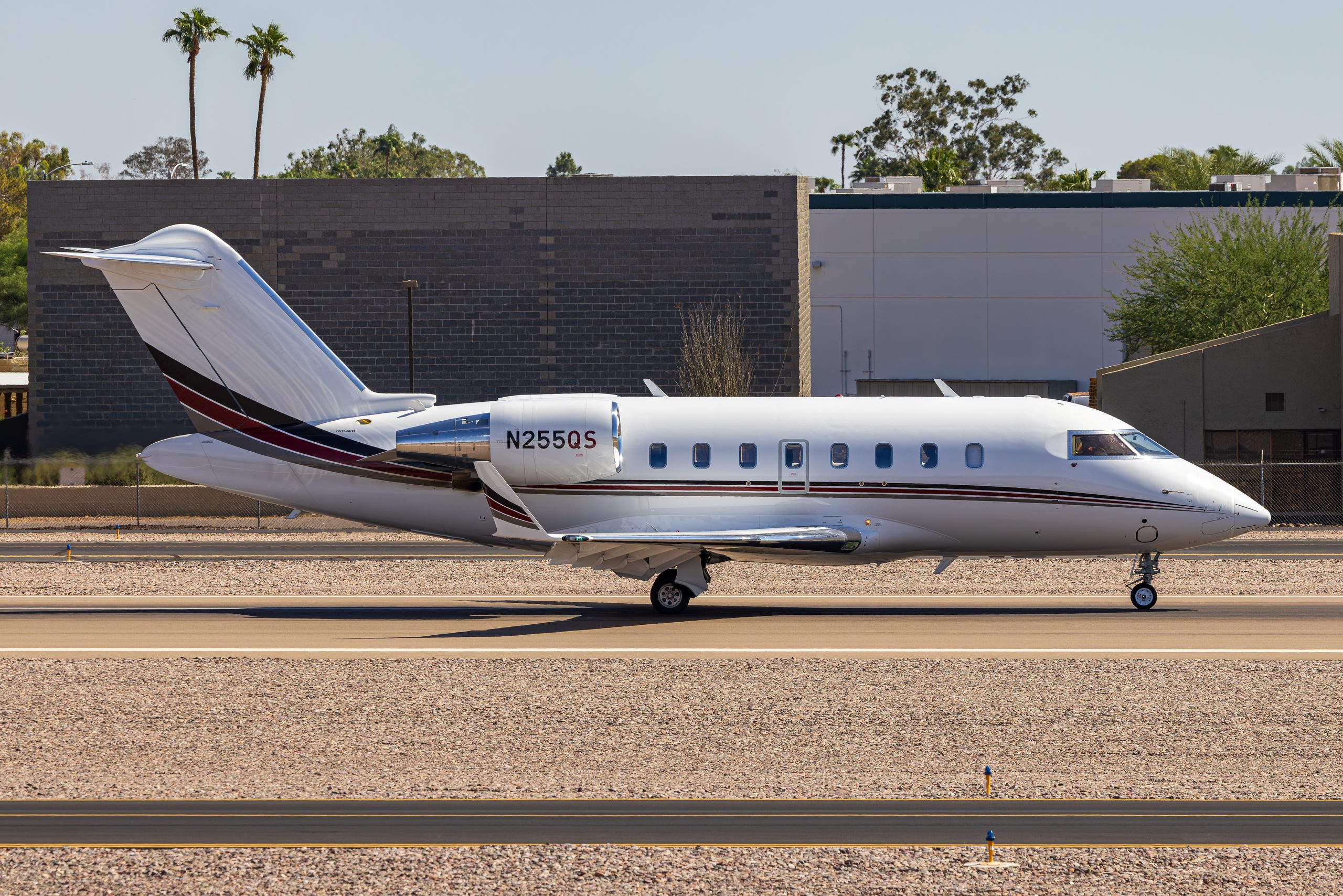
An airline’s livery, name and logo are trademarks. A photograph showing them cannot be used to advertise or endorse anything without the trademark owner’s permission, evidenced by a property release, and airlines will not sign property releases for unsolicited stock submissions. So a beautiful shot of a branded airliner rotating off the runway is not useless; it is editorial. Newspapers covering the airline’s results, textbooks explaining air travel, websites reporting a route launch, documentary producers: all of these license editorial images of exactly that kind, entirely legally, because editorial use reports on the world rather than selling something.
Agencies enforce this at review. Submit a livery image to a commercial collection without releases and you will receive an intellectual property rejection; the same file flagged as editorial passes. If an agency gives you a choice of collections, aviation work with visible branding belongs in editorial, captioned with the who, what, where and when that editorial buyers require.
What can license commercially
Aviation images without protected elements can go into commercial collections and reach the advertising market, which pays better per use. Think generic subjects: contrails against a sunset, anonymous silhouettes of aircraft, cockpit details without branding, runway lights, clouds from a window seat with no winglet logo, de-identified airframe textures. Some photographers shoot deliberately for this market, framing to exclude logos and cloning off registrations where the agency permits it for commercial files. It is a different discipline from documentary aviation photography, and a useful second string.
Military aircraft
Military subjects photographed from public land or at public events license editorially without difficulty in the UK and most Western countries. Commercial use of recognisable military types is less predictable: some manufacturers have asserted rights over aircraft designs, and agencies often route famous types to editorial regardless. The practical rule is the same as for airliners: expect editorial, treat commercial acceptance as a bonus. Where you photograph matters more than what: obey photography restrictions at active bases, and be aware that in the UK and many other countries, photographing designated military installations can be an offence in itself, wherever you are standing. Our plane spotting guide covers staying on the right side of local rules at airports generally.
| Subject | Editorial | Commercial | Notes |
|---|---|---|---|
| Airliner with visible livery | Yes | No, without airline property release | The core editorial aviation subject |
| Military fast jet at public airshow | Yes | Rarely; agency dependent | Manufacturer design rights sometimes asserted |
| Warbird or historic aircraft | Yes | Sometimes, if no modern branding | Museum access conditions may restrict resale |
| Generic contrail, silhouette, sky | Yes | Yes | The commercial-friendly end of aviation |
| Airport terminal interior with brands | Yes | No, without releases | Also check terminal photography policies |
| Identifiable people (crew, passengers, spectators) | Yes, if newsworthy context | No, without model releases | Crowd shots at events are fine editorially |
| Cockpit or cabin detail without branding | Yes | Usually | Watch for maker’s plates and logos |
What aviation images actually sell
Aviation stock is not bought primarily for beauty. Editorial buyers are illustrating stories, and the images that sell are the ones that attach to stories. Knowing the demand side changes what you shoot and, more importantly, what you bother to caption, keyword and upload from the archive you already have.
News pegs and fleet stories
Airline collapses, mergers, route launches, groundings, strikes, new type deliveries, retirement of old types: every one of these generates demand for images of the relevant airline and aircraft, often within hours. The photographers who benefit are the ones whose archive already contains sharp, accurately captioned images of that operator and type. You cannot shoot the story after it breaks; you can only have shot it before. This is the single strongest argument for photographing the ordinary: today’s routine liveries are next year’s news illustrations, and the airliner that seems too common to photograph is precisely the one a picture desk will need.
Types, anniversaries and history
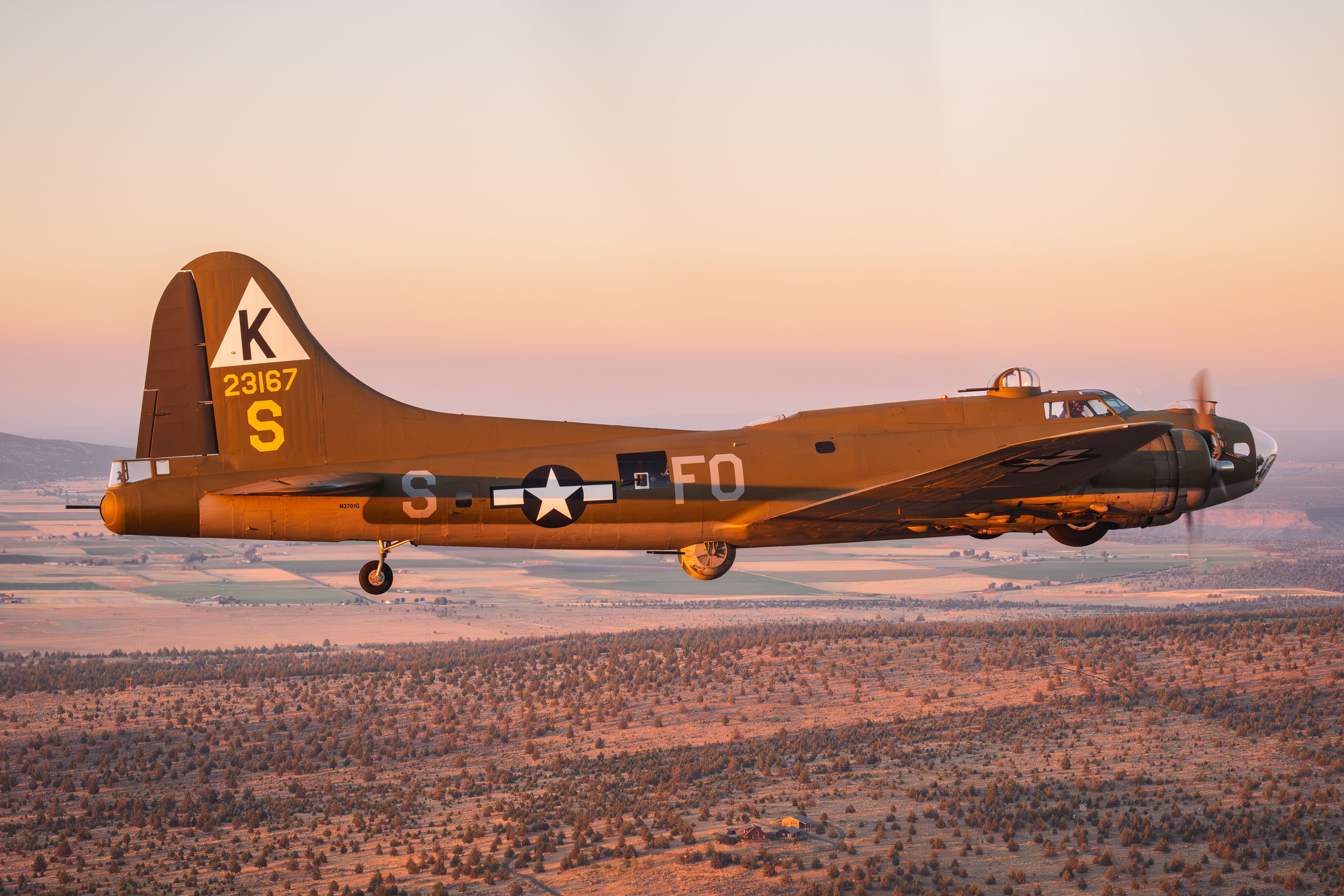
First flights, last flights, anniversaries of famous aircraft and events, museum acquisitions and restorations all create predictable demand. Warbird and preserved aircraft coverage sells steadily to magazines and educational publishers; if that is your subject, our guide to photographing warbirds covers the shooting side. Airshow highlights, display teams and special schemes have a shorter but intense sales window in event coverage.
The unglamorous sellers
Airport infrastructure, ground handling, cargo operations, fuel bowsers, de-icing rigs, security queues, baggage systems, air traffic control towers: unfashionable subjects with reliable editorial demand, because journalism about aviation is mostly about the industry rather than the airframes. A competent, well-captioned photograph of a de-icing operation may outsell your best topside fast-jet shot over five years, simply because more stories need it.
Choosing where to license your work
There are four realistic routes, and they are not mutually exclusive. Most working aviation photographers use two or three at once.
General stock libraries
The UK’s most relevant general library for aviation editorial is Alamy: a huge editorial marketplace, no exclusivity requirement, and a simple route for aviation subjects. Its commission structure is tiered. From 1 September 2026 Alamy pays roughly 15 percent to contributors billing under 250 dollars of licence fees a year, 20 percent from 250 to 3,000 dollars, 40 percent from 3,001 to 25,000 dollars, and 50 percent above 25,000 dollars on content held exclusively with Alamy. The revenue year now runs from 1 September to 31 August, and sales into its AI training collection are paid at 30 percent. Distributor sales pay less than direct ones. Check the current contributor contract before joining, because structures change, but the shape, a meaningful percentage of a real licence fee, has been stable for years. Individual Alamy licences for editorial aviation images commonly run from a few pounds to tens of pounds, occasionally into three figures for premium uses.
Microstock
Shutterstock, Adobe Stock, iStock and their peers sell high volumes at low prices, largely by subscription. Shutterstock’s contributor scheme, as of this writing, pays between 15 and 40 percent depending on your download count level, and levels reset to the bottom each January. Per-download earnings for images are frequently cents rather than pounds. Microstock rewards large, commercially clean portfolios and punishes small editorial ones, so for typical aviation work it is a secondary outlet: worth having files on, rarely worth optimising for. The commercial-friendly generic subjects mentioned earlier do best here.
Specialist aviation libraries
Aviation has dedicated picture libraries and image services that supply airlines, manufacturers, publishers and broadcasters. They are smaller markets with knowledgeable buyers, typically better per-image prices than microstock, and stricter standards on accuracy of captioning; a misidentified variant that would pass unnoticed at a general library will not survive specialist review. Terms vary widely, some request exclusivity for supplied images, so read contracts carefully and keep records of what is placed where.
Piemags is one such specialist aviation outlet. It licenses aviation imagery to publishers, museums, advertisers and broadcasters through its own aviation archive and partner agencies, and it is actively taking on new contributing photographers. If you would rather a specialist handled the licensing, the aviation-standard captioning and the sales while your copyright stays with you, you can put your work forward through the Piemags aviation team.
Direct licensing
Licensing from your own site keeps the whole fee and builds direct relationships with repeat buyers: local publishers, museums, event organisers, enthusiast magazines. It requires you to be findable and to handle the paperwork, invoicing, licence terms, delivery, yourself. Our own archive works this way; the terms we offer buyers are on our licensing page, and they are a reasonable template for what a direct aviation licence covers: use, duration, territory and credit. Direct licensing pairs naturally with agency placement rather than replacing it; agencies find the buyers you never would, and your own site captures the ones who come looking for you.
| Route | Typical per-licence value | Volume | Best for | Watch out for |
|---|---|---|---|---|
| General library (e.g. Alamy) | Pounds to tens of pounds | Modest, steady | Editorial aviation, large archives | Commission tiers, distributor rates |
| Microstock | Cents to a few pounds | Potentially high | Generic commercial-safe subjects | Level resets, low editorial demand |
| Specialist aviation library | Tens of pounds and up | Low, targeted | Accurate, well-captioned specialist work | Exclusivity clauses, strict accuracy |
| Direct from your own site | You set it; keep 100 percent | Low but growing with reputation | Repeat buyers, local and niche markets | You do the admin and the marketing |
Preparing files that pass review
Every outlet runs quality control, and aviation files fail it for predictable reasons. Reviewers inspect at 100 percent, and the sky, which fills most aviation frames, is the least forgiving surface in photography for both noise and processing artefacts.
The technical bar
Submit only really sharp frames: sharp on the airframe, not merely small in the frame. Heat haze softness, the persistent enemy of long-lens work, reads as camera shake to a reviewer and fails. Noise must be controlled but not obliterated; waxy, over-smoothed skies fail as surely as grainy ones, and oversharpening halos along a fuselage edge are the classic aviation rejection. The full treatment, processing order, denoise settings and masking, is in our guide to noise reduction and sharpening for long-lens shots, which was written with stock review standards in mind. Dust spots matter too: sensor spots invisible against an airframe glow in a clear sky at 100 percent, so spot-check every submission systematically.
Resolution and crops
Keep crops honest. Libraries set minimum dimensions, and a heavy crop that scrapes past the minimum with mushy pixel-level quality will fail review even at legal size. If your regular results need heavy cropping, address reach and technique at the taking stage rather than in the edit. Composition that fills the frame in camera, covered in our aviation composition guide, is worth more to your acceptance rate than any processing trick.
Workflow discipline
Prepare stock submissions as a distinct export from your normal edit: full resolution, modest output sharpening or none, metadata embedded. A repeatable Lightroom routine, culling, developing, captioning, exporting, turns a display day into submitted files inside an evening; ours is described in the Lightroom workflow guide. Batch consistency also matters commercially: buyers who license one image from a shoot often want the set, and a set processed six different ways looks amateur.
Captions, keywords and metadata
Buyers cannot license what search cannot find. In editorial aviation, the caption and keywords are not administrative chores; they are the product’s shop window, and accuracy is a selling point in a niche full of knowledgeable buyers.
The editorial caption
An editorial caption answers who, what, where, when: operator, aircraft type and variant, registration if legible, location, event and date. “Boeing 787-9 of British Airways landing at London Heathrow Airport, England, in March 2024” licenses; “jumbo jet landing” does not. Get variants right, 747-400 not just 747, Spitfire Mk IX not just Spitfire, because specialist buyers search that precisely and misidentification destroys trust. If you can read the registration, include it: picture desks searching for a specific airframe after an incident search by registration first.
Keywording that works
Keyword in layers: the specific (registration, variant, operator, airport code), the general (airliner, aviation, air travel, jet engine), and the conceptual (transport, tourism, globalisation, climate and emissions for contrail images). Ten to twenty accurate keywords beat fifty scattergun ones, though a fully worked editorial set will run to thirty or more, and irrelevant keywords actively harm you: they place your file in searches it loses, which damages its ranking in searches it should win. Embed captions and keywords in the file’s IPTC metadata in Lightroom before export so every outlet receives them automatically.
Consistency across the archive
Adopt controlled vocabulary: one spelling of each airline name, consistent airport naming with IATA and ICAO codes, consistent date formats. Consistency is what lets a buyer who found one of your images surface the other forty of the same subject, and multiplied sales from single discoveries are where archives earn.
The legal side: releases, access and restrictions
Nothing here is legal advice; it is the practical landscape as aviation photographers encounter it, and specific situations deserve specific professional advice.
Releases
A model release is a person’s written consent to commercial use of their likeness; a property release is the equivalent from an owner of protected property, including trademarks and some distinctive designs. Editorial licensing generally requires neither, which is why aviation lives there. If you do shoot for the commercial market, generic aviation subjects, released people at aircraft, keep releases organised and lodged with the agency, because commercial files without paperwork are rejected on sight.
Where you stand, literally
Photography from public land of what is plainly visible is generally lawful in the UK, and that covers most civil spotting locations and crowd lines. Military sites are a real exception: under the National Security Act 2023, unauthorised photography of a designated prohibited place can be an offence in itself, with no need to prove any harmful purpose, so check signage and local rules at defence sites. Airside access granted for events or tours may come with conditions on commercial exploitation of the resulting images; the same is true of some museums and private collections, where entry tickets or photo permits state that images are for personal use. Read what you agree to when you accept access, because a licensing dispute after publication is expensive, and a specialist buyer will ask where an unusual angle came from. When in doubt about images made on private access, ask the venue; many will happily grant permission for editorial licensing on request, particularly with a credit.
Drones and restricted airspace
If any of your archive was shot from a drone, ensure the flights themselves were legal, licences, airspace, distance rules, because agencies increasingly require confirmation, and an unlawfully obtained image is a liability whoever publishes it. Ground-based photographers have it simpler: stay outside restricted zones, comply with signage at airfields, and airshow and airport photography from permitted areas raises no airspace issues at all.
The money: commissions and realistic expectations
Honest numbers, because licensing is surrounded by both hype and cynicism, and neither is useful.
What the outlets pay
On a general library, a 50 pound editorial licence returns 10 pounds at Alamy’s 20 percent tier, or 20 pounds once your annual licence fees pass 3,000 dollars and you reach 40 percent; many licences are smaller, some much larger, and a working archive sees a spread. Microstock returns are usually measured in tens of cents per download at typical contributor levels. Specialist libraries and direct licensing return the most per use, tens to hundreds of pounds, at the lowest volume. Payment thresholds matter for cash flow: most platforms hold your balance until it passes a minimum, so small portfolios can wait months between payments.
What a realistic archive earns
The variables are archive size, subject coverage, caption quality and time. As rough orders of magnitude: a few hundred well-captioned aviation images on one library typically produce occasional sales, pocket money; a few thousand images across two or three outlets, covering operators and types with news potential, produce steady monthly sales, a meaningful hobby income that can cover gear and travel; the photographers earning serious money have archives in the tens of thousands built over a decade or more, ruthless captioning discipline, and direct relationships alongside agencies. Nobody builds that in a season, and anyone promising otherwise is selling a course.
The compounding effect
The encouraging arithmetic is that licensing income compounds with archive size and age. Every properly captioned image uploaded is a lottery ticket that never expires: fleet retirements, anniversaries and news events keep re-activating old files, and a photograph of a routine airliner from fifteen years ago becomes the historical illustration nobody else has. The habit that pays is steady: shoot, caption accurately, upload regularly, and let time do the multiplying.
Setting up for direct licensing
Direct licensing deserves its own section because it is the route photographers most often avoid, assuming it requires a business infrastructure they do not have. In practice it needs four things: findable images, a stated way to ask, a licence document, and an invoice. All four are an afternoon’s work to set up.
Being findable and being askable
Most direct licensing enquiries arrive because someone found your image of a specific subject, often via an image search on a registration, an operator or an event, and could see how to contact you. That means captioned galleries on your own site, not just social media, where captions are unsearchable and images are compressed beyond licensing use. Put a plain licensing line where buyers will see it: what you offer, roughly what it costs, and an email address. Buyers on deadlines contact whoever looks easiest to deal with; a picture desk twenty minutes from print will not fill in a contact form and wait.
What a direct licence needs to say
A usable licence document is one page. It identifies the image (filename and description), the licensee, the permitted use (publication or product, print run or audience size where relevant), the territory, the duration, whether the use is exclusive, the credit required, and the fee. It states that copyright remains with you and that uses beyond the licence need a new agreement. Plain language beats legalese; the point is that both sides know what was agreed when someone asks a year later. Keep every issued licence on file, numbered, alongside the invoice it belongs to.
Pricing without an agency
Price on use, the RM logic: a regional magazine inside page is not a national front cover, a museum display panel is not a book jacket reprinted for a decade. Sensible anchors: check what general libraries charge buyers, not what they pay contributors, for comparable editorial uses, and remember that the buyer contacting you directly has already decided your specific image is the one they want, which is a stronger position than being one thumbnail among thousands. Do not price in cents to seem approachable; a serious editorial buyer expects a serious quote, and a fee that undercuts the agencies devalues the archive you are building. For repeat buyers, consistency matters more than squeezing each deal.
| Term | What to specify | Example |
|---|---|---|
| Image | Filename, description, your reference number | IMG_4471, Avro Vulcan XH558 at RIAT 2015, ref PA-2026-014 |
| Licensee | The organisation, not just the individual contact | Example Publishing Ltd |
| Permitted use | Publication or product, edition, print run or audience | One-time use, inside page, single print issue |
| Territory and duration | Where and for how long the licence runs | UK, 12 months from first publication |
| Exclusivity | Almost always non-exclusive; price exclusivity separately | Non-exclusive |
| Credit | The byline wording you require | Photo: Professional Aviation Photography |
| Fee and copyright | The fee, and confirmation copyright remains yours | Fee as invoiced; copyright retained by photographer |
The admin, plainly
Invoicing is a template; issue one per licence with your details, the licence reference and payment terms. In the UK, licensing income is taxable income like any other, declared through self assessment once you pass the relevant thresholds, and records of what sold, when and for how much make that painless. None of this is difficult, and buyers notice the difference between a photographer with paperwork and one without: the first gets the repeat business.
Building an archive that keeps selling
The difference between a folder of photos and a licensing archive is structure and intent.
Coverage over trophies
Portfolio thinking optimises for the spectacular frame; archive thinking optimises for coverage. For every operator and type you photograph, aim for the workmanlike set: clean side-on, front quarter, rear quarter, take-off, landing, taxi, detail shots. Sets license repeatedly because publications need options and layouts need variety. Trophy shots still matter, they win the buyer’s attention, but the set behind them earns the money.
Backfile systematically
Most photographers’ best licensing asset is the archive they already have. Work through old shoots season by season: cull to the technically sound frames, caption them with dates and details while sources still exist to check, process to current standards and upload. Older material is often more valuable than new: retired types, defunct airlines, vanished liveries and demolished terminals cannot be reshot by anyone.
Feed the archive deliberately
Plan shooting around gaps and upcoming demand: types approaching retirement, airlines in the news, anniversaries a year out, new liveries and deliveries. The events calendar is your friend, and coverage of the season’s displays, planned with our RIAT guide and its siblings, doubles as archive-building if you shoot the sets and not just the highlights. Finished, licensed work across our own subjects is browsable in the galleries, which is what an archive-first approach produces over time.
Your first submissions, step by step
Theory absorbed, here is the practical sequence for going from archive to first licensed image, sized so each step is a single evening’s work.
Step one: pick one outlet and read its contract
Start with a single general library suited to editorial aviation rather than signing up everywhere at once. Read the contributor contract properly: commission structure, payment threshold, exclusivity position, and how editorial submissions are designated. Twenty minutes of reading prevents the classic surprises, and you will compare every later outlet against this baseline.
Step two: build a first batch of ten to twenty
Choose variety over volume: two or three subjects, several angles of each, all technically clean at 100 percent, all captioned to the who-what-where-when standard with layered keywords embedded in the metadata. This batch is a probe, not a portfolio; its job is to teach you the outlet’s review standards with minimal wasted effort. Resist the temptation to lead with your most processed, most dramatic frames; lead with your cleanest.
Step three: submit, and treat rejections as data
Whatever fails review, diagnose plainly against the reasons given: noise, softness, sharpening artefacts, caption problems, wrong collection. Fix the cause in your workflow, not just the file, so the failure rate drops with each batch. Acceptance rates climb quickly once the first few review cycles have taught you where the bar sits for your camera, lenses and processing.
Step four: establish the routine
Licensing rewards regularity, so wire it into your existing workflow: after each shoot, cull, process, caption and upload the licensable set while the shoot details are fresh. Set a modest quota, even twenty images a week, and let it run. In parallel, start the backfile programme from your strongest historical material, oldest subjects first, since retired types and vanished liveries are the files nobody can compete with.
Step five: review the numbers twice a year
Every six months, look at what actually sold, where, and for how much. Double down on the subjects and outlets that produce, add a second outlet once the first is routine, and revisit the exclusivity question only when you have real per-outlet earnings to compare. The archive compounds; the strategy should compound with it.
Common mistakes
The recurring errors, from review queues and licensing forums alike.
Submitting livery images as commercial. The intellectual property rejection that follows confuses more newcomers than any other; the image is fine, the collection was wrong. Branding means editorial, with a proper editorial caption.
Vague captions. “Fighter jet at airshow” is invisible to every buyer who matters. Operator, type, variant, place, date: the caption is the search result, and precision is what aviation buyers are paying for.
Uploading everything. Fifty near-identical frames of the same pass dilute your portfolio, annoy reviewers and bury your good work in duplicate. Edit hard: the two best frames of a pass, sets with variety, nothing soft.
Over-processing for impact. Stock review punishes the Instagram look: crushed blacks, glowing HDR, plastic skies, halos. Process for accuracy and let the buyer’s designer add drama if they want it.
Ignoring the ordinary. The photographer who only uploads display highlights misses the infrastructure, the ground operations and the routine liveries that editorial demand actually chases. The boring frame you almost deleted is somebody’s article illustration.
Scattering without records. Files on five platforms with no record of what is where, under which terms, becomes unmanageable the first time an exclusivity question or a takedown request arrives. Keep a simple register: image, outlets, dates, terms.
Requesting images. Email sales@piemags.com with the subject you need, the medium, the territory, the print run or audience, and your deadline. That is enough to quote against. Licensing terms are set out on the Piemags licences page.
Licensing assumes you hold the rights in the first place, and that is less obvious than it sounds. Our guide to aviation photography copyright, watermarks and metadata sets out what you own automatically, who owns a commissioned frame, and what a watermark does and does not buy you.
A licence and a print are different products with different economics off the same photograph. Where a licence is a right you grant, a print is a physical object you sell, which brings consumer law, VAT and returns with it. Our guide to selling prints of your aviation photography covers that side.
Frequently asked questions
Can I sell photos of airliners with airline logos visible?
Yes, but almost always as editorial licences. Liveries and logos are trademarks, so commercial use would need a property release from the airline, which you will not get. Editorial use, news, articles, education, needs no release. Submit livery images to editorial collections with full captions and they license perfectly legally.
Do I need permission to sell photos of military aircraft?
For editorial licensing from public land or public events, generally no in the UK and most Western countries. Commercial use is less predictable because manufacturers sometimes assert design rights, and agencies often restrict recognisable types to editorial anyway. Follow photography restrictions at bases, and never assume the UK position applies abroad.
How much money can I realistically make?
Slow-building side income. A few thousand well-captioned images across multiple outlets typically produces steady small sales; meaningful income takes archives in the tens of thousands, years of accumulation and disciplined captioning. The compounding is real, every uploaded image keeps earning chances indefinitely, but nobody replaces a salary in their first year.
Should I put the same images on several stock sites?
Usually yes, where terms are non-exclusive, because coverage beats concentration for discovery. Consider exclusivity only when an outlet’s higher rate, applied to your actual sales history there, beats the summed earnings elsewhere. Keep records of what is placed where.
What is the difference between rights managed and royalty free?
Royalty free is one payment for broad reuse within the licence terms, priced mainly by size; rights managed prices each specific use, publication, territory, duration, and suits high-value or exclusive placements. Mainstream agency sales are mostly RF; RM persists in specialist and direct licensing.
Why do stock agencies keep rejecting my airshow photos?
Almost always technique: noise or waxy noise reduction in the sky, sharpening halos, heat haze softness, dust spots, or over-heavy crops. Reviewers inspect at 100 percent and skies hide nothing. Fix the processing chain, submit only your sharpest frames, and route branded subjects to editorial with proper captions.
Licensing rewards exactly the habits that make a better photographer anyway: shooting coverage as well as highlights, processing to an honest standard, knowing your subjects well enough to caption them precisely, and organising an archive instead of accumulating a backlog. Start with the images you already have, place them where editorial aviation actually sells, and treat every future shoot as feeding an asset that pays you back for years. Nothing about it is fast, and all of it compounds.
Licensing works best when the images behind it are properly curated. For how to assemble a body of work that sells, see our guide to building an aviation photography portfolio.
This guide covers licensing from the photographer’s side. If you are on the other side of the desk, sourcing images for a book, museum or documentary, our guide to aviation picture research walks through the process from the buyer’s seat, and our F-4 Phantom photographs guide is a worked example of one type.
