The Royal International Air Tattoo is the biggest military airshow on the planet, and for one weekend in July it turns a Gloucestershire airbase into the busiest flying display anywhere in the world. For a photographer it is both a gift and a test. The gift is the sheer variety of aircraft, from front-line fighters to Cold War veterans to display teams from a dozen air forces. The test is the crowd, the distances, the heat haze and the long day on your feet. This guide is written to help you come home with frames you are proud of.
It covers the practical decisions that make the difference on the day: where to stand, when to arrive, which lens to have on which body, and the settings that keep jets sharp and propellers turning. It also gives an honest picture of the show as it stands right now, because the 2026 event did not run and the plan for 2027 matters if you are booking travel. Everything here is aimed at the crowd-line photographer who wants results, whether you are going for the first time or the tenth.
What this guide covers
- What RIAT is and why it matters for photographers
- The story of RIAT
- Is RIAT happening this year
- Planning your visit: tickets, gates and timing
- Where to stand on the crowd line
- Reading the light and sun direction at Fairford
- The gear that works at RIAT
- Camera settings for the flying display
- Shooting fast jets and afterburner passes
- Props, warbirds and rotary
- The static park: making the most of parked aircraft
- Arrivals and departures days
- Weather, heat haze and crowds
- Common mistakes and how to avoid them
- Editing, keeping and licensing your shots
- Frequently asked questions
What RIAT is and why it matters for photographers
The Royal International Air Tattoo, almost always shortened to RIAT, is held in support of the RAF Charitable Trust and takes place at RAF Fairford in Gloucestershire. It is recognised as the world’s largest military airshow. Across a July weekend the show regularly gathers more than 200 aircraft, with something in the region of 25 or more flying displays each day and a static park that has stretched close to two miles along the airfield. The scale is hard to overstate. Guinness World Records recognised the 2003 event, with 535 aircraft present, as the largest military airshow ever staged.
For a photographer that scale is the whole point. In a single day you can shoot a fast jet demonstration in full afterburner, a multi-ship display team trailing coloured smoke, a lumbering transport making a surprisingly graceful topside pass, and a rare visiting type that you may never see fly again. Air arms from across the world send aircraft, so the liveries and markings on show are far more varied than at a typical national airshow. If you keyword and file your images well, a good RIAT weekend can fill gaps in a collection that would otherwise take years of travel to complete.
It also matters because RIAT rewards preparation more than almost any other show. The crowd is large, the flightline is long, and the sun moves through the afternoon in a way that helps some passes and ruins others. Photographers who plan around those facts consistently outshoot those who simply turn up. The rest of this guide is about that planning.
The story of RIAT: from North Weald to the world stage
Knowing the event’s history sharpens how you photograph it. The first Air Tattoo was held in 1971 at North Weald in Essex, a volunteer-run gathering of around 100 aircraft organised by two air traffic controllers, Paul Bowen and Timothy Prince. Through the 1970s and early 1980s the show grew at RAF Greenham Common, took the name International Air Tattoo in 1976, and settled at RAF Fairford in 1985. Queen Elizabeth II granted the Royal title in 1996, and 2025 marked forty years at Fairford.
The scale became world class along the way. The 2003 edition drew 535 aircraft and entered Guinness World Records as the largest military airshow ever staged, and recent editions have fielded well over 200 aircraft from dozens of air arms, with crowds in the region of 150,000 to 200,000 across the weekend. The event is run by Royal Air Force Charitable Trust Enterprises, and every ticket supports the RAF Charitable Trust.
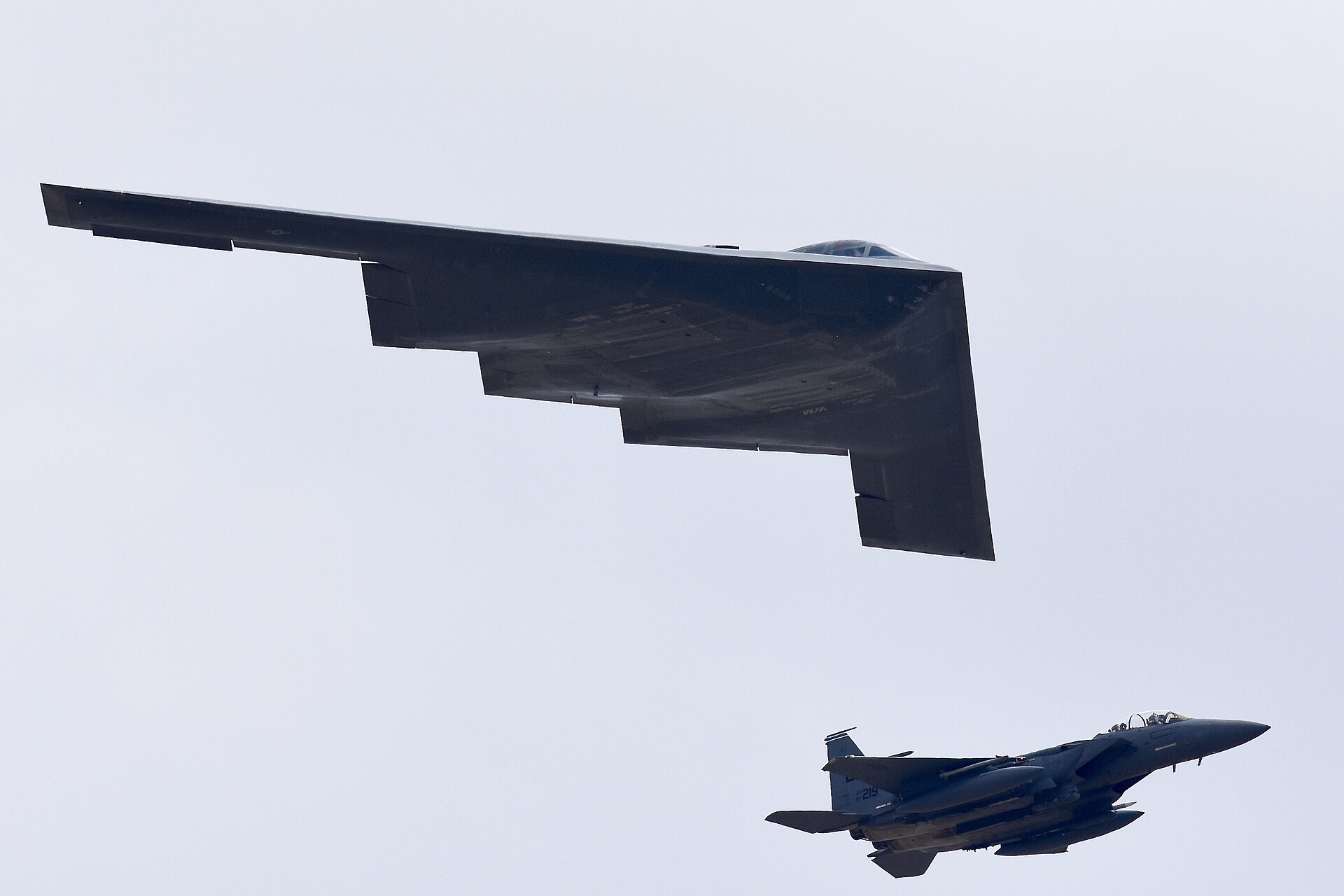
RIAT has produced some of aviation’s most photographed moments, and a few dramatic ones. In July 1993 two Russian Air Force MiG-29s collided during their display; both pilots ejected and survived, and the images went around the world. In 2018 a USAF B-2 Spirit appeared in a flypast with F-15s for the RAF’s centenary, one of the type’s rare public appearances outside America. Wet years have hurt too: the 2008 public days were cancelled by waterlogging, and 2020 and 2021 fell to the pandemic. The lesson for a photographer is simple: this show rewards those who turn up ready for anything.
Is RIAT happening this year
This is the first thing many people search for, and the honest answer for 2026 is no. On 22 May 2026 Royal Air Force Charitable Trust Enterprises, the organiser, confirmed that the 2026 Royal International Air Tattoo was cancelled. The event had been scheduled for 17 to 19 July 2026. The reason given was uncertainty over access to RAF Fairford, which remained in use by the United States Air Force, so the organisers could not guarantee the airfield would be available in time to stage the show safely.
The Trust said it remained committed to returning, and confirmed that RIAT will be back at RAF Fairford on 16 to 18 July 2027. Ticket holders for the cancelled event were given three choices: roll their tickets over to 2027, take a full refund, or donate the cost of the ticket to the RAF Charitable Trust to support its wider work. If you were holding tickets and did nothing, check your correspondence from the organisers rather than assuming a default outcome.
What this means if you are planning to go
If you are reading this with 2027 in mind, treat the 16 to 18 July 2027 dates as the working plan but keep an eye on official announcements, because the circumstances that forced the 2026 cancellation were outside the organisers’ control. Book flexible accommodation where you can. Fairford sits in a rural part of Gloucestershire and rooms within sensible driving distance sell out early, so there is a tension between booking ahead for choice and staying flexible in case dates move. Refundable bookings are worth the small premium in a year like this.
The practical photography advice in this guide does not change with the year. Fairford is Fairford: the runway orientation, the light, the crowd-line layout and the arrivals routine are broadly consistent from show to show. So everything below applies whenever the next show you attend happens to be.
Updated July 2026. The next Royal International Air Tattoo runs from 16 to 18 July 2027 at RAF Fairford, with tickets already on sale, and the organiser has confirmed future editions on 14 to 16 July 2028, 13 to 15 July 2029 and 19 to 21 July 2030. Holders of RIAT 2026 tickets were offered a rollover to 2027, a full refund, or the option to donate the value to the RAF Charitable Trust.
Planning your visit: tickets, gates and timing
RIAT is a three-day event, with a public airshow across the weekend and busy arrivals in the days before. The single biggest lever you control as a photographer is when you arrive. Get there early and you choose your spot, settle your kit and shoot the first displays in good light. Arrive late and you shoot over heads from the back, in worse light, with a compromised view.
Getting in and getting a spot
Car parks typically open around 06:00 and the showground gates at about 07:30. Aim to be parked between 06:30 and 07:00. That sounds excessive for a display that does not start flying until the late morning, but the walk from the car parks to the crowd line is long, and the best positions near the crowd centre are taken by people who did exactly this. Bring everything you need for the whole day, because going back to the car is a serious round trip.
What to bring
Pack as if you will not sit down or find shade, because you might not. A folding stool earns its place, as does more water than you think you need and proper sun protection. Photographically, the essentials are spare batteries, more memory cards than you expect to fill, a microfibre cloth for dust and a sensible bag you can carry all day. For a full breakdown, our companion piece on what to pack for an airshow photography day goes through the kit item by item and is worth reading before you go.
Build a rough plan of the day
Study the display order when it is published and mark the items you care most about. Note which are fast jets that want the sharp end of your long lens and which are display teams that reward a wider frame. Think about where the sun will be for each slot. A little of this planning the night before means you are not fumbling with settings when a rare type rolls in.
Where to stand on the crowd line
The Fairford crowd line runs for roughly two miles, which is longer than most people picture. Where you stand along it changes what you get, so it pays to understand the geography before you commit to a patch of grass for the day.
The crowd centre
The crowd centre is the focal point of the whole display. It is the point that display pilots use to line up their manoeuvres, the place where head-on passes are aimed, and where the tightest, most dramatic parts of a routine tend to happen. That makes it the most sought-after position for photographers and the first to fill. If you want the classic head-on and topside frames that define airshow photography, this is where to be, and it is the main reason to arrive early.
The FRIAT grandstand and enclosure sit at crowd centre, and the public crowd line either side of it fills earliest. Positions there are limited and go quickly. Even if you cannot get into a dedicated area, being near the centre and toward the front of the general crowd gives you a cleaner background and fewer heads in the bottom of the frame.
Away from the centre
Standing further along the line is not a mistake, it is a different set of pictures. Away from the centre you catch aircraft in the turn, banking as they reposition, which can be more dynamic than a straight pass. You also get topside views as display aircraft roll into the crowd. The trade-off is that head-on centre-point moments happen further away from you. Many experienced RIAT photographers move along the line through the day to vary their shots rather than rooting to one spot.
Backgrounds and foregrounds
Whatever position you choose, look at what is behind the aircraft when they are low. A clean sky is easy, but low passes and taxiing shots pick up hangars, control towers, crowd barriers and parked aircraft. Sometimes those elements add context and sense of place. Often they clutter the frame. Knowing what is behind a given stretch of runway lets you decide in advance whether to shoot a low pass tight or wait for the aircraft to climb into clean sky.
FRIAT, Park and View, and the ladder rule
Friends of RIAT (FRIAT) is the package built for photographers: a six-day pass covering the Wednesday and Thursday arrivals from Park and View or the enclosure, all three show days from a reserved grandstand seat at crowd centre, and Monday departures. The enclosure adds a marquee, its own catering and toilets, left luggage and WiFi, and FRIAT members judge the As the Crow Flies photography trophy. The separate Park and View enclosures sit at the east and west ends of the airfield and are superb for arrivals, departures and runway shots; most movements favour the east end, though wind direction decides on the day. On equipment, the official rule is that shelters and stepladders up to 1.5 metres are allowed as long as they stay more than 10 metres back from the crowd line, and both Park and View enclosures have dedicated stepladder areas. Full-height gazebos and tents are not permitted.
Reading the light and sun direction at Fairford
Light is the single thing that separates a snapshot from a strong airshow image, and at Fairford it behaves in a predictable way you can plan around. The runway runs roughly east to west, and the public crowd sits on the south side looking north across the airfield. For much of a summer afternoon that keeps the sun behind you or over your shoulder, which is exactly what you want. Front light puts detail on the side of the aircraft facing you, holds colour in the markings, and keeps shadows off the parts you care about.
Morning arrivals and the sun problem
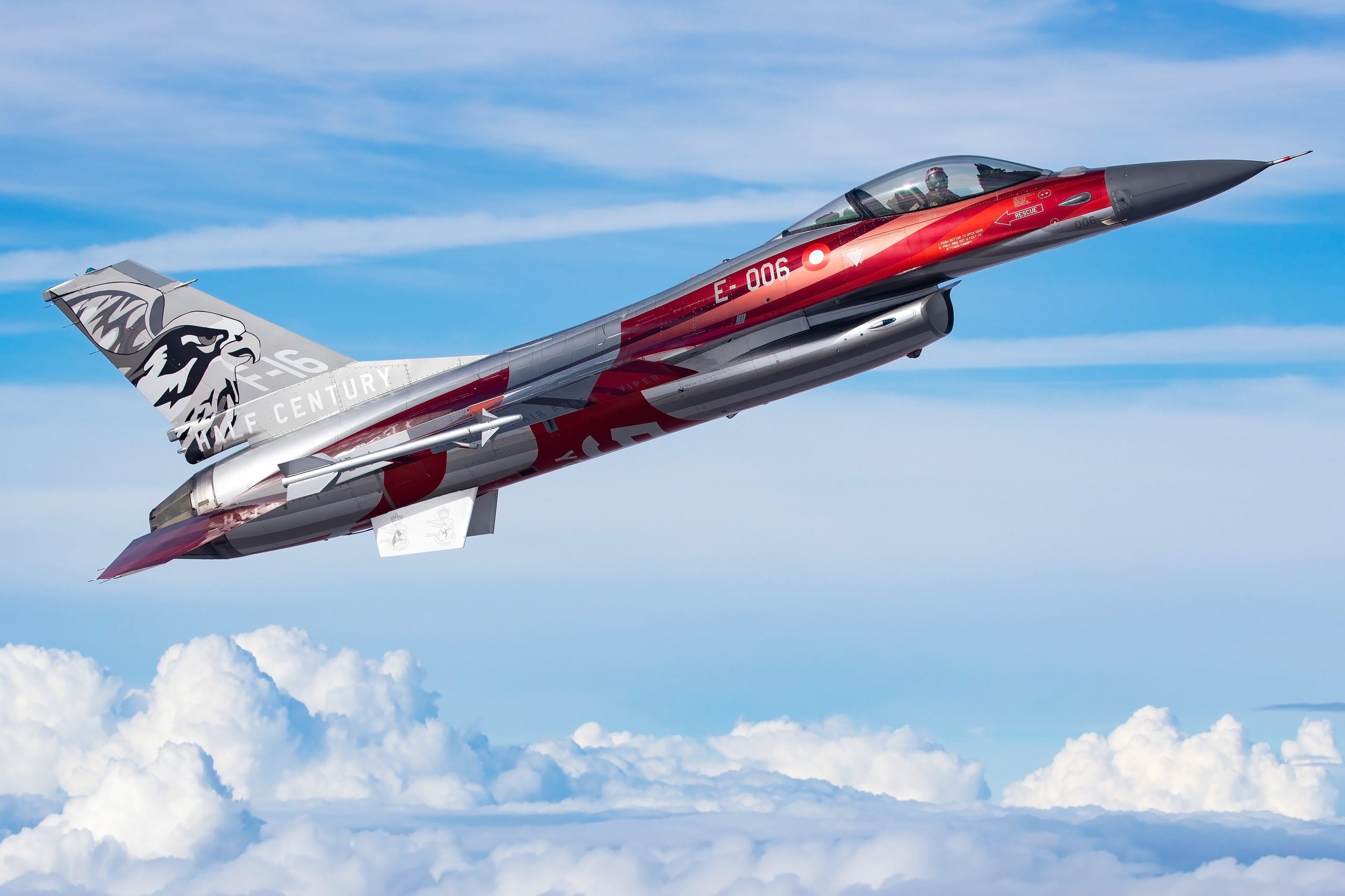
The one situation where the geometry works against you is arrivals earlier in the day, and static aircraft parked so that you end up shooting toward the sun. Looking north with an early sun low in the east, aircraft approaching from certain directions can be backlit, which throws their near side into shadow. You have three options: expose for the aircraft and accept a brighter sky, wait for the aircraft to turn into better light, or lean into it and shoot a deliberate backlit silhouette with the sun flaring behind a canopy or a smoke trail. None is wrong. The mistake is not noticing until you get home.
Metering for a bright sky
A bright northern sky will fool an averaging meter into underexposing the aircraft, leaving you with a grey aeroplane against a white sky. The fix is to add exposure, usually somewhere between two thirds and one and a third of a stop of positive compensation for an aircraft against bright cloud or haze, and to check your histogram rather than the rear screen in daylight. Our detailed guide to the best camera settings for airshows covers metering and exposure compensation in more depth and is a useful companion to this section.
How the light changes through the day
Early and late in the day the light is warmer and lower, which flatters aircraft and adds modelling to the fuselage. The harsh, flat light of the middle of the day is less kind but is often when the headline jets fly. Do not put your camera away when the light is hard. Instead, shoot tighter, use the sky as a clean backdrop, and save the wider, more atmospheric frames for the softer light at the ends of the day.
The gear that works at RIAT
You do not need the most expensive kit to shoot RIAT well, but you do need the right kit for the distances involved. The flying happens some way out, and the static line is long and crowded, so the gear that works is the gear that gives you reach in the air and flexibility on the ground.
Bodies
Any modern camera with fast, reliable continuous autofocus and a decent frame rate will do the job. Aircraft against sky are actually a friendly subject for autofocus, because there is high contrast and little to distract the system. What matters more is buffer depth and card speed, because you will shoot long bursts. If you have two bodies, take both. The reason is not vanity, it is that swapping lenses in a dusty, crowded environment costs you shots and risks your sensor.
Lenses
For the flying display, reach is everything. A 100-400mm zoom on a full-frame body is the sensible baseline and covers most passes. A 150-600mm gives you more for high or distant items and for picking out detail, at the cost of weight and a slower aperture. On an APS-C body the crop works in your favour, effectively extending your reach. For the static park and for wide shots of the crowd and the flightline, a mid-range zoom in the 24-105mm class is invaluable because you often cannot step back far enough to fit a large aircraft in with a long lens.
If you are still choosing glass, our guide to the best lenses for aviation photography compares the realistic options across systems and budgets. The short version for RIAT is: one long zoom for the air, one standard zoom for the ground, and two bodies if you can so you never have to choose between them at the wrong moment.
Support and extras
Handholding a long lens all day is tiring and costs sharpness as your arms fatigue. A monopod takes the weight without pinning you in place, which matters when you need to swing to follow a fast pass. Our comparison of monopods versus handholding for long lenses weighs up when each makes sense. Beyond that, take more batteries and cards than you expect to need, a rain cover for a wet crowd line, and a cloth for the dust that comes with a busy airfield.
| Role | Body | Lens | Used for |
|---|---|---|---|
| Air, long reach | Higher frame-rate body | 100-400mm or 150-600mm | Flying display, distant passes, detail |
| Ground and wide | Second body | 24-105mm class | Static park, whole-aircraft shots, crowd and context |
Camera settings for the flying display
There is no single correct setting for an airshow, because a jet and a propeller aircraft want opposite things from your shutter. The skill is knowing which regime you are in and switching quickly. Here is a starting framework, followed by a reference table you can commit to memory.
Start with the shutter
Shutter speed is the decision that drives everything else, because it controls both motion blur and how a propeller or rotor looks. For a jet, you want the airframe frozen, so 1/1000 second or faster is the baseline and 1/1600 or higher for the fastest passes. For anything with a propeller or rotor, a fast shutter freezes the blades into an unnatural, stopped disc that makes the aircraft look dead, so you deliberately slow down to 1/125 to 1/250 second to let the blades blur.
Aperture, ISO and drive
An aperture of f/6.3 to f/8 gives a little depth of field margin so a slight focus miss still lands, and it is where most long zooms are at their sharpest. Set ISO to keep your shutter where you want it, using Auto ISO with a minimum shutter speed if your camera allows it, so the exposure looks after itself while you concentrate on tracking. Use continuous autofocus and a high-speed burst, but fire in controlled bursts of a few frames rather than holding the button down for a whole pass, or you will drown in near-identical files.
Which mode
Shutter priority is the simplest way to lock the one thing that matters and let the camera handle the rest, and it is a fine choice for a busy day. Manual with Auto ISO gives you the same control over shutter and aperture while still adapting to changing light, and is what many experienced shooters use. Aperture priority works too, as long as you keep half an eye on the shutter speed it gives you. For a deeper look at autofocus modes and tracking, our guide to how to photograph fast jets goes further than there is room for here.
| Subject | Shutter speed | Aperture | Focus and drive | Why |
|---|---|---|---|---|
| Fast jets, clean passes | 1/1000 to 1/2000s | f/6.3 to f/8 | Continuous AF, high burst | Freeze the airframe sharply |
| Fast jets, afterburner detail | 1/1250s or faster | f/7.1 to f/8 | Continuous AF, single point | Hold shape of the burner plume |
| Propeller aircraft and warbirds | 1/125 to 1/250s | f/8 to f/11 | Continuous AF, pan smoothly | Blur the disc so it looks alive |
| Helicopters | 1/125 to 1/200s | f/8 to f/11 | Continuous AF, pan | Full rotor blur |
| Display teams, formations | 1/640 to 1/1000s | f/7.1 to f/8 | Continuous AF, wider frame | Sharp jets, room for the shape |
Shooting fast jets and afterburner passes
Fast jets are the reason many people come to RIAT, and they are the hardest thing to shoot well. They are quick, they arrive from unexpected directions, and the most dramatic moments last a second or two. Getting them right is mostly about tracking and anticipation, not settings.
Tracking and panning
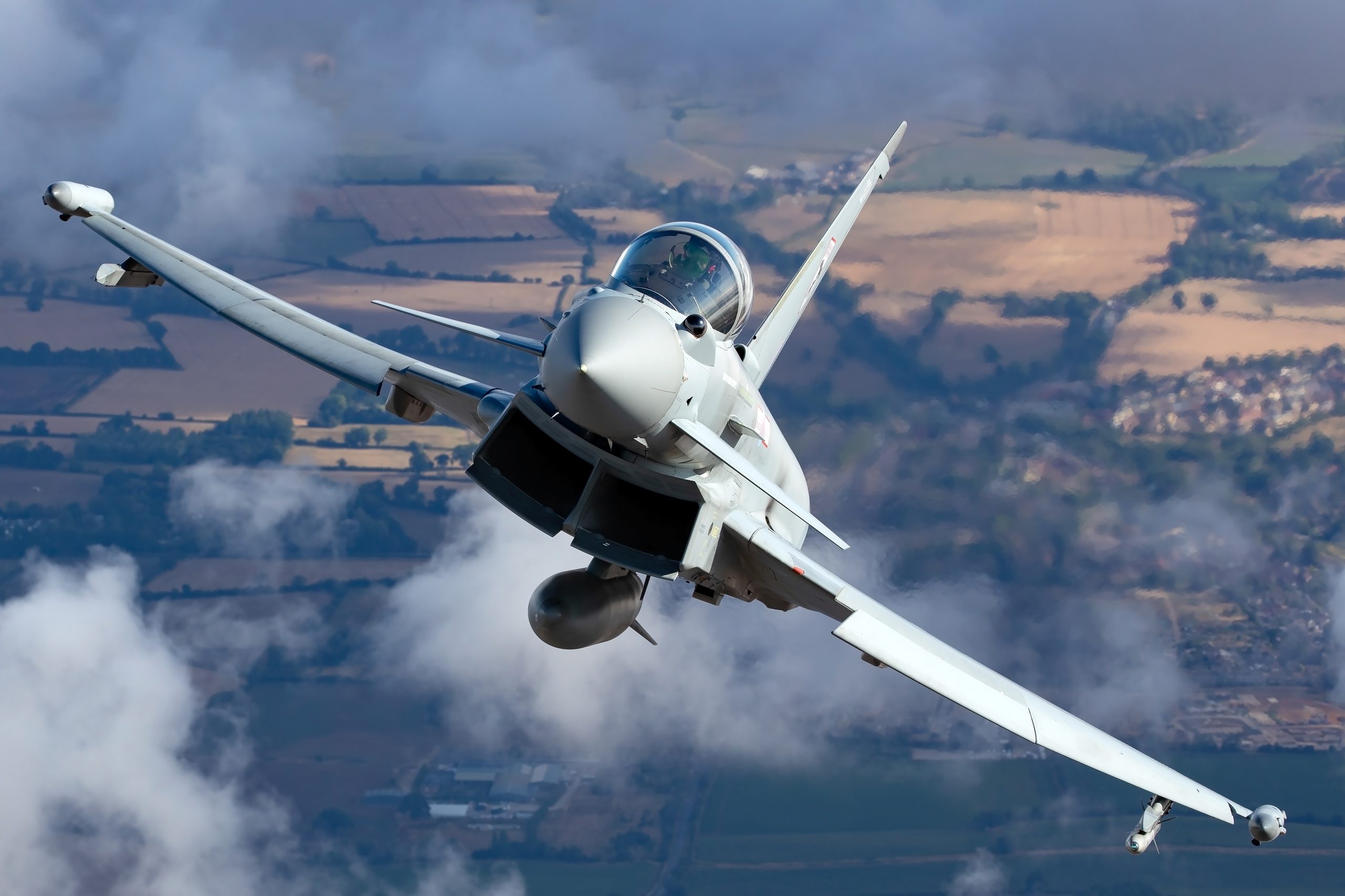
Pick the aircraft up early, ideally as it enters the display area, and start tracking before you need the shot. Keep both eyes open where you can, one on the viewfinder and one on the sky, so you can see the jet coming before it fills the frame. Move from the hips and follow through after you press the shutter, exactly as you would swinging a shotgun at a moving clay. A smooth pan started early is the single biggest factor in sharp jet shots.
Anticipate the moment
Displays follow a rhythm. Fast passes tend to come from one end, high manoeuvres over the centre, and the pilot repositions out to the side between elements. Once you have watched the first pass or two you can predict where the aircraft will be and pre-frame for it. Head-on passes toward the crowd centre are the money shots, so if you are anywhere near the centre, be ready for them and leave a little room in the frame in case the jet is closer than you expect.
Afterburner and vapour
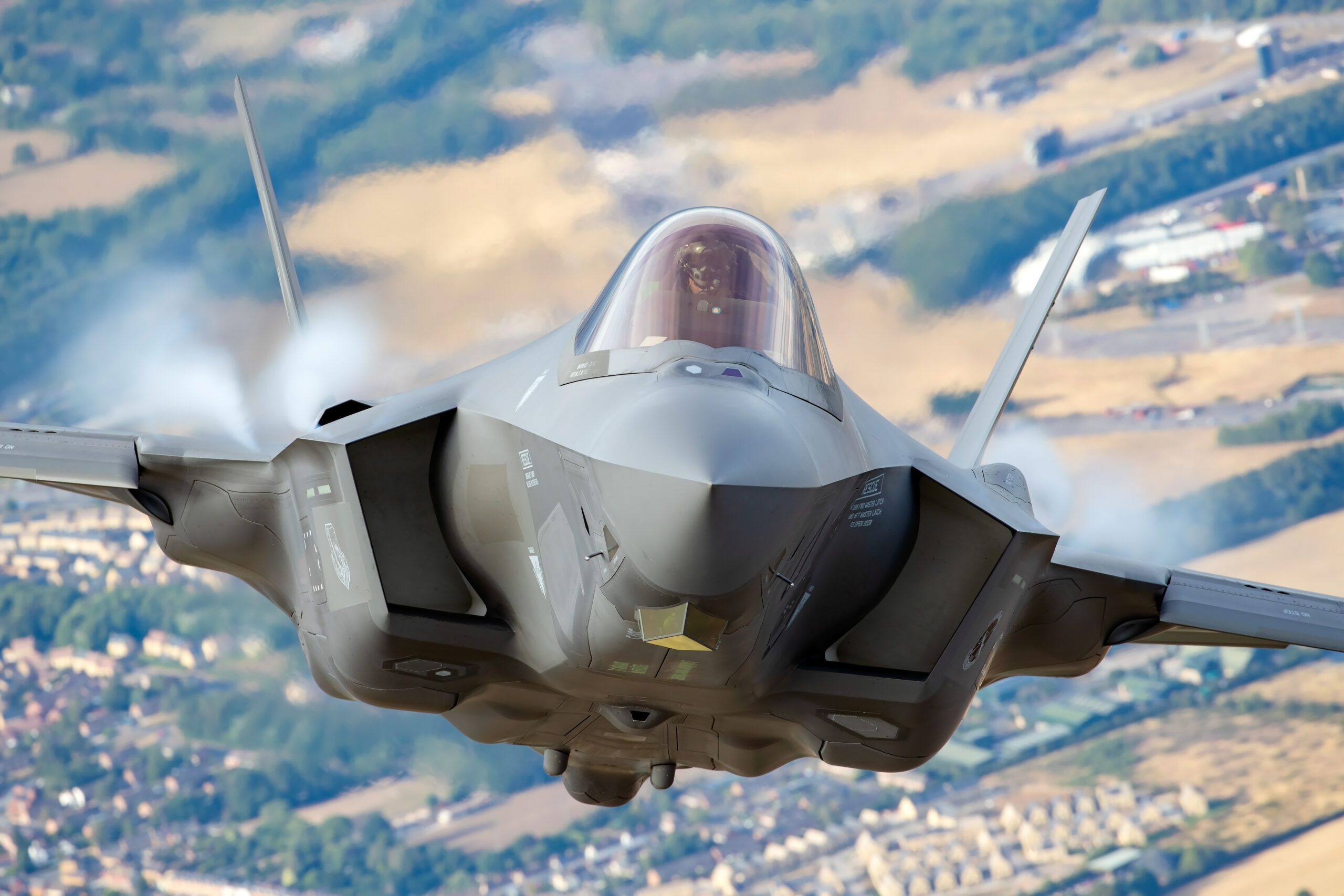
On a humid day, fast jets pulling hard produce vapour over the wings and a cone of condensation as they go transonic, and in the shade of certain passes you can see the orange glow of the afterburner. These are the frames that make a set. To hold the shape of a burner plume, keep your shutter at 1/1250 or faster and expose so the bright flame is not completely blown out. Vapour is fleeting, so a burst gives you the best chance of catching it at its fullest.
Topside and banking shots
The most three-dimensional jet images show the top of the aircraft as it banks toward the crowd. Position yourself where the aircraft rolls into you, watch for the turn, and be patient. A jet flat against the sky is a record shot. A jet banked to show its planform, ideally with a little haze of vapour, is a photograph.
Props, warbirds and rotary
RIAT is not only jets. Warbirds, turboprops, transports and helicopters all appear, and each needs a different approach from the fast-jet regime. The common thread is that anything with a turning propeller or rotor looks wrong if you freeze it, so you have to slow down and pan.
Propeller blur
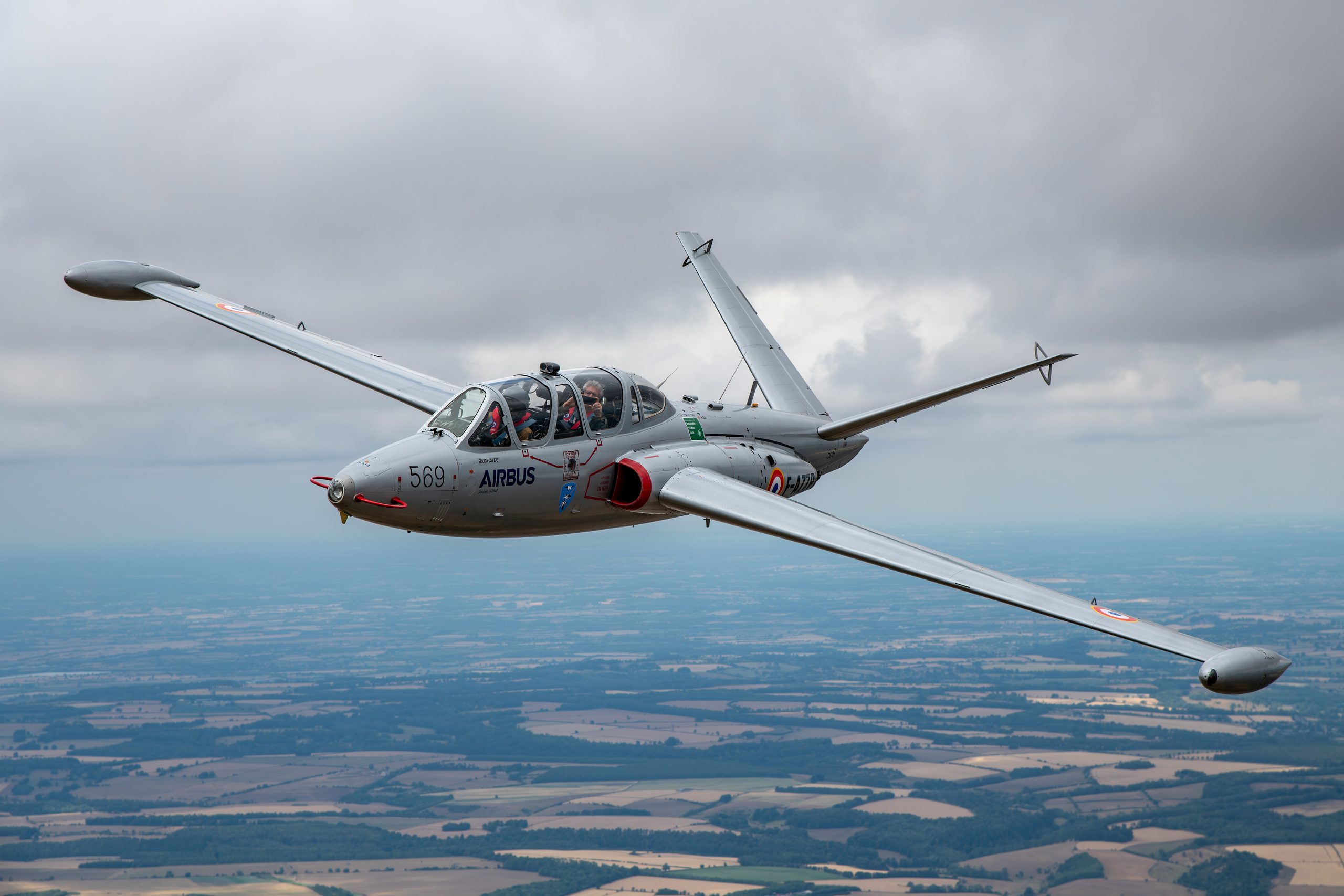
A piston warbird or a turboprop with its propeller frozen into a static cross looks lifeless, as though the engine has stopped. The fix is to drop your shutter speed to around 1/125 to 1/200 second so the blades sweep into a natural arc. This means you have to pan accurately, because at that speed any error in tracking shows as blur on the fuselage, not just the propeller. It takes practice, and your keeper rate will be lower than with jets, but a warbird with a full, smooth disc is worth the misses. Our dedicated piece on airshow camera settings includes a propeller blur reference if you want to drill the numbers.
Helicopters
Helicopters are the most demanding of all because the rotor is large and turns relatively slowly, so you need a really slow shutter, around 1/125 second or below, to get full blur across the disc. That is slow for a moving subject, so your panning has to be very smooth. Start with a slightly higher shutter to build confidence, then wind it down as you get the feel of the aircraft’s speed. A helicopter frozen with a stopped rotor is one of the most common beginner mistakes at an airshow.
Transports and large aircraft
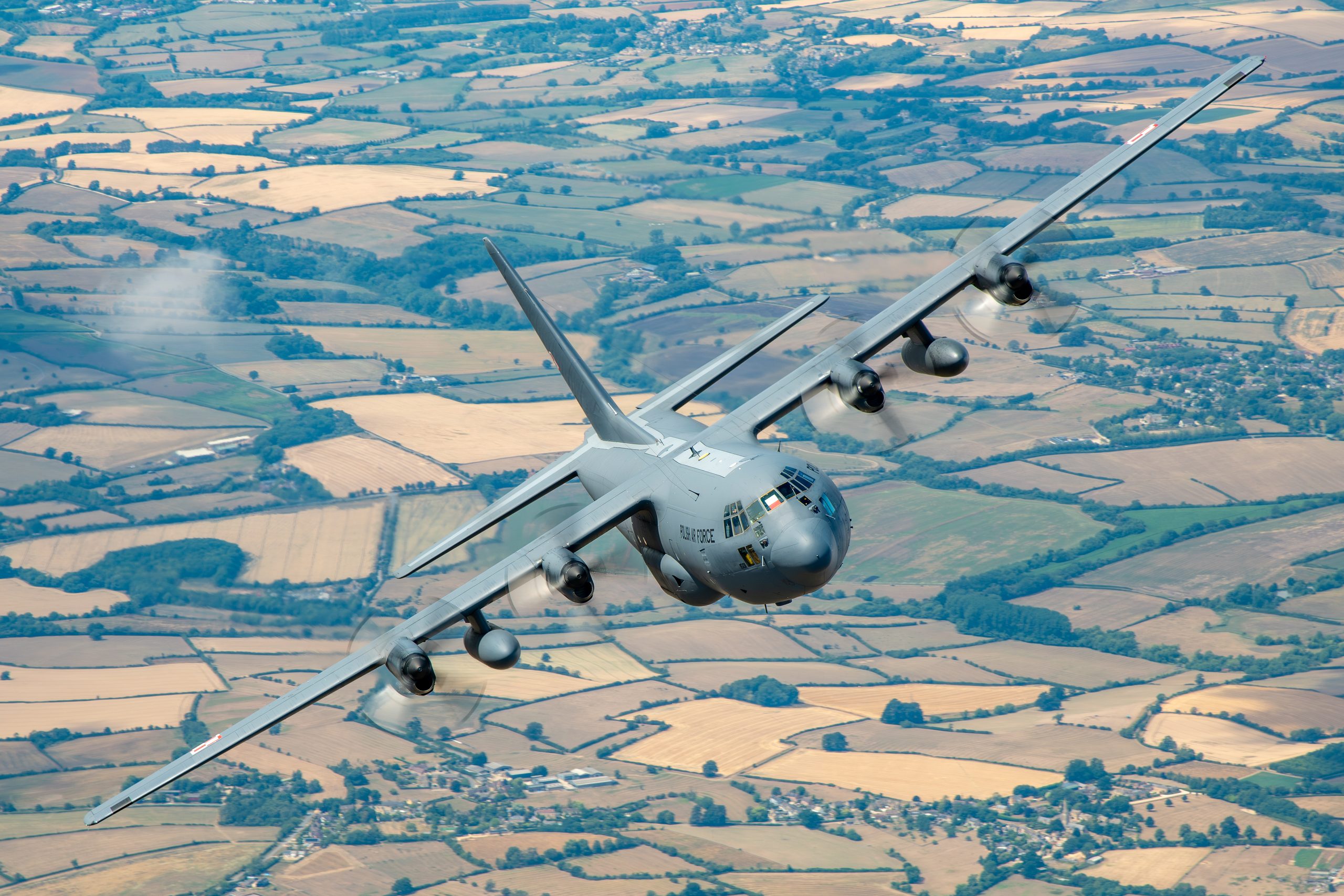
Big multi-engine transports display with more grace than their size suggests, banking and making topside passes that show off their planform. They fill the frame more easily, so watch your composition and leave room, and be ready for the surprisingly tight turns some crews fly. With four turning propellers, the same blur rules apply, so keep the shutter down and pan.
Display teams and formations
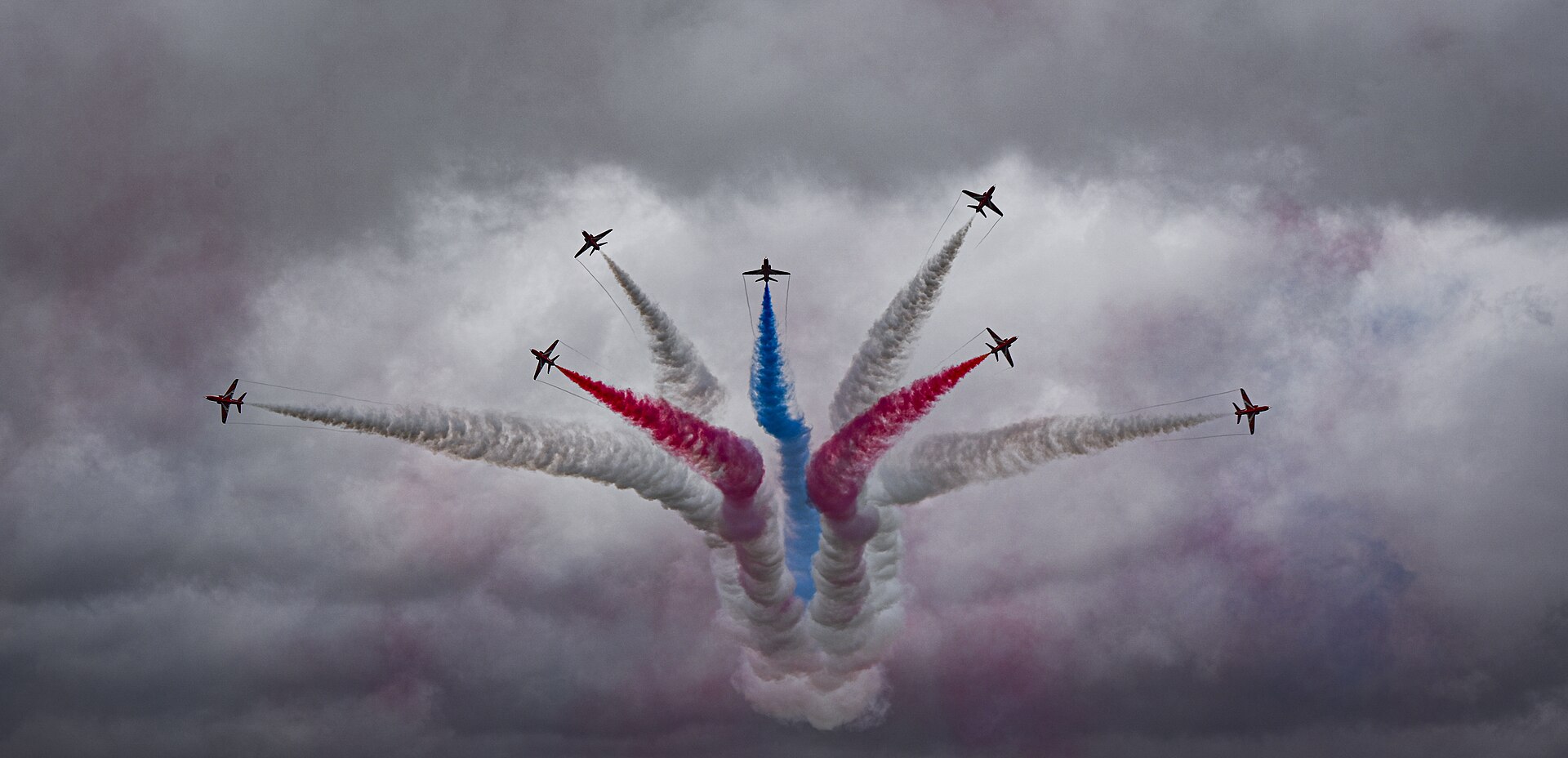
Formation displays such as national aerobatic teams are a compromise. You want the aircraft sharp, which argues for a faster shutter, but you also want to show the shape of the formation, which argues for a wider frame. Around 1/640 to 1/1000 second keeps jets sharp while you frame the whole team, and a slightly wider focal length gives the smoke and the geometry room to breathe. Our guide to photographing the Red Arrows goes into formation timing and framing in detail and applies to any display team you meet at Fairford.
The static park: making the most of parked aircraft
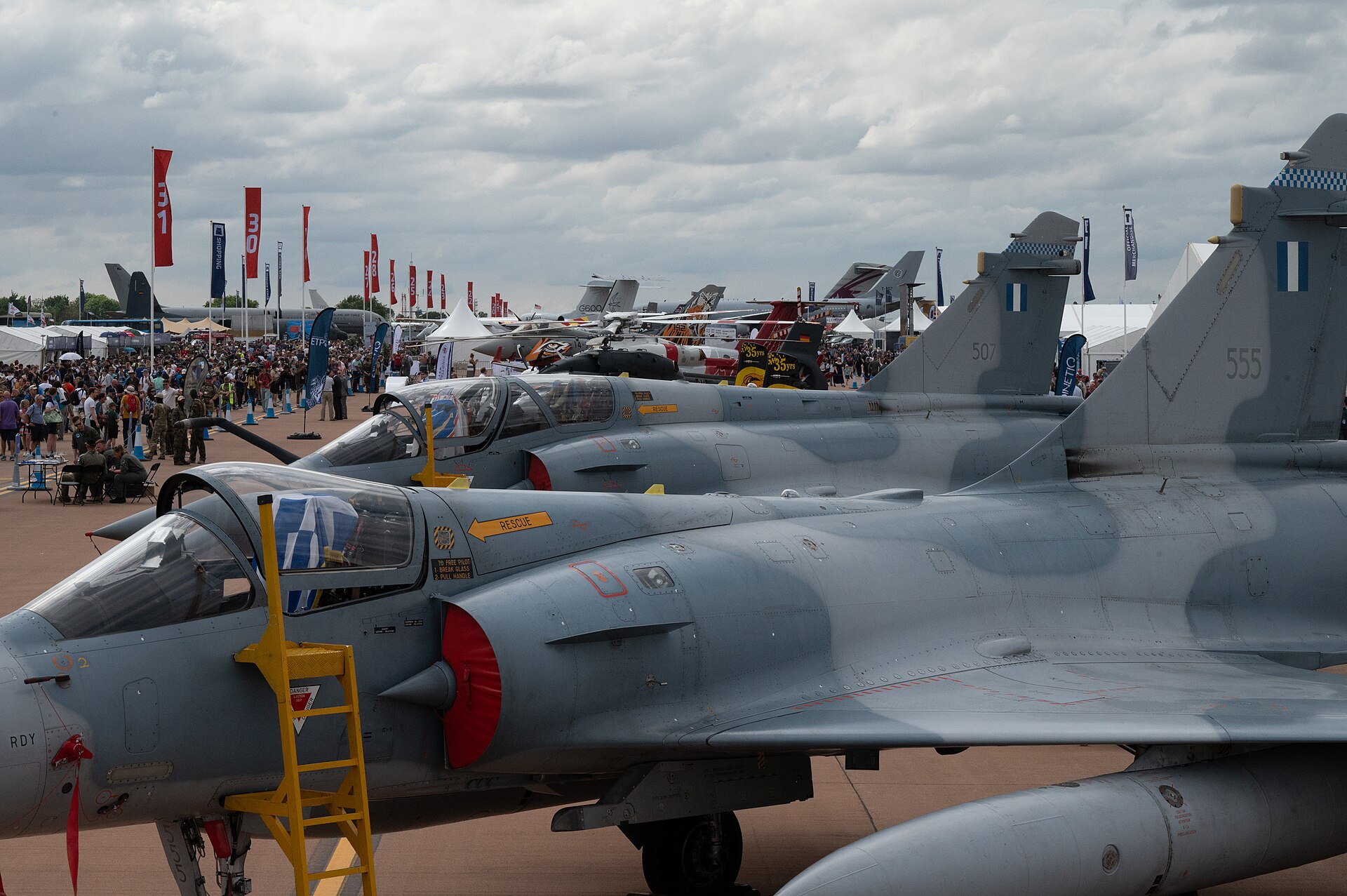
The static display at RIAT is a show in its own right. With a line that has stretched close to two miles and gathered types you rarely see on the ground in the UK, it is a chance to document aircraft in detail that the flying display never allows. It is also crowded, cluttered and lit by a high midday sun, so it needs its own approach.
Shoot the static early or late
The static park is busiest in the middle of the day, exactly when the light is harshest and the crowds are thickest. If you can, walk the line early before it fills, or late when people drift toward the flying. Fewer people means cleaner shots and room to compose. Early and late light is also kinder to the metalwork, adding modelling instead of the flat glare of noon.
Fighting the clutter
Parked aircraft sit among barriers, ropes, ground equipment, signage and a constant flow of visitors. A full-length shot of a large aircraft with all of that in the frame rarely works. Two tactics help. First, go tight: shoot details, nose art, cockpits, undercarriage, engine intakes and squadron markings, which turn clutter into a non-issue because you simply exclude it. Second, use a low angle and a wider lens to place the aircraft against the sky and lift it above the crowd. A mid-range zoom is far more useful here than your long lens.
Details and markings
The variety of air arms at RIAT means the markings on show are unusually rich. Tail art, special schemes, unit badges and serials are worth photographing in their own right, both as images and as reference. If you file and keyword carefully, these detail shots become a valuable archive. It also helps to note the type, operator and serial while you are there, because sorting it out from memory weeks later is far harder than it sounds.
Arrivals and departures days
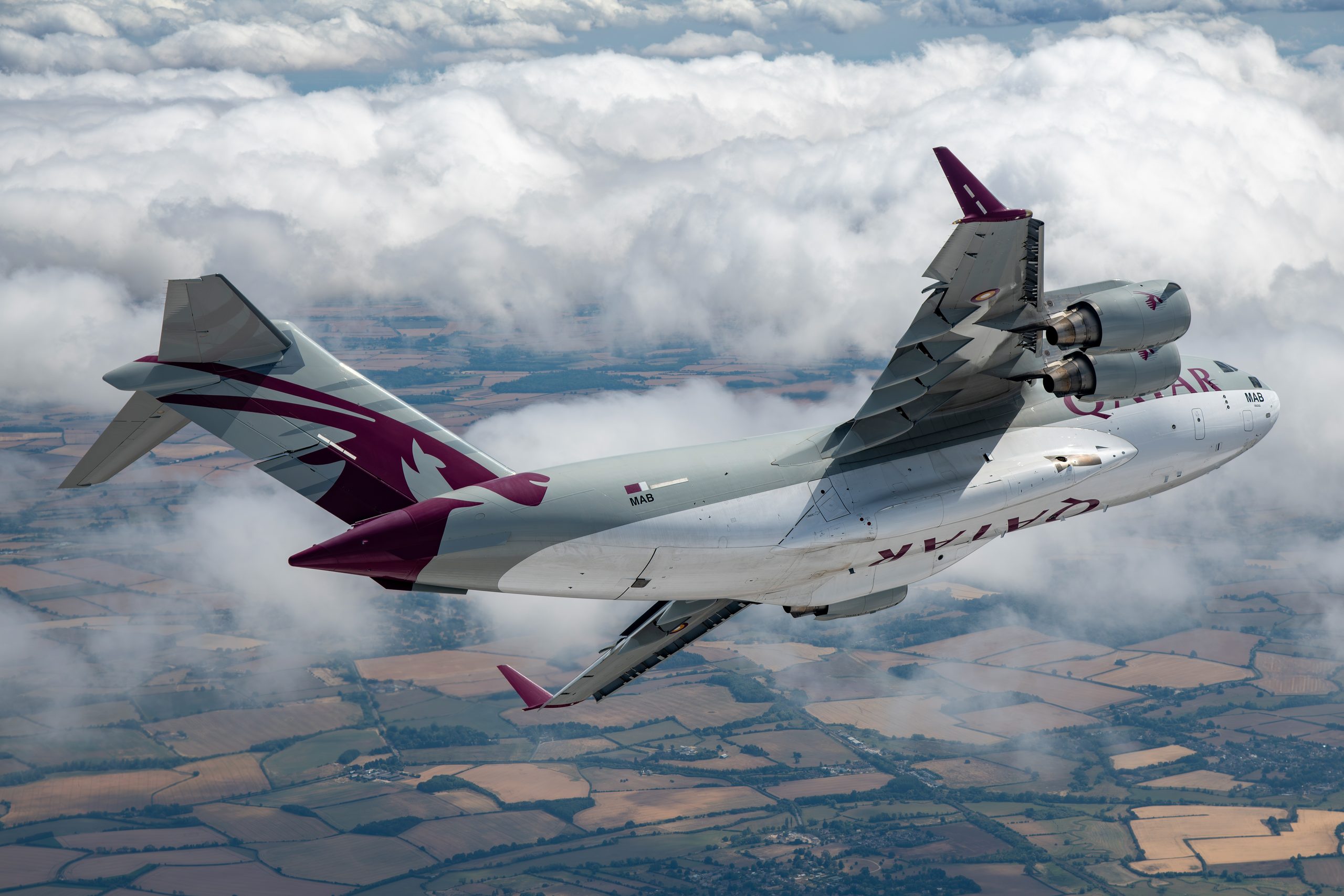
Some of the best photography at RIAT happens on the days either side of the public show, when aircraft arrive and later depart. Arrivals days in particular are a favourite among enthusiasts, because aircraft come in one after another, often flying in from long distances, and you can shoot them landing without the pressure of a packed display timetable.
Park and View
To watch arrivals and departures, RIAT operates Park and View enclosures around the airfield. These typically open at 7.30am, closing at 7.30pm on the Wednesday and Thursday and at 6pm on the Monday and let you watch aircraft come and go from vantage points close to the action. On the public show days themselves the Park and View areas are closed, because the showground is open to ticket holders, so Park and View is really an arrivals and departures experience rather than a show-day one.
Why arrivals reward photographers
Arrivals give you landing shots, taxiing shots and the chance to catch types before the crowds and the haze build up. The pace is slower and more predictable than the display, so you have time to think about composition and light. It is also often quieter, so you can move to find the best angle. If you are serious about a complete set of images from a visit, the arrivals day can be more productive than the show itself.
Departures
Departures, usually on the Monday after the weekend, are the other bookend. Aircraft leave through the day, and some crews put in a spirited departure that is worth staying for. The light later in the day can be lovely, and the crowds are thinner than at any other point in the week. The trade-off is that you commit an extra day, and departures can be spread out with long gaps between aircraft, so patience is required.
Weather, heat haze and crowds
A July airshow in England throws two opposite problems at you, sometimes on the same day: brilliant sun that brings heat haze, and grey cloud or rain that flattens everything. Both are manageable if you know what you are dealing with.
Heat haze
On a hot day, the air above a warm runway shimmers, and long lenses see straight through that shimmer. The result is soft, wobbly images of anything low and distant, no matter how good your technique or your glass. Heat haze is worst when shooting across a long stretch of hot tarmac at a low subject in the middle of the day. There is no fix in software, so you work around it. Shoot subjects when they are higher and against sky rather than low over the runway, favour the cooler start and end of the day for distant work, and accept that some low taxiing shots simply will not be sharp. Knowing this stops you blaming your kit for something physics is doing.
Grey days and rain
A flat grey sky is not the disaster it feels like. It is soft, even light with no harsh shadows, which suits detail shots and can look moody behind a dark military jet. The problem is a white, featureless sky behind the aircraft, so shoot tighter to reduce the amount of blank sky, and add exposure so the aircraft does not turn into a silhouette. If it rains, a rain cover and a lens cloth keep you shooting, and wet weather can produce dramatic, atmospheric images that a blue-sky day never will. Keep your kit dry between shots and wipe the front element often.
Crowds
RIAT draws very large crowds, commonly in the range of 150,000 to 200,000 over the weekend. That affects your photography directly. Heads appear in the bottom of low frames, people walk through your shot, and moving along the line is slow. The answers are the ones already covered: arrive early for a front position, shoot slightly upward to keep heads out of frame, and be patient and courteous when moving. A monopod rather than a tripod keeps your footprint small in a packed crowd.
Common mistakes and how to avoid them
Most disappointing RIAT sets fail for the same handful of reasons. None of them are about talent, and all of them are avoidable once you know to look for them.
Freezing propellers and rotors
The most common mistake is leaving a fast shutter on for a warbird or helicopter, which stops the blades dead and makes the aircraft look broken. Get into the habit of dropping your shutter the moment a propeller or rotor subject is due, and putting it back up for the next jet.
Underexposed aircraft against a bright sky
The second most common mistake is trusting the meter against a bright sky, which leaves the aircraft dark and grey. Dial in positive exposure compensation for aircraft against cloud or haze and check the histogram. It is easier to recover a slightly bright sky than to rescue a muddy, underexposed aeroplane.
Arriving late
Turning up after the gates have been open for hours means shooting from the back over a wall of heads, in worse positions and often worse light. The fix costs nothing but an early alarm. Arrive when the car parks open and walk in to claim a spot.
Holding the shutter down for whole passes
Machine-gunning every pass fills your cards and your evening with thousands of near-identical frames to sort. Fire controlled bursts at the moments that matter, the head-on, the topside roll, the vapour, rather than blazing away continuously. You will get the same keepers and a fraction of the culling.
Ignoring the background
A sharp aircraft in front of a cluttered hangar or a crane is a weaker image than a slightly softer one against clean sky. Watch what is behind your subject, especially on low passes, and choose your moment or your framing to keep the background clean.
Chimping through the display
Reviewing every frame on the rear screen means missing the next pass. Trust your settings, check occasionally between display items, and keep your eye on the sky while aircraft are flying. You can review at length over a cup of tea afterwards.
Editing, keeping and licensing your shots
The work does not end when the last aircraft departs. A big airshow generates thousands of frames, and how you handle them afterwards decides whether the day turns into a usable set or a folder you never open again.
Cull hard, then edit
Be ruthless in the first pass. For each pass or manoeuvre, keep the sharpest, best-composed frame and bin the rest. It feels wasteful to delete a burst of near-identical shots, but a tight edit of your best work is far more valuable than a hard drive of duplicates. Only once you have your keepers should you spend time on careful editing.
A sensible processing approach
Shoot raw so you can recover highlights in a bright sky and lift shadows on a backlit aircraft. In editing, set a clean exposure and white balance first, then add contrast and clarity to make the aircraft stand out from the sky. Long-lens shots usually need careful sharpening, and high-ISO frames from a grey day may need noise reduction. Crop for composition, but remember that heavy cropping on an already distant subject exposes softness, so get it right in camera where you can.
Keywording and archiving
If you want your images to be findable, and especially if you ever want to license them, keyword them properly with type, operator, serial, location and date while the details are fresh. A well-keyworded archive is the difference between a photograph you can find and sell and one lost in a folder called July. Note the aircraft details on the day so you are not guessing later.
Licensing and using your images
Images shot at a public airshow can generally be licensed for editorial use, meaning news, comment and education, without model or property releases. Commercial uses such as advertising are different and usually need releases and permissions, and some markings and schemes carry their own restrictions. If you are curious how professional aviation images are licensed and used, the Piemags licensing page explains the options, and you can see finished work in the aviation galleries for a sense of what a strong, well-edited set looks like.
Pictures made at the Air Tattoo have a licensing life long after the show. Our guide to licensing Red Arrows photographs works through a set made air to air at the 2018 event, and the rights a commercial user has to clear before using them.
Frequently asked questions
Is RIAT taking place this year?
The 2026 Royal International Air Tattoo was cancelled, in an announcement made on 22 May 2026, because RAF Fairford was in use by the United States Air Force and access to the airfield could not be guaranteed in time. The show had been scheduled for 17 to 19 July 2026. The organisers, Royal Air Force Charitable Trust Enterprises, confirmed that RIAT will return to RAF Fairford on 16 to 18 July 2027. Ticket holders were offered a rollover to 2027, a full refund, or the option to donate the ticket cost to the charity. Always confirm the current status against official announcements before booking travel.
What lens do I need for RIAT photography?
For the flying display you want reach. A 100-400mm zoom on a full-frame body is the sensible baseline and covers most passes, while a 150-600mm gives you more room for high or distant items at the cost of weight. On an APS-C body the crop factor extends your reach further. For the long static line and wide context shots, a mid-range zoom such as a 24-105mm is invaluable because you often cannot step back far enough to fit a big aircraft in with a long lens. Carrying two bodies, one long and one standard, saves you swapping lenses in the crowd.
Where is the best place to stand for photography at RIAT?
The crowd centre is the focal point where display aircraft line up their manoeuvres and fly head-on passes toward the crowd, which makes it the most sought-after spot and the first to fill. Fairford runs roughly east to west with the public on the south side looking north, so the sun sits behind you for much of a summer afternoon. The crowd-centre grandstand and enclosure there are the FRIAT membership area rather than a general photographers’ area. If you want the classic head-on and topside frames, aim for the centre and arrive early. Standing further along the line gives you banking and turning shots instead.
What camera settings should I use at RIAT?
Let shutter speed lead. For jets, use 1/1000 second or faster to freeze the airframe, and 1/1250 or faster to hold the shape of an afterburner plume. For propeller aircraft and warbirds, drop to 1/125 to 1/250 second so the blades blur and the aircraft looks alive, and for helicopters go to around 1/125 or below for full rotor blur. Use continuous autofocus and a high burst rate, set aperture around f/6.3 to f/8, and let ISO float with Auto ISO. Shutter priority or manual with Auto ISO both work well.
Can I sell the photos I take at RIAT?
Images shot at a public airshow can generally be licensed for editorial use, meaning news, comment and education, without model or property releases. Commercial use such as advertising usually needs the appropriate releases and permissions, and certain squadron markings or special schemes can carry their own restrictions. If you are unsure, keep the use editorial or seek the correct licence. The Piemags licensing page explains how professional aviation images are licensed if you want the detail.
What time should I arrive at RIAT?
Car parks typically open around 06:00 and the showground gates at about 07:30, so arriving at the car park between 06:30 and 07:00 gives you time for the long walk to the crowd line before the best positions fill. On the days either side of the show, the Park and View enclosures open from 7.30am, closing at 7.30pm on the Wednesday and Thursday and 6pm on the Monday for watching arrivals and departures. Early is always better at RIAT, both for position and for light.
RIAT asks a lot of a photographer. It is a long day, the distances are real, and the weather and the crowds can work against you. But no other show puts this many aircraft, this many air forces and this much display variety in front of you at once. Plan your arrival, understand the light, match your shutter to your subject, and treat the arrivals days and the static park as part of the shoot rather than an afterthought. Do that and you will come home from Fairford with the frames that make the early start and the aching arms worth it.
When is RIAT 2027 and are tickets on sale?
RIAT 2027 takes place from 16 to 18 July 2027 at RAF Fairford, and tickets are on sale through airtattoo.com. The organiser has also confirmed dates to 2030: 14 to 16 July 2028, 13 to 15 July 2029 and 19 to 21 July 2030.
Is FRIAT worth it for photographers?
For anyone shooting seriously, yes. The six-day Friends of RIAT package covers the Wednesday and Thursday arrivals, all three show days from a reserved grandstand seat at crowd centre, and the Monday departures, and the enclosure has its own facilities. It sells out early most years.
Are stepladders or tripods allowed at RIAT?
Stepladders up to 1.5 metres and small shelters are officially permitted provided they stay more than 10 metres back from the crowd line, and the Park and View enclosures have dedicated stepladder areas. Full-height gazebos and tents are not allowed. There is no specific published ban on monopods or tripods, but the same distance rules apply.
What happened to RIAT 2026 tickets after the cancellation?
Ticket holders were offered three choices: roll the ticket over to RIAT 2027, take a full refund, or donate the ticket value to the RAF Charitable Trust. The rollover kept equivalent access for 2027, which is why FRIAT places for 2027 tightened quickly.
What is the biggest RIAT ever held?
The 2003 edition, which assembled 535 aircraft at RAF Fairford and was recognised by Guinness World Records as the largest military airshow ever staged. Recent editions typically field well over 200 aircraft from around 30 nations.
Which day is best for photography at RIAT?
It depends on what you shoot. Wednesday and Thursday arrivals at Park and View give the closest, cleanest aircraft with no display distances; Friday has a shorter flying programme from around 11am; Saturday and Sunday run the full seven-hour show; and Monday’s mass departures from about 7.30am are the sleeper pick for heavies in morning light.
