Aviation image licensing looks complicated from the outside and is not, once you know that the price follows the use rather than the picture. This is a buyer’s guide: how to find a photograph of one specific aircraft, how to work out which licence your use actually needs, what the permissions are that a photograph licence does not give you, and what the whole thing costs, with a real published price list rather than the usual shrug.
What is on this page
- Who this page is for
- Start with the identity of the aircraft
- How to search for a specific aircraft
- Aviation image licensing: what you are actually buying
- Editorial or commercial, and where the line sits
- The permissions a photograph licence does not give you
- What an aviation photograph actually costs
- What moves the price
- Rights-managed or royalty-free
- A checklist before you pay
- The mistakes buyers make
- How to license an image from us
- Questions people ask
- Sources
Who this page is for
This is written for the person who needs a photograph rather than the person who took one. Picture editors, book and magazine publishers, museum exhibition teams, documentary researchers, model and kit manufacturers, airline and airport marketing departments, aerospace and defence communications teams, and the growing number of people who simply want a good print of the aircraft their father flew.
If you are a photographer wanting to license your own work, you want a different page. Our guide to licensing your aviation photography for stock covers the seller’s side, and the guide to copyright, watermarks and protecting your photographs covers what you own and how to defend it. This page is the other half of that conversation, written from the buyer’s chair.
Aviation image licensing has its own quirks, and they are worth knowing before you start rather than after. The order below is the order the job actually happens in. First work out which aircraft you are looking at, because in this field the identity of the airframe is the search term. Then work out what permission your intended use needs, which is where most of the trouble lives. Then work out what it costs, which is the part everybody wants to start with and which makes no sense until the first two are settled.
Start with the identity of the aircraft
Aviation is unusual among photographic subjects in that almost every individual example carries a unique identifier painted on the outside of it. A picture researcher looking for a landscape has to describe a place. A picture researcher looking for an aircraft can often name the exact airframe, and that changes what searching means.
The difficulty is that aircraft carry several different numbers and people use the words for them interchangeably, including people who should know better. Getting them straight is worth ten minutes because it is the difference between finding the frame and not.
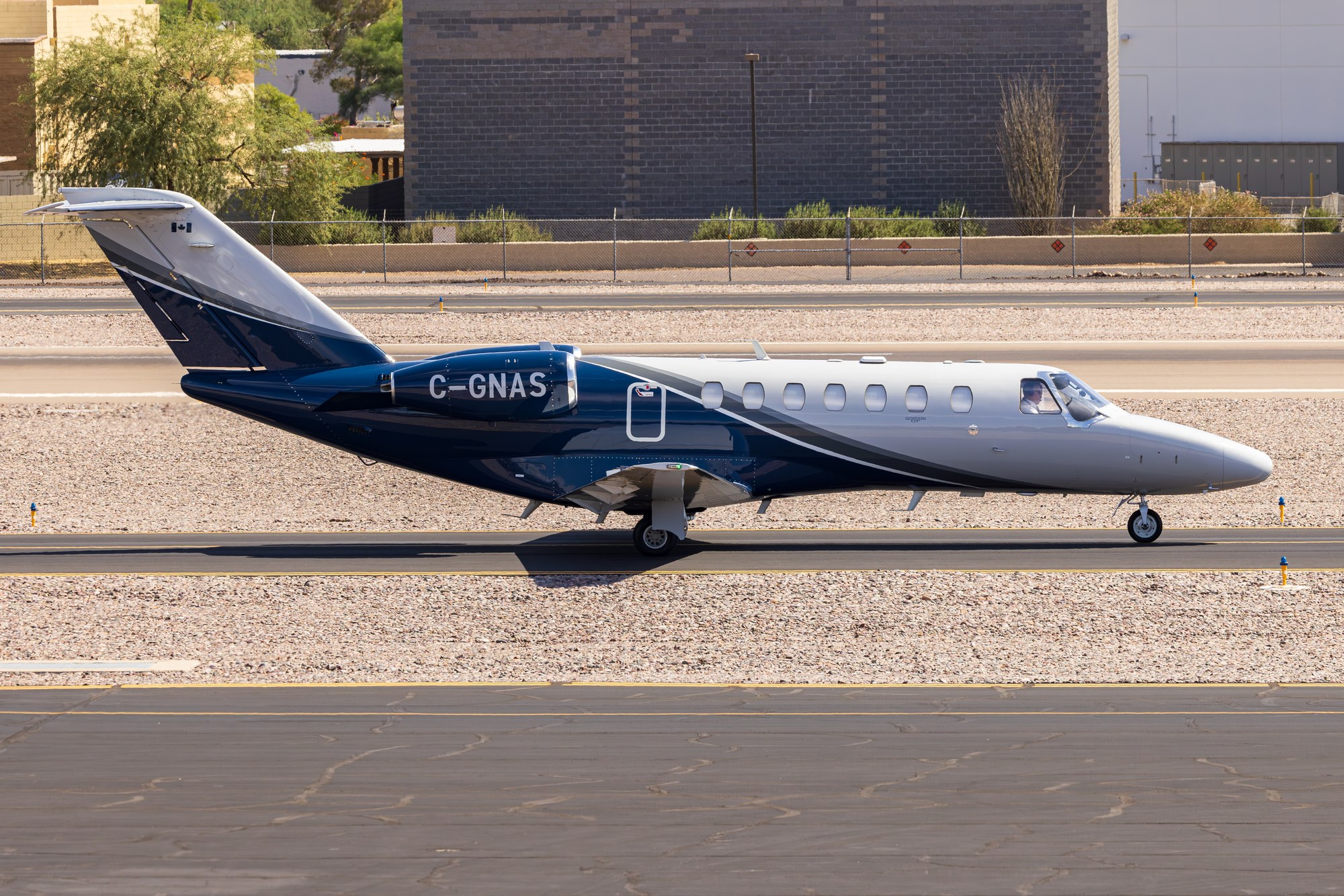
| Registration | The civil identity, allocated by a national authority and painted on the airframe. G-EUYA is a British aircraft, N7877H an American one. It can be transferred and it changes if the aircraft is sold abroad. |
|---|---|
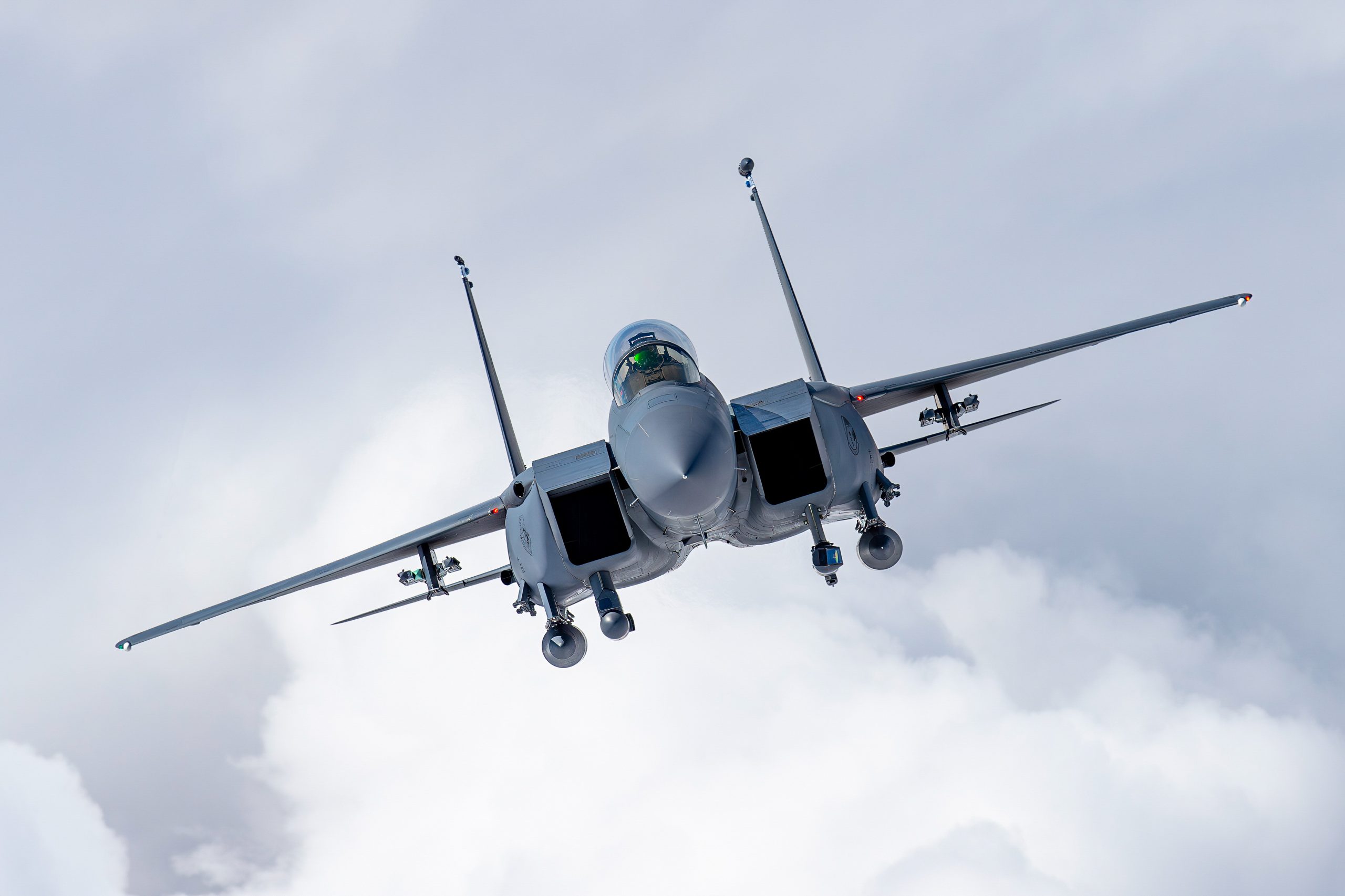
| Serial number | On military aircraft, the identity allocated by the armed force. USAF 91-0302 encodes the fiscal year of the order. RAF serials run in blocks of two letters and three digits, such as ZK020. |
| Construction number | Allocated by the manufacturer and normally fixed for the life of the airframe. Also called the c/n or the MSN, and the nearest thing an aircraft has to a permanent identity. Not the same as the line number, which is a different figure. |
| Line number | An aircraft’s position in the final assembly sequence, counted separately for each programme. Boeing’s 747 line number 1 is construction number 20235, and every Boeing programme has its own line number 1. Useful, but not interchangeable with the construction number. |
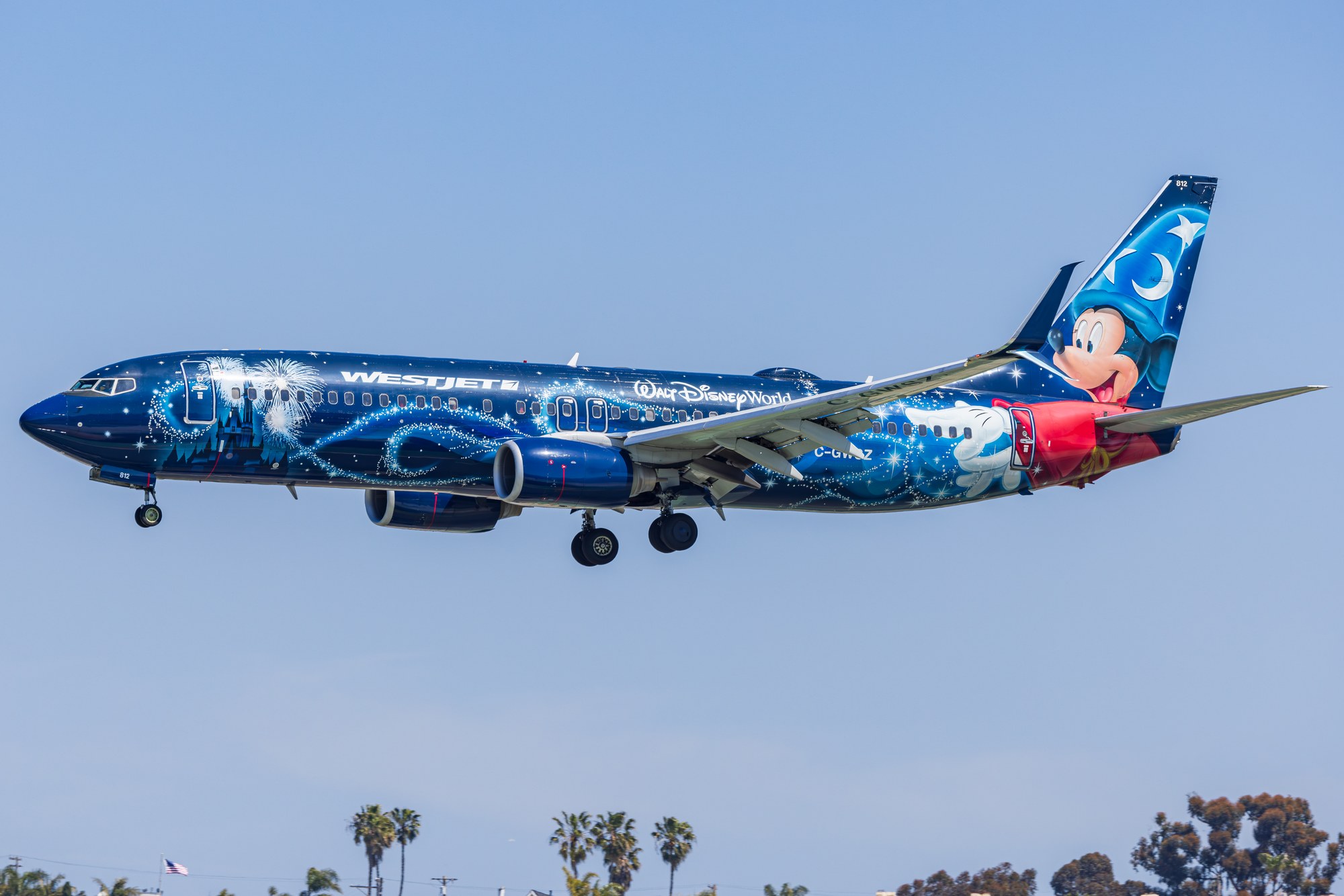
| Fleet number | An operator’s own internal number, often painted small on the fin or nose. Delta and WestJet both use them. Useful, but only within that airline. |
| Military code | A short letter or number carried for squadron identification, such as the LN on aircraft based at RAF Lakenheath, or the single letter K on an RAF Hawk. |
Civil registrations, and the prefix that tells you the country
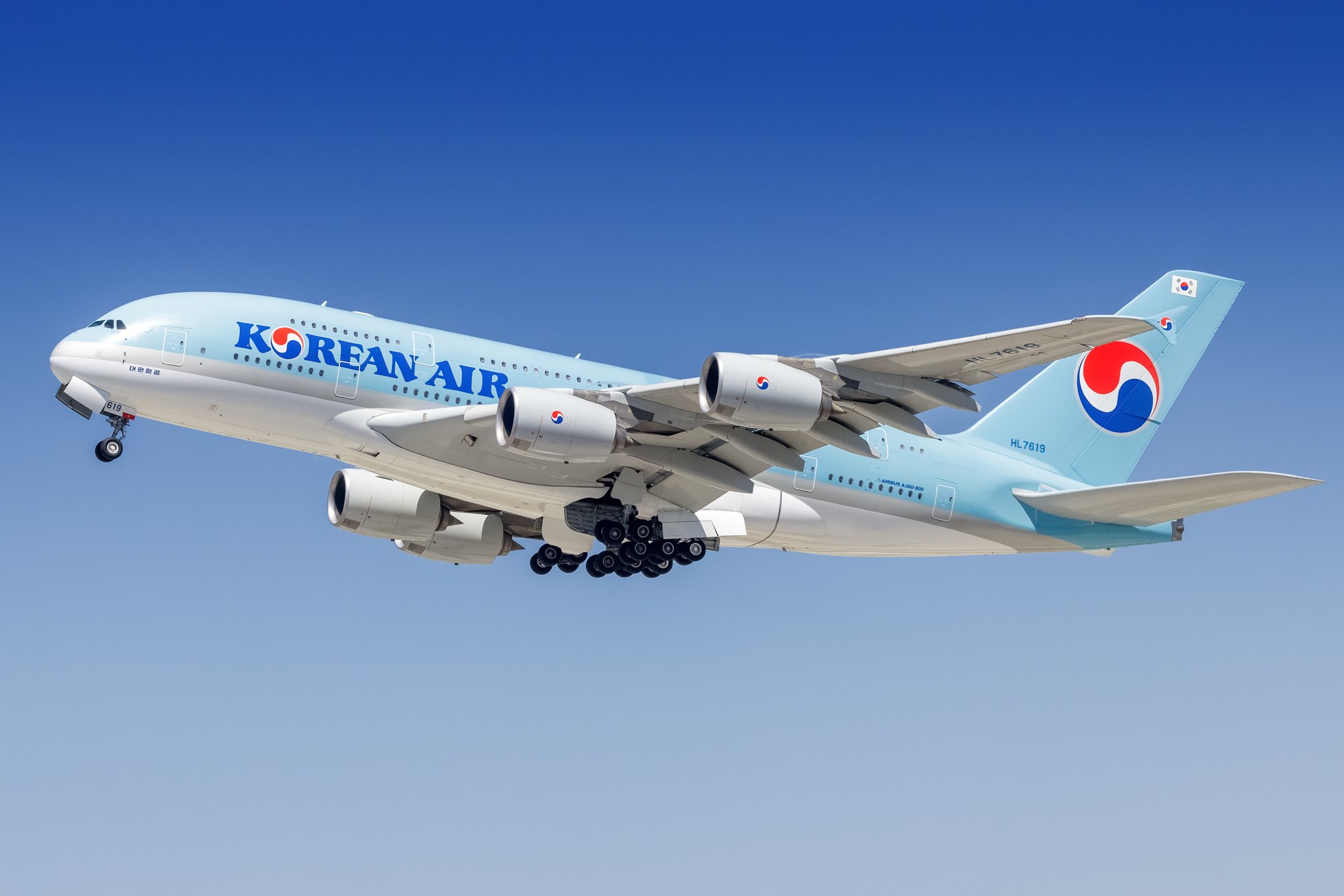
A civil aircraft engaged in international air navigation carries a nationality mark followed by a registration mark, and the nationality mark tells you which country’s register to search. G is the United Kingdom, N the United States, D Germany, F France, HL the Republic of Korea. There are around two hundred of these in use.
Worth getting right, because it is stated wrongly almost everywhere. ICAO’s own wording is that “the nationality mark shall be selected by the State from the series of nationality symbols included in the radio call signs allocated to the State of Registry by the International Telecommunication Union (ITU)”. So the underlying prefixes are allocated by the ITU, as part of the radio call sign series given to each state. Each state then selects its nationality mark from within its own allocated series and notifies the choice to the International Civil Aviation Organization, which publishes the list. ICAO records rather than allocates. The one exception is the common marks in the 4Y series, used by international operating agencies whose aircraft are not on a national register, and those ICAO does allocate.
For a buyer this matters for one practical reason. If you can read the prefix you know which national register will tell you what the aircraft actually is, who owns it and whether it still exists. Two of those registers are free, public, and better than any commercial database:
- The UK Civil Aviation Authority publishes G-INFO, a free search of every aircraft on the UK register, giving type, serial number, registered owner and current status.
- The Federal Aviation Administration publishes the N-Number Inquiry, which does the same for the United States register.
If you have a registration and nothing else, put it into the right national register first. In two minutes you will have the type, the owner and the build number, and those are far better search terms than anything you could have guessed.
Military serials work differently
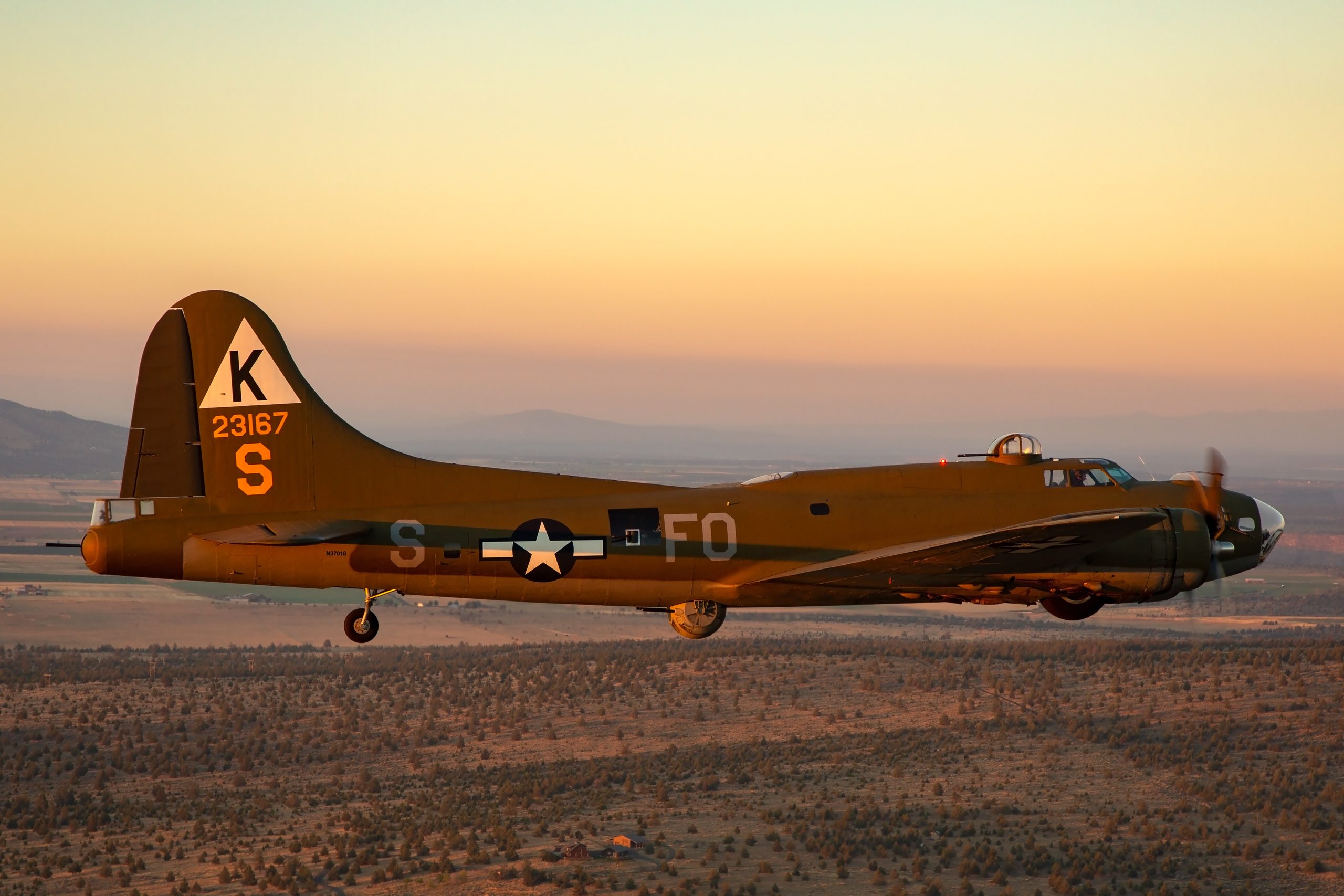
Military aircraft are not on civil registers and are not searchable the same way. They carry serials allocated by their own air arm, and the systems differ by country and by era. British military serials take the form of two letters and three digits, a sequence that began in 1940 at AA100 when the previous single-letter series ran out, and it has run continuously ever since. It covers the Royal Air Force, the Fleet Air Arm and the Army Air Corps rather than the RAF alone. United States military serials generally encode the fiscal year in which the aircraft was ordered, so 91-0302 was ordered in the 1991 fiscal year and delivered in 1992, and they are often abbreviated on the fin to the last few digits only. Joe Baugher, whose serial listings are the standard reference, puts it in capitals: the serial “reflects the Fiscal Year in which the order for the aircraft is placed, NOT the year in which it is delivered”. There are documented exceptions, such as the F-117, whose serials were deliberately scattered for secrecy.
If you are trying to identify a military aircraft from a photograph, our guide to reading military aircraft markings and serials works through the systems country by country. For a picture researcher the short version is that the serial, the unit markings and the code letters together will usually pin down not just the airframe but the squadron and often the year.
The trap: an aircraft’s identity changes and its photograph does not
An airframe may carry four or five registrations across forty years as it passes between operators and countries. The construction number is normally the only thread that runs through all of them. This causes a specific and expensive kind of error: a researcher searches for the registration the aircraft carries now, finds nothing from the period they need, and concludes no photograph exists. It may well exist under the registration the aircraft wore at the time.
If a search on the current registration comes up empty and you know the aircraft is old, find the construction number on the national register and search that instead, or ask the library to search it for you. Any archive worth using will have catalogued it.
How to search for a specific aircraft
Once you have an identity, searching becomes a mechanical exercise rather than a hopeful one. The thing worth understanding is what a picture library has actually indexed, because that determines what you can ask it.
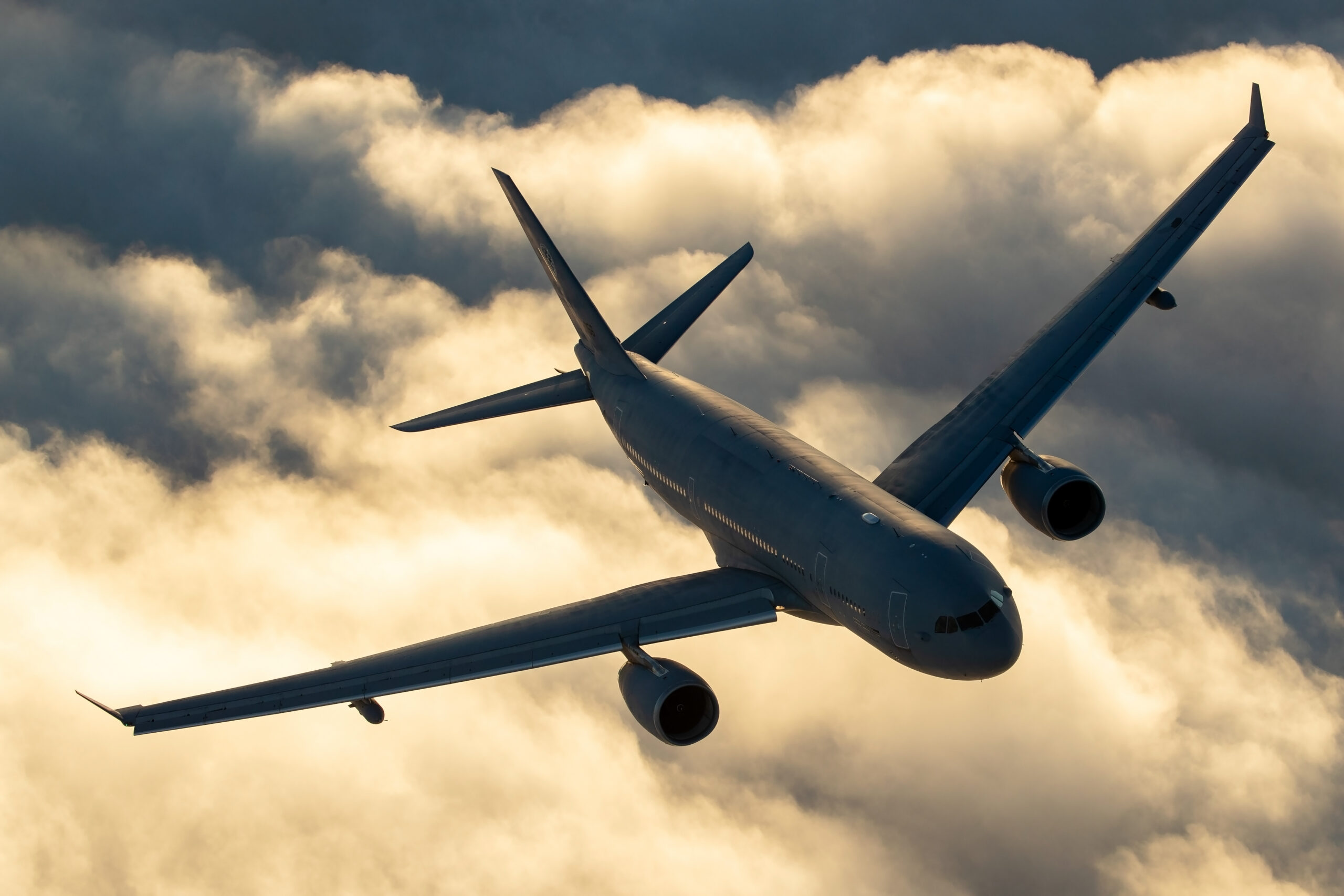
A properly catalogued aviation image carries the operator, the type and variant, the registration, the serial or construction number where known, the unit or squadron, the location, the date and the event. Our own captions read like this one: Netherlands Air Force, Airbus A330-243MRTT, registration T-056, serial number 1919, unit markings MMF for the Multinational MRTT Fleet. Every one of those is a search term, and a search on any of them will find the frame. The discipline behind that is ordinary picture library work, and our guide to keywording and captioning stock photographs sets out what goes into a caption and why.
Search the identifier, not the description
The instinct is to type what you can see: “Boeing 737 landing”. That returns thousands of images and no way to choose between them. If you have a registration, type the registration. It is a unique string, it appears in the caption of every properly catalogued frame of that airframe, and it will cut a search from four thousand results to four.
This is the single most useful habit a picture researcher can develop in this subject, and it is worth trying even when you are not sure. Registrations are short, distinctive and rarely collide with anything else, so a fruitless search costs you fifteen seconds.
What to do when you only have a photograph
Researchers are often handed an image with no caption and asked to find something similar, or to identify what is in it. Work through it in this order:
- Read the airframe. Registration on the rear fuselage or fin for civil aircraft, serial on the fin for military. Even a partial reading narrows things enormously.
- Identify the operator from the livery if the registration is hidden. Fleet numbers, which are usually small and on the fin or nose, will get you there with the operator’s help.
- Note the location. Terminal buildings, terrain, hangar titles and runway markings all date and place a photograph.
- Then search the identifier you have recovered.
Ask the library
If you are commissioning the research rather than doing it, or you want the subject-by-subject view of what is findable and what is not, our companion guide to aviation picture research works through sourcing modern military types, warbirds, helicopters and one-off subjects, with four worked example briefs. This page picks up where that one leaves off, at the point where you have found the image and have to license it.
Search boxes are blunt instruments and every archive has more in it than its index exposes. If a search comes up short, describe what you need to a human. A picture library that photographs this subject itself will often know that the frame exists, or know who has it, or know that the aircraft you are describing was repainted in the year you are asking about. Enquiries of that kind are free and they are frequently the fastest route to the image.
Aviation image licensing: what you are actually buying
Here is where the money and the risk both live, and where the language misleads people. You are not buying a photograph. You are buying permission to do a specific thing with it.
The UK Intellectual Property Office puts it plainly. Licensing, it says, means “giving another person or organisation permission to use a work such as an image, often in return for payment and/or on certain conditions for a specific period of time”. Every word of that matters to a buyer. Permission, not ownership. Conditions. A specific period.
The copyright itself stays where it was. The IPO’s position is that the person who creates an image “will generally be the first owner of the copyright”, with the exception that where an image is made by an employee in the course of employment the employer generally owns it. Paying a licence fee does not move the copyright. It buys you a defined use of something that continues to belong to somebody else.
The commissioning trap: does paying for a shoot mean owning the pictures?
This one catches organisations repeatedly, and it is worth putting in bold because it costs real money to unwind.
Commissioning a photographer does not give you the copyright. The IPO is explicit that where you commission a freelancer, “the first legal owner of copyright will usually be the person or business that created the image, unless there has been some agreement to the contrary”.
So an airline that paid a photographer for an air-to-air shoot in 2011 does not automatically own those images in 2026, and cannot license them onward to a magazine, unless the contract said so in writing at the time. If your organisation is about to reuse commissioned material, find the commissioning paperwork before you find the lawyer. If you are commissioning now, deal with it in the contract: either buy a licence broad enough for what you will actually do, or take a written assignment of the copyright. Both are ordinary requests and neither is expensive to agree in advance.
What a licence has to specify
A licence that does not answer these questions is not finished, and the gaps are where disputes start. Before you pay, check that all six are written down:
| Use | What you may do with it. Editorial article, book interior, advertisement, exhibition panel, packaging, internal presentation. These are not interchangeable. |
|---|---|
| Media | Print, online, broadcast, or a combination. An online editorial licence does not cover the printed edition unless it says so. |
| Territory | Where the work may be distributed. UK, a named list of countries, or worldwide. |
| Duration | How long the permission lasts. A fixed term, the life of an edition, or in perpetuity. |
| Print run or impressions | For print, the number of copies. For online, sometimes a page-view ceiling. This is a major price driver. |
| Exclusivity | Whether anyone else may license the same image, and if not, for how long and in what market. Exclusive costs considerably more, for the obvious reason. |
One further item is not optional in editorial work: the credit line. Most licences require the photographer or the library to be credited in an agreed form, and failure to credit is a breach of the licence even where the fee has been paid.
Editorial or commercial, and where the line sits
Almost every pricing decision and almost every rights problem in this trade turns on one question: are you illustrating something, or are you selling something? The answer changes what you pay by an order of magnitude and it changes what permissions you need.
The distinction is a trade convention rather than a statutory definition, but it is applied consistently enough across the industry to be treated as real.
| Editorial | Commercial | |
|---|---|---|
| What it is | Illustrating a story, a fact or a subject of legitimate interest | Promoting, advertising or selling a product, service or organisation |
| Typical use | News article, magazine feature, book interior, documentary, museum panel, encyclopaedia | Advertisement, brochure, packaging, website homepage, trade stand, annual report cover |
| Cost | Lower | Substantially higher, often by a factor of ten or more |
| Extra clearances | Usually none beyond the copyright licence | Frequently trademark, property and personality clearances as well |
| Test to apply | Would this still be published if the subject sold nothing? | Is the image working to make somebody buy something? |
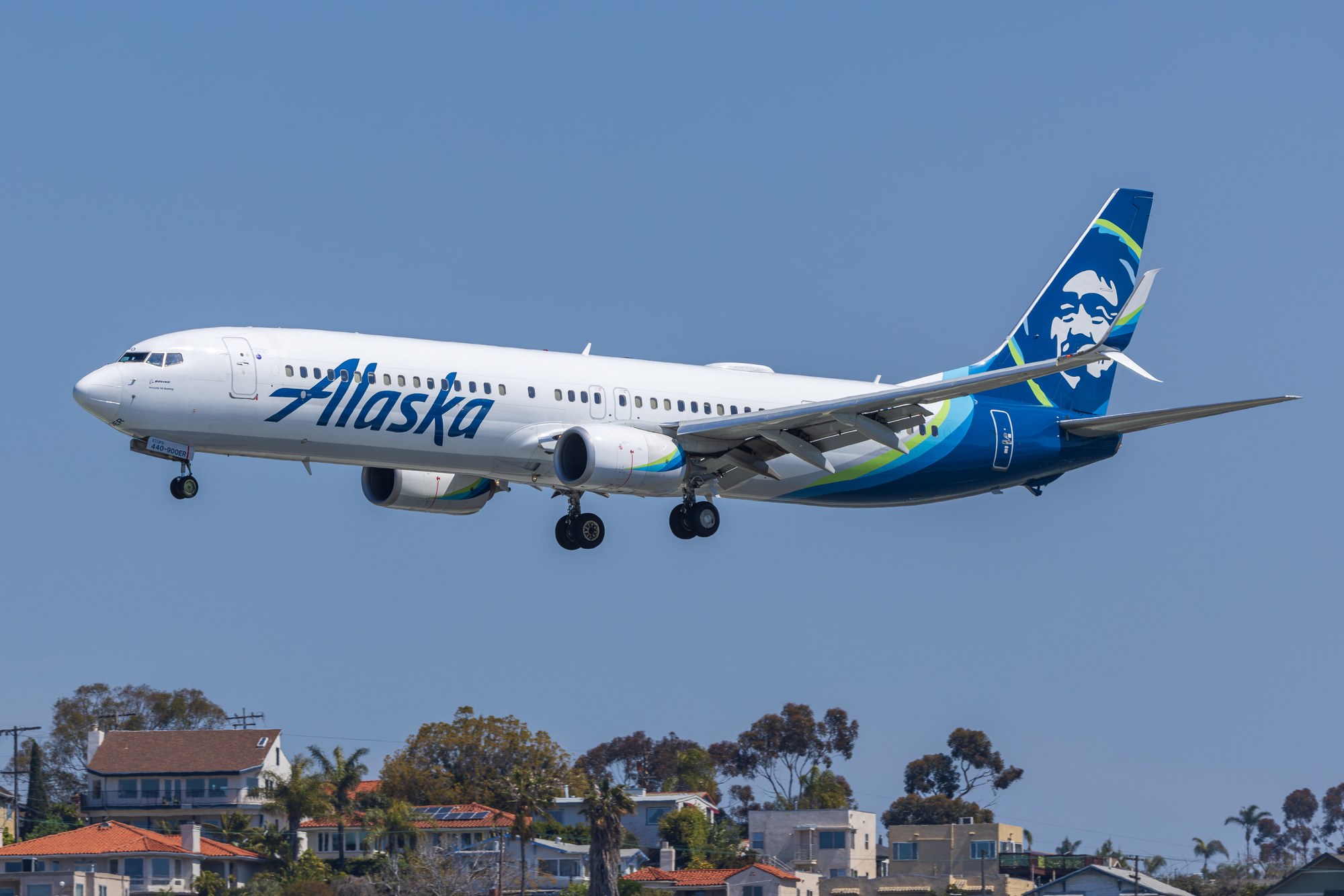
The awkward cases sit in the middle, and they are more common than the clean ones. An airline’s own website page describing its fleet is arguably informational, but it is on a site that exists to sell seats. A museum’s exhibition panel is editorial, but the poster advertising the exhibition is not. A magazine article is editorial, but the same photograph on the cover is doing promotional work for the magazine, which is why cover rates are higher.
The workable rule is this. If the image is there to inform, it is editorial. If it is there to persuade, price it and clear it as commercial. When you cannot tell, say so to the library when you enquire, describe the use in a sentence, and let them tell you which it is. Nobody in this business is offended by the question and everybody has seen the alternative.
The permissions a photograph licence does not give you
This is the section that saves people money, and it is the one most often skipped. A licence from the copyright owner gives you permission from the copyright owner. It gives you permission from nobody else, and in aviation the frame is usually full of other people’s property.
One further permission worth naming, because it is newer than the rest. If you intend to animate a licensed photograph, that is a separate question from whether you may reproduce it, and in the European Union it now carries its own disclosure duty. What that involves in practice, with seven worked examples, is in adding motion to historic photographs.
Trademarks, and why liveries are a live issue
Every airline livery is a designed identity, and the logos, titles, tail marks and often the colour schemes within it are registered trade marks. So are the manufacturers’ names on the engine nacelles. So, in the case of the aircraft pictured earlier in this article, is a great deal of what is painted on a Walt Disney World scheme.
Under the Trade Marks Act 1994, a person infringes a registered trade mark if they use a sign “in the course of trade” in the circumstances the Act sets out, which include use of an identical sign on identical goods, and use of an identical or similar sign where there is a likelihood of confusion on the part of the public. Section 10(4) lists the things that count as using a sign, and among them is using it “on business papers and in advertising”.
Read that last part carefully, because it is the whole point. Advertising is named in the statute. A photograph of an airliner, reproduced in an advertisement, contains the airline’s registered marks, and the advertisement is use in the course of trade.
If you are using an aviation photograph commercially and a third party’s marks are visible in it, the sensible order is: describe the use to the library, ask whether the image is cleared for it, and take advice on the trademark position separately. A library can tell you what it holds and what it may license. It cannot clear somebody else’s trade mark for you, and any library that says it can is one to avoid.
Property, access and the conditions attached to the shoot
Aircraft are private property and much aviation photography happens on private land. Where a photographer was admitted to an airside area, a ramp, a base or an air-to-air sortie, that access almost always came with conditions, and those conditions travel with the images.
Military access is the clearest example. Air arms grant photographic access on terms, and those terms frequently restrict commercial use, require approval of captions, or prohibit use in contexts the service considers inappropriate. None of that is visible in the file. It lives in the paperwork behind it, which is one of the practical reasons to license from the library that made the images rather than from a stock aggregator that has never met the photographer.
People in the frame
Aircrew, ground crew and spectators are people, and using a recognisable individual to promote something generally needs their permission. For editorial use this is rarely an issue. For advertising it is a real one, and a library will tell you whether a model release exists. Assume it does not unless you are told otherwise.
What an aviation photograph actually costs
Most of this industry answers this question with “it depends”, which is true and useless. Below is a real published price list, ours, so that anyone building a budget has a number to start from rather than a shrug.
These are the self-serve rates on the Piemags aviation library. They are in US dollars, because that is the currency this trade works in and because most of the buyers are not in the United Kingdom.
| Licence | What it covers | Price |
|---|---|---|
| Personal Use | Private, non-commercial use. A print for a wall, a gift, a family history. Worth reading alongside our guide to aviation prints if a print is what you actually want | $19.99 |
| Newsletters and Presentations | Club newsletters, society journals, internal talks and slide decks | $19.99 |
| Online Editorial | Illustrating an article, blog post or news item on a website | $49.99 |
| Newspapers, Magazines and Books | Print editorial. Interior use at the base rate, rising with circulation and placement | $59.99 to $400 |
| Small Business Internal | Internal, non-promotional use inside a smaller organisation | $69.99 |
| Large Business Internal | The same, at scale | $99.99 |
Above that the work is quoted rather than sold from a page, because the variables stop being predictable:
| Advertising and promotion | $600 to $1,500 typically, depending on media, territory and term |
|---|---|
| Unlimited or lifetime use | From $2,000 |
| Full buyout | From $3,500 |
| Archive access | On application |
There are also image packs for buyers who need several frames: $79.99 for five personal-use images and $139.99 for ten, $199.99 for five editorial and $349.99 for ten. If you are illustrating a book chapter rather than a single article, a pack is usually the cheaper route and it is worth working out which side of the line you fall on before buying the first image individually.
Two things about this list that buyers ask about and that are easy to miss. Every one of these licences is worldwide, so territory is not a variable you are being charged for. And every one except the full buyout is non-exclusive, which is why they cost what they do.
The full current list, with the terms attached to each tier, is on the licences page. Copyright stays with the photographer throughout unless a separate transfer is agreed in writing, which is the buyout.
The number that surprises people is the spread. The same photograph is $19.99 for a print on your own wall and $3,500 as a full buyout. Nothing about the image has changed. Everything about what you are permitted to do with it has.
How this compares with the rest of the market
These rates sit at the accessible end. The large agencies price editorial use in a broadly similar range and commercial use considerably higher, and specialist military and historical archives often charge more again because the material is scarcer. A national newspaper front page or an international advertising campaign is four-figure territory almost anywhere you buy it.
What varies more than the headline price is what you get for it. Cheap aggregated stock frequently arrives with a caption that says “airplane in sky”, which is worthless to a fact-checker and actively dangerous to a publisher. Paying slightly more for an image whose caption names the airframe, the unit, the location and the date is not sentiment. It is the difference between a caption you can stand behind and a correction in the issue that follows.
What moves the price
If you want to influence the quote rather than just receive it, these are the levers, in roughly the order of how much they matter.
1. Editorial or commercial
The single biggest factor, and the one dealt with above. The gap between the two is not a percentage, it is a multiple.
2. Placement
Inside a magazine is the base rate. A full page costs more than a quarter. A cover costs more than everything else in the issue, because a cover sells the issue and is therefore doing commercial work. In our own list this is what takes print editorial from $59.99 to as much as $400.
3. Circulation or print run
A parish newsletter and a national daily are not the same purchase. For books, the print run of the edition. Be honest about this figure, because licences are commonly written against it and reprinting beyond the licensed run is a breach that surfaces at exactly the wrong moment.
4. Territory
Across the industry, UK-only is normally cheaper than worldwide, so if you are producing something for a domestic market it is worth saying so rather than buying rights you will never use. Note that this does not apply to the self-serve rates above, which are worldwide as standard. Territory becomes a live variable on the quoted licences, where the difference between one country and every country is real money.
5. Duration
A twelve-month licence costs less than perpetuity. For a website that will be redesigned in three years, a term licence is the rational purchase. For a book that will sit in libraries for decades, it is not.
6. Exclusivity
Exclusivity is expensive because the library is agreeing not to earn from that image elsewhere. Most buyers do not need it and should not pay for it. If you are running a campaign and would be embarrassed to see the same frame on a competitor’s stand, you do.
7. Scarcity
The one nobody lists. Photographs of a common airliner at a busy airport are plentiful. Photographs of a particular airframe in a particular scheme on a particular day, taken air to air, may exist in one place. Rarity is priced, and reasonably so.
Rights-managed or royalty-free
Two models exist and the names both mislead.
Rights-managed means the licence is written for your specific use: defined media, territory, duration and print run, priced accordingly. You pay for what you need. If your use later grows, you go back and extend it. This is the traditional model and it is still the right one for anything with real distribution behind it.
Royalty-free does not mean free, and it does not mean unrestricted. It means one fee covers a broad set of uses without per-use reporting. There are still terms, there are still things it will not cover, and almost every royalty-free licence in the industry excludes the uses that matter most: sensitive contexts, merchandise for resale, and anything implying endorsement.
The practical guidance is: if your use is small, defined and one-off, rights-managed will usually be cheaper. If you need one image across a scatter of internal uses over years, royalty-free will usually be simpler. Neither is inherently better value and anyone who tells you otherwise is selling one of them.
The tiers listed above are rights-managed, in that each one names the use it permits. What they do not do is charge you separately for territory or restrict you to a single insertion, which is why they read as simpler than a traditional rights-managed quote. Anything truly open-ended is the unlimited tier or the buyout, and both of those are quoted rather than sold from a page.
A checklist before you pay
Almost every dispute in aviation image licensing traces back to one of the nine points below. Run through them before money changes hands. It takes five minutes and it is the cheapest insurance in the process.
- Is the aircraft correctly identified? Registration or serial, type and variant, operator, unit if military. If the caption does not say, ask. If nobody knows, do not publish a claim about it.
- Is the date right? Aircraft are repainted, re-registered and retired. A caption that dates the frame lets you say “photographed in 2019” rather than something that will turn out to be wrong.
- Have you described your actual use, in a sentence? Not “a magazine” but “quarter page, interior, UK print edition, 12,000 copies, one issue”.
- Does the licence cover every medium you will use? The commonest failure by far is buying print and then putting the article online.
- Is the territory wide enough, and no wider?
- Does the duration outlast the thing you are making?
- If the use is commercial, have you considered the trademark and property position separately? The photograph licence does not address it.
- Do you know the required credit line, exactly as it must appear?
- Have you kept the licence? Filed with the project, not in an inbox. You will need it in five years when somebody asks where the picture came from.
The mistakes buyers make
Assuming a Google image result is available
The IPO’s guidance is blunt on this: “The vast majority of images on the internet are likely to be protected by copyright, so it is only safe to use it if you have specific permission to do so through a licence”. Findability is not permission. An image being easy to download says nothing whatever about whether you may publish it.
Assuming an old photograph is out of copyright
Copyright in photographs lasts a long time and the rules differ by the date and country of creation. A 1943 photograph may well be out of copyright; a 1975 one almost certainly is not. And even where the underlying image is out of copyright, a modern scan may come with its own terms attached to the supply. Check rather than assume, and note that “it is old” is not a defence anyone has won with.
Assuming that paying for a shoot means owning the pictures
Covered above, and worth repeating because it is the most expensive error on this list. Commissioning does not transfer copyright unless the contract says it does.
Buying editorial and using it commercially
The cheaper licence was cheaper for a reason. Using an editorial licence for an advertisement is a breach of contract, and separately it walks you into the trademark question with no clearance behind you. If the use changes after you buy, go back and vary the licence. Libraries expect this and it is a two-minute conversation.
Cropping the credit off
The credit is a licence condition. Removing it, or burying it on a colophon page when the licence says adjacent, is a breach even where the fee has been paid. It also removes the one thing that helps the next researcher find the source.
Believing an aggregator’s caption
Aggregated stock captions are frequently wrong about aircraft: the wrong variant, the wrong operator, the wrong war. Publishers get caught by this constantly, because a caption that reads confidently is assumed to be accurate. If the caption cannot be traced to somebody who knows the subject, treat it as a guess.
How to license an image from us
For completeness, since this page is published by a picture library and it would be coy to leave it out.
The aviation collection is at professionalaviationphotography.com, where every image is available for rights-managed and royalty-free licensing and every frame is catalogued with the operator, type, registration, serial, unit, location and date. Search on a registration if you have one. The self-serve licences listed above are bought directly from the image page, and the full terms attached to each tier are set out on the licences page. Anything advertising, anything unlimited, anything involving a buyout or bulk archive access is quoted, and the route for that is the contact page.
Historical and wartime material sits separately, under different terms, because the rights position on out-of-copyright originals is not the same as on contemporary photography. That is set out on the Piemags image licensing page.
If you are researching and you cannot find what you need, describe the aircraft and the use and ask. It is free, and it is usually faster than another hour with a search box.
Questions people ask
How much does it cost to license an aviation photograph?
On our own library, personal use is $19.99, online editorial $49.99, and print editorial for newspapers, magazines and books runs from $59.99 up to $400 depending on circulation and placement. Internal business use is $69.99 for a smaller organisation and $99.99 for a large one. Advertising is quoted, typically $600 to $1,500, and a full buyout starts at $3,500. The spread is wide because the price follows the use, not the photograph.
What is the difference between editorial and commercial use?
Editorial use illustrates something: a news story, a magazine feature, a book, a museum panel. Commercial use promotes something: an advertisement, packaging, a brochure, a trade stand. The test is whether the image is there to inform or to persuade. Commercial licences cost substantially more, often by a factor of ten or more, and they frequently need trademark and property clearances that an editorial licence does not.
Do I own the copyright if I paid for the photographs?
Almost certainly not. The UK Intellectual Property Office states that where you commission a freelancer, the first legal owner of the copyright will usually be the person or business that created the image, unless there has been an agreement to the contrary. Paying a fee buys you a licence, not the copyright. If you want to own it, you need a written assignment, and that has to be agreed at the time rather than assumed afterwards.
How do I find a photograph of a specific aircraft?
Search the registration or the military serial rather than describing the aircraft. It is a unique string, it appears in the caption of every properly catalogued frame of that airframe, and it will cut a search from thousands of results to a handful. If you have only a registration, run it through the CAA’s G-INFO for UK aircraft or the FAA’s N-Number Inquiry for American ones first, which will give you the type, the owner and the construction number.
Why can I not find any photographs of an aircraft I know exists?
Most often because the registration has changed. An airframe may carry four or five registrations over its life as it moves between operators and countries, and photographs are catalogued under the one it wore on the day. The construction number is the only identity that never changes, so search that instead. Ask the library too, because archives usually hold more than their search boxes expose.
Do I need permission from the airline to use a photograph of their aircraft?
For editorial use, generally not. For commercial use, this needs proper thought. Airline liveries, titles and tail marks are registered trade marks, and the Trade Marks Act 1994 lists advertising among the uses of a sign that can infringe. A licence from the photographer gives you the copyright owner’s permission and nobody else’s. The risk sits with whoever publishes the advertisement, so take advice separately on the trademark position.
Can I use a photograph I found on Google?
No, not without permission. The Intellectual Property Office is explicit that the vast majority of images on the internet are likely to be protected by copyright, and that it is only safe to use one if you have specific permission to do so through a licence. Being able to download an image tells you nothing about whether you may publish it. The absence of a copyright notice is not permission either.
What is the difference between rights-managed and royalty-free?
Rights-managed means the licence is written for your specific use, with a defined medium, territory, duration and print run, and priced for exactly that. Royalty-free means one fee covers a broad set of uses without per-use reporting. Royalty-free does not mean free and it is not unrestricted: almost all royalty-free licences exclude sensitive contexts, merchandise for resale and anything implying endorsement. For a single defined use, rights-managed is usually cheaper.
What does a photograph licence need to say?
Six things: the permitted use, the media, the territory, the duration, the print run or number of impressions, and whether it is exclusive. A licence missing any of those has a gap in it, and gaps are where disputes start. There is normally a seventh requirement too, the credit line, in the exact form it must appear. Failing to credit is a breach even when the fee has been paid.
Are old aviation photographs out of copyright?
Sometimes, and it depends on when and where they were made and by whom. A wartime photograph may well be out of copyright while one from the 1970s almost certainly is not. Two cautions: the rules differ between countries, and a modern scan of an out-of-copyright original may still be supplied under terms covering the digitisation and research rather than the underlying image. Check the specific photograph rather than reasoning from its age.
Do I need a model release for people in an aviation photograph?
For editorial use, rarely. For advertising or anything else promotional, yes, if an individual is recognisable, because using someone’s likeness to promote a product generally needs their permission. Aircrew and ground crew in a photograph are people like anyone else. Ask the library whether a release exists and assume it does not until you are told otherwise.
Why are photographs from a specialist library more expensive than stock sites?
Mostly the caption. Aggregated stock captions are frequently wrong about aircraft, giving the wrong variant, the wrong operator or the wrong period, and they are wrong confidently, which is how publishers get caught. A caption naming the airframe, the unit, the location and the date is something a fact-checker can stand behind. There is also the paperwork behind military and airside access, which does not travel with a file bought from an aggregator.
Sources
- UK Intellectual Property Office, Copyright Notice: digital images, photographs and the internet, for the definition of licensing, for the creator being the first owner of copyright, for the position on commissioned images, and for the warning that most images on the internet are protected. gov.uk
- UK Intellectual Property Office, Ownership of copyright works, for the employment exception. gov.uk
- Trade Marks Act 1994, section 10, for what constitutes infringement of a registered trade mark, for the phrase “in the course of trade”, and for section 10(4) listing use in advertising among the uses of a sign. Quoted here as the statute stands; whether any particular use infringes is a question for a solicitor. legislation.gov.uk
- UK Civil Aviation Authority, G-INFO, the free public search of the UK aircraft register, giving type, serial number, registered owner and status. caa.co.uk
- Federal Aviation Administration, N-Number Inquiry, the equivalent free search of the United States register. registry.faa.gov
- ICAO, Nationality Marks, and Annex 7 section 2.3, for the nationality mark being selected from the radio call sign series allocated to each state by the International Telecommunication Union and then notified to ICAO. This is the detail most sources get wrong. icao.int
- Federal Aviation Administration, Aircraft Nationality Marks, National Emblems and Common Marks, the consolidated table notified to ICAO, used for the count of marks in use and for G, N, D, F and HL. faa.gov
- ukserials.com, serials overview, for the UK two letter and three digit military serial sequence beginning in 1940 at AA100 when the single letter series exhausted at Z9978. A specialist reference rather than an official register, and labelled as such. ukserials.com
- Joe Baugher, USAF serial numbers, for United States military serials reflecting the fiscal year in which the order was placed rather than the year of delivery, for F-15E 91-0302 being delivered on 3 August 1992 to the 48th Fighter Wing at RAF Lakenheath, and for the documented exceptions such as the F-117. aircraftinformation.info
- FAA registry entry for N7470 and the Boeing production line number list, together showing that the first Boeing 747 is construction number 20235 and line number 1, which is why the two are not synonyms. registry.faa.gov
- Piemags aviation licences page, checked 9 September 2026, for every tier and price quoted here, for the pack sizes, and for all licences being worldwide and non-exclusive except the full buyout. professionalaviationphotography.com
- Piemags image licensing page, for the separate rights position on historical and out-of-copyright material. piemags.com
- The editorial and commercial distinction described here is a trade convention rather than a statutory definition, and is set out as it is applied in practice across the picture library industry rather than quoted from any single authority.
