A portfolio that sells is a small, tightly edited set of your strongest aviation images, presented consistently and aimed at the people who actually pay for photographs: print buyers, editors, stock clients and enthusiasts. Thirty superb frames will usually do more for you than three hundred merely good ones, because buyers judge you on your weakest picture, not your best.
Most aviation photographers have the opposite instinct. We shoot thousands of frames at a single airshow, keep far too many of them, and pile everything onto a website or an Instagram grid in the hope that volume will do the work. It rarely does. The photographers whose work sells have learned to cut hard, to shoot with a market in mind, and to present a body of work that looks like it came from one confident eye rather than a memory card left on shuffle.
This guide takes you through the whole process, from deciding what “selling” even means for you, to curating down to a portfolio you would be proud to hand a picture editor, to the practical business of websites, stock libraries, prints and licensing. It is written for enthusiasts who want to turn a hobby into occasional income, and for keen amateurs who want their work taken seriously. There is no magic in it, just a set of decisions made more carefully than most people bother to make them.
What this guide covers
- What a selling aviation portfolio actually is
- Who buys aviation photography, and what they pay for
- Curate ruthlessly: why fewer images sell more
- A simple system for scoring your best work
- Building a coherent style buyers recognise
- The subjects and shots that actually sell
- The technical standard buyers expect
- Your portfolio website: structure and sequencing
- Selling through stock libraries
- Selling prints and wall art
- Editorial and commercial licensing
- Keywording and metadata that gets you found
- Common portfolio mistakes that cost sales
- A 30-day plan to build a portfolio that sells
- Frequently asked questions
What a selling aviation portfolio actually is
A portfolio is not an archive. Your archive is everything you have ever shot, backed up and keyworded, and it can run to tens of thousands of frames. A portfolio is the deliberately chosen face you show the world, and its job is to make a specific person take a specific action: buy a print, license an image, commission you, or follow your work closely enough that they eventually do one of those things.
The word “sells” is doing a lot of work, so it helps to be honest about which kind of selling you mean. There are four broad routes, and they reward slightly different portfolios. Print sales reward striking, emotional, wall-worthy images with clean composition and a strong sense of light. Stock and editorial sales reward clean, correctly exposed, well-keyworded coverage of recognisable aircraft and events. Commissioned work rewards reliability and a consistent house style that a client can trust to match a brief. Building a following, which underpins all of the above, rewards a recognisable voice and steady output.
You do not have to pick one forever, but you should know which one a given portfolio is built for. A print portfolio and a stock portfolio can share images, yet they are sequenced and captioned very differently. A common reason an aviation portfolio fails to sell is that it tries to be all four at once and ends up speaking clearly to none of them.
Who buys aviation photography, and what they pay for
You cannot build for a buyer you have not thought about. Aviation imagery has a wider market than most photographers realise, but each buyer values different things, and the returns vary enormously. The table below sets out the main outlets, what they tend to want, and the realistic income picture as of 2026. Treat the figures as orientation rather than promises, because rates and platform terms change often.
What those buyers are actually deciding, and what they pay, is set out from their side in our buyer’s guide to aviation image licensing, including the published rate card they will be quoted from.
| Outlet | What they want | Typical return | Best portfolio for it |
|---|---|---|---|
| Fine-art prints (your own shop) | Striking, emotional, wall-worthy frames with strong light and clean backgrounds | Highest margin per sale; you keep most of the price after print costs | 20 to 40 signature images, sequenced for impact |
| Stock libraries (Alamy, Adobe Stock, others) | Clean, sharp, correctly exposed coverage of identifiable types and events, well keyworded | Low per download; Adobe Stock pays around 33 per cent and Shutterstock a resetting 15 to 40 per cent tier, while Alamy, from 1 September 2026, pays 15 per cent below $250 of annual licence fees, 20 per cent from $250 to $3,000 and 40 per cent above that | Broad, deep, consistent coverage |
| Editorial (magazines, sites, books) | Accurate, captioned images of specific aircraft, units, events and news | Modest per use, but repeatable and good for a name | Documentary breadth with reliable metadata |
| Commissioned and event work | A dependable house style that matches a brief on a deadline | Day rates or fees agreed up front | A tight, on-brand set that proves consistency |
| Enthusiast and calendar buyers | Recognisable aircraft, nostalgia, display teams, local connections | Small individual sales that add up with volume | Popular subjects shot well |
Two lessons fall out of this table. First, the print buyer and the stock buyer are almost opposites: one wants rarity and drama, the other wants clean, repeatable usefulness. Second, the higher-margin routes reward a smaller, sharper portfolio, while the volume routes reward depth. Decide where you are aiming, and let that decide how ruthless your edit needs to be.
Curate ruthlessly: why fewer images sell more
The single biggest difference between a portfolio that sells and one that does not is the edit. A buyer forms a judgement in seconds, and that judgement is anchored by your weakest visible image far more than your strongest. One soft, cluttered or badly lit frame in a set of twenty tells a picture editor that you cannot tell the difference between your good work and your average work, and that is the one thing they cannot risk.
Think of it as an average, not a highlight reel. If a viewer mentally scores every image and takes the mean, then adding a mediocre frame drags the whole set down even though it added nothing anyone asked for. Removing your five weakest images almost always raises the perceived quality of the portfolio, even though you now have fewer pictures. This is counterintuitive, and it is why so many talented photographers present themselves as merely competent.
How many images is right
For a front-facing portfolio, aim for 20 to 40 images. A print portfolio can be tighter still, sometimes 15 to 25. A stock catalogue is different, because there depth is the product and you may hold thousands of files, but even there each individual gallery a buyer lands on should feel curated. If you are showing a picture editor or a gallery, 20 of your best will almost always beat 60. It is rare to lose a commission for showing too few outstanding photographs.
Kill your darlings
The hardest cuts are the images you are attached to for reasons the viewer cannot see: the freezing dawn you endured, the aircraft you waited years to catch, the rare visitor that made your week. Sentimental value is real, but it is invisible in the frame. If the picture is not strong on its own terms, it weakens the set. Keep it in your archive, print it for yourself, and leave it out of the portfolio.
A simple system for scoring your best work
Ruthless editing is easier with a system, because a system removes the emotion. Here is a simple method that works for aviation images and takes the guesswork out of the first cull.
First pass: technical floor
Go through fast and reject anything that fails a hard technical minimum. Is the aircraft acceptably sharp where it matters, usually the cockpit and the leading edge? Is the exposure recoverable, with detail in both the airframe and the sky? Is the frame free of gross problems such as a clipped wingtip, a distracting background pole, or motion blur where you wanted sharpness? Do not agonise here. If it fails the floor, it is out, no matter how much you like the moment.
Second pass: score on three axes
For everything that survives, give a quick one-to-five score on three things: light, moment and composition. Light covers quality, direction and how it models the aircraft. Moment covers gear position, bank angle, vapour, formation geometry, a pilot looking your way, anything that makes this frame more than a record shot. Composition covers framing, background, negative space and how the eye moves. Add the three scores. Anything that totals 12 or more is portfolio material. Anything from 9 to 11 is a maybe that depends on what else you have. Below 9 stays in the archive.
Third pass: the set, not the single
Now judge the survivors as a group. Do you have five near-identical passes of the same jet? Keep the best one and drop the rest, because repetition reads as indecision. Is every image shot in the same flat midday light? You have a consistency problem to fix on your next outing. This pass is where a collection of good singles becomes a portfolio, and it is the step most people skip. A clean edit and a considered approach to composition do more for perceived quality than any amount of new gear.
Building a coherent style buyers recognise
A portfolio that sells looks like it was made by one person with a point of view. That does not mean every image is identical, it means there is a thread a viewer can feel: a consistent approach to light, colour and framing that makes your work recognisable before they see your name. Buyers pay for that recognisability, because it tells them what they will get.
Consistency in processing
The fastest way to build a coherent look is consistent processing. Decide how you handle sky tone, contrast, saturation and sharpening, and apply it across the set rather than treating every frame as a one-off. Skies that jump from deep blue to washed cyan between images make a portfolio feel accidental. This is where a repeatable editing routine pays off, and it is worth reading our guide to a practical Lightroom workflow for aviation photos if you have not settled yours yet. A consistent edit is not a filter slapped on top, it is a set of habits.
Consistency in subject and treatment
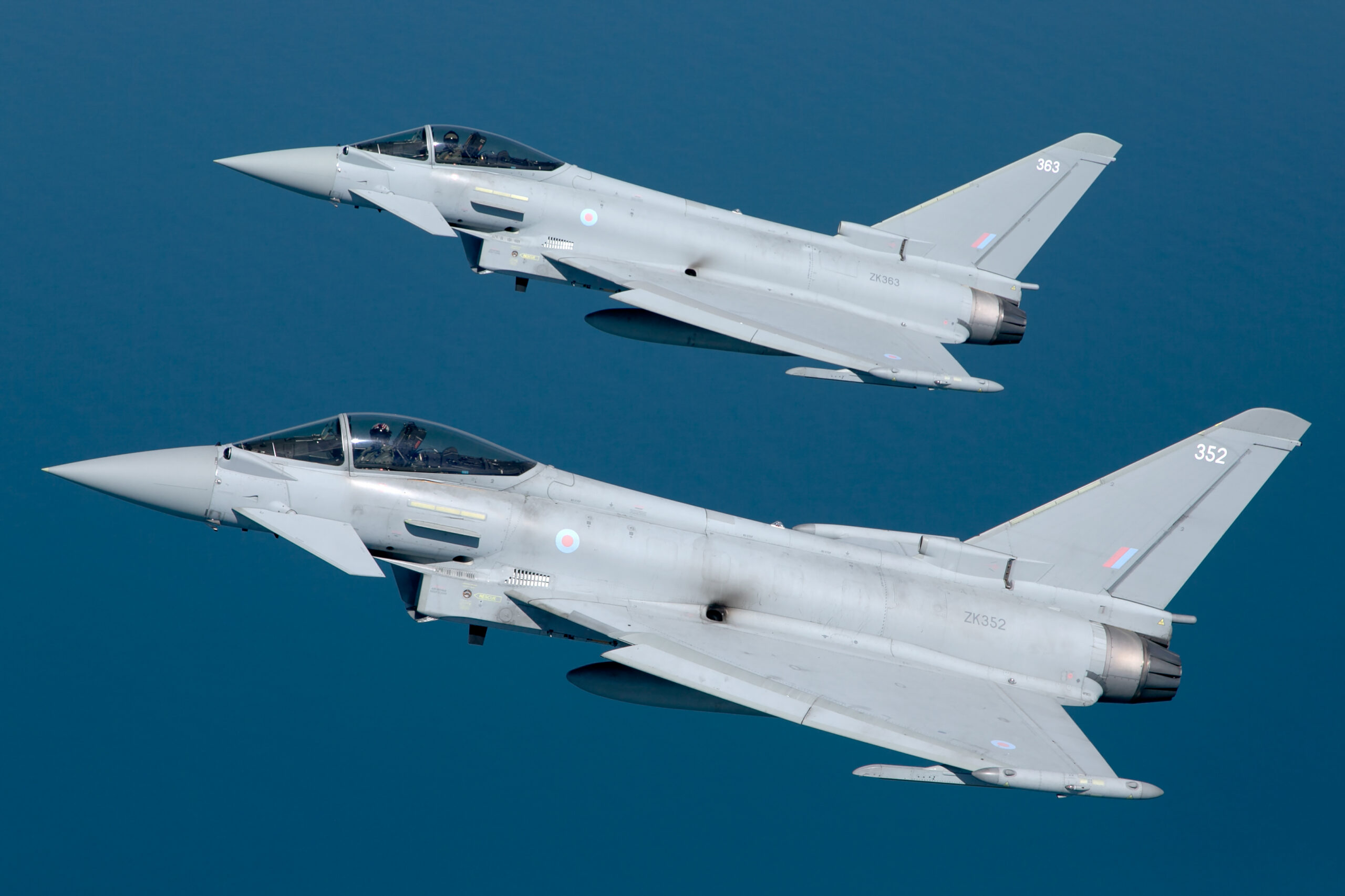
Style also lives in what you choose to shoot and how you frame it. Some photographers build a name on tight, graphic single-subject portraits against clean sky. Others own the wide environmental frame that puts the aircraft in a landscape or weather. Both sell. What does not sell is a grab-bag with no through line. Pick the treatment that suits your eye and your local subjects, and lean into it until people associate it with you.
Let the archive carry the variety
Coherence in the portfolio does not mean you stop shooting broadly. Shoot everything, keyword it, and keep it in the archive for stock and editorial use. The public-facing portfolio is where you exercise restraint. Variety is a strength in a stock catalogue and a weakness in a signature portfolio, and knowing which one you are building keeps you from confusing the two.
The subjects and shots that actually sell
Not all aviation subjects sell equally. Some have a wide, steady market; others are wonderful to shoot but hard to sell to anyone but yourself. If part of your aim is income, it pays to know where demand actually sits and to make sure your portfolio covers it.
Display teams and icons
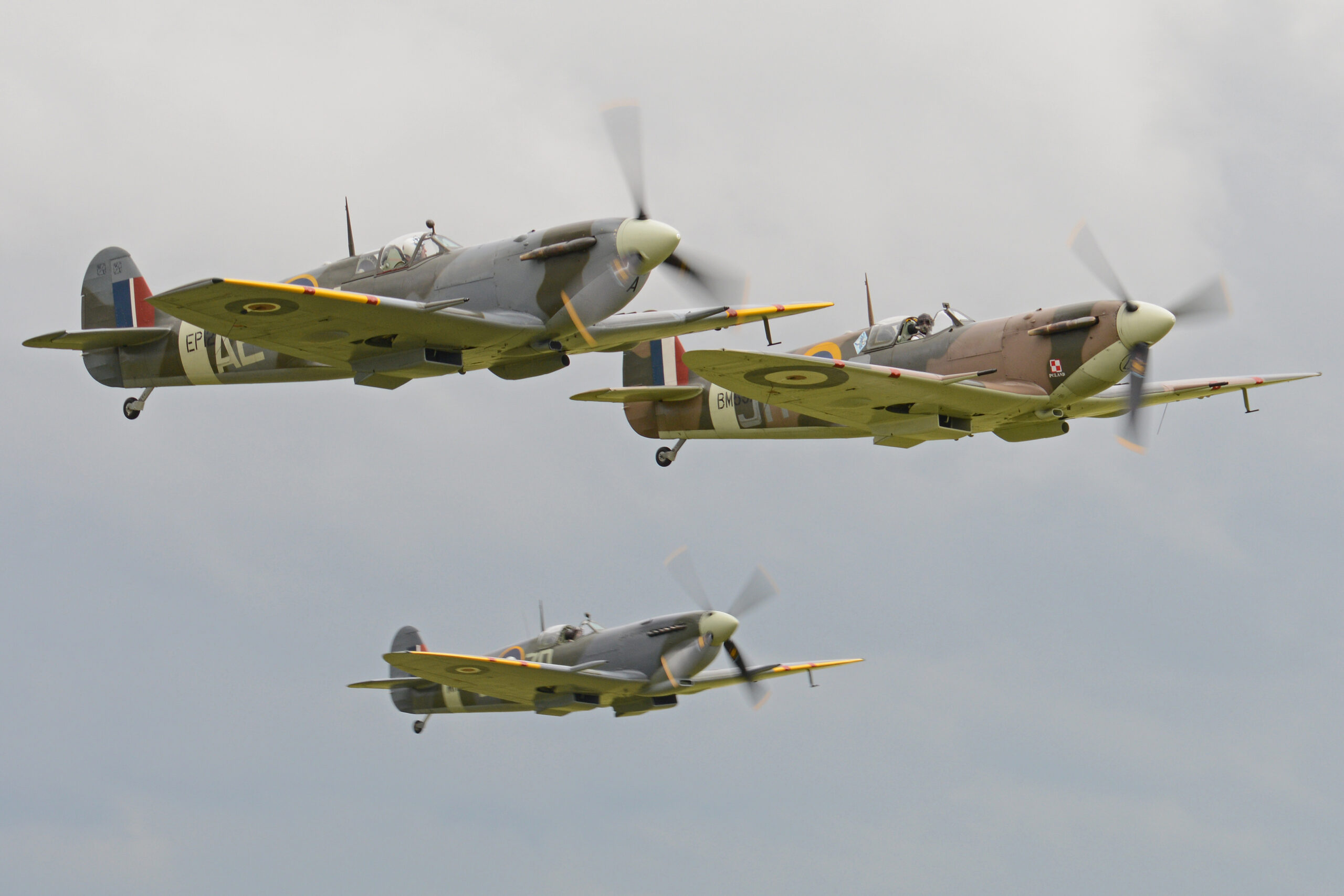
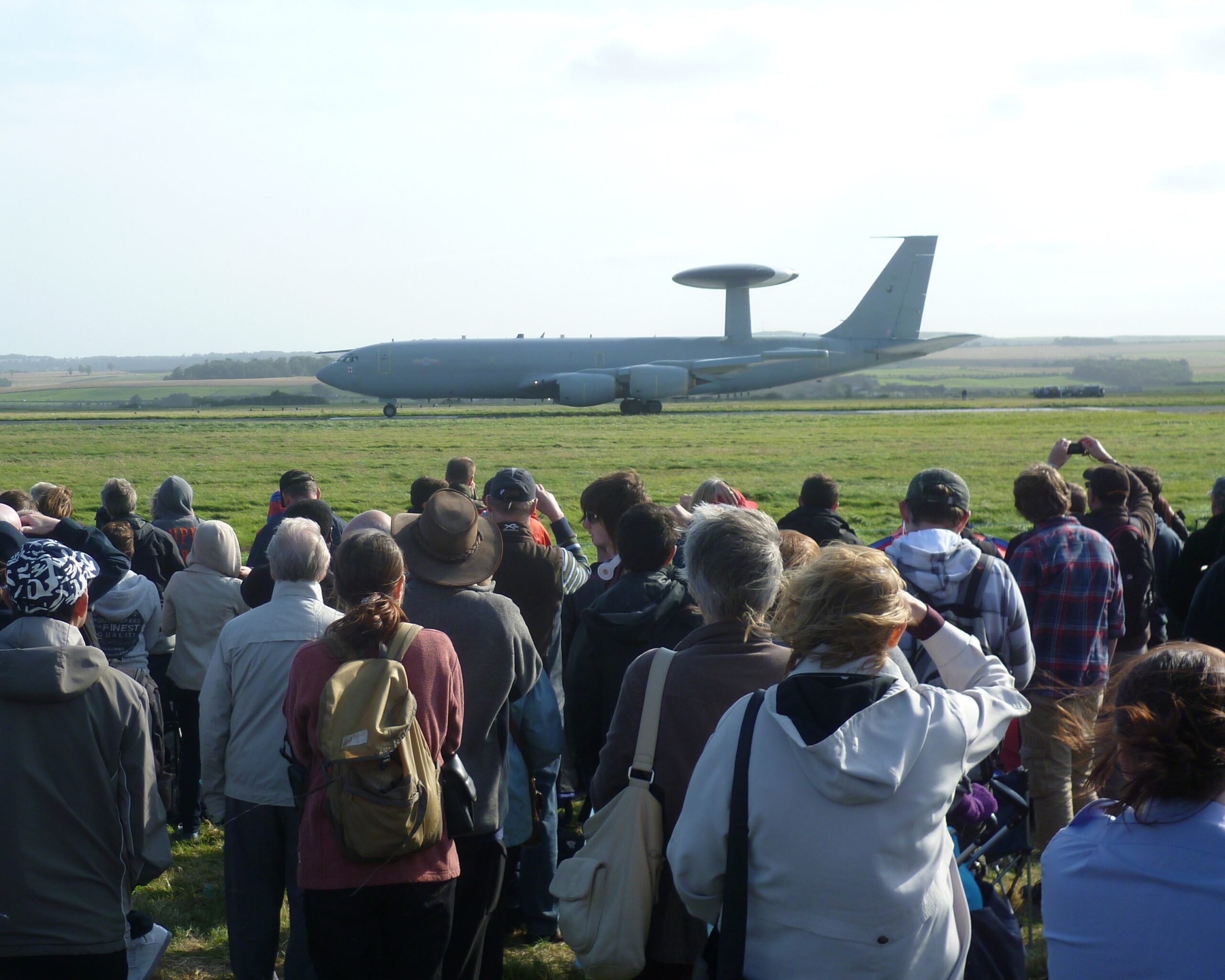
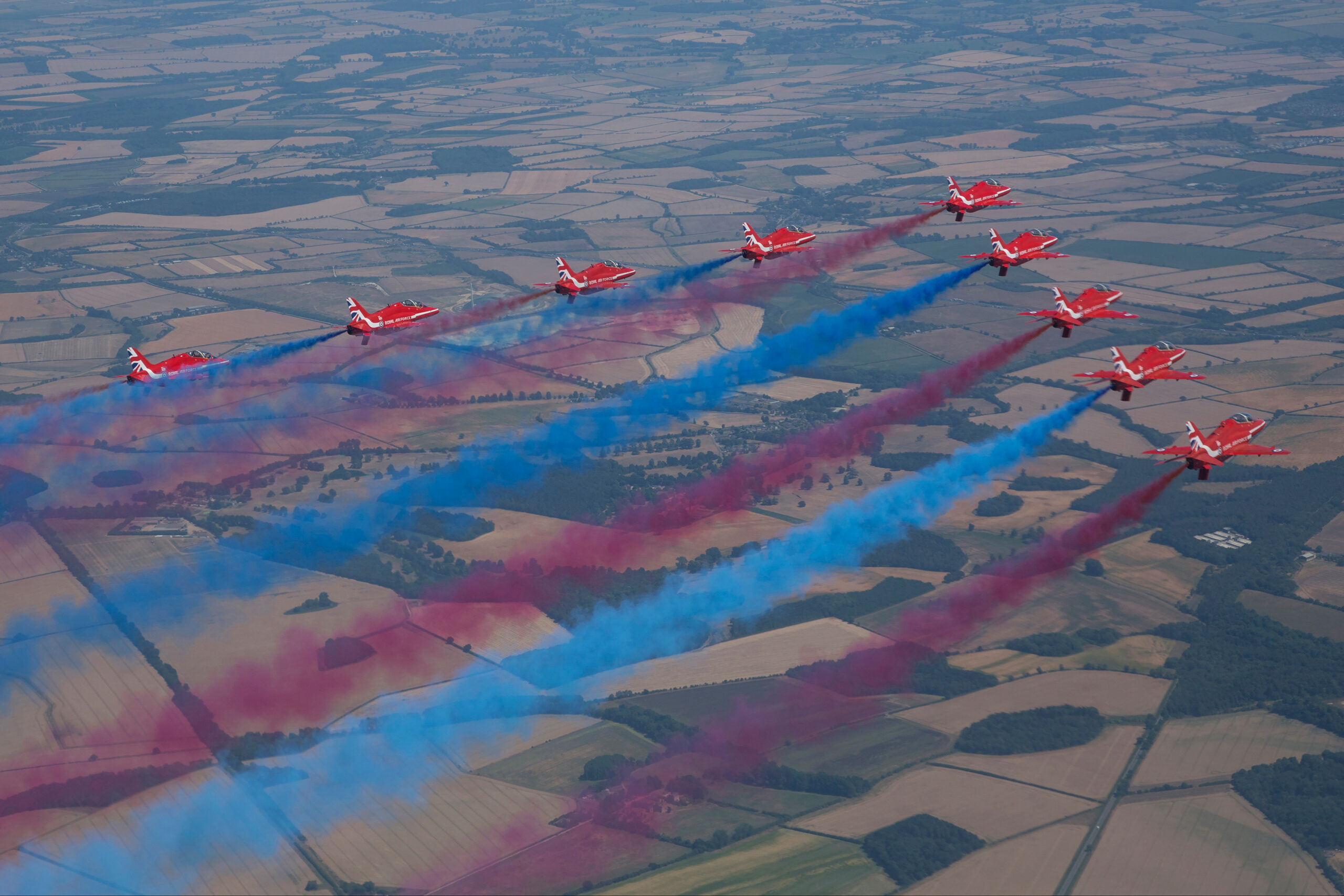
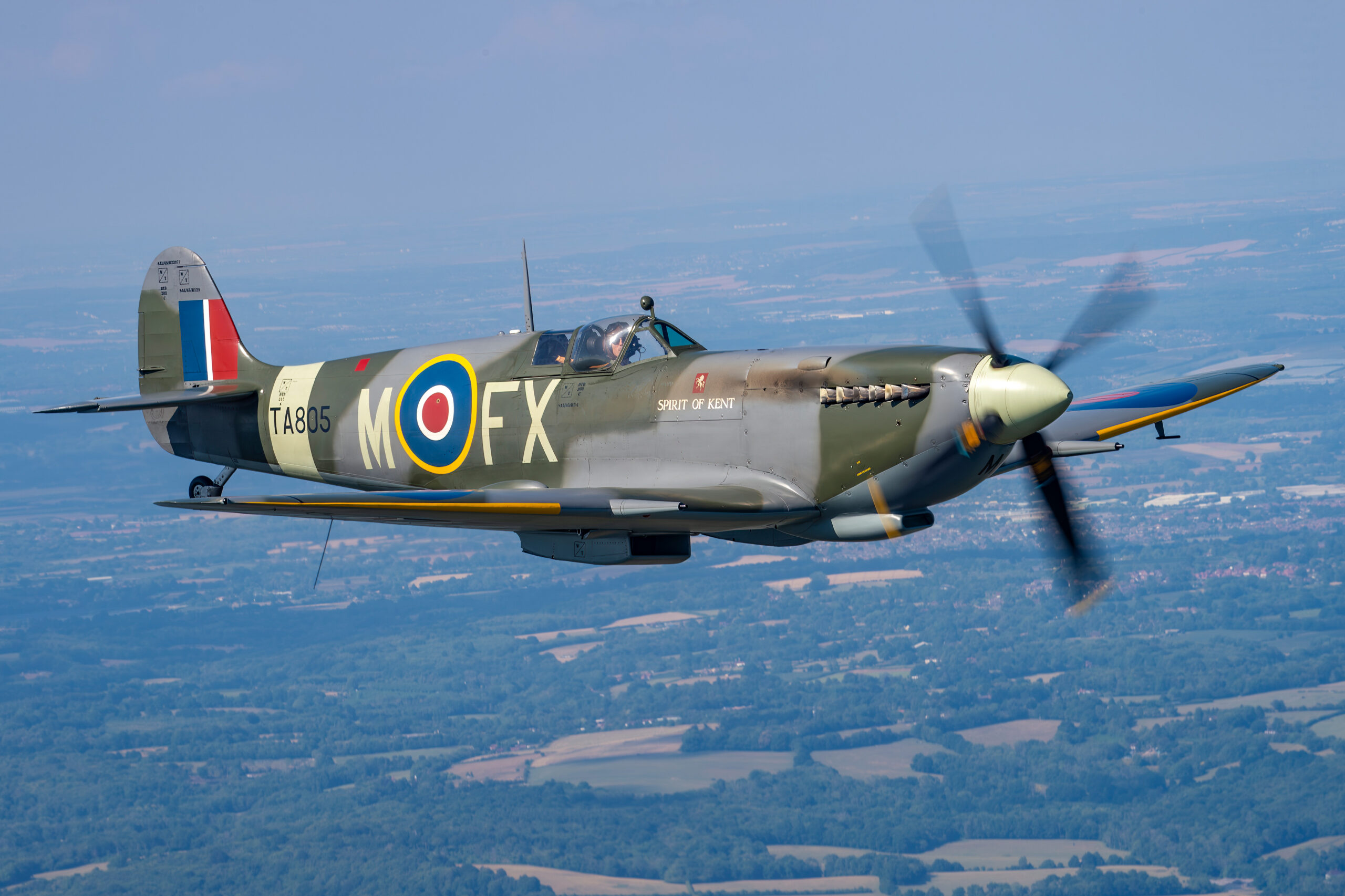
Display teams sell reliably. The Red Arrows in particular have a broad print and editorial market, as do warbirds such as the Spitfire and Lancaster, and heritage flights. These are the images enthusiasts buy for their walls and editors reach for when a story needs a recognisable aircraft. If you can shoot them cleanly, in good light, with a strong moment, they belong in a selling portfolio.
Golden-hour and weather frames
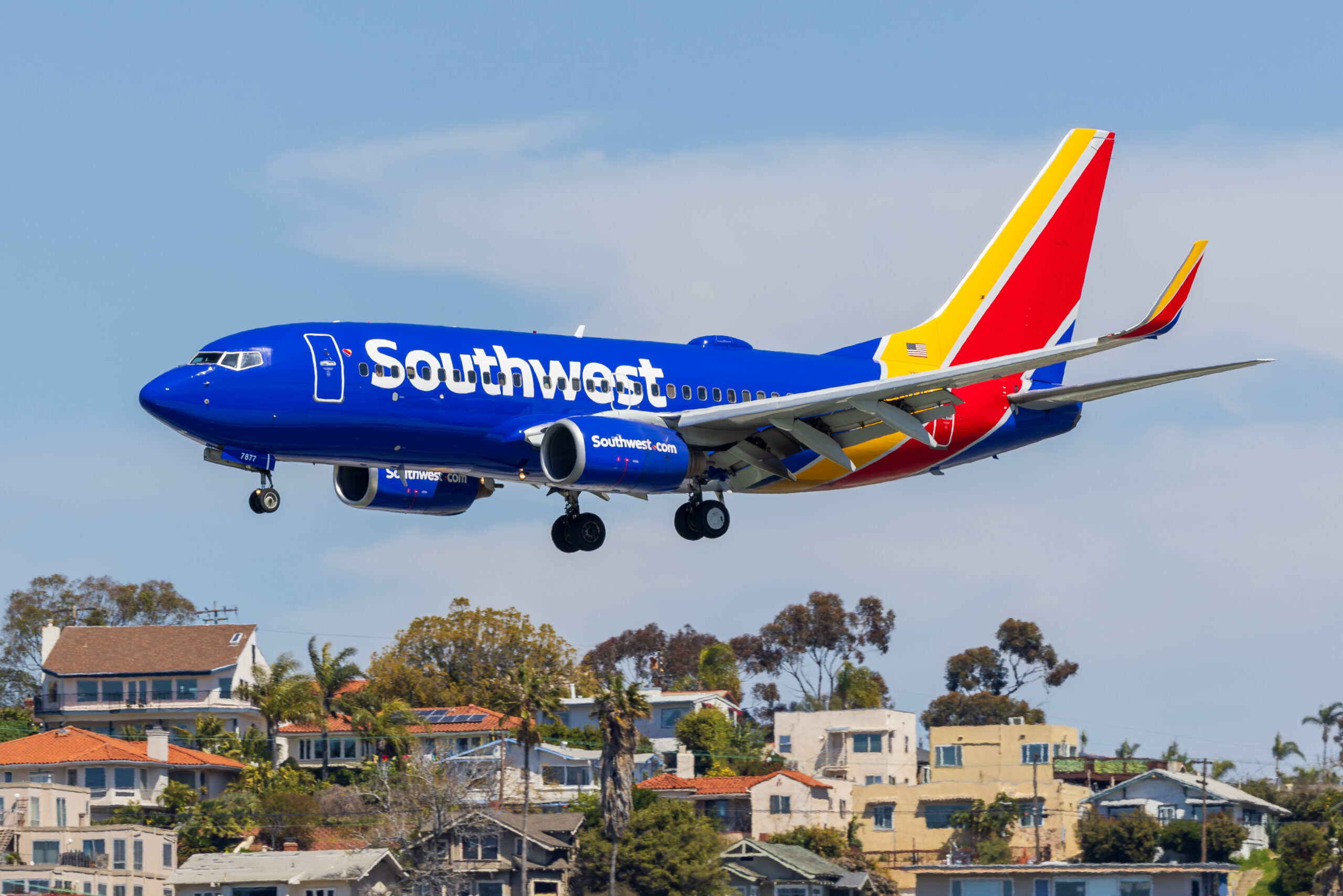
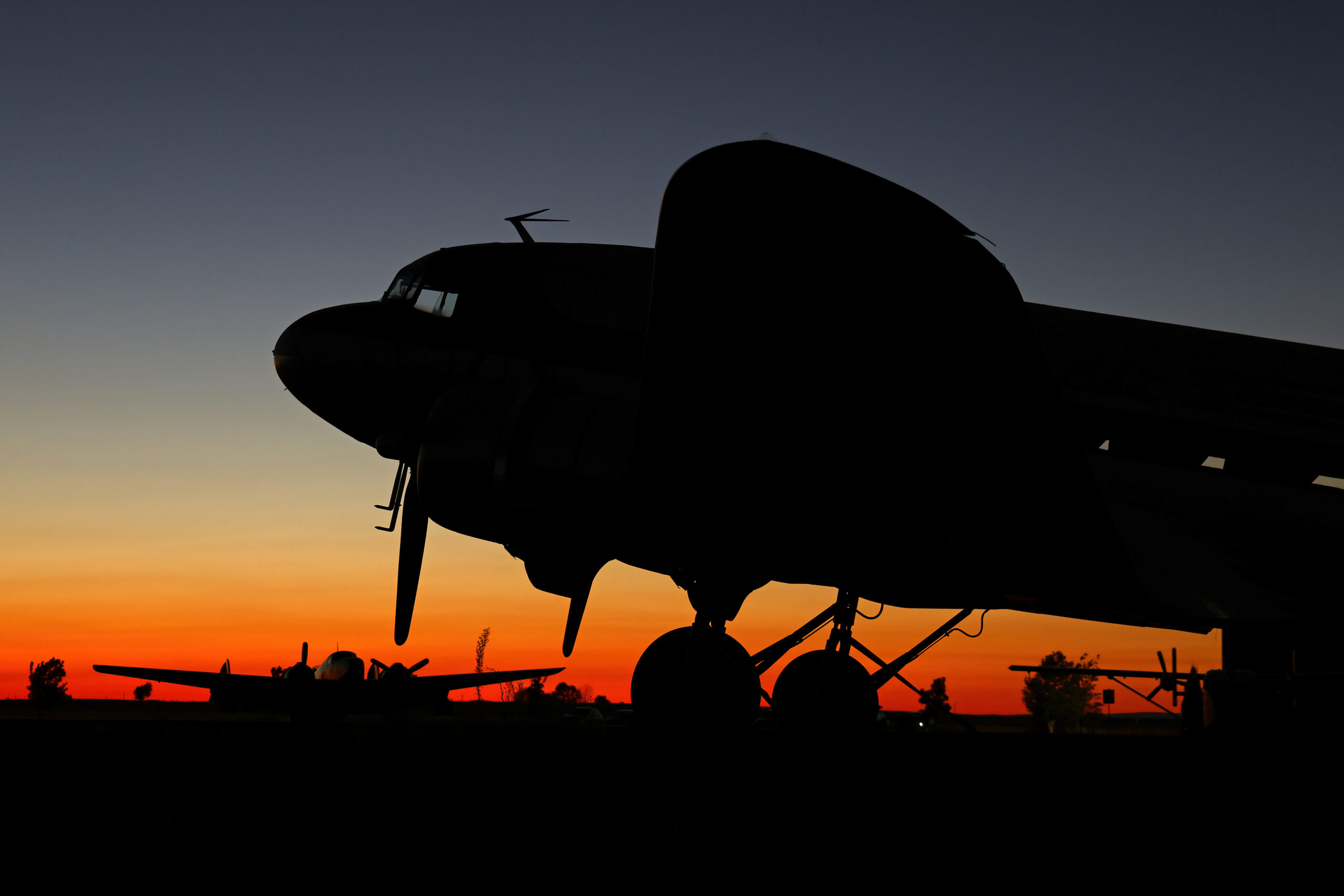
Light sells. A clean airliner in warm evening light, a fighter lit from the side at low sun, a silhouette against a burning sky: these outperform the same subject shot flat at midday, sometimes by a wide margin. Weather does the same job, adding drama a blue-sky frame cannot. If you want prints to move, weight your portfolio towards the hours and conditions most photographers pack up and go home in.
Detail, story and the human element
Beyond the hero shots, there is a steady market for images that tell a story: a groundcrew moment, a cockpit detail, a pilot walking out, the texture of a weathered airframe. These rarely make wall prints, but they sell well as editorial and stock because they fill the gaps a story needs. A portfolio aimed at editors should carry some of this documentary breadth, not just the money shots.
Know your local advantage
The subjects near you are the ones you can shoot repeatedly, in changing light and weather, until you own them. A local airfield, a coastal approach, a nearby display season: proximity lets you build depth no visiting photographer can match. Buyers value that depth, especially editors who need reliable coverage of a particular place or event.
The technical standard buyers expect
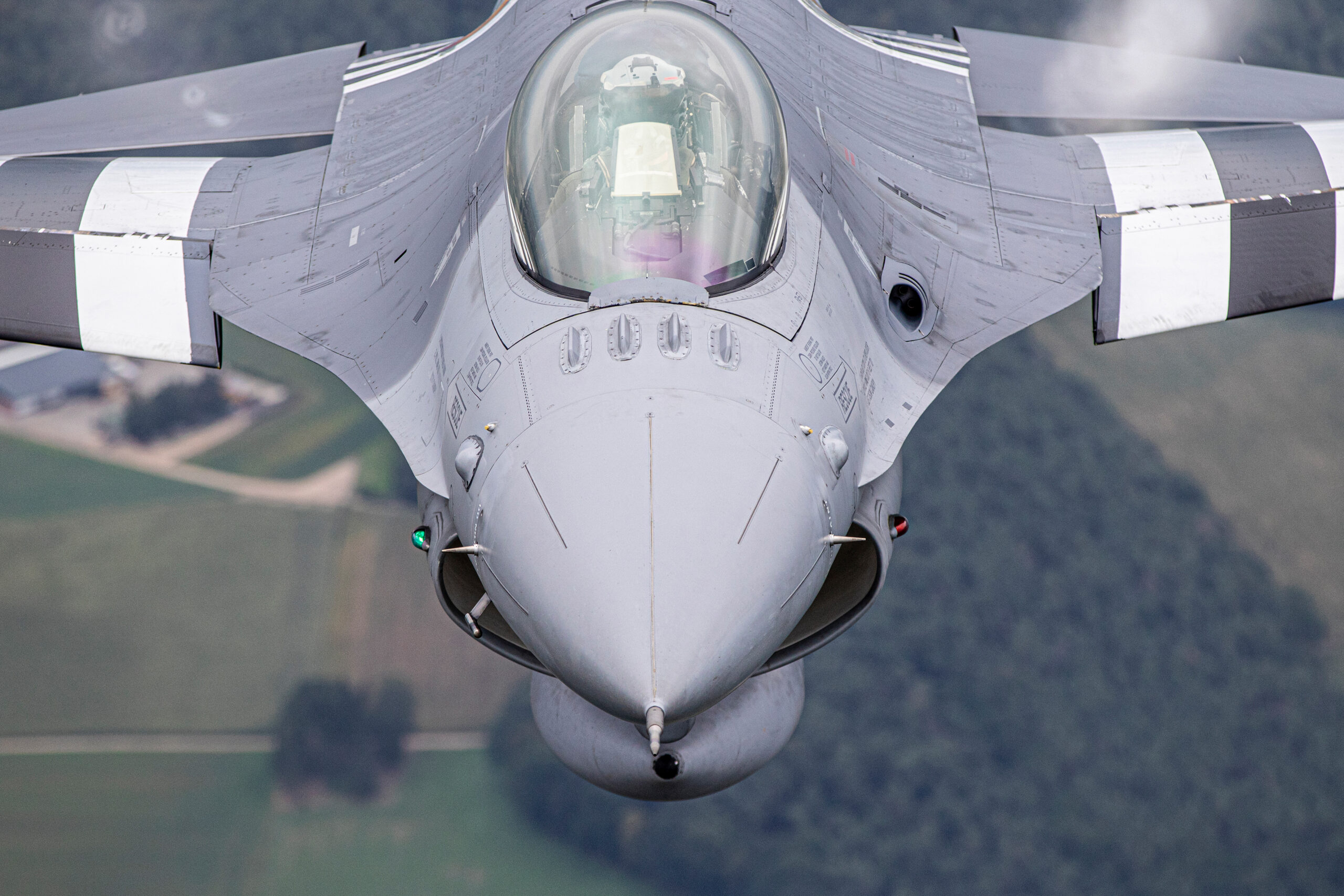
Creative quality gets attention, but technical quality is what closes a sale, especially with stock libraries and editors who reject on faults you might not even notice on a phone screen. Before an image goes in a selling portfolio, it should clear a set of technical minimums. The table below is a working checklist.
| Aspect | What buyers expect | Common failure |
|---|---|---|
| Sharpness | Critical focus on the cockpit and leading edge; deliberate motion blur only where intended | Front or back focus, camera shake on a long lens, over-sharpening haloes |
| Exposure | Detail held in both the airframe and the sky; no blown highlights on the top surfaces | Silhouetted undersides, clipped white fuselage, muddy shadows |
| Noise | Clean files at the sizes buyers use; controlled grain in shadows | Colour noise from heavy shadow lifts, smeary noise reduction |
| Colour | Accurate, consistent white balance; natural skies | Cyan or magenta skies, oversaturated markings |
| Cleanliness | Sensor spots removed; distracting elements dealt with in camera | Dust spots in the sky, clutter intruding at the frame edge |
| Resolution | Enough pixels for print or double-page use, delivered without upscaling artefacts | Heavy crops sold as full frames, visible interpolation |
Two of these deserve extra care. Sharpening and noise reduction, applied badly, do more visible damage than the original faults. Our guide to editing aviation photos covers a sensible order of operations that keeps files clean at the sizes buyers actually use. The other is honest cropping. A heavy crop can rescue a composition, but if you crop a twenty-megapixel frame down to six and sell it as full resolution, a stock reviewer will see it and reject the file, and repeated rejections hurt your standing on the platform.
Editorial integrity
For editorial and news use there is a hard line on manipulation. You may correct exposure, colour, contrast and remove sensor dust, but you must not add or remove elements, change a registration, or alter a livery. The major aviation databases enforce this strictly, and a manipulated file can get you banned rather than merely rejected. If you want your images trusted for editorial use, treat that line as absolute.
Your portfolio website: structure and sequencing
Social media is where people find you; a website is where you sell. An Instagram grid is a discovery tool, not a portfolio, because you do not control the order, the crop or whether the platform even shows your work to the people who follow you. A simple website you own puts your best work in the sequence you choose and gives buyers a way to contact and pay you. You need both, and they do different jobs.
Choosing a platform
You do not need to build anything from scratch. As of 2026 the usual choices for photographers are Squarespace, which is a polished general builder with photography templates and commerce, from around 12 pounds or dollars a month; Format, a photographer-focused builder from around $10 a month billed annually; and SmugMug, the long-running photographer platform built for serving large volumes, from around $20 a month, with print sales and fulfilment from around $23.50. Pixpa, Pixieset and Zenfolio cover similar ground, often bundling client galleries and print sales. Any of them will do. The platform matters far less than the edit you put on it.
Structure that helps a buyer
Keep it simple. A strong landing gallery of your very best work, a small number of themed galleries below it, an about page with a real photograph of you and a short honest bio, and a contact page that works. If you sell prints or licences, make that obvious and easy. Do not bury a buyer under fifteen menu items and a blog they did not come for. Every extra click is a chance to lose them.
Sequencing for impact
Order matters more than most people think. Open with a genuine showstopper, because the first image sets the expectation for everything after it. Close strong too, since the last image is the one they leave with. In between, vary the rhythm: a tight portrait, then a wide environmental frame, then something with motion, so the eye never settles into boredom. Avoid putting two similar frames side by side, and never let a weaker image sit next to your strongest, where the contrast will expose it. Good sequencing can make a set of good images feel like a great portfolio.
Make it fast and findable
Large images that load slowly cost you viewers. Export at sensible dimensions, use descriptive file names rather than camera codes, and fill in the alt text and captions. This helps buyers, helps search engines, and takes minutes per image. A portfolio nobody can find is not selling anything, so treat discoverability as part of the build, not an afterthought.
Selling through stock libraries
Stock is the volume game. Individual sales are small, but a broad, well-keyworded catalogue earns quietly in the background for years. It rewards depth and consistency rather than the ruthless single edit a print portfolio needs, so the mindset is different: here you want coverage, correct captions and clean files, not just your twenty best frames.
The main libraries and how they pay
As of 2026, the picture looks roughly like this. Alamy is the traditional home for editorial and aviation work, paying contributors 40 per cent once annual licence fees pass $3,000 under the structure that begins on 1 September 2026, with a 50 per cent rate on Alamy-exclusive images reserved for its highest-billing tier, and it accepts the documentary breadth aviation photographers naturally produce. Adobe Stock pays a flat rate of around 33 per cent and has a large, active buyer base. Shutterstock moves a lot of volume but runs a tiered rate from about 15 to 40 per cent that resets to the bottom every January, so early-year sales pay least. Rates and terms change regularly, so check the current contributor pages before you commit, and read the licence you are agreeing to.
There are also aviation-specific databases such as JetPhotos and Airliners.net. These are not primarily about income; they are screened showcases with strict standards, and being accepted there builds credibility and reach. Their editing rules are unforgiving, which is good discipline for anyone building files buyers can trust.
Making stock actually earn
Three things separate a stock catalogue that earns from one that does not. Depth, because a handful of files will never generate meaningful sales and a few thousand relevant ones will. Accuracy, because a buyer searching for a specific type, registration or event needs your caption and keywording to match how they search. And patience, because stock income builds slowly and compounds. If you want a faster or higher-margin return, stock is the wrong route and prints or commissions are the right one.
Licensing beyond the big libraries
You can also license directly, cutting out the agency and keeping the full fee. This works best once you have a name and a body of work editors know to come to. Make your terms and usage clear, keep model and property considerations in mind for any commercial use, and point buyers to a simple, readable set of terms. If you want to see how a working aviation photographer presents this, the Piemags licensing options are a useful model, and there is more detail in our guide to licensing your aviation photography for stock.
Selling prints and wall art
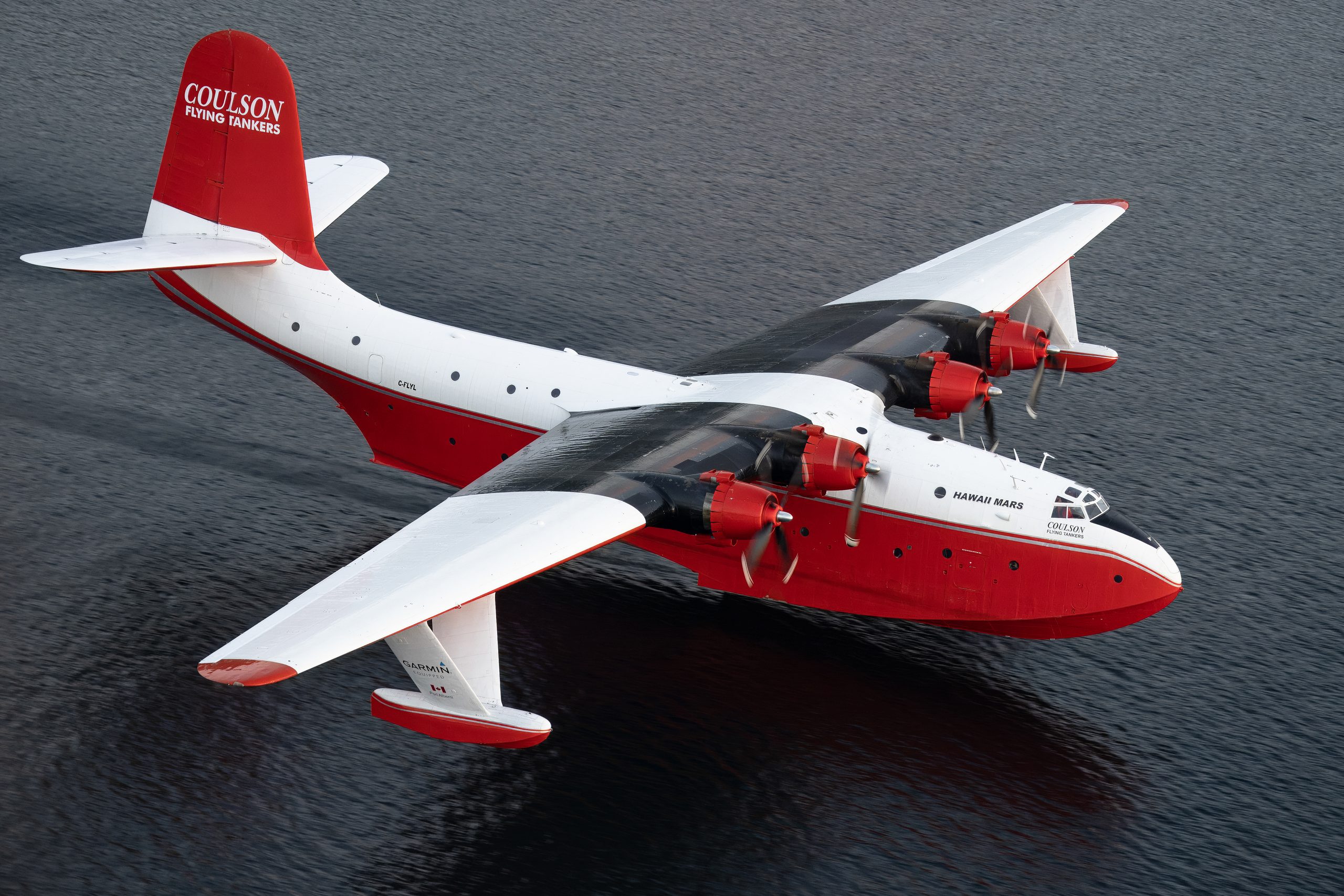
Prints are the highest-margin route for most aviation photographers, because you sell a physical object at a price that reflects the work and the paper, not a fraction of a stock download. They also reward exactly the kind of image a signature portfolio is built around: striking, emotional, wall-worthy frames with strong light and clean composition.
Which images sell as prints
Not every good photograph makes a good print. Buyers hang images that move them or that mean something to them: a beloved aircraft, a display team, a dramatic sky, a nostalgic type. Clean backgrounds matter more here than anywhere, because a print lives on a wall for years and clutter that you tolerate on screen becomes unbearable at A2. Lean towards your most graphic, best-lit, most emotionally direct frames.
Print on demand or hand finished
You have two broad models. Print on demand through a platform or a lab handles fulfilment and shipping, takes a cut, and lets you offer a catalogue with no stock or upfront cost. Hand-finished prints, where you or a trusted lab produce, check, sign and ship each one, cost you more time but command higher prices and feel special to the buyer. Many photographers start with print on demand to test what sells, then move their best sellers to hand-finished editions.
Pricing without guessing
Price from cost and position, not from anxiety. Start with your print cost, add packaging and shipping, then set a margin that reflects the work and the market you are aiming at. Open prints sit lower; limited editions, signed and numbered, sit higher because scarcity carries value. Underpricing does not win more sales, it signals low value and trains buyers to expect it. Look at what established aviation photographers charge for comparable sizes and pitch yourself plainly against that.
Editorial and commercial licensing
Licensing is where a single image can earn many times over without you selling a physical thing. The same frame can be licensed to a magazine, a website, a book and a calendar, each for a defined use, while you keep the copyright and the original. Understanding the basics turns a portfolio from a shop window into a working asset.
Editorial versus commercial use
The distinction matters because it changes what you can license and what you must clear. Editorial use covers news, articles and books that inform or comment: an image of a specific aircraft at a specific event, used to illustrate a story. In the UK and United States it generally needs accurate captions but not model or property releases, though some European jurisdictions give individuals rights over their own likeness even in editorial use. Commercial use covers advertising and promotion, where an image sells or endorses a product, and that usually requires releases for recognisable people and sometimes property and trademarks. Aviation work is mostly editorial, which is convenient, but if a brand wants your image to sell something, the rules tighten.
Rights and terms
License by defined use rather than handing over everything. A standard editorial licence sets out where, how large, how long and in what territory an image may run. Rights-managed licensing prices each use specifically and can be exclusive; royalty-free lets a buyer use an image many times for a single fee. Keep your terms in plain language, keep records of what you have licensed to whom, and never sign away your copyright when a use licence is all the buyer actually needs.
Protecting your work
Licensing only works if your ownership is clear. Keep your original raw files and full-resolution masters, embed your copyright and contact details in the metadata, and register or timestamp important images where you can. Watermarks on preview images deter casual theft, though they should never appear on the file a paying client receives. A tidy, well-documented archive is what lets you license confidently and prove authorship if you ever need to.
Keywording and metadata that gets you found
The best-edited portfolio earns nothing if buyers cannot find it. On stock libraries and search engines alike, images are found through words, and aviation is a field where the right words are specific and knowable. A photographer who keywords properly will often outsell a better photographer who does not, simply because their files surface when a buyer searches.
Caption the aircraft correctly
Get the identity right. Type and variant, manufacturer, operator or air arm, registration or serial, the airfield or event, and the date. This is exactly the information an editor searches for, and it is where accuracy pays. Being able to read military markings and serials is not just enthusiast knowledge, it directly improves the value of your files by letting you caption them precisely. A vague caption is a lost sale.
Layer your keywords
Think in layers, from specific to general. Start narrow, with the exact type and registration, then widen to role and manufacturer, then to broad concepts a picture editor might use: military, jet, formation, display, sunset, speed, power. Include the event and location. Do not stuff irrelevant terms, because false hits annoy buyers and some platforms penalise them, but do cover the honest ways a person might describe your image. Our full guide to keywording aviation photos for stock goes through this in detail.
Embed it once, use it everywhere
Write your metadata into the file itself, in the caption, keyword and copyright fields, and it travels with the image wherever it goes: to a stock library, a client, a website. Doing this at ingest, as part of your editing routine, saves hours later and means you never have a strong image sitting unfindable because you never got round to describing it. Metadata is unglamorous, and it is one of the highest-return habits in the whole business.
Common portfolio mistakes that cost sales
Most failing portfolios fail for the same handful of reasons. None of them are about talent, and all of them are fixable in an afternoon.
Too many images
The commonest fault by far. Volume feels like generosity, but to a buyer it reads as an inability to self-edit. Cut to your best and the whole set lifts.
Inconsistent processing
Skies that lurch from navy to cyan, contrast that swings frame to frame, one image oversharpened and the next soft. Inconsistency makes strong images look accidental. Settle a look and apply it across the set.
No clear audience
A portfolio built for everyone speaks to no one. Decide whether this set is for print buyers, editors, clients or followers, and let that decision shape the edit and sequence.
Weak backgrounds and clutter
A distracting background sinks an otherwise good frame, and it is doubly fatal in a print. Watch the edges, watch for poles and crowds and haze, and deal with clutter in camera rather than hoping to fix it later.
Ignoring metadata and captions
Uncaptioned, unkeyworded files do not sell because buyers never find them. This is pure lost revenue, and it costs only a few minutes per image to prevent.
Undervaluing the work
Pricing prints and licences too low does not win more business, it signals low value and undercuts the whole market you are trying to enter. Price with confidence and honesty.
Chasing gear instead of editing
A sharper lens will not fix a loose edit. The photographers who sell are the ones who cut hard and process consistently, not the ones with the newest body. Spend your effort on the edit first.
A 30-day plan to build a portfolio that sells
Reading about this changes nothing; doing it does. Here is a month-long plan that takes you from a full memory card and no direction to a working, selling portfolio. Adjust the pace to your life, but keep the order.
Week one: define and gather
Decide which kind of selling you are aiming at first, print, stock, editorial or commissions, and write it down. Then pull every candidate image from the last year or two into one place. Do not edit yet, just gather. By the end of the week you should know your target and have your raw material in front of you.
Week two: cull and score
Run the three-pass system. Reject everything that fails the technical floor, score the survivors on light, moment and composition, then judge them as a set and kill the duplicates. Be harder than feels comfortable. You are aiming for 20 to 40 images for a front portfolio, fewer for prints. Expect to end the week with far fewer pictures than you started with, and a much stronger set.
Week three: process and prepare
Settle a consistent look and apply it across the whole set, using a repeatable editing routine. Caption and keyword every file properly, embedding the metadata. Export at sensible sizes with descriptive file names. By the end of the week your selected images should be finished, consistent and findable.
Week four: publish and price
Build or refresh a simple website, sequence your best work for impact, and write an honest about page and a working contact page. Set up one selling route to start, whether that is a print shop, a stock account or a licensing page, and price it with confidence. Then tell people it exists. A portfolio nobody knows about sells nothing, so share it where your buyers actually are. To see how a full working archive is organised and presented, browse the Piemags aviation galleries for a sense of scale and structure.
Requesting images. Email sales@piemags.com with the subject you need, the medium, the territory, the print run or audience, and your deadline. That is enough to quote against. Licensing terms are set out on the Piemags licences page.
A portfolio puts your work in front of people who may use it without asking. Our guide to aviation photography copyright, watermarks and metadata covers what the law gives you, what it does not, and what the routes actually are when a picture turns up somewhere it should not be.
That section is the short version. The business of actually selling them, the four routes and what each one takes, pricing from the lab invoice upwards, and the fourteen-day cancellation right that probably does apply to a print ordered from a catalogue, is set out in our guide to selling prints of your aviation photography.
Frequently asked questions
How many photos should be in an aviation photography portfolio?
For a front-facing portfolio, aim for 20 to 40 of your strongest images, and tighter still, around 15 to 25, for a print portfolio. A stock catalogue is different because depth is the product there, but any single gallery a buyer lands on should still feel curated. Buyers judge you on your weakest visible image, so fewer and stronger almost always beats more and mixed.
Can you actually make money from aviation photography?
Yes, but rarely as a single large income and usually as a mix of small streams: prints, stock, editorial licensing and the occasional commission. Prints carry the highest margin per sale, while stock earns small amounts steadily over time. Realistic expectations and a portfolio built for a specific buyer matter more than raw talent.
What aviation photos sell best?
Recognisable subjects shot in good light sell best: display teams such as the Red Arrows, warbirds like the Spitfire, and clean airliners or fighters in golden-hour or dramatic weather. Prints reward emotional, wall-worthy frames, while editorial and stock reward accurate, well-keyworded coverage of specific types and events. Flat midday record shots are the hardest to sell as prints, though they still earn as editorial stock.
Do I need a website, or is Instagram enough?
You need both, because they do different jobs. Social media is where people discover your work, but you do not control the order, the crop or who sees it, so it is a shop window rather than a shop. A simple website you own lets you sequence your best work, set prices and take contact and payment, which is where selling actually happens.
What are the best stock sites for aviation photography?
As of 2026, Alamy suits editorial and aviation work and, from 1 September 2026, pays 15 to 40 per cent depending on your annual licence fees, reaching 40 per cent above $3,000 a year, Adobe Stock pays a flat rate near 33 per cent with a large buyer base, and Shutterstock moves high volume on a tiered rate that resets each January. Aviation-specific databases such as JetPhotos and Airliners.net build credibility more than income. Always check current contributor terms before committing, as rates change often.
How should I price aviation photography prints?
Work up from cost rather than guessing: add print, packaging and shipping costs, then set a margin that reflects the work and your target market. Open prints sit lower, while signed and numbered limited editions command more because scarcity adds value. Underpricing does not win more sales, it signals low value, so pitch yourself plainly against established photographers selling comparable sizes.
Why do my aviation photos not sell?
The usual reasons are a portfolio that is too large and inconsistently edited, images with no clear buyer in mind, and files that are never captioned or keyworded so buyers cannot find them. Weak backgrounds, inconsistent processing and underpricing also cost sales. Fixing the edit and the metadata usually does more than buying new gear.
How do I get my aviation photography noticed?
Show a small, consistent, well-sequenced body of work, keyword and caption it accurately so it surfaces in searches, and put it where your buyers already are, whether that is a screened database, a print shop, a stock library or an active social feed. A recognisable style that people can identify before they see your name is what turns attention into repeat interest and sales.
