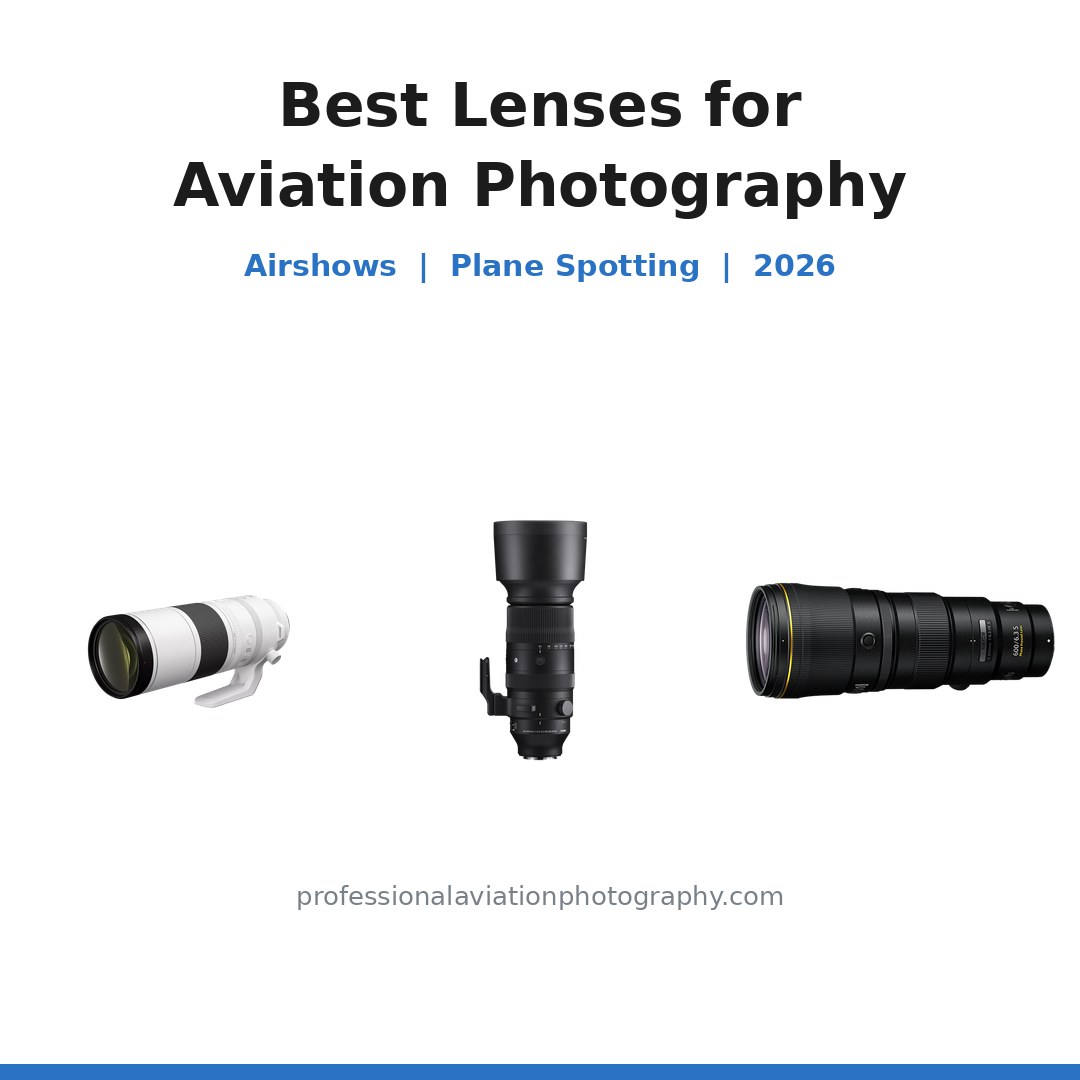
The best lenses for aviation photography in 2026 are the 600mm-class telephoto zooms for each system: the Sony FE 200-600mm f/5.6-6.3 G OSS, the Nikon Z 180-600mm f/5.6-6.3 VR and, on Canon, the RF 200-800mm f/6.3-9 or the RF 100-500mm L, with the Sigma 150-600mm DG DN and Tamron 150-500mm offering most of the same performance for less money. Aircraft are distant, fast and unrepeatable, so the lens that wins is the one with enough reach, autofocus that keeps up with a crossing jet, and a weight you can still hold steady in the third hour of a flying display.
Ask ten aviation photographers what camera they use and you will get ten answers and a shrug. Ask about lenses and the room goes quiet, because this is the decision that actually shapes your photographs. This guide covers every major system, from full-frame Sony, Canon and Nikon to Fujifilm, OM System and the used market, with verified specifications, teleconverter compatibility and approximate July 2026 street prices for each recommendation. Prices were checked in August 2026 and are US figures checked against B&H and maker stores in July 2026 and are approximate; UK and European prices track them closely.
Updated July 2026: the market has moved noticeably in the past eighteen months. Sony began shipping its new FE 100-400mm F4.5 GM OSS in June 2026, a constant-aperture, internal-zoom redesign of the 2017 original with four XD linear motors and a price of £4,399. Sigma’s 300-600mm F4 DG OS Sports, shipping since April 2025 at £5,899 in Sony E fit and £5,999 in L-mount, gives Sony E and L-mount shooters prime-grade optics with a bright fixed aperture for a fraction of the cost of a 600mm f/4 prime. Tamron announced in February 2026 that it plans ten new lenses this year, and in late July 2026 confirmed that it had received a non-binding acquisition proposal from Sony, which should widen third-party choice further. Street prices have moved in both directions, with several long zooms now discounted below list: the Sony 200-600mm sells for £1,599 and the 400-800mm for £2,399, while Canon’s RF 200-800mm sells for £2,269.
What this guide covers
- What actually matters in an aviation lens
- How much reach do you really need?
- Zoom or prime?
- Best lenses for Sony E-mount
- Best lenses for Canon RF
- Best lenses for Nikon Z
- Third-party value: Sigma and Tamron
- Crop sensor, Fujifilm and Micro Four Thirds
- Budget routes and the used market
- Teleconverters: cheap reach with caveats
- Recommendations at a glance
- Frequently asked questions
What actually matters in an aviation lens
Before any model names, it helps to be clear about what you are buying. Five qualities separate a lens that thrives on the flight line from one that frustrates you, and they are not the qualities that dominate general lens reviews. Bokeh rendering matters very little when your subject is a Typhoon at 400 metres. Focus speed at distance, against cluttered backgrounds, matters enormously.
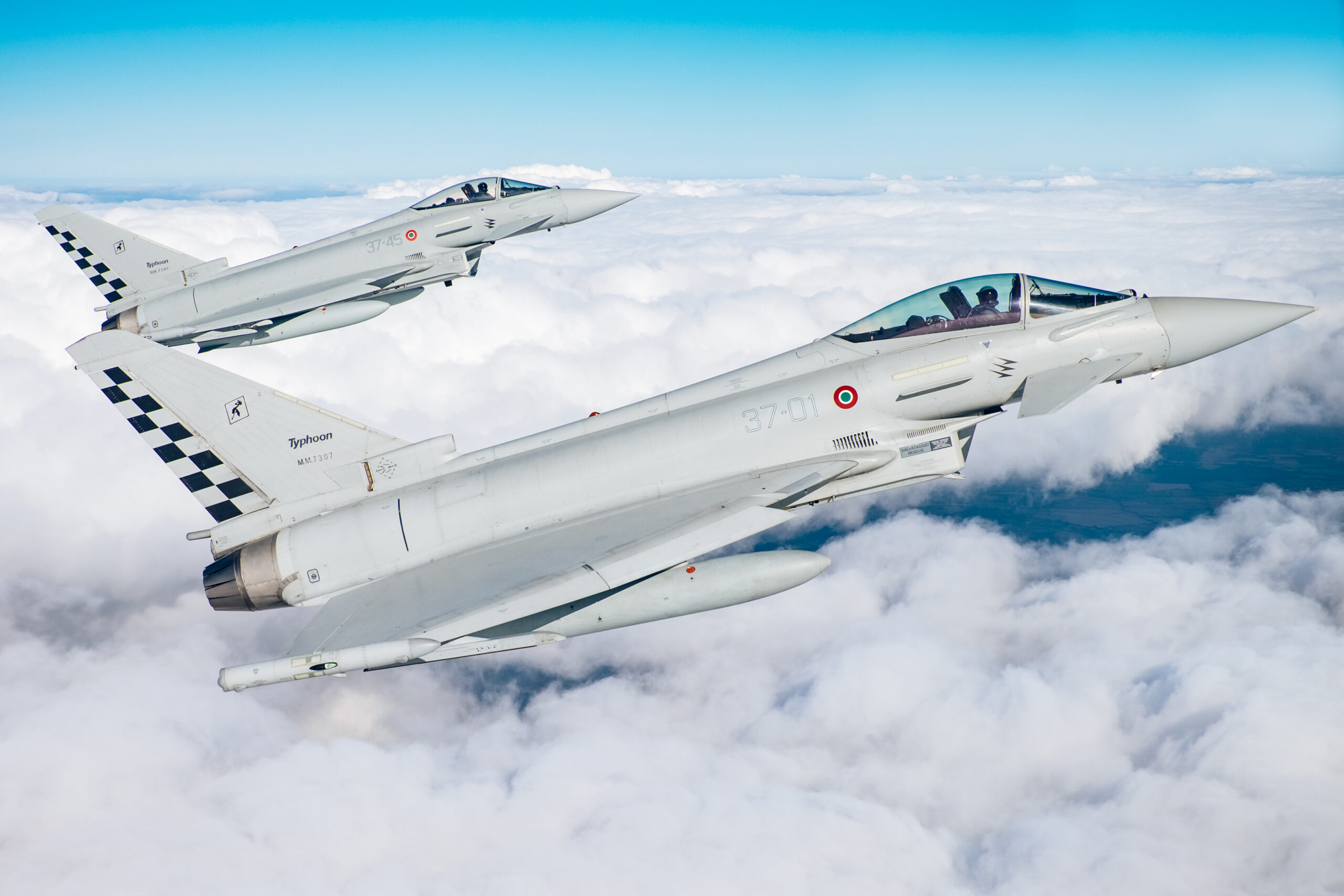
Reach comes first
Aircraft are photographed at distance, so focal length is the headline number. Treat 200mm as the absolute minimum on full frame, 400mm to 600mm as the sweet spot for airshow and spotting work, and 800mm and beyond as the territory of distant arrivals and high displays. More reach is almost always welcome, right up to the point where the lens becomes too heavy to hold or too dim to focus. Every recommendation in this guide sits somewhere on that trade-off line.
Airports are the exception worth knowing about. Across 49 frames shot on full frame at Palm Springs, the median focal length was 186mm, because airliners are large and the vantage points there are close to the runway. A guide written for displays will always ask for more reach than a close-in airport actually needs.
It cuts both ways, though. At San Diego, shot on the same trip with the same lens, the median came out at 254mm rather than 186mm and only 17 per cent of frames were at or below 200mm. Two airports two hours apart, and the honest answer to how much lens you need was different at each.
A third set settles what is actually driving it. At Scottsdale, photographing business jets rather than airliners on the same body and lens, the median rose to 270mm and a quarter of the frames needed 400mm or more. Aircraft size sets focal length far harder than the airport does.
Autofocus speed and tracking
A jet crossing the display line is a hard, fast target, often against a busy background of trees, hangars or crowd. A lens with quick, confident focus motors, whether linear motors or ring-type ultrasonic drives, keeps up where a slower design leaves you a burst of soft frames. This is where recent lenses pull clearly ahead of DSLR-era designs, and it is also where the camera behind the lens matters. The same zoom that hunts on a 2018 body can feel transformed on a current one with aircraft subject detection, so if your keeper rate is poor, the body may be the limiting factor rather than the glass.
Stabilisation
Long lenses magnify every wobble. Optical stabilisation in the lens steadies the viewfinder image so you can frame and pan smoothly, and it is what makes the slow shutter speeds needed for propeller blur achievable handheld. In-body stabilisation alone struggles at 500mm and 600mm because the angular movements exceed what a sensor can correct, so a stabilised lens remains close to essential. Look for a dedicated panning mode, which corrects vertical shake while leaving your horizontal sweep alone; Sony, Canon, Nikon, Sigma and Tamron all fit one to the lenses recommended here.
Aperture and weight, the honest trade
Bright apertures gather light and isolate subjects, but at long focal lengths they make a lens enormous, heavy and expensive. For daytime flying you will usually be shooting at around f/8 anyway, for depth of field across a wing span and for peak sharpness, so most aviation photographers happily trade a stop or two of aperture for a lens they can carry all day. That is exactly why the f/5.6-6.3 super-zooms dominate the genre. The catch, and it is a real one, is that the dimmest lenses, the f/8 and f/9 long ends, can slow autofocus in dull light. If you shoot in British weather rather than Nevada sunshine, weigh that seriously. Our guide to handholding a long lens at 500mm and beyond covers the technique side of the weight equation.
Build and weather sealing
Airshows happen in dust, heat, sea air and the occasional downpour, and a display does not pause while you shelter your gear. Weather sealing and a solid barrel are worth paying for if you shoot often. Internal zoom designs, which do not extend as you change focal length, add a further practical advantage: constant balance while panning and no air pumped through the barrel on a dusty airfield. In one line, the ideal aviation lens is a stabilised telephoto zoom reaching 400mm to 600mm, with fast autofocus, at a weight you can hold through a full display. Everything below is a variation on that theme.
How much reach do you really need?
This is the question that trips up newcomers, and almost everyone who buys short wishes they had bought longer. The right answer depends on your sensor, your venues and your arms, in that order.
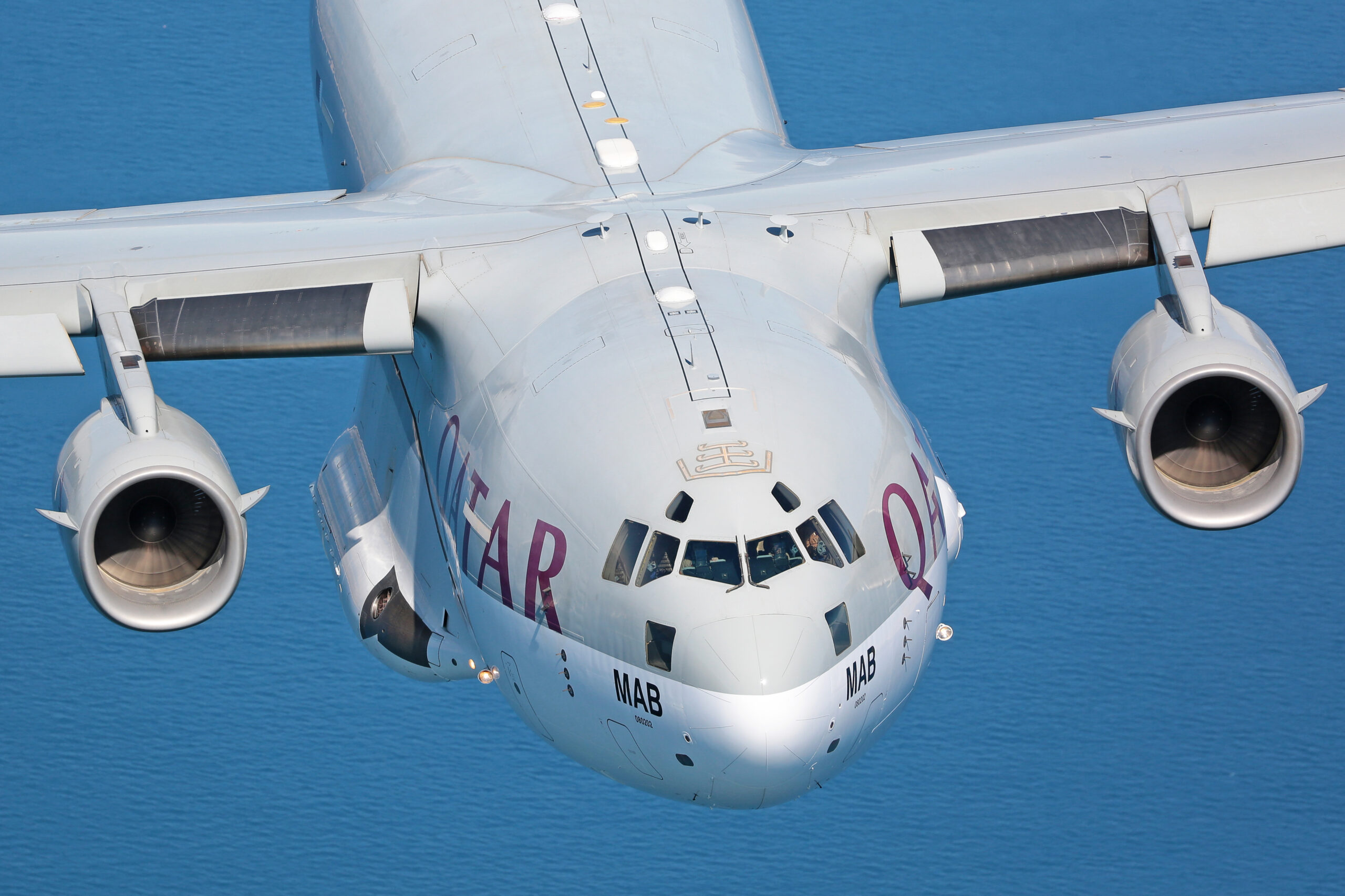
On a full-frame camera, 400mm comfortably handles most airshow passes and a fair amount of spotting, especially with large aircraft. Step up to 500mm or 600mm and you can fill the frame with topside passes and more distant subjects, which is why the 200-600mm and 150-600mm class is the default choice for so many. Beyond 600mm, Canon’s RF 200-800mm and Sony’s FE 400-800mm open up high passes, distant arrivals and heat-hazed runway shots, at the cost of size and a darker maximum aperture. There is a practical ceiling too: past 800mm, atmospheric haze and shimmer often limit sharpness more than the optics do.
On an APS-C body the smaller sensor crops into the image circle for an effective reach gain of 1.5x, or 1.6x on Canon. A 400mm lens frames like 600mm or 640mm, so a crop body is a smart, affordable route to reach. Micro Four Thirds doubles effective focal length, so a 300mm lens behaves like 600mm and a 400mm like 800mm, which is why OM System retains a devoted aviation following despite the smaller sensor.
The rule of thumb that has served this site for years: buy the most reach you can comfortably hold and afford, then crop the rest in editing. Modern 24 to 45 megapixel sensors tolerate a meaningful crop, and a sharp 600mm frame cropped ten per cent beats a shaky 800mm frame every time.
Zoom or prime?
For aviation, a zoom is the right answer for the overwhelming majority of shooters. Aircraft move through a display at constantly changing distance, so a fixed focal length repeatedly gives you too much or too little framing, and nobody swaps lenses fast enough to keep up with a display sequence. A telephoto zoom lets you pull back for a formation and push in for a solo topside pass in one motion, which is the difference between a full card and a full set.
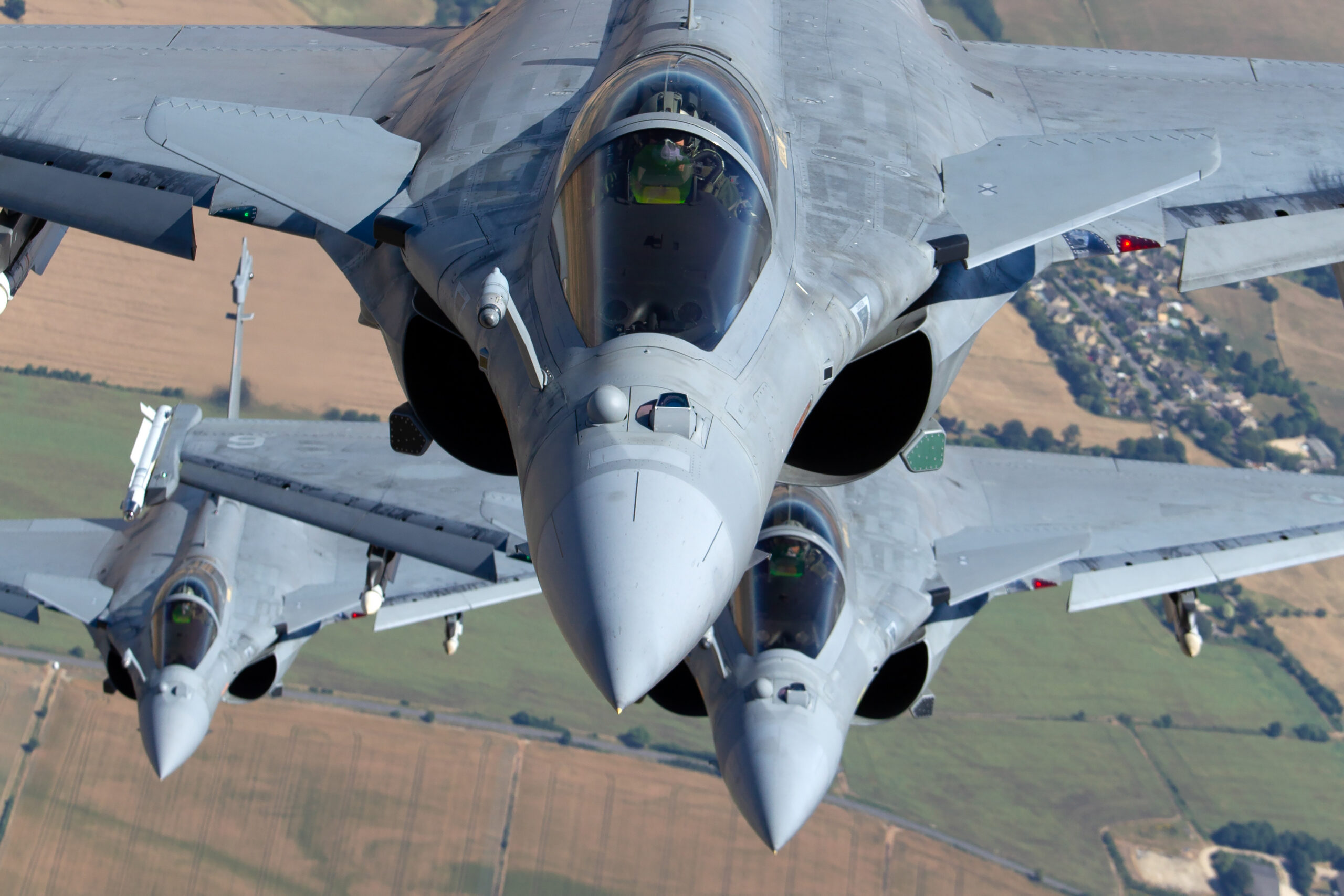
Primes still have a place. They tend to be optically superb and a touch faster to focus, and the lightweight phase-Fresnel designs, Nikon’s 600mm f/6.3 and 800mm f/6.3 in particular, have carved out a niche as second lenses for committed shooters: maximum reach and prime image quality in a package you can handhold. Sigma’s 300-600mm f/4 splits the difference, a constant-aperture zoom with prime-grade optics for photographers who need f/4 in poor light. But unless you have a specific reason, start with a zoom and add long glass later once your shooting tells you which focal length you actually live at.
Best lenses for Sony E-mount
Sony shooters have among the widest choice in the game: two first-party super-telephoto zooms, a brand-new premium 100-400mm, and full third-party support from Sigma and Tamron. Approximate prices below are July 2026 US street figures.
Sony FE 200-600mm f/5.6-6.3 G OSS: the default choice
This is the lens most Sony aviation photographers end up with, and with good reason. Sharpness is strong and consistent across the range, autofocus from the Direct Drive supersonic motor is fast and dependable on modern Alpha bodies, and the internal zoom means the barrel never extends: balance stays constant while you pan and dust stays out. The specification sheet reads like an aviation wish list: Optical SteadyShot with three modes including a panning mode, dust and moisture resistance, a 95mm filter thread, an 11-blade aperture and compatibility with Sony’s 1.4x and 2x teleconverters. At 2,115g it is no featherweight, and on an APS-C body it frames like a 300-900mm. £1,599 new at Wex, where used copies of this one are not currently listed.
Sony FE 400-800mm f/6.3-8 G OSS: maximum reach
Launched in 2025 as Sony’s longest native zoom, the 400-800mm exists for photographers who know they need more than 600mm. The extra reach transforms distant arrivals and high displays, the internal zoom and twin linear motors keep handling and focus brisk, and with the 2x teleconverter it stretches to a remarkable 1,600mm. The caveats are equally clear: 2,475g including the fixed tripod foot, a dim f/8 long end that makes autofocus work harder in gloom, and a price of £2,399. Most owners will want a monopod for a full display day; our guide to choosing a monopod for aviation photography covers the options. Buy it as a second lens or as a deliberate reach specialist, not as a first aviation lens.
Sony FE 100-400mm f/4.5-5.6 GM OSS and the new F4.5 GM
The 2017-vintage 100-400mm GM remains a superb lighter option at about 1.4kg: G Master optics, a wide end that covers taxiing aircraft and statics, and teleconverter compatibility for distant work. It sells for £2,149. The news for 2026 is its successor in all but name: the FE 100-400mm F4.5 GM OSS, announced in May 2026 and shipping since June. It brings a constant f/4.5 aperture, an internal zoom, four XD linear motors that Sony claims focus up to three times faster, and a weight of 1,840g. With the 1.4x converter it becomes a 140-560mm f/6.3, and with the 2x a 200-800mm f/9. At £4,399 it is a professional purchase, and the original remains the sensible value pick, but for shooters who want one premium lens for airshows, air-to-air and general work, on paper it is the most capable 100-400mm yet made.
Best lenses for Canon RF
Canon’s RF telephoto range now covers every budget from £719 to well past £10,000. Three zooms matter most for aviation.
Canon RF 200-800mm f/6.3-9 IS USM: the reach king
Few mainstream lenses give you 800mm for anything close to this money. The 200-800mm covers a taxiing airliner and a distant high pass without a lens change, weighs a manageable 2,050g, stabilises to a claimed 5.5 stops, and focuses quickly and near-silently with Nano USM. Canon lists it as extender-compatible without the zoom-range restriction that applies to the 100-500L, taking it to 1,120mm or 1,600mm; Sony’s 400-800mm offers the same across its range, taking it to 1,120mm or 1,600mm. The limitation is light: f/9 at the long end is demanding on dull days, and autofocus slows as the light drops. For daytime aviation, where you would be at f/8 or so regardless, it is an outstanding match. Wex lists it at £2,269.
Canon RF 100-500mm f/4.5-7.1L IS USM: the refined all-rounder
If the 200-800mm is about reach, the 100-500L is about quality. It is sharp across the frame throughout the range, its dual Nano USM focus system is among the most decisive available, and at 1,365g without the tripod collar it is easy to carry and handhold all day. The wide 100mm end earns its keep for statics, arrivals and formation work. Two caveats: the barrel extends as you zoom, and the RF extenders only fit between 300mm and 500mm, where they yield a 420-700mm f/10 or a 600-1000mm f/14. At £3,159 it costs considerably more than the 200-800mm, and choosing between them is simple: image quality and handling, or reach.
Canon RF 100-400mm f/5.6-8 IS USM: the bargain
At 635g and £719, this is the easiest and cheapest way into aviation photography on any full-frame system. The optics are surprisingly good for the money, stabilisation is rated at 5.5 stops, and the Nano USM focus motor is the same quick, quiet technology used on far pricier glass. On an EOS R7 it frames like a 160-640mm, which is a spotting outfit for about £2,070 all in. The build is plasticky and the f/8 long end wants good light, but as a starter lens it punches far above its price.
Best lenses for Nikon Z
Nikon’s Z-mount telephoto range is arguably the best-judged in the business for aviation: a value super-zoom, a premium 100-400mm and the lightest long primes ever made.
Nikon Z 180-600mm f/5.6-6.3 VR: the value benchmark
Nikon’s answer to the Sony 200-600mm arrived in 2023 and undercut it, currently selling for £1,699. It is sharp across the range, the internal zoom turns through a short 70-degree throw so you can go from 180mm to 600mm in a single wrist movement, and VR is rated at 5.5 stops. It weighs 1,955g without the tripod collar, 2,140g with, takes 95mm filters, and accepts the Z 1.4x and 2x teleconverters for 840mm or 1,200mm. Autofocus is quick and confident on current bodies such as the Z8, Z9 and Z6III; on the oldest Z bodies it can hesitate on small, distant subjects, so pair it with something recent. For most Z shooters this is the obvious first aviation lens, and it is among the best pound-for-pound deals in the genre.
Nikon Z 100-400mm f/4.5-5.6 VR S: the premium flexible option
The 100-400mm S line zoom is lighter at 1,355g without its collar, optically excellent, and more flexible at the wide end for ground work and larger aircraft. It takes both Z teleconverters, becoming a 140-560mm or 200-800mm. At £2,349 it costs £650 more than the 180-600mm while reaching less far, so it suits photographers who value portability and finish, or who want one telephoto that doubles for travel and general use.
Nikon Z 600mm f/6.3 VR S and Z 800mm f/6.3 VR S: the featherweight primes
Nikon’s phase-Fresnel primes are quiet marvels. The 600mm f/6.3 weighs 1,390g, less than many 100-400mm zooms, and handles more like a 70-200mm than a traditional super-telephoto; the 800mm f/6.3 weighs 2,385g, absurdly little for the focal length. Both are optically excellent with well-controlled aberrations and effective VR, and both are pitched by Nikon at wildlife, sport and aircraft shooters. The 800mm is £4,999 at Wex and the 600mm is not currently listed there, which keeps them aspirational, and a fixed focal length demands display-line experience to use well. Buy the zoom first; dream about these.
Third-party value: Sigma and Tamron
Third-party glass is where the smart money often goes. Sigma and Tamron deliver the large majority of first-party performance for considerably less, which is why so many working aviation photographers carry them. Check mount availability before you fall in love: Sigma’s big telephotos serve Sony E and L-mount, Tamron covers Sony E, Nikon Z and Fujifilm X, and Tamron has said it plans launches across four mounts including Canon RF during 2026.
Sigma 150-600mm f/5-6.3 DG DN OS Sports: the value 600
The mirrorless version of Sigma’s long-running 150-600mm is the value benchmark of the 600mm class. You get real 600mm reach, a robust weather-sealed Sports-line build, effective stabilisation with a panning mode and dependable autofocus for £1,199. At 2,100g including the tripod socket it matches the Sony 200-600mm for weight, and its 95mm filter thread makes polarisers pricey. Against the best native lenses it gives up a little focus speed, and its barrel extends as you zoom. For many E and L-mount shooters, none of that outweighs the savings.
Sigma 60-600mm f/4.5-6.3 DG DN OS Sports: one lens for the whole show
A true 10x zoom running from near-standard 60mm to a full 600mm, this is the lens for a day when you refuse to swap glass: crowd and ground shots, taxiing aircraft and distant passes in a single barrel. Image quality and stabilisation are both strong, and the build is superb. The price of that versatility is 2,485g on the shoulder and £2,099 at the till. If you can carry it, there are few more practical single-lens aviation solutions.
Sigma 300-600mm F4 DG OS Sports: the affordable exotic
New since April 2025, this is the lens that changes the conversation at the top end: a constant f/4 ultra-telephoto zoom with an internal zoom mechanism, prime-grade optics, Sigma’s fast HLA focus motor and 5.5 stops of stabilisation at 600mm. It gives you 600mm f/4 for £5,899 in Sony E fit where first-party 600mm f/4 primes cost more than twice that, and it zooms. The trade is bulk: 3,970g in Sony E fit, 3,985g in L-mount, so this is monopod and gimbal territory rather than a handholding lens. Note that its teleconverter compatibility applies to the L-mount version only, since Sony does not permit third-party converters on E-mount. For dusk displays, dull-weather military exercises and air-to-air briefs, it is a serious professional tool.
Tamron 150-500mm f/5-6.7 Di III VC VXD: the carry-all-day option
If weight and price top your list, Tamron’s 150-500mm is the standout. At about 1.7kg (1,725g in Sony E fit) and just 209.6mm long stowed, it is dramatically easier to live with than the 600mm zooms, and its VXD linear motor focuses quickly and precisely. Stabilisation is effective, the build is moisture-resistant, and it offers unusual close-focus ability for a super-telephoto. It is sold in Sony E, Nikon Z and Fujifilm X mounts at £999 in Sony E fit and £1,099 for Nikon Z and Fujifilm X, with frequent promotions. You give up the last 100mm against the 600mm class; many shooters consider that a fair exchange for a lens that never gets left at home.
Tamron 50-400mm f/4.5-6.3 Di III VC VXD: the wide-to-long wildcard
An 8x zoom that starts at a properly wide-normal 50mm and ends at 400mm, in a package of about 1,180g for £999. Since September 2024 it has been available for Nikon Z as well as Sony E. For airfields where you want ground detail, people and aircraft in one walk-round lens, or as a second body companion to a 600mm zoom, it is quietly one of the most useful aviation lenses made.
Crop sensor, Fujifilm and Micro Four Thirds
You do not need full frame for aviation, and the crop factor actively works in your favour by multiplying effective reach. A capable crop body plus a mid-range telephoto is lighter, cheaper and longer-reaching than the equivalent full-frame outfit, and in good airshow light the image quality penalty is small.
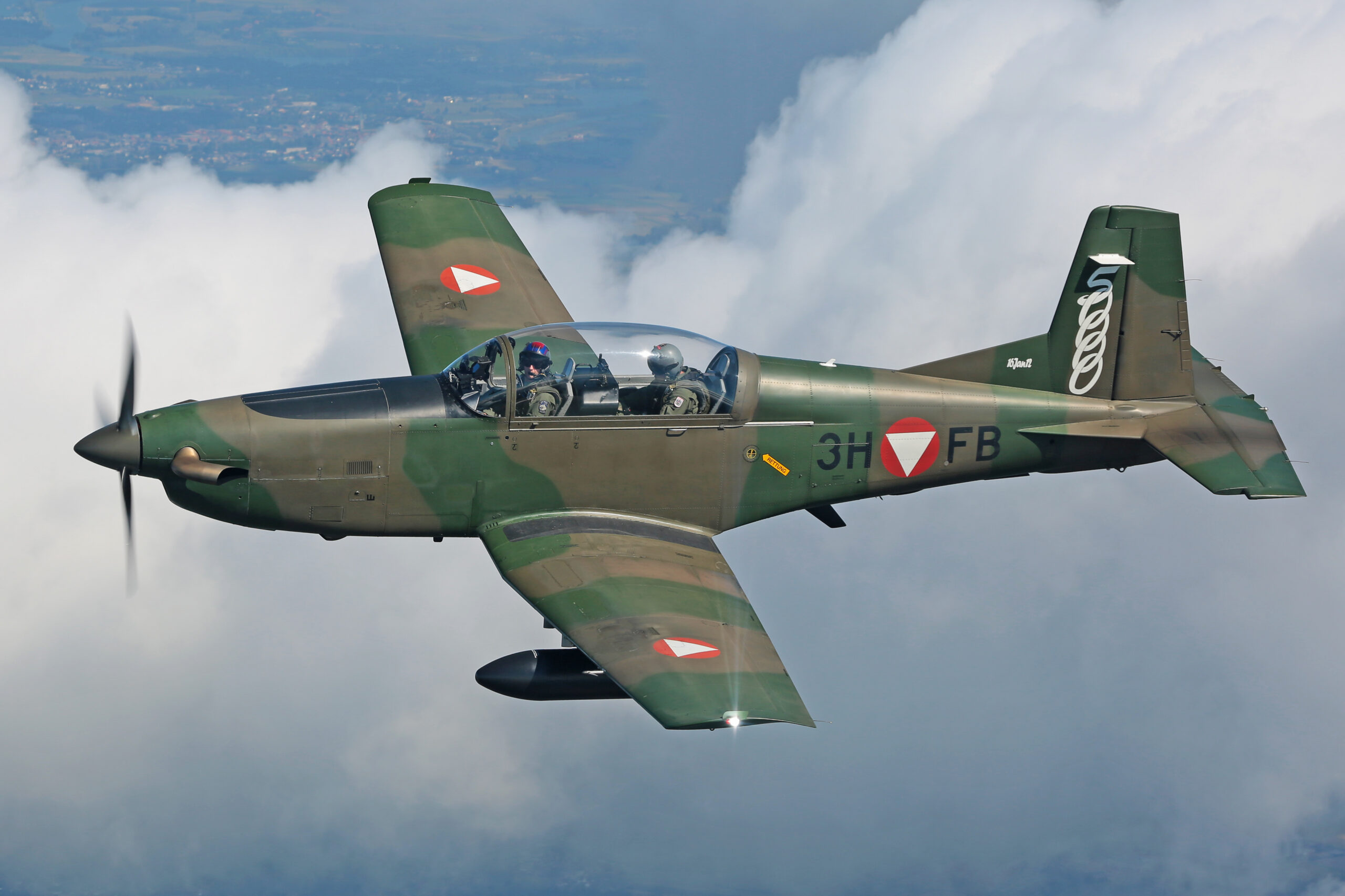
On APS-C, the mainstream route is a crop body from your chosen system with one of the full-frame lenses above: a Canon EOS R7 with the RF 100-400mm or 200-800mm, a Nikon Z50II with the 180-600mm, or a Sony a6700 with the 200-600mm or Tamron 150-500mm. The 1.5x or 1.6x factor turns a 600mm lens into a 900mm-equivalent framing, which is spotting reach that costs five figures on full frame.
Fujifilm X shooters have a proper native option in the XF 150-600mm f/5.6-8 R LM OIS WR: a 229-914mm equivalent range, weather sealing rated to minus 10 degrees Celsius, five stops of stabilisation and a weight of only 1,605g, at £1,619. Its f/8 long end wants light, but the handling is excellent. Beneath it, the little XF 70-300mm f/4-5.6 at 580g accepts both Fujifilm teleconverters, reaching a 914mm equivalent with the 2x, and the Tamron 150-500mm is offered in X mount for a 225-750mm equivalent. That is a complete aviation system in a shoulder bag.
Micro Four Thirds doubles focal lengths, and OM System has leaned into it. The M.Zuiko 100-400mm F5.0-6.3 IS II, refreshed in February 2025, gives a 200-800mm equivalent range at 1,125g with Sync IS stabilisation rated at up to seven stops and IPX1 weather sealing, for £1,199. Above it sits the extraordinary 150-400mm F4.5 TC1.25x IS PRO, a 300-800mm equivalent with a built-in 1.25x teleconverter taking it to a 1,000mm equivalent, all at 1,875g; Wex lists it at £6,499, which buys a reach-to-weight ratio nothing else matches. The 300mm f/4 IS PRO, a 600mm equivalent prime, remains a firm favourite. The smaller sensor gives up high-ISO and dynamic-range headroom, but in display light that rarely decides a picture, and the portability is glorious.
Budget routes and the used market
You do not have to spend four figures to start photographing aircraft well, and some of the best value in the genre is secondhand. We cover the sub-£1,000 landscape in depth in our guide to budget telephoto lenses for aviation photography; here is the short version.
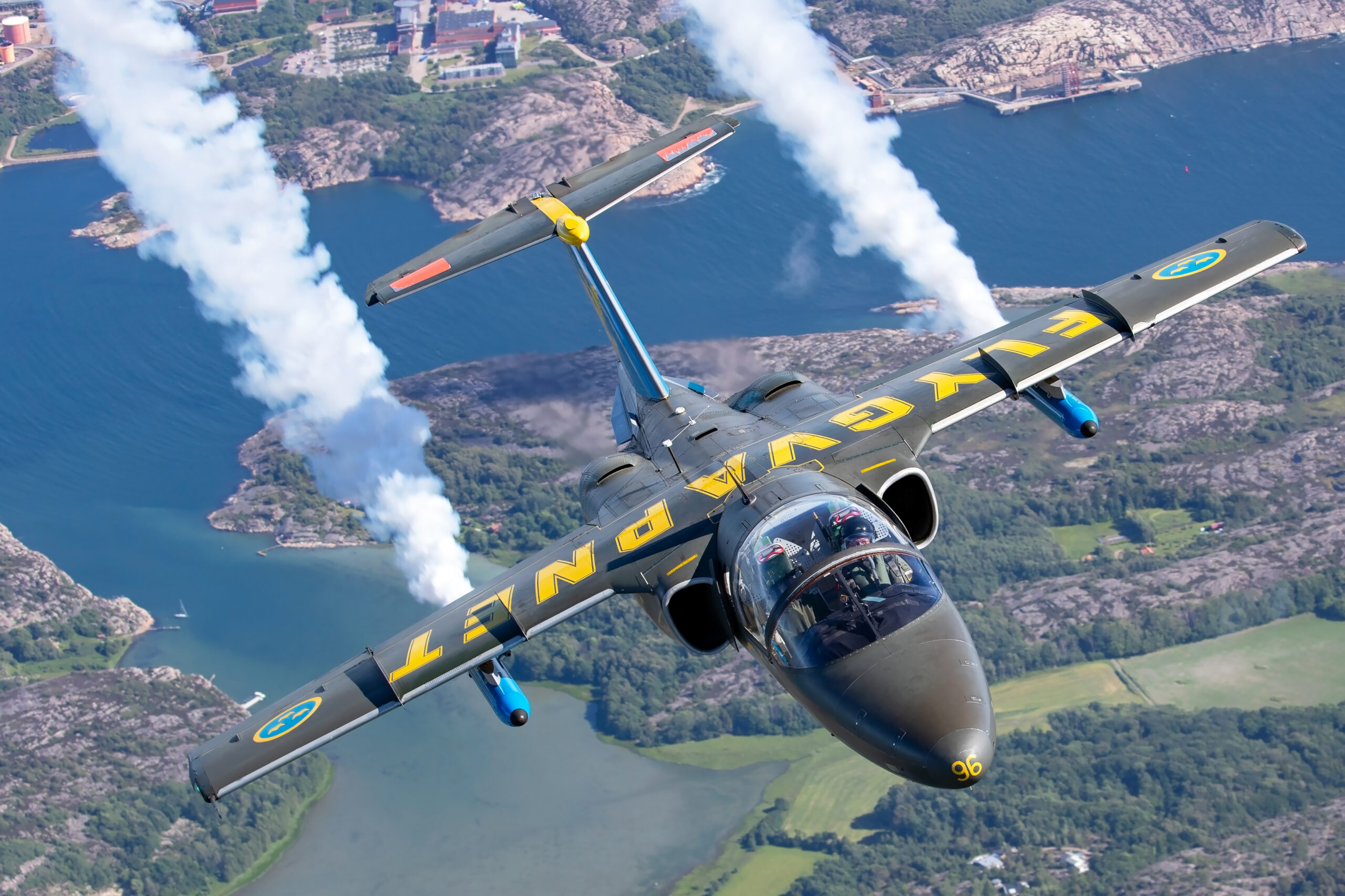
New on a budget. Sony announced an FE 100-400mm f/5.6-8 OSS on 4 August 2026 at about $850 and 654g, shipping in September, which becomes the cheapest native Sony full-frame telephoto. The Canon RF 100-400mm at £719 remains the standout new bargain, especially paired with a crop body. On Sony E, L-mount and Fujifilm X, the Sigma 100-400mm DG DN Contemporary weighs about 1,135g and sells for £879, delivering a large slice of the 600mm-class experience at half the price and half the weight.
Buy used, from a dealer. Telephoto lenses hold up well, and specialist used dealers grade and warranty their stock, which removes most of the risk of private sales. The DSLR-era stars are astonishing value now: the Nikon AF-S 200-500mm f/5.6E ED VR sells used from about £917 at Wex depending on condition and adapts cleanly to Z bodies with the FTZ adapter, and the Canon EF 100-400mm f/4.5-5.6L IS II, one of the most highly regarded telephoto zooms Canon built for EF, runs from about £939 used at Wex depending on condition and works superbly on RF bodies via adapter. The previous-generation Sigma and Tamron 150-600mm zooms for EF and F mounts are cheaper still. Adapted DSLR glass focuses a shade slower than native mirrorless designs, but for the money the results are hard to argue with.
Spend on reach and autofocus, not aperture. For daytime flying you will be at around f/8 regardless, so money spent on a bright aperture you will not use is better put towards focal length, a newer body with subject detection, or simply fuel to more shows.
Teleconverters: cheap reach with caveats
A teleconverter sits between lens and body and multiplies focal length, typically by 1.4x or 2x: a 600mm becomes 840mm or 1,200mm. At £519 for Canon’s RF 1.4x and £659 for the RF 2x, it is by far the cheapest route to serious reach, and every first-party zoom recommended above accepts its maker’s converters in some form.
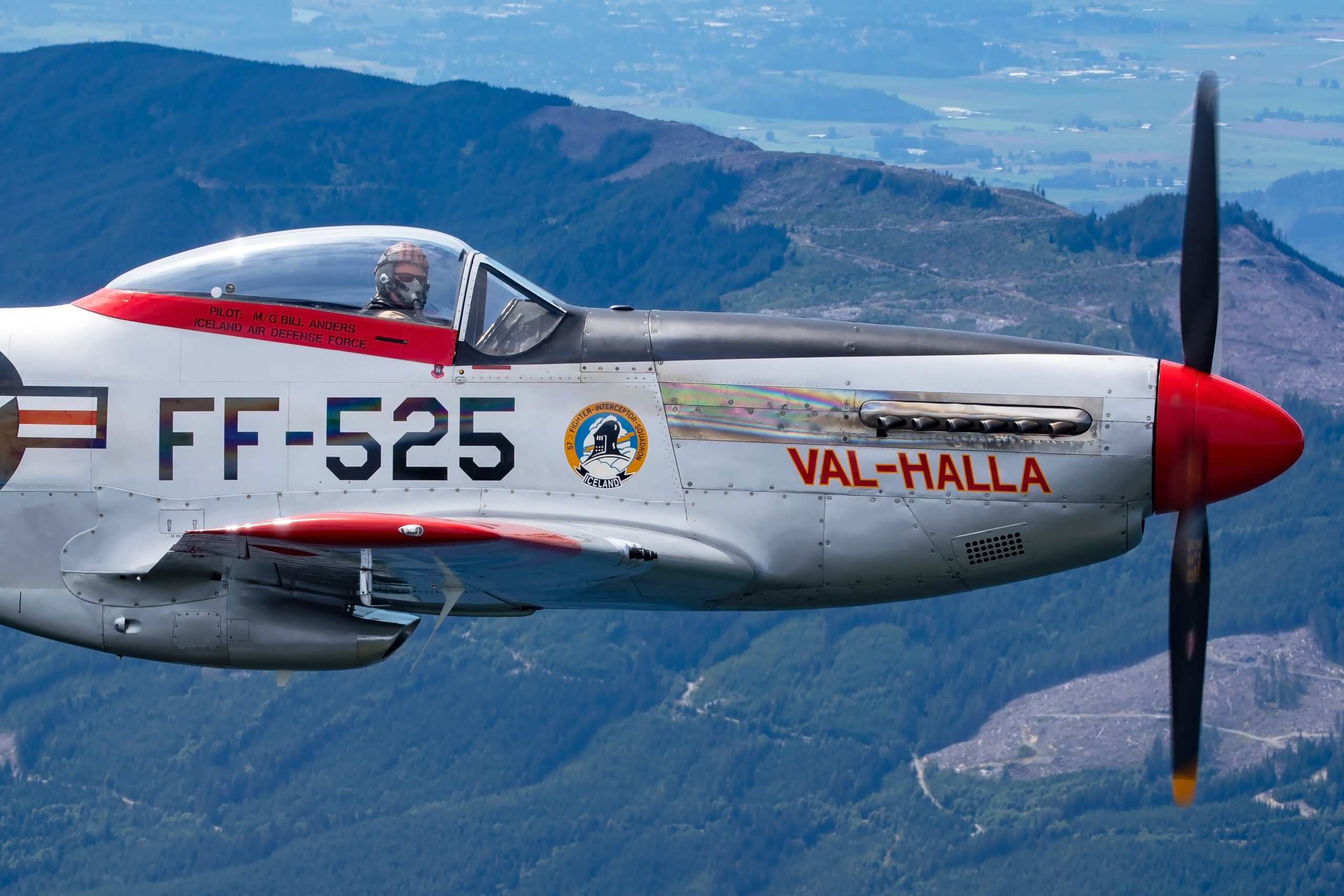
The costs are light and speed. A 1.4x converter loses one stop, a 2x loses two, which pushes an already-dim super-zoom into f/9 to f/13 territory where autofocus works hardest and dull weather becomes a real handicap. Converters can also soften images slightly, magnify any lens flaws, and slow focus drive. On a bright day, with a sharp lens on a capable body, a 1.4x is often a worthwhile addition; a 2x is best reserved for excellent light and static or predictable subjects.
Compatibility is the fine print that catches people. Canon’s RF 200-800mm takes extenders at all focal lengths, but the RF 100-500mm only between 300mm and 500mm. Sony’s converters fit the 200-600mm, 400-800mm and both 100-400mm GM lenses, but Sony E-mount does not permit third-party converters, so the Sigma zooms cannot be extended on Sony bodies at all; Sigma’s own TC-1411 and TC-2011 serve the L-mount versions. Nikon’s Z 1.4x and 2x fit both the 180-600mm and the 100-400mm S. Fujifilm’s XF converters fit both the 70-300mm and the 150-600mm. Check your exact combination before buying; our full guide to using teleconverters for aviation photography works through the pairings and the technique.
Recommendations at a glance
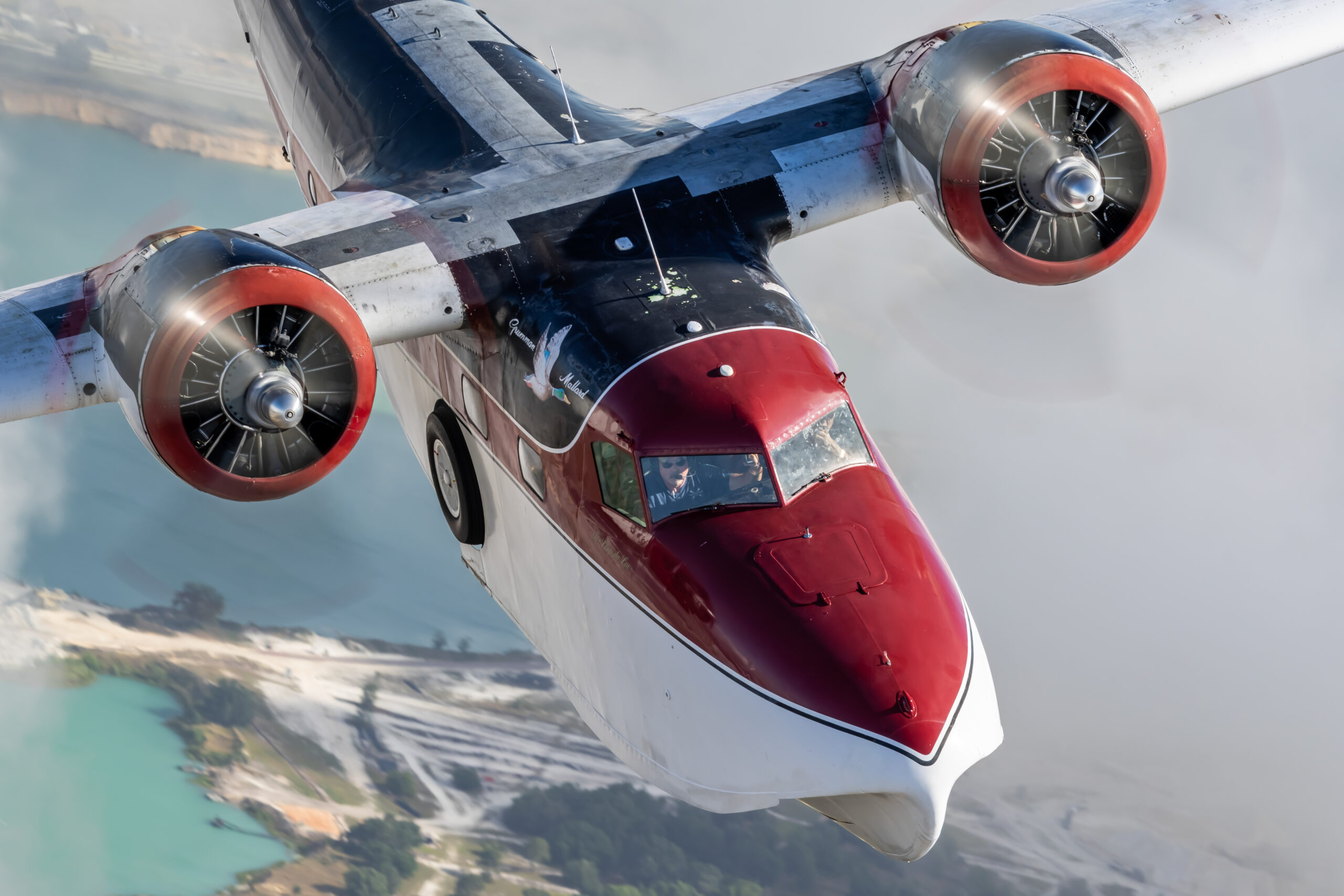
Every lens in the table below is a current, verified recommendation as of July 2026. Weights are maker figures, rounded, generally excluding removable tripod collars unless noted; prices are approximate US street prices and move with promotions.
| Lens | Mounts | Reach | Weight | Approx. price | Best for |
|---|---|---|---|---|---|
| Sony FE 200-600mm f/5.6-6.3 G OSS | Sony E | 200-600mm | 2,115g | £1,599 | The Sony default, internal zoom |
| Sony FE 400-800mm f/6.3-8 G OSS | Sony E | 400-800mm | 2,475g | £2,399 | Maximum zoom reach |
| Sony FE 100-400mm F4.5 GM OSS (2026) | Sony E | 100-400mm | 1,840g | £4,399 | Premium constant aperture |
| Canon RF 200-800mm f/6.3-9 IS USM | Canon RF | 200-800mm | 2,050g | £2,269 | Reach for the money |
| Canon RF 100-500mm f/4.5-7.1L IS USM | Canon RF | 100-500mm | 1,365g | £3,159 | Premium all-rounder |
| Canon RF 100-400mm f/5.6-8 IS USM | Canon RF | 100-400mm | 635g | £719 | Best cheap starter |
| Nikon Z 180-600mm f/5.6-6.3 VR | Nikon Z | 180-600mm | 1,955g | £1,699 | Best value 600mm class |
| Nikon Z 600mm f/6.3 VR S | Nikon Z | 600mm prime | 1,390g | Not stocked at Wex | Handholdable long prime |
| Sigma 150-600mm f/5-6.3 DG DN OS Sports | Sony E, L | 150-600mm | 2,100g | £1,199 | Third-party value 600 |
| Sigma 60-600mm f/4.5-6.3 DG DN OS Sports | Sony E, L | 60-600mm | 2,485g | £2,099 | One-lens airshow kit |
| Sigma 300-600mm F4 DG OS Sports | Sony E, L | 300-600mm | 3,970g | £5,899 | Constant f/4, poor light |
| Tamron 150-500mm f/5-6.7 Di III VC VXD | Sony E, Nikon Z, Fuji X | 150-500mm | 1,725g | £999-1,099 | Lightest to carry all day |
| Fujifilm XF 150-600mm f/5.6-8 R LM OIS WR | Fujifilm X | 229-914mm equiv. | 1,605g | £1,619 | Fujifilm reach |
| OM System 100-400mm F5.0-6.3 IS II | Micro Four Thirds | 200-800mm equiv. | 1,125g | £1,199 | Lightweight M43 reach |
Not sure where to start? On any full-frame system, the 600mm-class zoom for your mount is the safe first buy: Sony 200-600mm, Nikon 180-600mm, or on Canon the 100-500L if quality leads and the 200-800mm if reach does. On a budget, the Tamron 150-500mm or a 100-400mm on a crop body will not hold you back while you learn. The lens matters, but every image in the Piemags archive of aviation photography galleries came down to putting whatever glass was on the camera in the right place at the right time, and if you need aircraft imagery rather than gear, those images are available under simple terms via our licences page.
One last piece of honest advice before the questions everyone asks. Whichever lens you choose, spend your first three shows learning it: where its sweet spot sits, how its stabiliser behaves in panning mode, how its focus limiter is best set for display work. A photographer who knows a £1,500 zoom intimately will usually out-shoot a stranger to a £6,000 one.
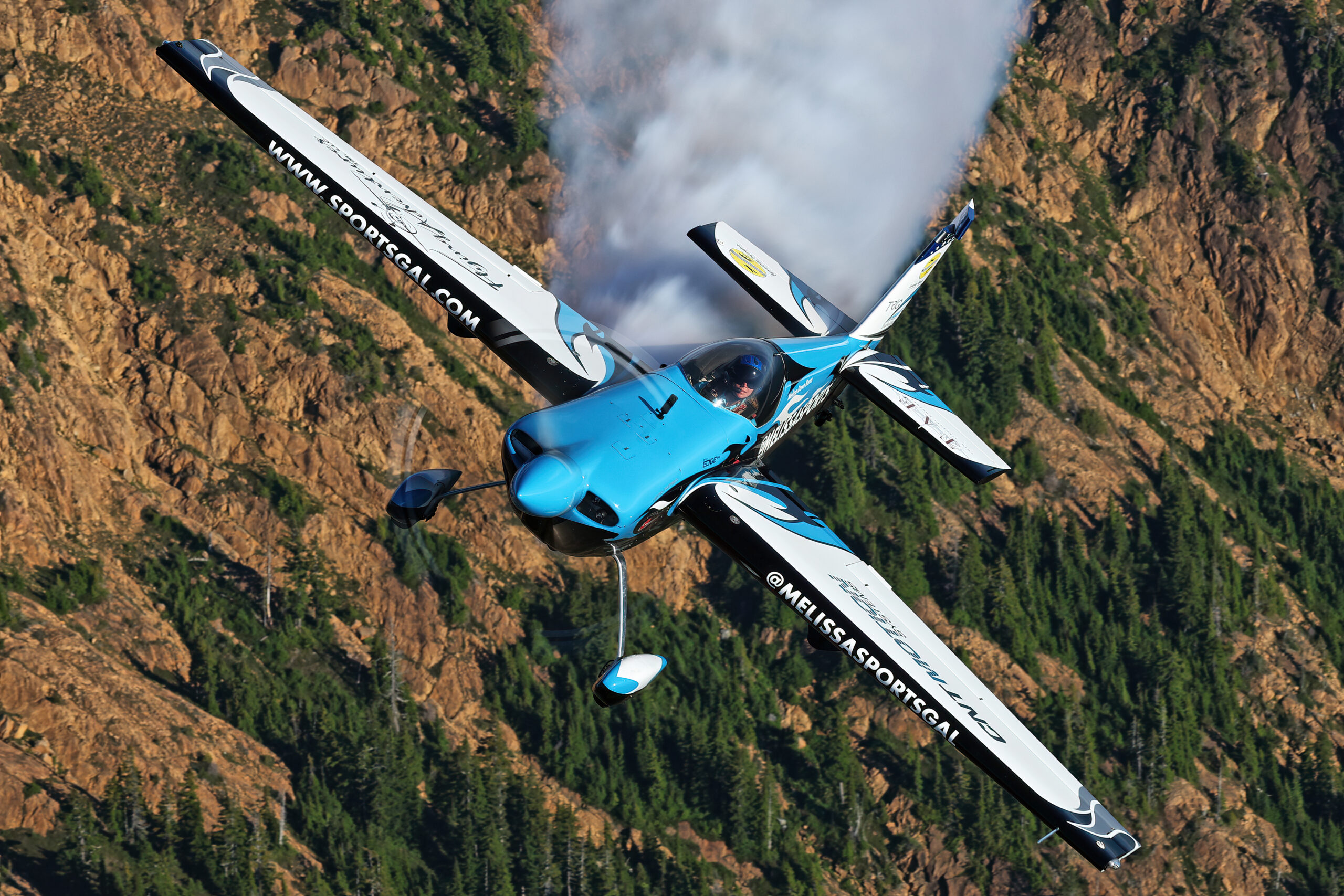
If the pictures your kit is producing are good enough to sell, the next question is how to make them findable. Our notes on keywording stock photographs cover the metadata that decides whether an image is ever seen by a picture buyer.
For the same arithmetic done against two real runways, our location guide to RAF Lakenheath and RAF Mildenhall computes what an F-15E and an F-35A need at 500 m, 1,000 m and 2,000 m from the published approach geometry.
For an example of what long glass produces on a rare subject, see our guide to licensing F-104 Starfighter photographs.
Frequently asked questions
What is the best lens for aviation photography overall?
For most full-frame shooters the best first lens is a 600mm-class telephoto zoom: the Sony FE 200-600mm f/5.6-6.3 G OSS, the Nikon Z 180-600mm f/5.6-6.3 VR, or on Canon the RF 200-800mm f/6.3-9 or RF 100-500mm L. They combine reach, fast autofocus and stabilisation at a weight most people can handle for a full display.
What focal length do I need for airshows?
Treat 400mm as the practical minimum on full frame, with 500mm to 600mm the sweet spot for filling the frame on most passes. On an APS-C body around 300mm to 400mm goes a long way because of the crop factor. Distant arrivals and high displays reward 800mm, which is where the Canon RF 200-800mm and Sony FE 400-800mm earn their keep.
Is 400mm enough for aviation photography?
Yes for airshow crowd lines, arrivals and larger aircraft, particularly on a crop body where 400mm frames like 600mm or more. For fast jets at display distance and for spotting at large airfields you will often wish for 500mm to 600mm, so buy 400mm only if weight, cost or a crop body balances the equation.
Are Sigma and Tamron lenses good enough for professional aviation work?
Yes. The Sigma 150-600mm DG DN Sports and Tamron 150-500mm deliver most of the performance of first-party glass for less money, and many working aviation photographers use them. The main sacrifices are a little autofocus speed against the best native lenses and narrower mount availability.
Do I need an f/2.8 or f/4 lens for aviation photography?
Rarely for daytime flying, because you will usually shoot at around f/8 for depth of field and sharpness anyway. Variable-aperture zooms in the f/5.6 to f/6.3 range give you the reach at a manageable weight and price. Bright constant-aperture glass such as the Sigma 300-600mm f/4 earns its place in dull weather, at dusk shows and for air-to-air work.
Should I buy the Sony 200-600mm or the Sony 400-800mm?
Buy the 200-600mm first: it is lighter, cheaper and its 200mm wide end covers close passes and larger aircraft. The 400-800mm suits photographers who already know they need extra reach for distant arrivals and high displays and who shoot mostly in good light, because its f/8 long end is demanding in gloom.
Can I use a teleconverter with a 100-400mm class lens?
Usually yes on first-party lenses: Sony, Canon and Nikon 100-400mm zooms all accept their maker’s 1.4x and 2x converters, taking you to 560mm or 800mm equivalents. Expect to lose one stop with a 1.4x and two with a 2x, and check the fine print, because the Canon RF 100-500mm only takes extenders between 300mm and 500mm.
Is a crop sensor camera good for aviation photography?
Yes, and for many people it is the smarter buy. APS-C multiplies effective reach by 1.5x, or 1.6x on Canon, and Micro Four Thirds by 2x, so a modest lens frames like a far longer one. You give up some high ISO and dynamic range headroom, which matters less in good airshow light.
What is the best budget lens for aviation photography?
On Canon RF the 100-400mm f/5.6-8 at £719 is the standout, especially on an EOS R7. On other mounts look at the Sigma 100-400mm DG DN, the Tamron 50-400mm, or a used Nikon AF-S 200-500mm f/5.6E, which sells for well under half its original price and adapts cleanly to Z bodies.
Is it safe to buy a used telephoto lens?
Yes, provided you buy from a specialist used dealer that grades stock and includes a warranty. Telephoto zooms tolerate careful use well; check the zoom action for grit, the stabiliser for clicking or grinding, and the front element for coating marks. Used prices on DSLR-era super-telephotos are the best value in aviation photography.
Do I need lens stabilisation if my camera has in-body stabilisation?
At 500mm and 600mm, yes. In-body systems cope poorly with the large angular movements a long lens magnifies, so optical stabilisation in the lens, which steadies the viewfinder image as well as the file, remains close to essential. The best implementations coordinate both systems and offer a panning mode that leaves your horizontal sweep alone.
Why does an internal zoom design matter for aircraft photography?
An internal zoom does not change length as you zoom, so the balance stays constant while you pan, which makes tracking smoother and more predictable. It also keeps dust and moisture from being pumped into the barrel on a windy airfield. The Sony 200-600mm, Sony 400-800mm, Nikon 180-600mm and Sigma 300-600mm all use this design.
