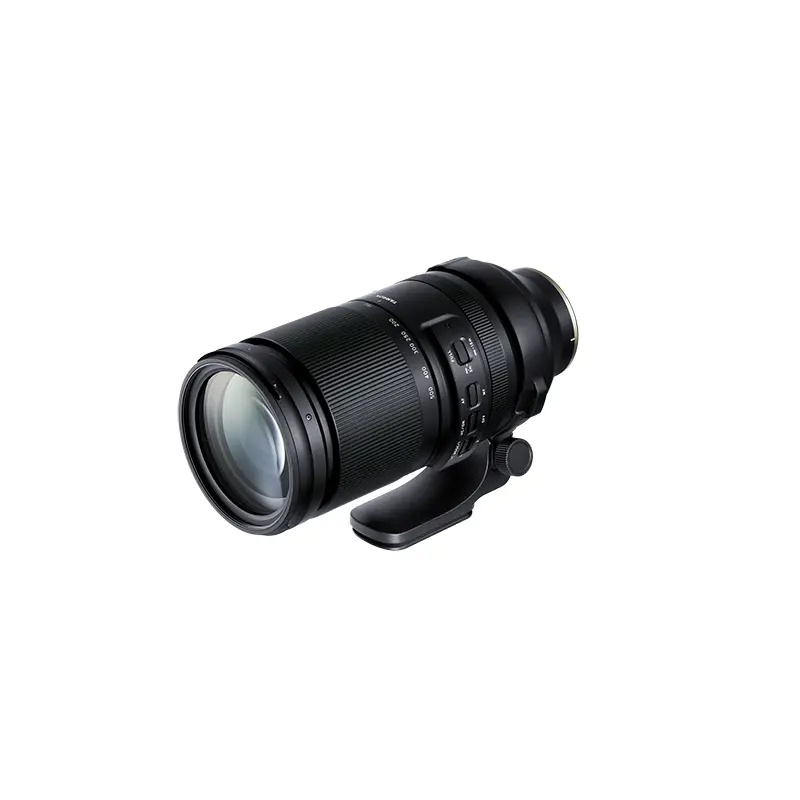
There is a stubborn myth in aviation photography that you cannot get a sharp, frame-filling shot of a fast jet without spending the price of a small car on glass. It is not true. A good budget telephoto lens, used with sound technique, will give you images that hold up on a website, in a club competition and even in print. The catch is that “budget” covers everything from a £600 zoom to a £1,500 one, and the right choice depends entirely on what you shoot, which camera you own and how much weight you are willing to carry. This guide cuts through it.
I have written it for the photographer who has the basics, owns a camera body already, and now wants the longest, sharpest, most reliable lens they can get without overspending. We will look at what aviation actually demands from a lens, why some cheap lenses punch far above their price and others disappoint, and then go system by system through the options that are worth your money in 2026. Prices were checked in August 2026, are UK figures and move around, so treat them as a guide rather than a quote.
What this guide covers
- What aviation really demands from a lens
- How much reach you actually need
- The crop-sensor shortcut to cheap reach
- Aperture: why f/6.3 and f/8 are not deal-breakers
- Autofocus motors and why they matter most
- Stabilisation, build and weight
- Best budget telephoto lenses by camera system
- Buying used: the smart money’s secret
- Teleconverters on a budget
- Camera settings to get the best from a slower lens
- Common mistakes that waste a good lens
- Frequently asked questions
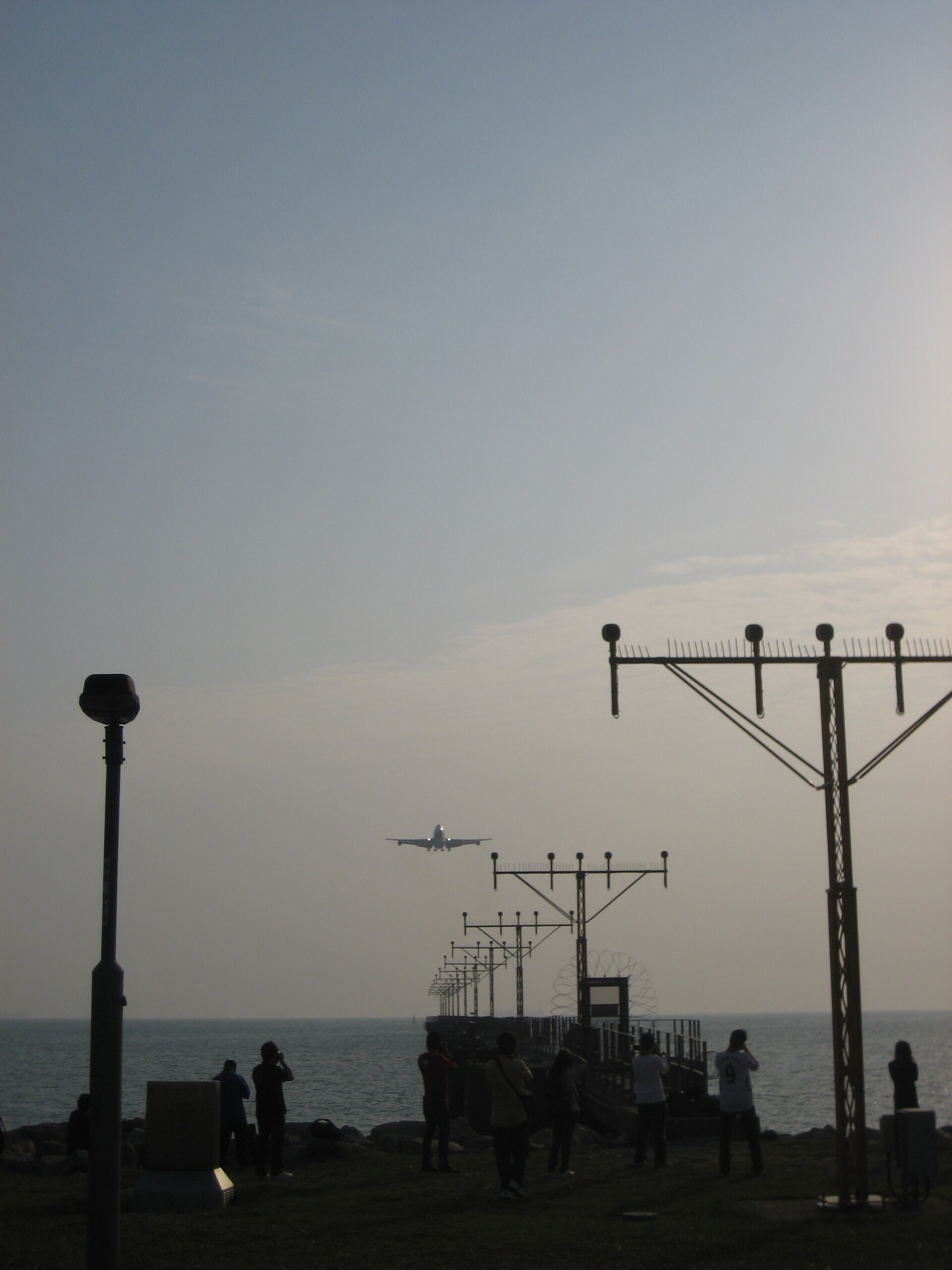
What aviation photography really demands from a lens
Before you can decide which budget lens is right, it helps to be honest about what the subject asks for. Aviation is one of the most demanding genres there is, and it stresses a lens in four specific ways that holiday snaps and portraits never do.
The first demand is reach. Aircraft are large but they are usually a long way away, and the interesting moments often happen when they are furthest from you: the top of a loop, a distant transit, a fast jet running in at the far end of the crowd line. You almost never have the luxury of walking closer. The lens has to bring the subject to you, and that means long focal lengths, typically 400mm at the absolute minimum and more often 500mm or 600mm.
The second demand is autofocus speed and tenacity. A display jet can cross your field of view at several hundred miles an hour, and the camera has to find it, lock on and hold focus while the aircraft changes distance, direction and contrast against the sky. A lens with a slow or hunting focus motor will fill your card with soft frames no matter how good the optics are. This is a leading reason cheap lenses fail at aviation, and it is worth more of your attention than sharpness charts.
The third demand is the ability to work at high shutter speeds in variable light. To freeze a jet you need a fast shutter, often 1/1000s or quicker, and to blur a propeller smoothly you need a slow one, often 1/125s or below. Both extremes ask the lens and body to cope, and the darker the maximum aperture, the harder the camera has to work to keep the exposure up. None of this is impossible with a budget lens, but it shapes which compromises you can live with.
The fourth demand is that you can hold the thing up for hours. A long lens is heavy, and at an airshow you may be tracking aircraft overhead for six or seven hours with few breaks. A lens that is a joy to use for ten minutes can become an instrument of torture by mid-afternoon. Weight and balance matter more in aviation than in almost any other genre, and they are a genuine reason to choose one budget lens over another. If you want the full kit picture, our guide on what to pack for an airshow photography day sets the lens choice in context with everything else you will carry.
How much reach do you actually need
Reach is where most of your money goes, so it pays to work out how much you really need rather than buying the longest lens you can afford and hoping. The honest answer is that it depends on the subject and how it is presented to you.
The 400mm floor
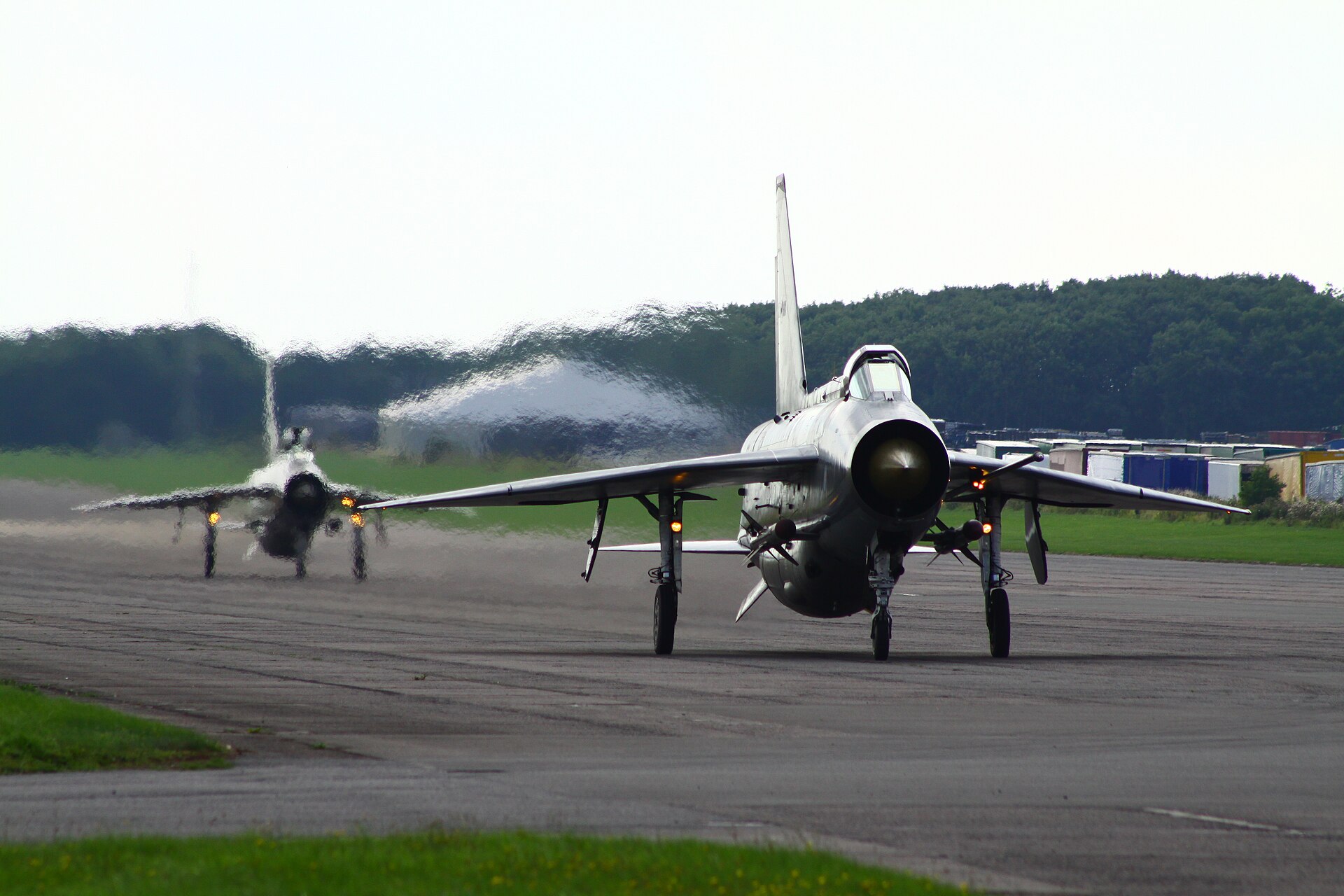
On a full-frame camera, 400mm is the sensible minimum for general aviation work. It is enough for large flying displays where aircraft are flown close to the crowd, for formation passes by display teams, and for warbirds that are deliberately kept tight to the airfield for the audience. With 400mm you will fill the frame nicely with a Spitfire on a curving display line, or a four-ship of jets in close formation. What 400mm will not do is reach a small fast jet at altitude or a distant arrival on the far taxiway.
The 500 to 600mm sweet spot
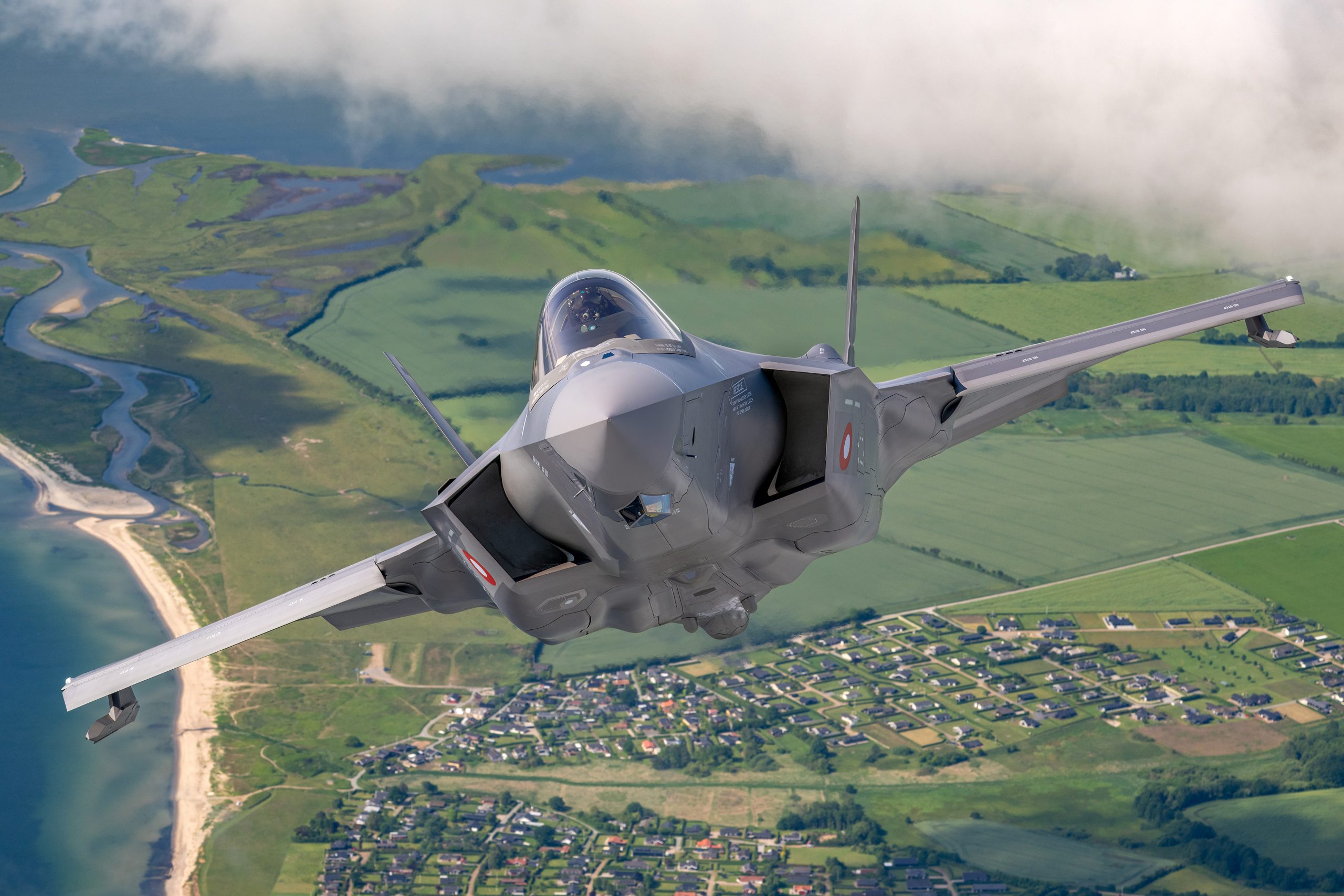
Most experienced aviation photographers settle on something that reaches 500mm or 600mm as their main lens, and for good reason. That extra reach turns a small aircraft in the middle of the frame into a frame-filling subject, and it gives you room to crop in post without falling apart. A 150-600mm or 180-600mm zoom is the classic aviation focal range, and the budget versions of these lenses are some of the best value buys in the whole genre. The trade-off is weight and a darker aperture at the long end, but for most people the reach is worth it.
Beyond 600mm
There are budget lenses now that reach 800mm, like the Canon RF 200-800mm. That much reach is really useful for distant subjects, high passes and tight head-on shots, but it comes with a slow maximum aperture and demands very good long-lens technique to get sharp results. Unless you specifically shoot a lot of distant or small subjects, 600mm is plenty and easier to use well. For a fuller breakdown of focal lengths across all budgets, our main best lenses for aviation photography guide compares the whole range side by side.
The crop-sensor shortcut to cheap reach
This is one of the most useful ideas in budget aviation photography, and it is one that beginners often miss. The size of your camera’s sensor changes how much of the scene a given focal length captures. A smaller sensor sees a narrower slice, so the subject fills more of the frame. The effect looks exactly like extra reach, and it is the cheapest reach you can buy because you are not paying for a longer, heavier, more expensive lens.
How the crop factor works
Full-frame is the reference point. An APS-C sensor, used by many enthusiast cameras, has a crop factor of about 1.5 times for Sony, Nikon and Fujifilm, or 1.6 times for Canon. Micro Four Thirds, used by OM System and Panasonic, has a crop factor of 2 times. To find the full-frame-equivalent field of view, multiply the lens focal length by the crop factor.
| Lens focal length | On full-frame | On APS-C (1.5x) | On Micro Four Thirds (2x) |
|---|---|---|---|
| 100-400mm | 100-400mm | 150-600mm equivalent | 200-800mm equivalent |
| 150-600mm | 150-600mm | 225-900mm equivalent | 300-1200mm equivalent |
| 180-600mm | 180-600mm | 270-900mm equivalent | 360-1200mm equivalent |
| 200-500mm | 200-500mm | 300-750mm equivalent | 400-1000mm equivalent |
Look at the first row. A relatively cheap, light 100-400mm zoom on an APS-C body frames just like a 150-600mm on full-frame, and on Micro Four Thirds it reaches like a 200-800mm. That is enormous reach for a modest, portable lens. This is exactly why so many spotters and airshow regulars shoot crop bodies on purpose, not because they cannot afford full-frame, but because it is the most efficient way to get aircraft big in the frame.
The trade-offs to be honest about
Crop sensors are not magic. The smaller sensor gathers less light overall, so it tends to be a little noisier at high ISO than a full-frame sensor of the same generation. In the bright conditions of a typical airshow this rarely matters, but in dull weather it can. You are also not gaining any real magnification or detail beyond what the lens and sensor resolve, so a poor lens on a crop body is still a poor lens. The point is simply that for distant aircraft, a crop body multiplies the usefulness of an affordable lens, and that is a saving worth thousands.
Aperture: why f/6.3 and f/8 are not deal-breakers
Almost every budget telephoto has a variable maximum aperture that gets darker as you zoom in, something like f/5-6.3 or even f/5.6-8. Photographers new to long lenses often worry that this makes them useless. It does not, but you need to understand what you are trading away so you can work around it.
What the aperture actually costs you
A darker maximum aperture means less light reaches the sensor and the autofocus system. The exposure consequence is easy to solve: you raise the ISO to keep your shutter speed high enough to freeze the aircraft. Modern cameras handle ISO 1600, 3200 and beyond cleanly enough that this is rarely a problem in daylight. The autofocus consequence is subtler. With less light, the focus system has less information to work with, so in flat, dull conditions a darker lens can hunt where a brighter one would lock straight on. On a sunny day you will never notice. Under heavy grey cloud, tracking a dark jet, you will.
When it really matters
The aperture becomes a real consideration in two situations. The first is low light: early morning, late evening, or the kind of overcast British airshow day where the light never really arrives. The second is when you stack a teleconverter on top, which makes the effective aperture darker still and can push it past the point where your camera will autofocus reliably. If you mostly shoot in good light, a slow lens is a non-issue. If you regularly shoot in poor light, paying a little more for an f/5.6 or f/6.3 maximum is money well spent. Our guide to shooting aviation in low light goes deeper on squeezing quality out of dim conditions.
Autofocus motors and why they matter most
If you take one technical point away from this guide, make it this one. The autofocus motor inside a telephoto lens has more effect on your aviation keeper rate than the optical formula, the coatings or the headline sharpness. A lens that focuses fast and decisively will track a banking jet and give you a run of sharp frames. A lens that focuses slowly will give you a run of soft ones, and no amount of sharpening in editing will rescue them.
What to look for
Modern budget lenses mostly use one of a few motor types. Linear or stepping motors, sold under names like Tamron’s VXD, Sigma’s HLA, Canon’s Nano USM and Nikon’s STM, are quiet, quick and well suited to tracking. Older ring-type ultrasonic motors are also fine and often very fast. The ones to be wary of are the slow micro-motors found in the cheapest kit-grade lenses, which were never designed for fast-moving subjects. When you read reviews, ignore the corner-sharpness pixel-peeping and search instead for comments on focus tracking of moving subjects. That is the number that predicts your success.
Body and lens work together
It is worth remembering that autofocus is a partnership between the lens motor and the camera body’s focus system. A budget lens on a modern mirrorless body with subject-detection autofocus will often track aircraft astonishingly well, because the clever part is in the camera. The same lens on an older DSLR relies more on the photographer choosing the right focus mode and points. If you are buying a budget lens for an older body, set your expectations by the body, not just the lens. Our detailed walkthrough of airshow camera settings and autofocus covers how to set the body up to get the most from whatever lens you mount.
Stabilisation, build and weight
Three more practical factors separate a budget lens you will love from one you will resent, and none of them appears on a sharpness chart.
Image stabilisation
Optical stabilisation, badged VC, OS, VR or IS depending on the maker, steadies the image so you can use slower shutter speeds and frame more comfortably. For aviation it does two jobs. When you are freezing a jet at high shutter speed, stabilisation matters less because the fast shutter already cancels shake. But when you are panning a propeller aircraft at a slow shutter speed, a good stabiliser with a dedicated panning mode makes a real difference to your hit rate, and it steadies the viewfinder so you can hold the subject in the frame. Almost every budget telephoto worth buying now includes stabilisation, but check that it offers a panning mode if you shoot a lot of props. Speaking of which, getting the shutter speed right for propellers is its own skill, covered in our piece on tracking and panning fast aircraft.
Build quality and weather sealing
Airshows happen in British weather, which means you will get caught in a shower sooner or later. Most budget zooms now include at least a rubber gasket at the mount and some internal sealing, which is enough to survive light rain if you are sensible. Do not expect a £700 lens to shrug off a downpour the way a professional lens might, but equally do not be paranoid. A lens cloth and a simple rain cover in the bag will see you through most of what the sky throws at you.
Weight and balance
This is the factor people underestimate most. A 150-600mm zoom typically weighs around two kilograms, and after a few hours that is a serious load to hold up and swing around to track aircraft. A 100-400mm lens at roughly half that weight is far easier to handhold all day, which is part of why the crop-sensor-plus-100-400mm combination is so popular. Be honest about your own strength and stamina. The sharpest lens in the world is useless if your arms are too tired to point it at the aeroplane. A monopod takes the weight off and is a cheap, worthwhile addition for the heavier lenses.
Best budget telephoto lenses by camera system
Now to the lenses themselves. The right buy depends on your camera mount, so the recommendations below are grouped by system. Prices are UK figures at the time of writing and will drift, especially on the used market, so check current listings before you commit. Where a lens is widely available used, that is usually the smart buy.
Sony E-mount (full-frame and APS-C mirrorless)
Tamron 150-500mm f/5-6.7 Di III VC VXD
This is the lens that redefined budget aviation reach on Sony. It gives you 500mm in a package that is lighter and shorter than most rivals, with a quick VXD linear focus motor that tracks aircraft well and effective VC stabilisation with a panning mode. New prices in the UK sit around £1,000 to £1,100, and used copies turn up from roughly £900. On a full-frame body it reaches 500mm; on an APS-C Sony it frames like 750mm, which is huge reach for the money. The only real compromises are the f/6.7 maximum at the long end and a slightly soft extreme corner, neither of which matters for a subject in the middle of the frame against the sky.
Sigma 100-400mm f/5-6.3 DG DN OS Contemporary
If you value portability above ultimate reach, this is the one. It is light, around 1.1 kilograms, balances beautifully and costs roughly £750 to £900 new, less used. On a full-frame Sony it reaches 400mm, and on an APS-C body it frames like 600mm, which covers most airshow situations. The focus is quick and it is the lens you will actually carry all day without complaint. For a budget shooter who walks a lot, a static line and a flying display in one visit, the weight saving is worth the lost 100mm of reach.
If you can stretch the budget on Sony, the FE 200-600mm f/5.6-6.3 G is the reach champion, but at well over £1,500 it sits at the top edge of what most people would call budget. There is also the newer FE 400-800mm for those who need extreme reach, though again it is a step up in price and size.
Canon RF-mount (EOS R mirrorless)
Canon RF 100-400mm f/5.6-8 IS USM
At around £600 to £730, this is the most affordable serious telephoto on any modern system, and it is a remarkably good little lens. It is tiny and light, only about 635 grams, focuses quickly with Canon’s Nano USM motor, and includes IS. The catch is the f/8 maximum aperture at 400mm, which asks you to keep the ISO up in dull light and limits teleconverter use. On an APS-C body like the EOS R7 it frames like 160-640mm, turning a pocketable lens into a genuine long reach setup. For a beginner on a Canon mirrorless budget, this is the obvious first telephoto.
Canon RF 200-800mm f/6.3-9 IS USM
For those who need to reach distant and high subjects, the RF 200-800mm is extraordinary value for the focal range, at roughly £2,250 to £2,350 new. That 800mm reach, becoming around 1,280mm on an APS-C R7, gets you tight on aircraft that other budget lenses cannot touch. The price you pay is a slow f/9 maximum at the long end, real length and weight, and a need for very disciplined long-lens technique. It is a specialist’s tool rather than a first lens, but for a spotter chasing distant movements it is hard to beat for the money.
Nikon Z-mount (mirrorless)
Nikon Z 180-600mm f/5.6-6.3 VR
This is one of the strongest budget aviation buys on any system. For around £1,500 to £1,700 you get a native 600mm zoom with a useful 180mm wide end, a smooth internal-zoom design, quick autofocus and effective VR. The internal zoom means the lens does not change length as you zoom, which helps balance while tracking. On a Nikon APS-C body like the Z50II it frames like 270-900mm. It is not the lightest lens at close to two kilograms, but for the reach, quality and focus performance it is superb value and a lens you could happily use for years.
Nikon’s Z 100-400mm is excellent but sits above the budget bracket. If you want the long reach without paying for the 100-400’s premium build, the 180-600mm is the smarter budget choice and gives you more reach as well.
L-mount (Panasonic and Sigma full-frame mirrorless)
Sigma 150-600mm f/5-6.3 DG DN OS Sports
Designed for mirrorless from the ground up, this gives the full classic 150-600mm aviation range with a quick stepping-motor focus drive and strong stabilisation, for around £1,200 new. It is sharper and focuses faster than the older DSLR Contemporary version, and the build is excellent. On L-mount and Sony E it is the obvious choice if you want 600mm in one affordable lens and can carry the roughly two kilograms. For aviation specifically, the 150-600mm range is close to ideal, covering everything from a close formation pass to a distant high transit.
Fujifilm X-mount (APS-C mirrorless)
Fujifilm’s crop sensor means lenses reach further for their focal length, which suits aviation well. The Fujinon XF 100-400mm frames like 150-600mm and is the native choice, though it sits above budget. More affordable is the Tamron 150-500mm in X-mount, which behaves like a 225-750mm and is one of the best value long lenses Fujifilm shooters can buy. The XF 70-300mm is cheaper still and reaches like 450mm, enough for close displays, though you will want more for distant work.
Micro Four Thirds (OM System and Panasonic)
OM System M.Zuiko 100-400mm F5.0-6.3 IS II
The 2x crop factor of Micro Four Thirds is a gift to aviation photographers on a budget. This 100-400mm lens frames like a 200-800mm full-frame equivalent, in a body far smaller and lighter than any full-frame 800mm could ever be. UK prices sit around £1,200 to £1,300. Paired with a modern OM System body that has strong subject-detection autofocus and powerful in-body stabilisation, it is a really capable aviation setup that you can carry all day with one hand. Panasonic’s own 100-400mm offers similar reach on the same mount. For spotters and travellers who hate carrying weight, Micro Four Thirds is the most efficient reach you can buy.
DSLR users (Canon EF and Nikon F)
If you still shoot a DSLR, you are in the best possible position for budget reach, because the used market is full of superb telephotos that mirrorless converts are selling cheaply. More on this in the next section, but the headline options are the Nikon AF-S 200-500mm f/5.6E ED VR, the Sigma 150-600mm Contemporary in Canon EF or Nikon F mount, and the Tamron 150-600mm G2. All three give long reach and good optics for well under the price of a new mirrorless equivalent.
Quick comparison of the leading budget options
| Lens | Mount | Reach | Max aperture (long end) | Approx weight | Approx UK price |
|---|---|---|---|---|---|
| Canon RF 100-400mm IS USM | Canon RF | 400mm | f/8 | 635g | £600-730 |
| Sigma 100-400mm DG DN OS | Sony E, L | 400mm | f/6.3 | 1.1kg | £750-900 |
| Tamron 150-500mm Di III VC | Sony E, Nikon Z, Fuji X | 500mm | f/6.7 | 1.7kg | £1,000-1,100 |
| OM System 100-400mm IS | Micro Four Thirds | 400mm (800mm eq.) | f/6.3 | 1.1kg | £1,200-1,300 |
| Sigma 150-600mm DG DN OS Sports | Sony E, L | 600mm | f/6.3 | 2.1kg | ~£1,200 |
| Nikon Z 180-600mm VR | Nikon Z | 600mm | f/6.3 | 1.96kg | £1,500-1,700 |
| Canon RF 200-800mm IS USM | Canon RF | 800mm | f/9 | 2.05kg | £1,900-2,300 |
| Nikon AF-S 200-500mm VR (used) | Nikon F (DSLR) | 500mm | f/5.6 | 2.3kg | £480-700 used |
| Sigma 150-600mm Contemporary (used) | Canon EF, Nikon F | 600mm | f/6.3 | 1.9kg | ~£500-700 used |
Buying used: the smart money’s secret
The fastest way to get more lens for your budget is to buy used, and aviation photographers do it constantly. A long telephoto leads a gentle life compared with a wedding photographer’s workhorse: it is used outdoors in daylight, rarely changed in dusty conditions, and usually well cared for by enthusiasts. The used market is full of bargains, and the move to mirrorless has flooded it with excellent DSLR glass at low prices.
The standout used buys
The Nikon AF-S 200-500mm f/5.6E ED VR deserves special mention. New it was always good value, and used it is one of the great bargains in the hobby, with copies turning up from under £500. It has a constant f/5.6 aperture, which is brighter at the long end than almost any budget zoom, plus VR and reliable autofocus on Nikon DSLRs. It is heavy, but for the money it is unbeatable reach and brightness. The Sigma 150-600mm Contemporary and Tamron 150-600mm G2, both in Canon EF and Nikon F mounts, are similarly cheap used and give the full 600mm reach.
On mirrorless, used prices on lenses like the Tamron 150-500mm and Sigma 100-400mm DG DN run a couple of hundred pounds below new, which is a meaningful saving on an already affordable lens. Reputable used dealers offer warranties and condition grading, which takes most of the risk out of it.
How to check a used lens
Buy from a dealer with a returns policy where you can, rather than a private sale, especially for your first long lens. When the lens arrives, run through a quick set of checks. Zoom through the full range and listen for grinding or stiffness. Mount it and fire a burst at a moving subject to confirm the autofocus is quick and accurate. Shine a torch through the glass to look for fungus, haze or more than light dust. Check the stabiliser engages and steadies the view. Inspect the mount and barrel for heavy wear that suggests hard use. A few specks of internal dust are normal and harmless; fungus, oily aperture blades or focus that hunts are reasons to return it.
Teleconverters on a budget
A teleconverter sits between the lens and body and multiplies the focal length, usually by 1.4 times or 2 times. On paper it is a cheap way to turn a 400mm lens into a 560mm or 800mm one, and sometimes that is exactly what it does. But there are catches that matter especially on budget lenses, and it pays to understand them before you spend.
The aperture penalty
A teleconverter costs you light. A 1.4x converter loses one stop, and a 2x converter loses two stops. Put a 1.4x on a 100-400mm f/8 lens and you get 560mm at f/11, which current mirrorless bodies focus without difficulty but older DSLRs will not. Put it on a brighter f/5.6 lens and you get a more usable result. This is why teleconverters work better on the brighter budget lenses, like the Nikon 200-500mm f/5.6, than on the darkest ones.
Compatibility is not guaranteed
Many budget zooms are simply not compatible with teleconverters at all, either physically or electronically. The lens maker publishes a list of which converters work with which lenses, and you should treat that list as the final word. Fitting a converter that is not on the list can mean no autofocus, no stabilisation, or no communication with the body at all. Buy the converter the lens maker designed for your lens, not a generic third-party unit, unless you have confirmed it works.
The honest verdict
For most budget aviation photographers, the money is better spent on a longer lens or a crop body than on a teleconverter. A converter softens the image slightly, slows the autofocus and darkens the aperture, all at once, on lenses that are already working hard. Where it earns its place is on a bright, sharp lens used in good light, when you occasionally need extra reach and can accept the trade-offs. Treat it as an occasional tool, not a permanent fixture.
Camera settings to get the best from a slower lens
A budget lens with a darker aperture rewards good settings discipline. The aim is to keep the shutter speed where it needs to be, give the autofocus the best chance to lock on, and manage ISO so noise never becomes a problem. Here is a practical starting point for the two main aviation subjects, which you can adapt to the light on the day.
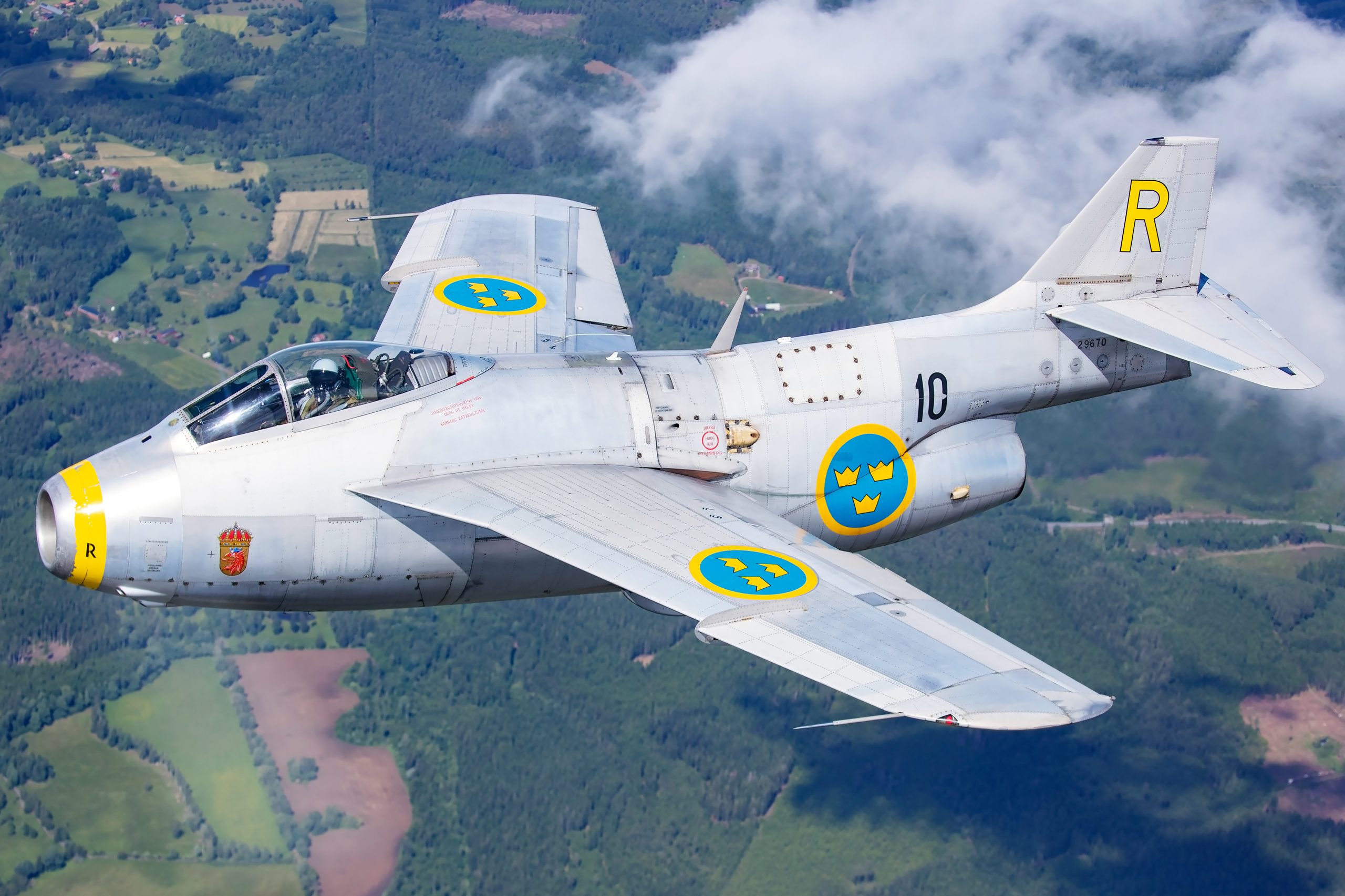
| Subject | Shutter speed | Aperture | ISO | Focus mode | Drive |
|---|---|---|---|---|---|
| Fast jets | 1/1000 to 1/1600s | Wide open or one stop down | Auto, capped at 6400 | Continuous AF, subject tracking | High-speed burst |
| Propeller aircraft | 1/160 to 1/250s | Wide open to f/8 | Auto or low fixed | Continuous AF, single area | High-speed burst |
| Helicopters | 1/125 to 1/200s | Wide open to f/8 | Auto or low fixed | Continuous AF, single area | High-speed burst |
| Static aircraft | 1/250s or faster | f/8 to f/11 | Base ISO | Single AF | Single shot |
Use auto ISO with a minimum shutter speed
The single most useful setting for a budget lens is auto ISO with a shutter speed floor. You set the shutter speed you need to freeze or pan the subject, set a sensible ISO ceiling, and let the camera raise ISO only as far as it must to hold that shutter speed. This stops the darker aperture catching you out when a cloud rolls over, because the camera simply lifts the ISO rather than dropping the shutter speed and blurring the aircraft. It is the setting that makes slow lenses easy to live with.
Give autofocus the easy wins
With a darker lens, help the autofocus where you can. Keep the lens within a stop of its sharpest aperture rather than always wide open if the light allows. Pick the cleanest part of the sky as your background when you acquire focus, then track the aircraft into a busier background once locked. Use back-button focus so you control exactly when the camera hunts. And keep the sun behind you when possible, both for the light on the aircraft and because front-lit subjects give the focus system more contrast to work with.
Shoot raw and expose to keep detail
Budget lenses benefit from a clean file to work with in editing, so shoot raw. Expose to keep the aircraft bright enough that you are not lifting shadows heavily later, because lifting shadows is where noise from higher ISO becomes visible. Getting the exposure right in camera, especially against a bright sky, is a skill in itself, and our guide to metering for bright skies walks through it so your aircraft never come out as silhouettes.
Common mistakes that waste a good lens
A budget lens is perfectly capable of excellent results, but there are a handful of mistakes that make people blame the glass when the technique is really at fault. Avoid these and your keeper rate will jump without spending another penny.
Shutter speed too low for the reach
The longer the lens, the more it magnifies camera shake, so a shutter speed that is fine at 200mm can be too slow at 600mm. If your frozen-jet shots are slightly soft all over, the cause is usually shutter speed, not the lens. Push it higher and the softness vanishes.
Zooming to the maximum out of habit
It is tempting to shoot every frame at the longest focal length, but the extreme long end of a budget zoom is usually its weakest point optically and its darkest aperture. If the aircraft fills the frame at 500mm, there is no need to force 600mm. Backing off the zoom a touch often gives a sharper, brighter result with room to crop.
Ignoring heat haze
On a hot day, the air shimmer between you and a distant aircraft destroys sharpness no matter how good the lens is. This is not the lens failing; it is physics. Shoot subjects when they are higher in cleaner air, or closer, rather than blaming the glass for soft distant frames on a scorching afternoon.
Blaming the lens for missed focus
Most soft aviation frames are missed focus, not poor optics. Before you conclude a lens is not sharp, check that the in-focus frames in a burst are sharp. If some frames in a sequence are crisp and others are not, the lens is fine and the focus tracking or your technique is the variable to work on.
Which budget lens for your situation
To turn all of this into a decision, here is how the choice usually shakes out for different kinds of aviation photographer.
The complete beginner on the tightest budget
Buy a used DSLR super-telephoto if you have or can find a cheap DSLR body, or a Canon RF 100-400mm if you are starting on Canon mirrorless. Both get you shooting aircraft for well under £800 all in. Learn technique on this and you may never need to upgrade the lens.
The airshow regular who walks all day
Weight is your enemy, so favour a 100-400mm class lens on a crop body, or a Micro Four Thirds 100-400mm. You get frame-filling reach in a package you can carry from the first slot to the last without aching arms, and the crop factor does the reaching for you.
The photographer who wants one lens to do everything
Choose a 150-600mm or 180-600mm zoom such as the Nikon Z 180-600mm or Sigma 150-600mm DG DN. The wide end handles close passes and the long end reaches distant subjects, all in one lens you never have to swap. Accept the weight as the price of versatility, and consider a monopod.
The spotter chasing distant and small subjects
Reach is everything, so look at the Canon RF 200-800mm, a 150-600mm on a crop body, or Micro Four Thirds for the 2x multiplier. You will be working at darker apertures, so shoot in good light and master long-lens technique. If you photograph at airports as well as airshows, our beginner’s guide to plane spotting locations and etiquette pairs well with this reach-first approach.
Frequently asked questions
- What is the cheapest lens that is good enough for airshows?
- A used Nikon AF-S 200-500mm f/5.6E ED VR for a DSLR, or a Canon RF 100-400mm f/5.6-8 IS USM for an EOS R body, will both produce publishable airshow images for well under £800. The Nikon gives more reach and a constant f/5.6 aperture but is heavy. The Canon is light and pocketable but slow at the long end. Either is enough to learn on and keep using for years.
- Do I really need 600mm, or is 400mm enough for aviation?
- 400mm is enough for big flying displays, formation passes and warbirds that fill the sky. You will want more reach for high passes, distant transits, static aircraft across a crowd line and small fast jets at altitude. On an APS-C body 400mm already behaves like roughly 600mm, so a cheaper 100-400mm on a crop camera covers most situations a full-frame shooter would need 600mm for.
- Is a used DSLR super-telephoto a better buy than a cheap mirrorless zoom?
- Often yes, on pure image quality per pound. A used Nikon 200-500mm f/5.6 or Sigma 150-600mm Contemporary gives constant or near-constant brightness and long reach for the price of a basic mirrorless zoom. The trade-off is that you are tied to a DSLR body and its older autofocus, and the lenses are heavy. If you already own or want a mirrorless camera, a native zoom focuses better on small fast subjects.
- Are f/6.3 and f/8 budget lenses too slow for fast jets?
- No, but they ask more of you. A darker maximum aperture means the autofocus has less light to work with and you push ISO higher to keep shutter speeds up. On a sunny day this is a non-issue. In dull, flat light an f/8 lens at full zoom will struggle to track a dark jet against grey cloud, so you lift ISO, accept a little noise, and keep the shutter speed high enough to freeze the airframe.
- Will a teleconverter turn a budget zoom into a 600mm lens cheaply?
- Sometimes, but read the small print. Many budget zooms are either not compatible with teleconverters or lose autofocus once the effective aperture drops past the camera body limit. A 1.4x on a 100-400mm f/5.6-8 gives 560mm at f/11, which current mirrorless bodies focus across the frame, though more slowly in dull light. Buy the converter that the lens maker lists as compatible, and test it before an event.
- Does a crop-sensor camera make a budget lens reach further?
- It narrows the field of view so the subject fills more of the frame, which looks like extra reach. An APS-C body crops by about 1.5 or 1.6 times and Micro Four Thirds by 2 times. So a 100-400mm zoom frames like a 150-600mm on a 1.5x APS-C body, or 160-640mm on Canon’s 1.6x, or a 200-800mm on Micro Four Thirds. You are not adding real focal length, but for distant aircraft the practical effect is the same and it is the cheapest reach you can buy.
- What is the best budget telephoto lens for Canon, Nikon or Sony aviation photography?
- For each system the sweet spot is usually a 100-400mm or 150-600mm zoom from the camera maker or from Sigma and Tamron. On Canon and Nikon DSLRs the Sigma and Tamron 150-600mm lenses are firm favourites; on mirrorless bodies the native 100-400mm and 200-600mm lenses are excellent if your budget stretches, with third-party options close behind.
- Is a 150-600mm lens too heavy to handhold all day?
- It is manageable but tiring. A 150-600mm zoom weighs around two kilograms, which most people can handhold for bursts of action but not continuously for hours. A monopod takes the weight between passes, and good technique, with elbows in and a steady stance, makes a real difference over a long show.
- Can I use a budget telephoto for airliner spotting as well as airshows?
- Yes, and it is one of the best all-round uses for these lenses. The same 150-600mm range that reaches a display aircraft will pull in airliners on approach or at the fence, and the extra reach is often more useful at a busy airport than at an airshow.
The bottom line
You do not need to spend a fortune to photograph aircraft well. A thoughtfully chosen budget telephoto, matched to your camera and your subjects, will give you sharp, frame-filling results that stand up anywhere. Decide first how much reach you really need, lean on a crop sensor if you want that reach cheaply, prioritise a lens with a quick modern focus motor, and do not overlook the used market where the real bargains hide. Then put the saved money into petrol, airshow tickets and time in the field, because that is what actually improves your photography.
If you would like to see what is possible with this kind of gear in skilled hands, browse our aviation photography galleries, and if you ever need images for commercial use, our licensing options explain how that works. When you are ready to upgrade, our full best lenses for aviation photography guide picks up where this one leaves off.
