Palm Springs is one of the easiest airports in America to photograph well, and it takes far less lens than most people pack for it. Two runways on one heading, a ten thousand foot mountain right behind the field, dependable desert light, and traffic that runs from Boeing 737s down through regional jets to a steady stream of business aircraft. This is everything Palm Springs plane spotting asks of you: where to stand, which way the runways are running, when to come, and what to put on the camera.
What is on this page
The airport in brief
Palm Springs International sits in the Coachella Valley, about a hundred miles east of Los Angeles and two hours down the I-10. It has two runways and they share a heading, which is the first thing to know.
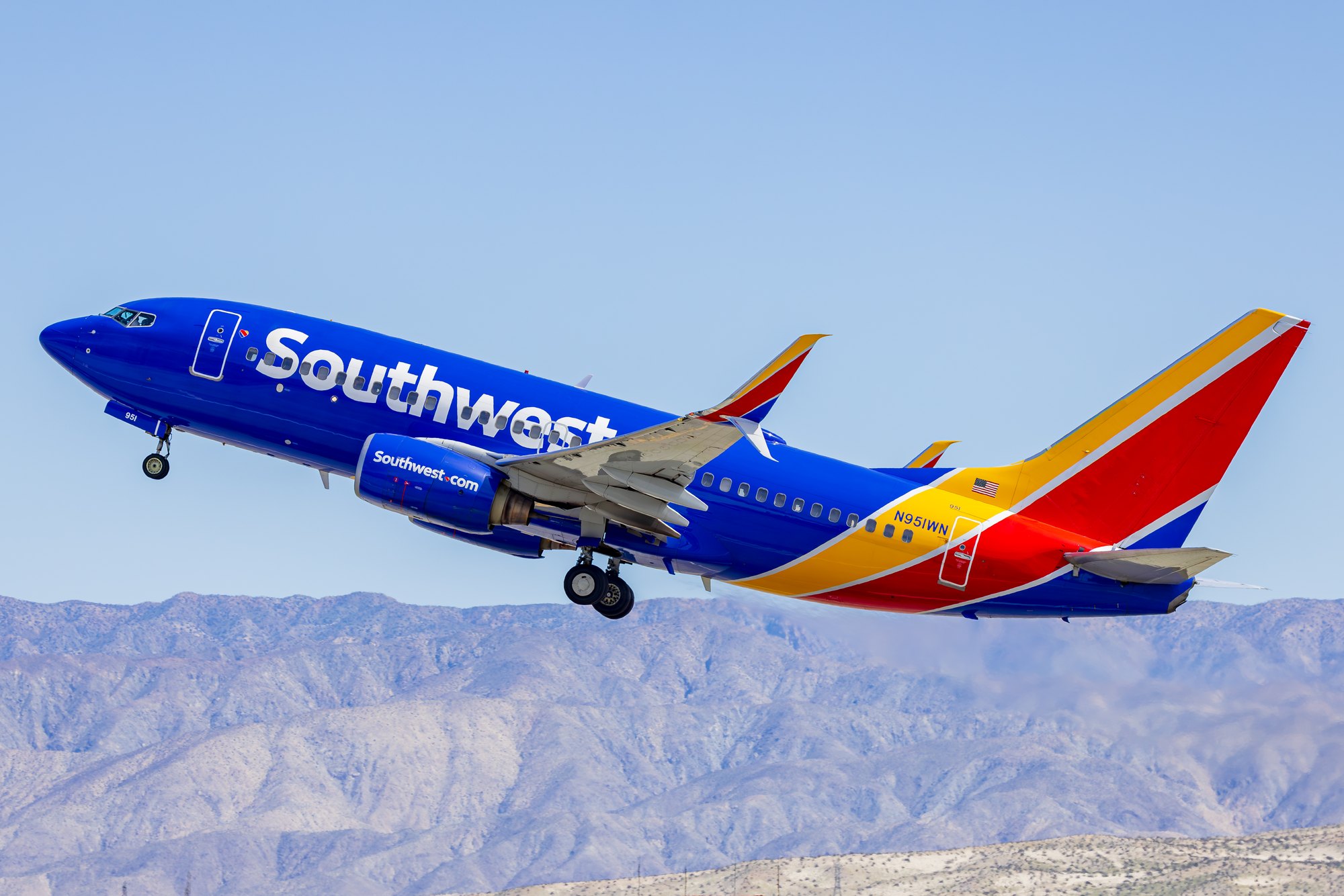
| Runway 13R/31L | 10,000 x 150 ft, grooved asphalt, precision markings |
|---|---|
| Runway 13L/31R | 4,953 x 75 ft, asphalt, basic markings |
| Magnetic heading | 130 / 310, both runways |
| Elevation | 476.6 ft |
| Terminal | 3400 East Tahquitz Canyon Way |
| Passengers | 3.3 million in 2025 |
Because both runways lie on the same axis, the whole airport works one way or the other. There is no crossing traffic to track and no second pattern to learn. Check the wind before you leave the hotel, pick your end, and stay there.
Traffic is heavier than the size of the place suggests. PSP handled 3.3 million passengers in 2025, up about 2.4 per cent on the year before, and the airport’s own figures make March 2025 the busiest single month it has ever recorded.
Alaska, American, Delta, Southwest, United, Allegiant, Avelo, Sun Country, Air Canada, WestJet, Flair and Porter all serve the airport, many of them seasonally. That is a lot of tails for a two-runway desert field. There is no scheduled widebody service; the airline traffic is 737s and A320s with Embraer E175s and Bombardier CRJs underneath.
Then there is the business aviation, which at Palm Springs is not an occasional bonus. This is a resort valley with money in it, and Citations, Challengers, Gulfstreams and King Airs come and go all day between the airline arrivals.
Which way is it running?
This is the one question to answer before you get in the car, and at Palm Springs it has a single answer for the whole airport rather than one per runway.
The field sits at the eastern mouth of the San Gorgonio Pass, the gap between Mount San Gorgonio to the north and San Jacinto to the south. The pass is a boundary between the Mediterranean climate on the coastal side and the desert on this one, and air moves through it more or less permanently. That is why there are hundreds of wind turbines standing between Cabazon and North Palm Springs, and why the valley has a reputation for wind that the tourist brochures leave out.
For a photographer the practical effect is simple. The dominant wind at the airport comes from the north-northwest at an average of about seven knots, which on runways lying 130/310 means the 31 direction most of the time. That is why three of the four positions below are set up for 31 arrivals, and it is why the mall car park is the safe first choice if you have one morning and no local knowledge.
When it does reverse, everything reverses with it. Aircraft land the other way, the approach moves to the northwest side of the field, and the museum lot becomes the position rather than an early-morning extra. You will not be caught out slowly. Either the whole airport is coming towards you or none of it is.
So check before you drive. Any flight tracking application shows the direction aircraft are landing in, and the airport’s own automated weather broadcast gives the wind. Five minutes over breakfast saves an hour of standing at the wrong end wondering where everybody is.
When to visit
October to March. Best of all from mid-March to the first week of May. Do not come between June and September.
Palm Springs has a sharper season than most airports, and the summer is wrong for two separate reasons at once.
The traffic follows the desert. The valley fills up in winter and empties in the heat, and the airport’s monthly figures show a dip every year across June, July, August and September. Autumn is when the numbers climb again. March is the peak.
The heat is the other half. These are the average daily highs.
| Jan | Feb | Mar | Apr | May | Jun | Jul | Aug | Sep | Oct | Nov | Dec |
|---|---|---|---|---|---|---|---|---|---|---|---|
| 70F | 73F | 79F | 86F | 93F | 102F | 106F | 105F | 100F | 89F | 77F | 69F |
From 7 June to 20 September the average high stays above 99F. Hot tarmac makes the air above it move, and a telephoto lens magnifies moving air exactly as well as it magnifies an aeroplane. Pictures taken in that weather look soft at full size and there is nothing you can do about it in the camera or afterwards. The only fix is a different month.
September is the clearest month for sky, at about 89 per cent clear or partly cloudy. February is the cloudiest at around 40 per cent overcast. Between October and March you get workable temperatures and mostly blue sky.
One date to plan around. Coachella and Stagecoach are held at Indio, roughly twenty miles down the valley, and the airport describes those weekends as one of its busiest periods of the year. Expect crowds and a lot of private movements. If you want quiet, pick a different weekend.
Where to shoot
There is no public observation deck at Palm Springs. What there is instead is four positions around the field, all reachable by car, all in ordinary public places. Two of them need something to stand on.
1. The mall car park, southeast of the field
Park in the front row of the shopping centre car park on the southeast side and you are looking straight down the approach to both 31 runways.
- Sees: arrivals on 31L and 31R
- Best: sunrise to early afternoon
- Lens: 50 to 250mm
- Needs a step: no
This is the easy one, and if you only have a morning it is where to spend it. You can shoot from beside the car, there are shops and lavatories behind you, and when the light goes flat you can sit down. Nothing here requires you to climb on anything.
2. The crash gate
A fence position on the airport boundary, reached from the nearby car park on foot.
- Sees: aircraft lining up on 31L with the mountains behind, plus close 31L arrivals
- Best: late morning to late afternoon
- Lens: 50 to 250mm
- Needs a step: yes, a two-step is enough
This is where the mountain shots come from. It is also the position that suffers most from shimmer, because you are looking along hot ground rather than up at an approach. On a warm day take the line-up shots early and give up on it by lunchtime.
3. Kirk Douglas Way
The fence beside the taxiway, with parking at the cell phone lot. The road is named after the actor and runs along the airport’s eastern side.
- Sees: 31L arrivals, plus taxiing traffic to and from the terminal and the general aviation ramp
- Best: late morning through to sunset
- Lens: 18 to 300mm, and you will use the wide end
- Needs a step: yes
The taxiway is close, so this is the position for registrations, nose shots and the business jets heading to the GA ramp. You can photograph the same aircraft twice, once on approach and again as it taxis past.
4. The Air Museum north car park
Off Highway 111, in through the museum entrance, right into the north lot, park facing the fence.
- Sees: everything, and the best angle on 13L and 13R when the airport runs southeast
- Best: early morning
- Lens: 100 to 300mm covers most of it
- Needs a step: helps, or park a high vehicle at the fence
The gate is normally open during museum hours. There are lavatories and vending machines behind you, which matters more than it sounds after three hours at a fence in the desert. This is also the position where you may catch the museum’s own warbirds getting airborne.
Behaving yourself
Spotting is tolerated at Palm Springs rather than provided for, which is the normal position in the United States. Carry photo identification. Stay on public ground and off anything fenced. If someone in uniform asks what you are doing, tell them, and keep your hands where they can see them. A long lens pointed at an airport boundary reads differently in America than it does at an English airfield, and the way to avoid trouble is to look like exactly what you are.
You need a car. The four positions sit on different sides of a field with a ten thousand foot runway across the middle, and walking between them in that climate is not sensible.
What lens you actually need
Shorter than you would pack. I went through the focal length recorded in every frame I took at Palm Springs, across three mornings on a full-frame body, and the numbers are not what the instinct says.
| Range | Frames | Share |
|---|---|---|
| 100 to 199mm | 25 | 51% |
| 200 to 299mm | 12 | 24% |
| 300 to 399mm | 7 | 14% |
| 400mm | 2 | 4% |
| 500mm | 3 | 6% |
The median was 186mm. Half of everything came in under 200mm. Three frames out of forty-nine needed 500mm, and all three were small aircraft rather than airliners.
A 100-400mm zoom would have taken 46 of the 49. A 70-200mm would have taken 29 of them, which is nearly six in ten. The widest frame of the lot is at 123mm, and the aircraft still fills it.
Two things make that true. Airliners are big, so a 737 does not need much magnification before it runs out of frame. And the positions at Palm Springs are close to the runways rather than half a mile back, so the aircraft come to you.
Where the long end earns its place is the small stuff. All three 500mm frames are business jets and turboprops, which are a fraction of a 737’s length and sit further out on the approach. If you want a Citation the same size in frame as an Alaska 737, that is where the 500mm goes.
So bring a zoom rather than a prime, and do not neglect the wide end. A lens starting at 100mm is more use at Palm Springs than one reaching 600mm. Our guide to the best lenses for aviation photography runs through the options by system, and the Canon RF 100-500mm is what shot everything on this page.
Light, and the mountain
San Jacinto Peak stands at 10,834 ft. The airport sits at 476 ft, and the mountain is immediately west of it. That is more than ten thousand feet of rock directly behind the field, and it is the reason Palm Springs looks like nowhere else in American aviation photography.
Point west and you get a wall of rock and scale behind the aircraft. Point east and you get plain sky. Both work. Decide which one you came for rather than accepting whichever the traffic hands you, because the two make very different pictures of the same aeroplane.
The runways lie on 130/310, so the axis runs southeast to northwest. In practice the southeast positions work from first light through to early afternoon, and the museum lot on the north side is a first-thing position. Palm Springs is a morning airport, and by late morning the sun is high enough to flatten a white fuselage.
| Date | Sunrise | Sunset |
|---|---|---|
| 15 January | 06:51 | 17:00 |
| 15 March | 06:56 | 18:53 |
| 1 May | 05:57 | 19:29 |
| 15 October | 06:51 | 18:11 |
| 15 December | 06:43 | 16:38 |
Sunrise in the good months falls around a quarter to seven, and the light is usable by half seven. Be parked before that. Work until the sun gets high, then go and look at the museum in the afternoon.
What you will see
A fair sample of an ordinary week in season, from three mornings at the fence.
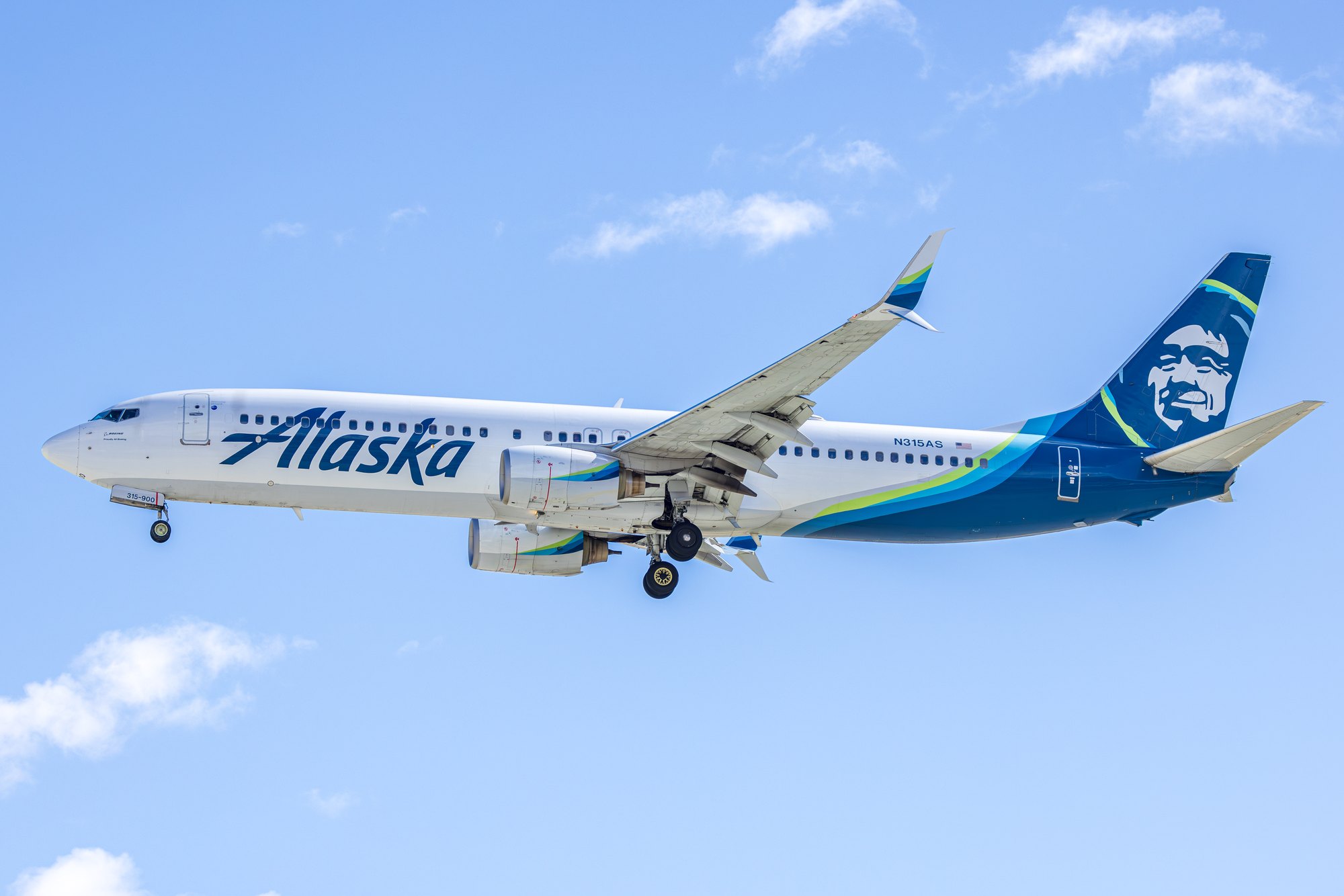
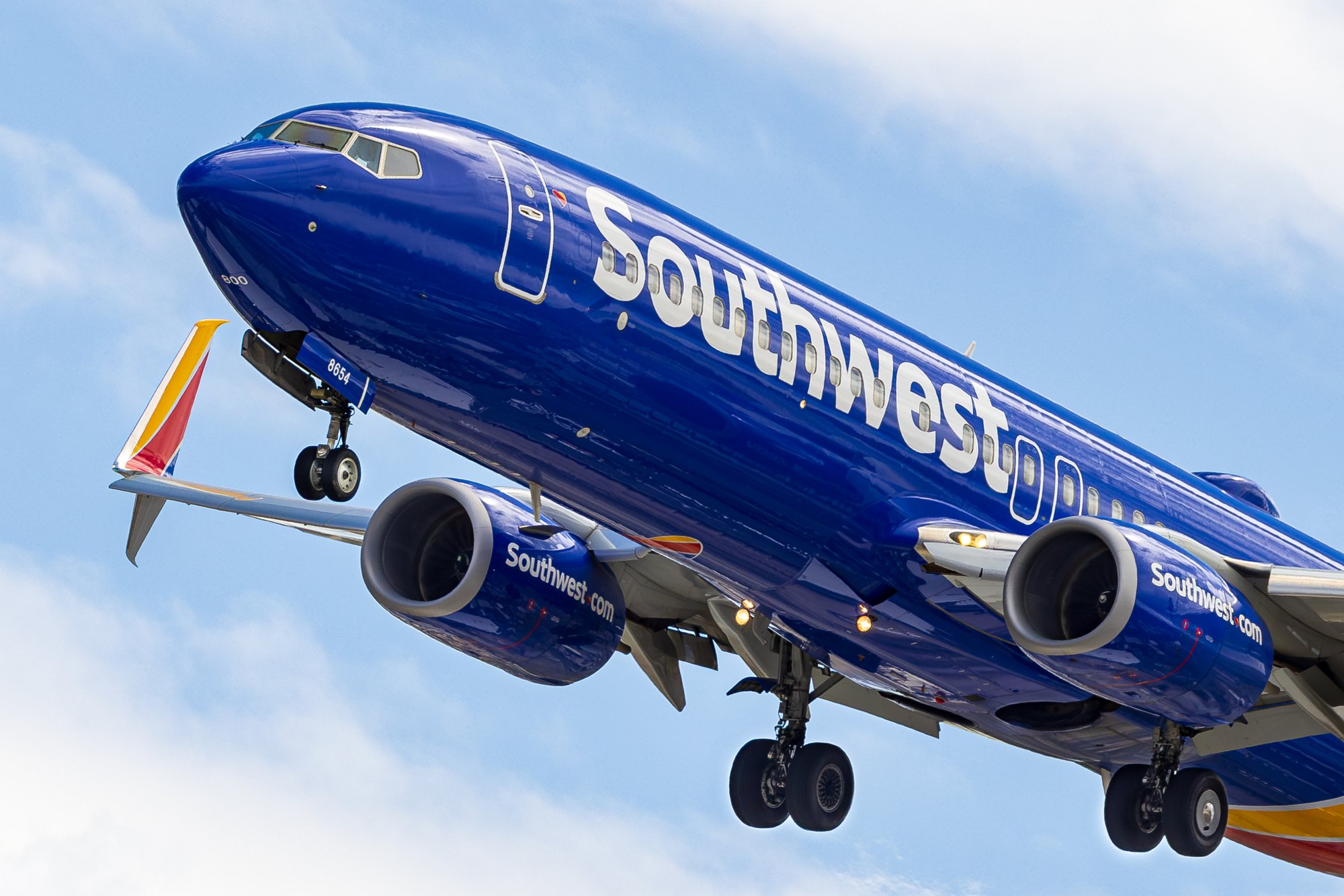
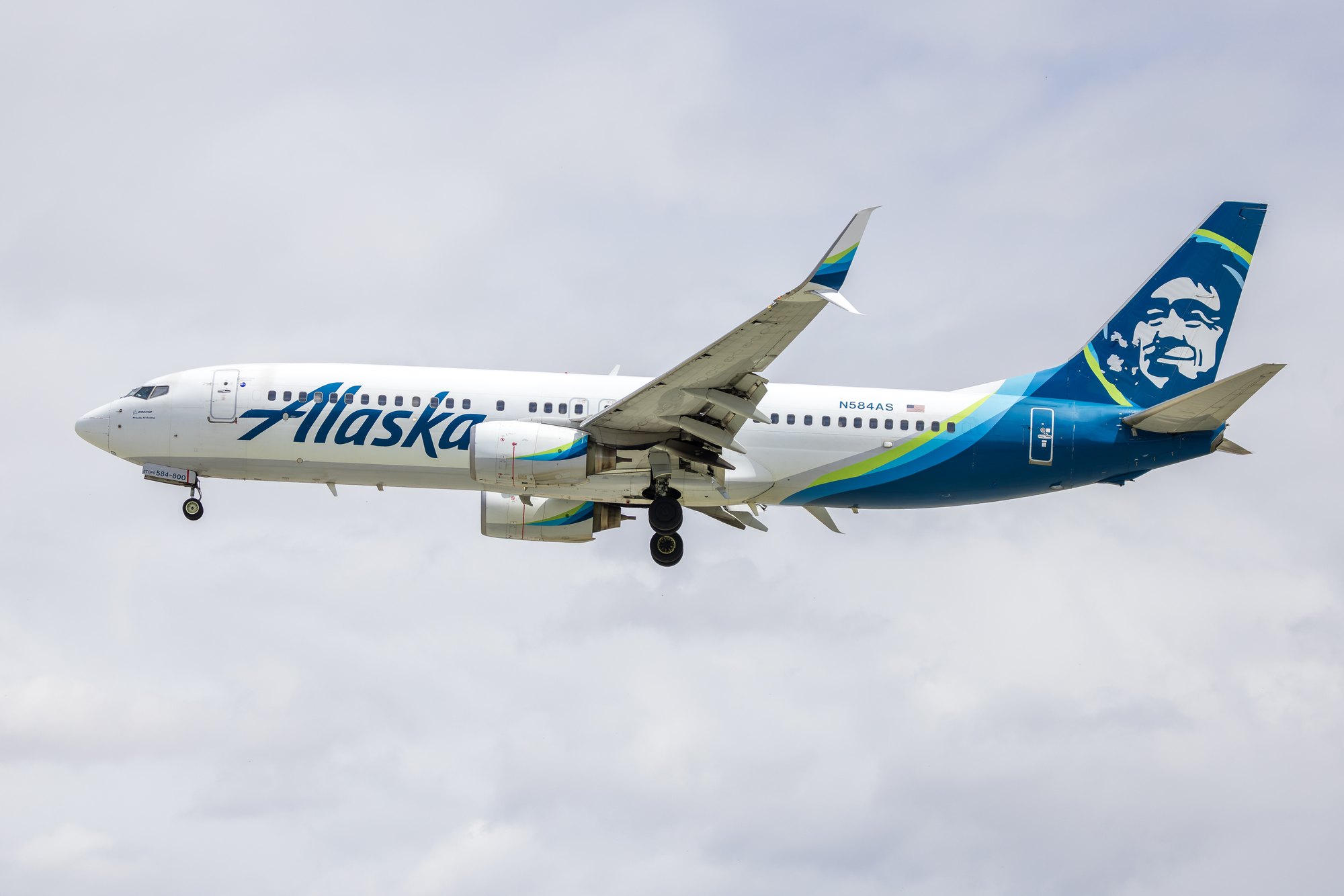
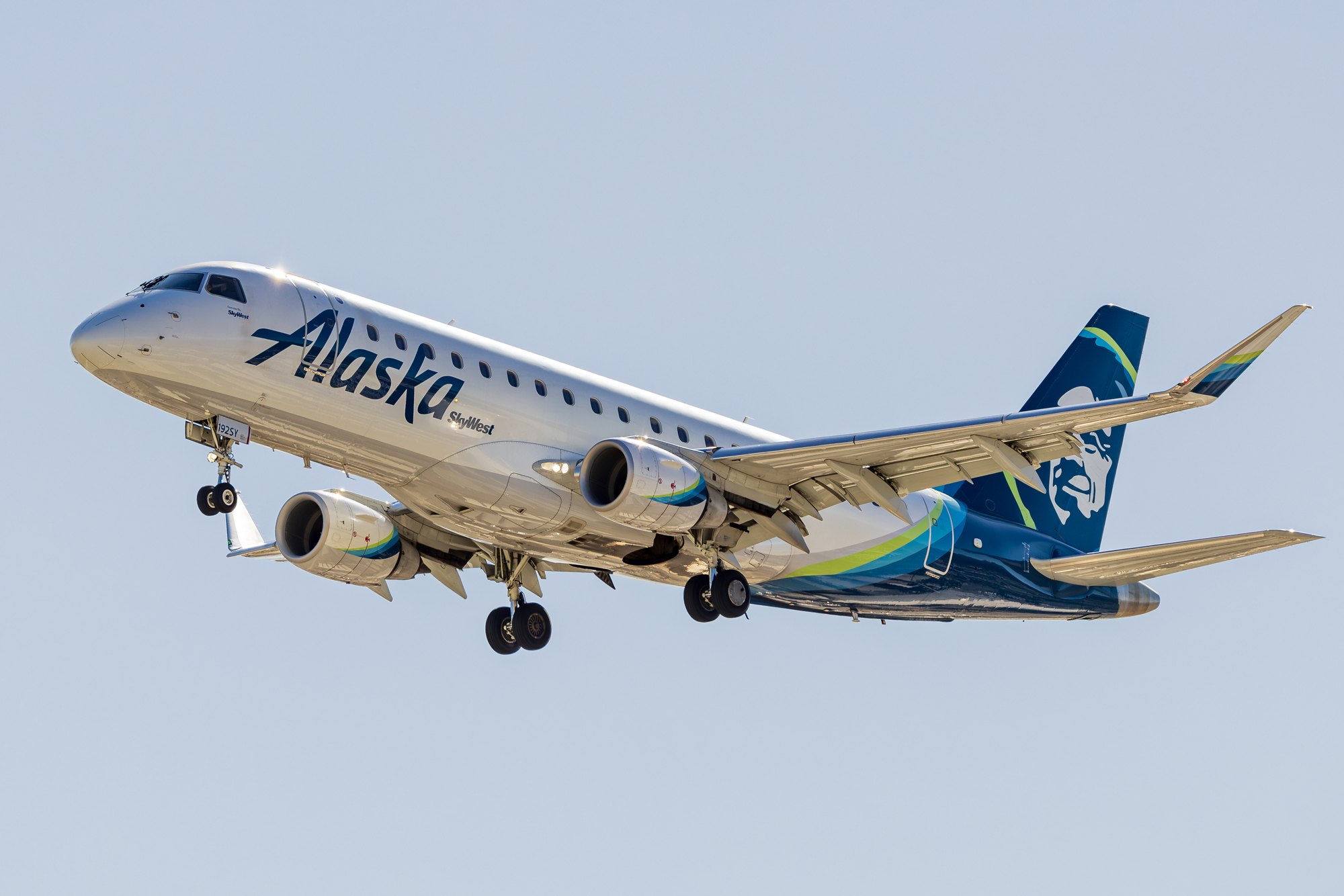
Alaska were the most frequent by some way, in 737-800s and 737-900s and in Embraer E175s flown for them by SkyWest. Southwest came next, in 737-700s and MAX 8s. Then United, American, Delta and WestJet, with Allegiant and Avelo often enough to be worth waiting for. The Canadian carriers are worth a mention for British readers: WestJet, Air Canada, Flair and Porter all run winter services into the valley, and a Canadian 737 over the Californian desert is not a picture you can take at home.
Regional jets are constant. Embraer E175s and Bombardier CRJs in Alaska, American Eagle, United Express and Delta Connection colours. At roughly half the length of a 737 these are the aircraft that want the long end.
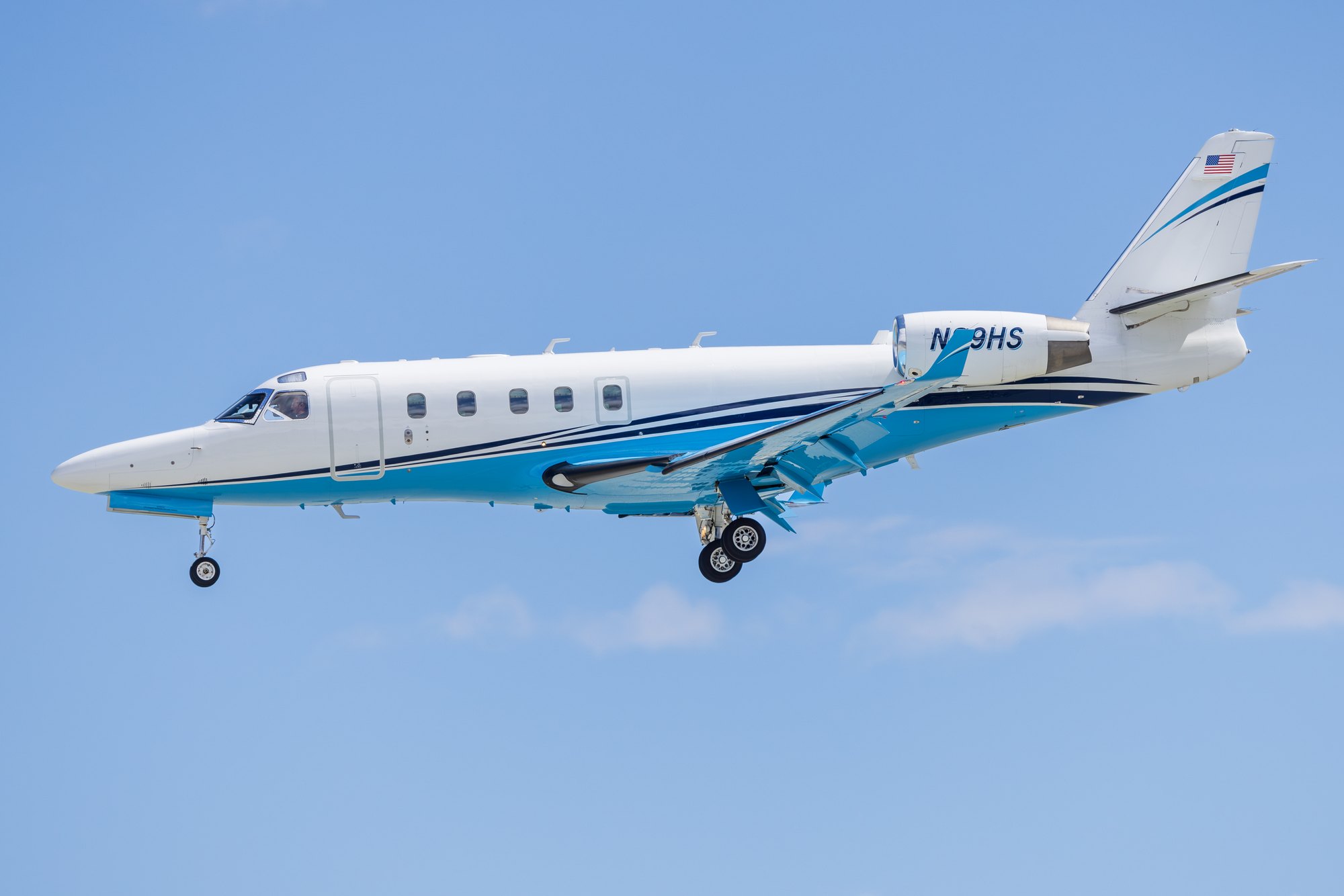
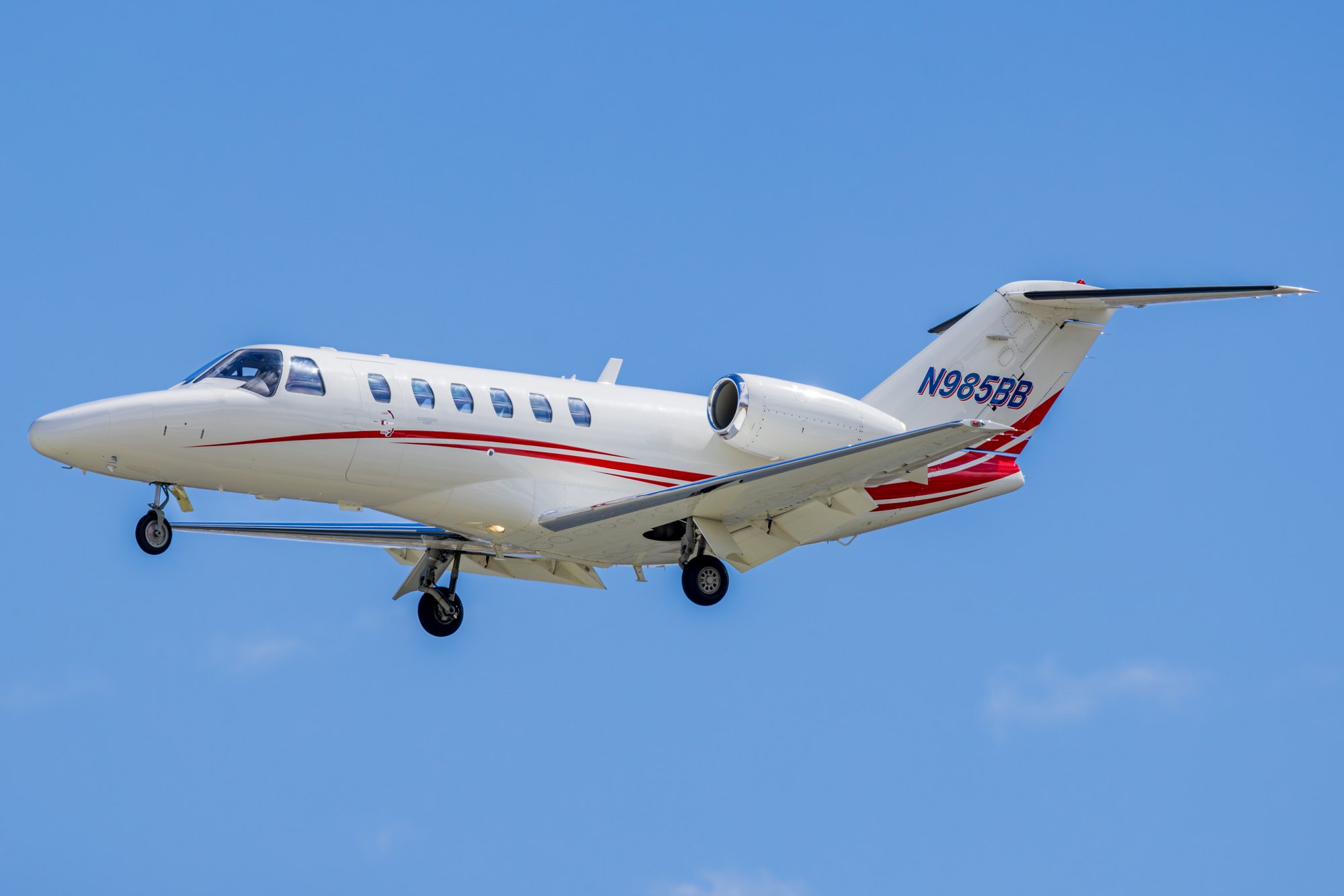
Business aircraft come and go all day. Cessna Citations of several sizes, Bombardier Challengers, Gulfstreams, Hawkers, a good deal of King Air work. If you are used to a British airfield where a bizjet is an event, the volume takes some getting used to.
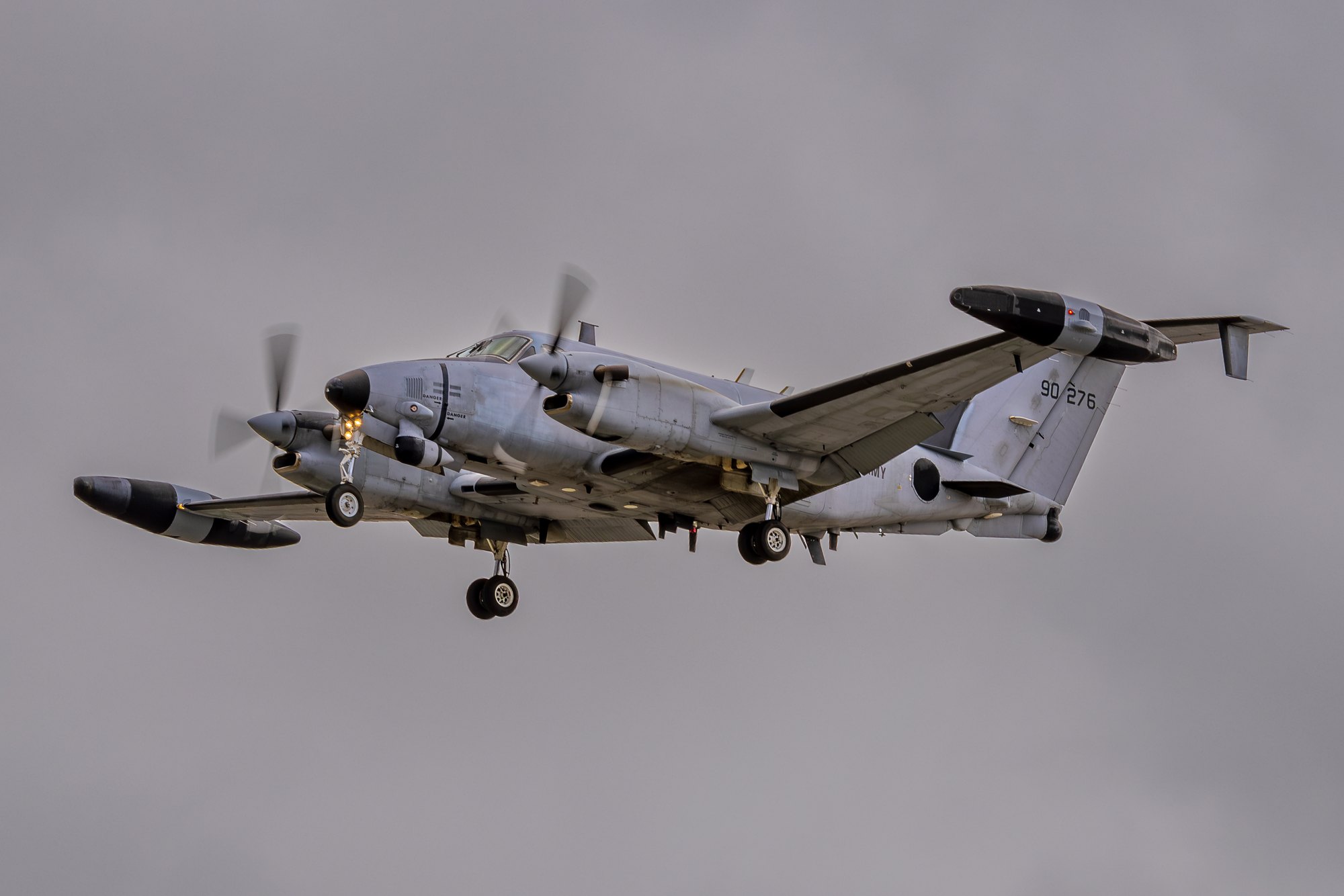
And then the ones nothing prepares you for. On the second morning a US Army Beechcraft RC-12 Guardrail came down the approach, an electronic intelligence aircraft on a King Air airframe, wingtip pods and antennas everywhere, 90-276 painted on the fin. No timetable was going to tell me that was coming.
Which is the case for staying put when the airline traffic thins out. The published schedule tells you when the Alaska flight from Seattle lands. It does not tell you about the Army.
Camera settings
Palm Springs is bright and the subjects are large and predictable. Nothing here is difficult.
Shutter speed
1/1000 and upwards for jets. Almost everything I shot there sits at 1/2000, which is more than a 737 on approach needs and costs nothing in that light. Drop hard for propellers: the RC-12 was 1/320 and the discs are full. A turboprop at 1/2000 has stopped blades and looks wrong, which is easy to forget after a morning of jets. Our guide to propeller blur shutter speeds has the numbers.
Aperture
Wide open, and stay there. Nearly everything on this page was taken at f/5 or f/5.6, which on the lens I was using is as wide as it goes at those focal lengths. A modern telephoto zoom is sharp wide open and there is no reason to give away the shutter speed. Stop down when you want depth of field on something close, not out of habit.
ISO
Low, and auto ISO handles it. My three mornings ran between 100 and 500, mostly 200 to 320.
Autofocus
Servo, with subject detection set to whichever mode your camera files aircraft under. An airliner on approach against clear sky is about the easiest thing a modern autofocus system is ever asked to do, which makes Palm Springs a good airport to learn on. Our guide to camera settings and autofocus goes through it properly.
Exposure
The one thing that will catch you out. A white fuselage against deep blue desert sky pulls the meter down and you lose the shadow detail. The same aircraft against the shaded face of San Jacinto pulls it the other way. Watch the highlight warning, and when you turn to shoot into the mountain expect to add a stop.
The Palm Springs Air Museum
The museum is at 745 North Gene Autry Trail, on the airport’s own doorstep, and it makes an obvious afternoon after a morning at the fence. It opens 10am to 5pm and closes only for Thanksgiving, Christmas and its own gala day. Adult admission is $26, seniors, veterans and teenagers $24, and children of twelve and under go free with a paying adult.
What sets it apart is that a large part of the collection still flies. It sells rides in them at weekends, which settles the question.
| Aircraft | Price |
|---|---|
| Douglas C-47 Skytrain | $249, five to ten passengers |
| Boeing PT-17 Stearman | $395 |
| North American T-6 Texan | $595 |
| North American T-28 Trojan | $995 |
| North American P-51 Mustang | $1,995 |
| Lockheed T-33 Shooting Star | $4,995 |
For a photographer the list matters beyond the ride itself, because those aeroplanes take off from the same runways you have spent the morning watching. A P-51 or a T-33 in the Palm Springs circuit is a different picture from the same airframe parked under a roof.
The hangars are air conditioned, which in that climate is not a small thing, and there are no barriers between visitors and the exhibits. The museum’s B-17 has been under restoration since 2021 and ran its engines again in April 2024. Every Memorial Day it drops flowers from its B-25.
Two things worth a phone call on 760-778-6262 before you go. The museum publishes no photography or tripod policy that I could find, and there is no public list of which airframes are flyable on a given day beyond the ride roster above. Our guide to photographing aircraft in museums covers the indoor side.
Practical notes
Hire a car. The spots are on different sides of the field and the valley is built for driving.
Pack a two-step. Two of the four positions need one to clear the fence. A folding step fits in a hire car boot and costs nothing to buy locally.
Take more water than you think. Even in the good season the afternoons run into the mid-twenties Celsius, and there is no shade at a fence line.
Hat and sun cream. The desert sun is unfiltered and it will find you in March as readily as in June.
Carry the long lens on to the aircraft. Obvious, and worth saying, because the trip depends on it arriving with you.
Check the direction before you set off. As above, it costs five minutes and saves a morning.
Getting there and staying
Palm Springs is about two hours east of Los Angeles on the I-10 and around four from San Diego. Most British visitors arrive through LAX and drive, which has the useful side effect of putting a morning at Los Angeles at one end of the trip.
The valley runs on tourism, so there is no shortage of places to stay at every price. Anywhere in Palm Springs itself puts you within ten minutes of all four positions. If you are combining the trip with the Coachella Valley’s other aviation, Jacqueline Cochran Regional and Bermuda Dunes are both a short drive down the valley and take the overflow when the festivals are on. Four hours east, our Scottsdale guide covers a desert airport of a completely different kind: no airliners at all, business jets against the McDowell Mountains, and the only free public viewing deck of the three. Two hours the other way, on the coast, our guide to plane spotting at San Diego covers the opposite kind of airport: one runway, a steep approach over the city, and a median focal length a hundred millimetres longer than here.
Is it worth the trip?
Not on its own from Britain. As part of a Southern California trip, yes, and I would go back.
What you get is a combination that is hard to find in one place. Enough traffic to keep you working, positions close enough that a mid-range zoom does the job, reliable light, a mountain that makes an ordinary 737 look like something, and a museum on the same site flying its own aeroplanes off the same runway. Los Angeles has far more movements and far more variety. It has none of the rest of it.
It is also easy, which counts for more than it sounds. No crossing runways to work out, no four in the morning starts, no complicated access. Turn up after breakfast, check which way it is running, park, and shoot until the light goes. As a first American airport, or as a day out of a holiday while everyone else is at the pool, it is hard to beat.
Every photograph on this page comes from the Piemags aviation archive. You can browse the aviation archive to licence images for personal, editorial or commercial use, on the terms set out in our licence terms. For a British equivalent, our guide to plane spotting at Heathrow covers a very different airport the same way, and our guide to photographing static aircraft is the one for the museum afternoon.
Questions people ask
Is Palm Springs a good airport for plane spotting?
Yes, and it is one of the easier good ones in the United States. Two parallel runways on a single heading mean the whole airport works in one direction at once, the vantage points sit close to the runways, the light is reliable, and San Jacinto rises more than ten thousand feet directly behind the field. It handled over 3.3 million passengers in 2025 and carries a heavy business-aviation load on top of the airlines.
What lens do you need at Palm Springs airport?
Less than you think. Across 49 frames shot there on full frame, the median focal length was 186mm and half were under 200mm. Only three reached 500mm, and all three were business aircraft or turboprops rather than airliners. A 100-400mm class lens covers 46 of the 49, which is 94 per cent. Value the wide end: a lens starting at 100mm is more useful here than one reaching 600mm.
When is the best time of year to photograph Palm Springs airport?
October to March, with the best movements from mid-March to the first week of May. Avoid June to September. That window is both the airport’s quietest period, with a well-documented seasonal dip across those four months, and the worst for heat haze, with July averaging 106F. Hot tarmac makes the air move and a long lens magnifies moving air as efficiently as it magnifies an aeroplane.
What time of day is best at Palm Springs?
Morning. The southeast positions work from sunrise through to early afternoon and the Air Museum lot on the north side is an early-morning position. Sunrise is around 06:51 in mid-October and 06:56 in mid-March, so useful light arrives by about half past seven. By late morning the desert sun is high and flat, which is difficult on white fuselages, so the museum is the better use of an afternoon.
Which runways does Palm Springs International have?
Two, and they share a heading, which is the useful part. The main runway is 13R/31L at 10,000 feet long, with a shorter parallel alongside it. Both lie on magnetic 130/310, so the whole airport reverses together and there is no crossing traffic to keep track of. Check the wind before you leave, pick your end and stay there.
Is there an observation deck at Palm Springs airport?
No. There is no official public observation area at PSP and nothing on the airport’s own site offers one, which is normal for a US airport of this size. What exists instead is a set of roadside and car park positions that photographers have used for years and which are tolerated rather than provided.
Where can you photograph aircraft at Palm Springs?
Four positions are in general use: the shopping centre car park southeast of the field for arrivals on both 31 runways, a crash-gate fence position that gives line-ups against the mountains, the fence along Kirk Douglas Way beside the taxiway with parking at the cell phone lot, and the Palm Springs Air Museum north car park, which covers the 13 movements. Two of the four need a step to clear the fence. Access details change, so check a maintained spotting guide before travelling.
Is plane spotting allowed at Palm Springs airport?
It is tolerated rather than formally provided for. The standing advice from spotting guides is to keep a low profile, as anywhere in the United States. Carry identification, be polite if anyone asks what you are doing, stay off private property and remember that a long lens pointed at an airport perimeter is read differently in America than at a British airfield.
Which airlines fly to Palm Springs?
Alaska, American, Delta, Southwest, United, Allegiant, Avelo, Sun Country, Air Canada, WestJet, Flair and Porter, some year round and many seasonally. On a single morning in season you can photograph eight different airline liveries plus the regional operators. There is no widebody service; the traffic is mainline narrowbodies, Embraer E175s and Bombardier CRJs, with heavy business-jet movements underneath.
What settings should you use at Palm Springs?
1/1000 second and upwards for jets, and most of my frames there sit at 1/2000, which costs nothing in that light. Wide open on aperture: nearly everything I shot there was f/5 or f/5.6, which is as wide as that lens goes at those focal lengths. ISO between 100 and 500 and it will look after itself. Servo autofocus with subject detection. Drop to around 1/320 for anything with a propeller, or the discs stop and the aircraft looks broken.
Is the Palm Springs Air Museum worth visiting?
Yes, and it pairs well with a morning at the fence. It is at 745 North Gene Autry Trail on the airport’s doorstep, open 10am to 5pm and closed only for Thanksgiving, Christmas and its own gala day, and adult admission is $26. A good part of the collection flies, which the museum proves by selling rides at weekends in a C-47 from $249 up to a T-33 at $4,995, with a P-51 at $1,995. Those aircraft use the same runways you have been photographing.
How does Palm Springs compare with Los Angeles for photography?
LAX has far more movements and far more variety. Palm Springs has everything else: closer vantage points so a medium zoom suffices, reliable light, no complicated runway logic, a ten thousand foot mountain as a backdrop, and a flying museum on the same site. As a first American airport, or as a day out of a Southern California holiday, Palm Springs is the easier and in some ways the more rewarding one.
Sources and further reading
- AirNav record for KPSP, republishing the Federal Aviation Administration’s own airport record. Used for the two runway designations, their dimensions, the shared 130/310 magnetic orientation and the surveyed field elevation. airnav.com
- Palm Springs International Airport, press release on 2025 passenger figures, for “more than 3.3 million passengers in 2025” and March 2025 as the busiest month in the airport’s history. flypsp.com
- Palm Springs International Airport, airline and route list, and the terminal address at 3400 East Tahquitz Canyon Way. flypsp.com
- Greater Palm Springs Business Insider, quoting the airport’s own monthly data, for the “well-known seasonal dip every year in June, July, August and September”. gpsbusinessinsider.com
- Weather Spark, average high temperatures by month at Palm Springs and the hot season running early June to mid-September above 99F. Derived from NOAA data rather than published by NOAA, and labelled as secondary here. weatherspark.com
- San Jacinto Peak at 10,834 feet, immediately west of a city and airport at about 476 feet. wikipedia.org
- San Gorgonio Pass, for the pass as “a transitional zone from a Mediterranean climate west of the pass, to a Desert climate east of the pass” making it “one of the most consistently windy places in the United States”, and for the wind farm running from Cabazon to North Palm Springs. wikipedia.org
- Windfinder station summary for Palm Springs International, for the dominant north-northwest wind direction and the seven knot average, from observations between March 2011 and July 2026. A secondary source and labelled as such: no official runway-usage split for PSP is published, and the Riverside County land use compatibility plan for the airport gives none. windfinder.com
- Spotter Guide, Palm Springs PSP/KPSP, for the four vantage points, the lens ranges, the seasonal advice and “Spotting is tolerated at PSP in general, but keep a low profile”. A secondary source, and the one to check for current access before travelling. spotterguide.net
- Palm Springs Air Museum, opening hours, admission prices, address at 745 North Gene Autry Trail and the description of “one of the world’s largest collections of flyable WWII aircraft”. palmspringsairmuseum.org
- Palm Springs Air Museum, warbird rides page, for the aircraft offered and their prices. palmspringsairmuseum.org
- Sunrise and sunset times calculated for the airport position, 33.83N 116.51W, in the America/Los_Angeles time zone. Used here to establish that the camera clock in these files was set to British time rather than local, since the latest frame reads 19:58 and sunset on 30 March is 19:04 local.
- KESQ, April 2026, on the Coachella travel surge and the airport describing it as one of its busiest periods annually. kesq.com
- Focal length, aperture, shutter speed and ISO for all 49 frames read from the EXIF of the original files, Canon EOS R5 with RF 100-500mm F4.5-7.1L IS USM, 29 to 31 March 2023.

Leave a Reply