For aviation photography in 2026, mirrorless is the better system for most photographers: the latest bodies track aircraft with dedicated subject detection, shoot faster bursts with no viewfinder blackout, and get all the new lens development, while DSLRs hold the advantage only in battery life, used prices and optical viewfinder purity. That single sentence hides a lot of nuance, though. A ten-year-old DSLR with a good telephoto zoom still produces magazine-quality aviation work, the used market has never offered more camera for the money, and some of the claimed mirrorless advantages matter far less on an airfield than they do in a spec sheet. This guide works through the real differences as they apply to photographing aircraft, not birds or weddings, and finishes with honest recommendations for different budgets.
What this guide covers
- Where the debate stands in 2026
- How DSLRs and mirrorless cameras differ
- What aviation photography actually demands
- Autofocus and aircraft detection
- Viewfinders, blackout and panning
- Burst rates, buffers and pre-capture
- Battery life and long airfield days
- Lenses: the real deciding factor
- Image quality and sensors
- Handling, weather sealing and reliability
- The case for a DSLR in 2026
- The case for going mirrorless
- Recommended setups by budget
- Common mistakes when switching
- A worked example: one display, two systems
- Frequently asked questions
Where the debate stands in 2026
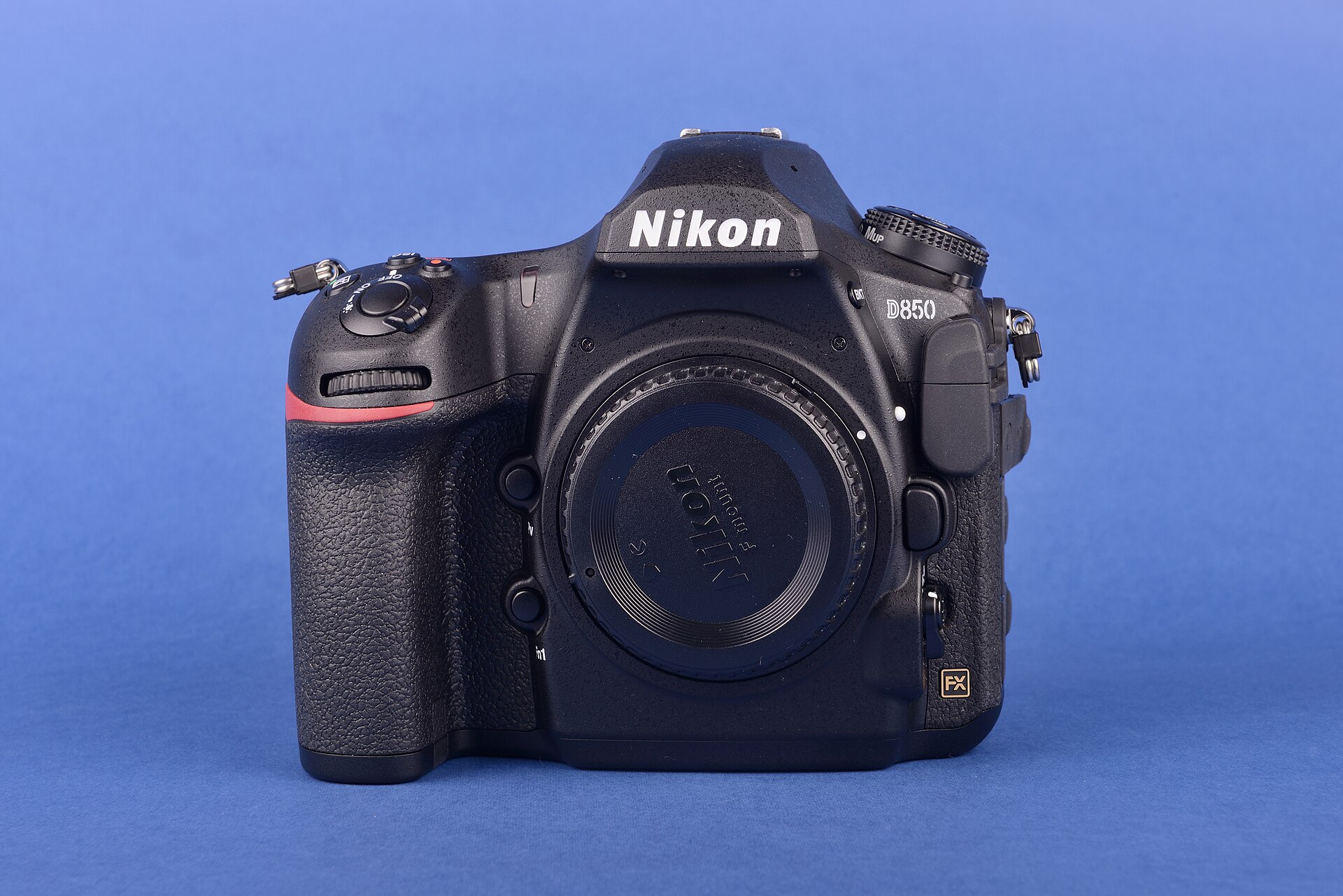
The industry has made its decision, even if photographers have not. Canon confirmed that the EOS-1D X Mark III, launched in January 2020, would be its final flagship DSLR, and its lens development effort has moved almost entirely to the mirrorless RF mount. Nikon’s final new DSLR was the D6, announced in February 2020, and while the company has described reports of a formal withdrawal from DSLRs as speculation, it discontinued the D500 and D5600 in 2022 and has concentrated every significant release since on the Z system. Canon and Nikon have announced no new DSLR body or lens of consequence for several years, though Ricoh and Pentax continue to develop DSLRs and have a new model in production as of 2026.
That tells you where the future is, but it does not tell you what to buy. Aviation photography is unusually kind to older equipment. Aircraft are large, they fly predictable lines, display routines repeat, and the light at an airfield is usually abundant. The genre rewards long focal lengths, good panning technique and field craft far more than it rewards the latest autofocus algorithms. A photographer who knows a display sequence will out-shoot a stranger with twice the camera, every single time. So the honest starting point is this: the mirrorless advantage is mostly one of margin, with a handful of real differences in kind, and how much that margin is worth depends on what and how you shoot.
There is also a simple economic angle. Because so many professionals and enthusiasts have moved systems, the used market is saturated with excellent DSLR bodies and telephoto lenses at prices that would have seemed absurd five years ago. If your budget is limited, the value question and the technology question pull in opposite directions, and this guide treats both seriously.
How DSLRs and mirrorless cameras differ
The mechanical difference is simple. A DSLR (digital single-lens reflex) has a mirror behind the lens that reflects the image up into a pentaprism and out through an optical viewfinder. You see the world through the glass itself, with zero electronic delay. When you fire, the mirror flips up, the mechanical shutter opens, and the sensor is exposed. A mirrorless camera deletes the mirror box entirely: the sensor is always exposed to the lens, and the viewfinder is a small electronic screen (EVF) showing a live feed from that sensor.
Everything else flows from that one change. Removing the mirror shortens the distance from lens mount to sensor, which is why the new mounts (Canon RF, Nikon Z, Sony E) allow different optical designs. It removes the mechanical bottleneck of a flipping mirror, and stacked sensors with electronic shutters do the rest. It means autofocus is measured on the imaging sensor itself rather than on a separate module beneath the mirror, which removes whole categories of calibration error. And it means the camera is drawing power to show you a picture every moment it is switched on, which is why battery consumption is higher.
| Aspect | DSLR | Mirrorless |
|---|---|---|
| Viewfinder | Optical, zero lag, no power needed | Electronic, shows exposure preview, needs power |
| Autofocus sensor | Separate phase-detect module | On the imaging sensor itself |
| Subject detection | Limited or none | Trained recognition including aircraft |
| Typical pro burst rate | 10 to 16 fps | 20 to 120 fps electronic |
| Battery life (CIPA) | Roughly 1,000 to 3,000+ shots | Roughly 300 to 750 shots |
| Lens development | Effectively ended | All current development |
| Used value | Excellent bargains | Holds price, little depreciation yet |
What aviation photography actually demands
Before comparing systems, be clear about the job. Aviation photography asks a camera to do a handful of specific things well, and almost nothing else matters.
Tracking a fast subject against a clean sky
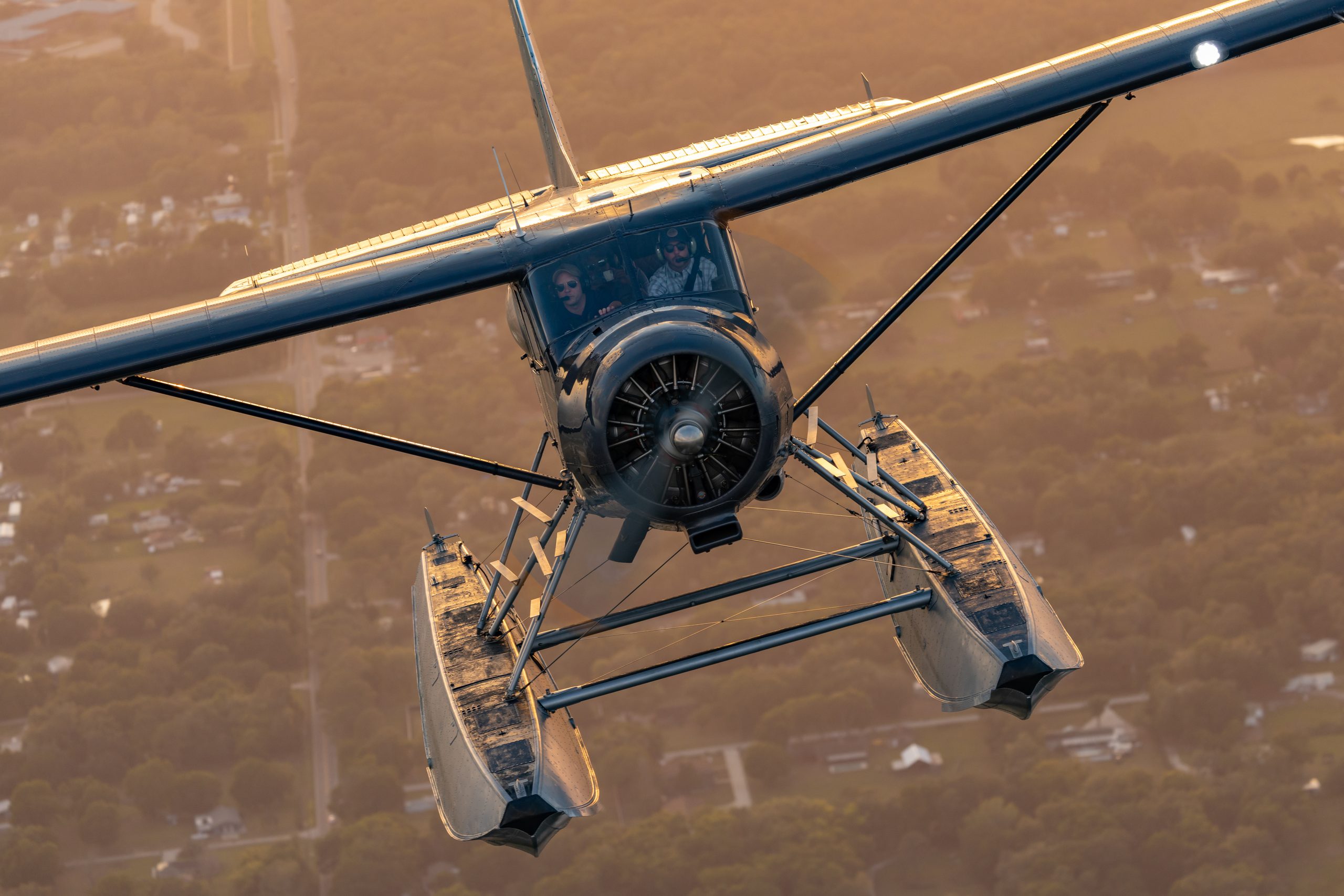
A display jet crossing at 400 knots is a demanding autofocus subject in one sense (it is fast) and an easy one in another (it is a high-contrast shape against an empty background). Almost any phase-detect system from the last fifteen years will hold a jet against blue sky. The hard cases are the ones that separate systems: a grey aircraft against grey cloud, a fast crossing pass at close range where angular speed is extreme, topside passes against trees or crowd, and head-on approaches where the subject barely changes size until suddenly it does.
Panning at slow shutter speeds
Propeller and rotor aircraft need slow shutter speeds (typically 1/60 to 1/320) to keep the blades blurred, which means panning, often for hours at a time. The viewfinder experience during a panned burst matters enormously, and this is where the two technologies feel most different in the hand.
Reach, and the weight that comes with it
Most aviation work happens between 300mm and 600mm at airfields and 600mm-plus for spotting at major airports. The relevant question is not which body is better in isolation but which system gives you the focal length you need, at a weight you can pan with, at a price you can defend. Our full guide to the best lenses for aviation photography covers this in depth.
Very long days in bad places
An airshow day runs from a 6am arrival to an evening departure, often with no access to power, in heat, dust, drizzle and crowds. Battery behaviour, weather sealing and simple ergonomic comfort get tested harder at RIAT than they ever will in a studio.
Autofocus and aircraft detection
This is the clearest mirrorless win, and it is worth explaining precisely rather than waving at it. Current mirrorless flagships and near-flagships run machine-trained subject recognition on the live sensor feed. Nikon’s Z8 and Z9 recognise aircraft as a specific subject class (among people, animals, birds and vehicles) using the EXPEED 7 processor, with autofocus sensitive down to -9 EV, and you do not have to tell the camera in advance what it is looking for. Sony’s A9 III and A1 II offer a dedicated Airplane recognition mode driven by a separate AI processing unit. Canon’s EOS R5 Mark II and R1 apply similar deep-learning detection with their Digic Accelerator processors.
In practice, aircraft detection means the camera finds and holds the airframe (often the cockpit specifically) anywhere in the frame, and stays on it while you concentrate on composition and the pan. For erratic subjects like display teams crossing and breaking, or a fast jet popping flares in a turn, the system quietly re-acquires without you doing anything. On a DSLR you manage this yourself: you choose an AF point cluster, keep it physically on the aircraft through the whole manoeuvre, and accept that if you drift onto the background the camera may go with it.
Two honest caveats. First, a competent DSLR shooter with a single expanded point and good technique loses very few frames to focus error on typical airshow subjects; the detection advantage shows up most in the marginal cases (head-on approaches, cluttered backgrounds, multiple aircraft in frame). Second, subject detection occasionally guesses wrong: it can jump to the towing aircraft instead of the glider, or to the lead ship when you wanted the wingman, so you still need to know how to override it. The gap is real, but it is a 5 to 10 per cent gap in keeper rate for an experienced photographer, not a transformation. For a beginner it is closer to transformative, because the camera absorbs the hardest skill.
Viewfinders, blackout and panning
An optical viewfinder shows you the world with no delay and no processing, and during a burst it blacks out each time the mirror flips. An EVF shows you a processed feed with a tiny delay, and on stacked-sensor bodies it does not black out at all during a burst.
For aviation, blackout behaviour matters more than latency. Panning a fast crossing jet through a 14fps burst on a DSLR means tracking through a flicker of interruptions; your brain interpolates, and experienced shooters do it unconsciously, but it is genuine added difficulty. A blackout-free EVF on a stacked-sensor mirrorless body (Z8, Z9, A1 II, A9 III, R5 Mark II in electronic shutter) gives you an uninterrupted view through the whole burst, as if you were not shooting at all. Once you have panned a Typhoon display with no blackout, going back feels like blinking rapidly on purpose.
The EVF also previews exposure. Aircraft against bright sky is the classic metering trap (we cover it fully in our guide to exposure for aircraft against bright skies), and on a DSLR you discover your underexposed silhouette after the pass. An EVF shows you the problem before you fire, which for newcomers removes the single most common cause of ruined airshow photographs.
Against that, cheaper and older mirrorless bodies without stacked sensors show EVF lag and stuttery blackout-style feeds during bursts that are really worse for panning than any optical finder. If your mirrorless budget only stretches to a body with a slow-readout sensor, an optical viewfinder DSLR may actually give you the better panning experience. This point is missed in almost every comparison, and it is why the budget recommendations later in this guide are not simply mirrorless across the board.
Burst rates, buffers and pre-capture
The headline numbers first. The fastest DSLRs ever made, the Canon EOS-1D X Mark III and Nikon D6, reach roughly 14 to 16 frames per second depending on mode. Current mirrorless bodies start where DSLRs finished: the Nikon Z8 and Z9 shoot 20fps in raw with a buffer of over 1,000 frames, 30fps in full-size JPEG, and 120fps at reduced 11MP resolution. The Canon R5 Mark II manages 30fps raw with full autofocus. The Sony A9 III , with its global shutter, reaches 120fps at full 24.6MP resolution with no viewfinder blackout.
Do you need this for aircraft? Mostly, no. Aircraft are not gymnasts; between 10 and 20fps there are few decisive moments you will miss. Three situations reward the extreme rates: the exact instant of a fast-jet crossing break with both aircraft perfectly overlapped, touchdown puffs and vapour bursts that live and die in hundredths of a second, and formation photo passes where you want the one frame with every propeller at the ideal blur angle. At 120fps you choose that frame; at 12fps you hope for it.
Pre-capture is the more useful innovation for aviation. The R5 Mark II records up to 15 full-resolution frames from before the moment you fully press the shutter; Nikon offers similar pre-release capture in the Z8 and Z9, and Sony in the A9 III. For unpredictable moments (a Harrier’s sudden bow, an unexpected flare release, a gear-up bounce on a display landing) the camera has already caught what your reaction time missed. No DSLR can do this, because the mirror is down until you commit.
One practical warning: high frame rates multiply editing time brutally. A display day at 20fps can come home with 8,000 frames. Shoot bursts with intent, not as a default. Our airshow camera settings guide covers sensible burst discipline in detail.
Battery life and long airfield days
Here the DSLR wins, and wins big. Because an optical viewfinder consumes no power, a Nikon D850 is CIPA-rated at around 1,840 shots per charge and pro flagship DSLRs like the D6 run for days of shooting on one battery. Mirrorless bodies must power a sensor and viewfinder continuously: the Z8 carries a CIPA rating of roughly 340 shots, and even the large-battery Z9 sits in the 700-750 range.
CIPA figures are deliberately punishing (they simulate constant review and intermittent shooting) and real-world airshow use looks far better than the ratings suggest, because burst shooting is efficient: photographers regularly report several thousand frames per charge from a Z9 on a display day. But the pattern of aviation photography is exactly the pattern that drains mirrorless bodies fastest: hours of standing with the camera up, tracking, composing, waiting, not firing. Every minute of that costs battery on mirrorless and costs nothing on a DSLR.
The practical answer is boring: carry two or three spare batteries and the problem disappears. But it is a real cost (genuine spares are not cheap), a real weight, and a real failure mode on a cold February morning at a fence line when you discover the spare in your pocket has self-discharged. If you shoot multi-day events away from power, weight the DSLR’s endurance plainly. What to carry, and how much of it, is covered in our airshow packing checklist.
Lenses: the real deciding factor
Bodies come and go; you live with a lens system for a decade. This is where the decision usually makes itself, in either direction.
The mirrorless mounts get all the new glass
The super-telephoto zooms designed for the new mounts are simply better tools for aviation than their DSLR-era predecessors. Nikon’s Z 180-600mm f/5.6-6.3 VR (about 2,140g, internal zoom, so it does not change length or balance as you rack it) is the standout value of the current market. Sony’s FE 200-600mm f/5.6-6.3 G OSS (2,115g, also internal zoom) has been the default aviation lens on E-mount since 2019. Canon’s RF 200-800mm f/6.3-9 IS USM reaches further than either, at the cost of an external zoom and a slow long end. Nothing comparable was ever made for F or EF mount at these price points; the DSLR equivalents are either shorter (Nikon 200-500mm), heavier, or third-party.
Your DSLR glass mostly comes with you
Both Canon and Nikon make adapters (EF-EOS R and FTZ II) that carry DSLR lenses to the mirrorless mounts with full autofocus and stabilisation, and in most cases performance is equal to or better than on the original body, because on-sensor autofocus removes front- and back-focus calibration error entirely. A Sigma or Tamron 150-600mm on an adapter is a perfectly serious aviation setup on a Z8 or R5. This matters enormously for the switching maths: you can move your body now and your glass later, or never.
The used DSLR market is a gift
Because of the great migration, used prices for excellent DSLR telephotos have fallen hard. If the total budget is under about a thousand pounds, a used D500 or 7D Mark II with a used 150-600mm class zoom beats any new mirrorless combination available for the same money, and it is not close. We wrote up the strongest options in our budget telephoto guide.
Support kit is unchanged
Whichever way you go, a 2kg-plus lens raises the same monopod-or-handhold question it always has; see our monopod guide for that debate.
Image quality and sensors
Here is the quiet truth of the whole debate: at base ISO, in good light, at the sizes aviation photographs are actually used, there is no meaningful image quality difference between a good DSLR and a good mirrorless body of similar sensor generation. A D850 file and a Z8 file are, for practical purposes, twins; the Z8 matches the D850’s 45.7MP resolution, though its stacked sensor is a different design. The lens on the front matters more than the body behind it, and atmospheric conditions (heat haze above a runway will destroy detail no camera can recover) matter more than either.
The differences appear at the margins. Stacked sensors read out fast enough that electronic-shutter distortion (the bent propeller effect of rolling shutter) is negligible on a Z8, Z9 or A1 II and simply absent on the global-shutter A9 III, while older or cheaper mirrorless bodies in electronic shutter can visibly skew fast-moving subjects and banding under artificial light remains a hazard for night shoots. Mechanical shutter remains available on most bodies as an escape. Resolution has drifted upwards on mirrorless (45 to 61MP is now normal at the high end against 20 to 24MP on the pro DSLRs), which buys real cropping headroom for distant subjects; a heavy crop from a 45MP frame equals the full output of a D6. For stock work, where a licensing client may want to print large or crop tight, that headroom has commercial value; see our licensing terms for how these images are actually sold.
High-ISO behaviour tracks sensor generation, not mirror presence. Modern processing in post recovers more than the difference; our guide to noise reduction and sharpening for long-lens work shows what current tools do with marginal files from either system.
Handling, weather sealing and reliability
Pro DSLRs remain the most physically durable cameras ever made. A D6 or 1D X Mark III is a solid brick of magnesium designed to be rained on, frozen, and knocked off a press riser, with shutter mechanisms rated to 400,000 actuations on the D6 and 500,000 on the 1D X Mark III. High-end mirrorless bodies (Z9, A1 II, R1) have caught up on sealing, and Nikon builds the Z9 to the same professional standard, but the mid-range mirrorless bodies most people actually buy are lighter, smaller and less armoured than the DSLRs they replace.
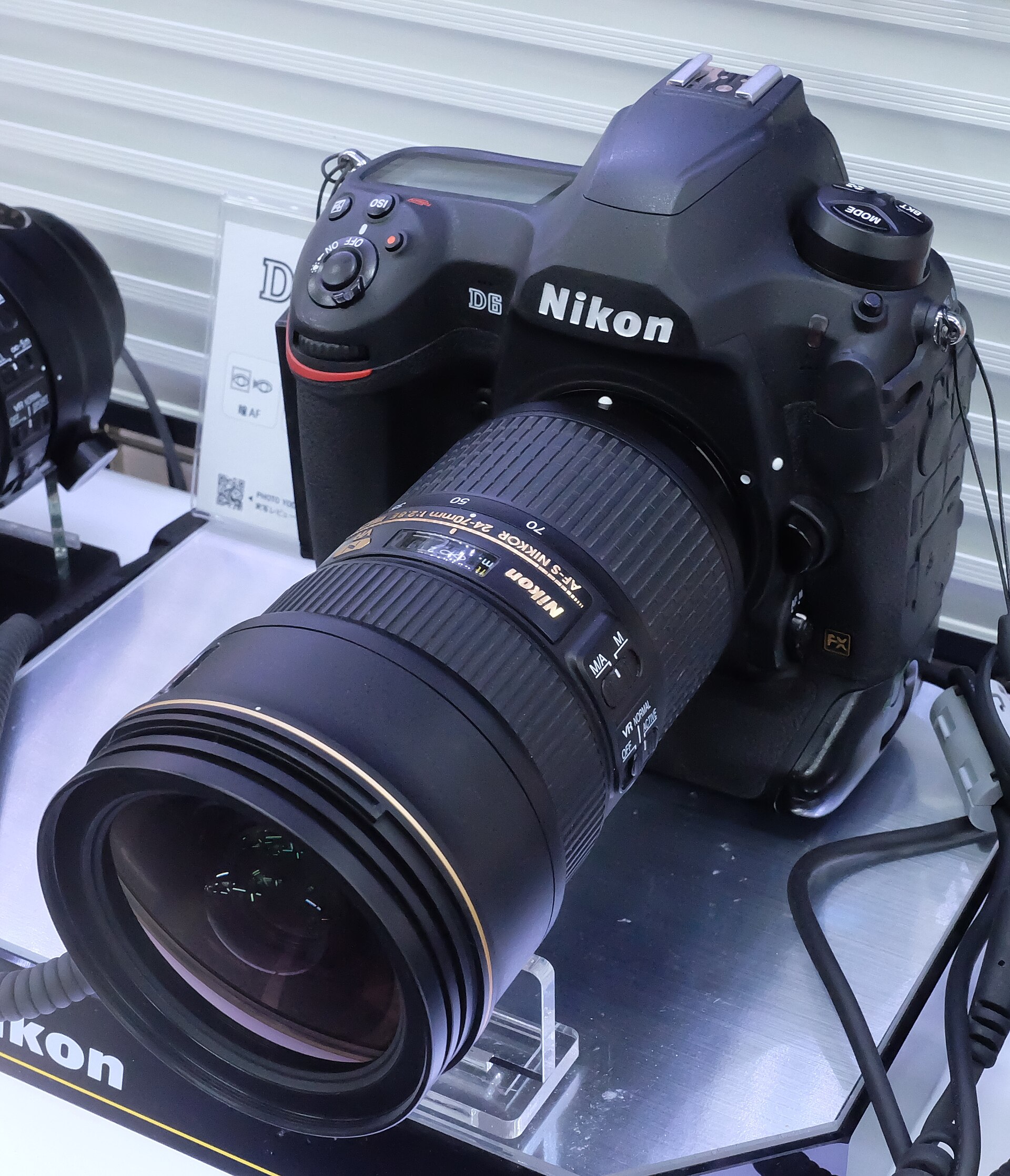
Handling with long lenses cuts both ways. A big DSLR balances a 2kg telephoto beautifully; its mass damps the pan and the deep grip spreads the load. Small mirrorless bodies can feel nose-heavy with the same glass until you add a battery grip, at which point the size advantage has evaporated. Conversely, a Z8-class body with a 180-600mm saves the best part of a kilogram over the equivalent DSLR kit, and after nine hours at a crowd line your shoulders count every gram. Mirrorless bodies also stabilise on the sensor (IBIS), which cooperates with lens stabilisation and helps slow-shutter panning; DSLRs rely on lens stabilisation alone.
One reliability note peculiar to mirrorless: with no mirror shielding it, the sensor is exposed to the open mount every time you change lenses, and an airfield is a dusty, kerosene-hazed place to do that. Newer bodies close the shutter at power-off to protect the sensor. It is manageable, but DSLR shooters swap lenses at airshows with a carelessness mirrorless owners learn to abandon.
The case for a DSLR in 2026
Put plainly, the DSLR case is now a value-and-preference case, and on those terms it remains strong.
The money argument first. Used D850s, D500s, 7D Mark IIs and 1D-series bodies in good condition sell for a fraction of their launch prices, and DSLR-mount super-telephoto zooms have followed them down. For the price of one new Z8 body you can assemble a complete, proven, weather-sealed D850 kit with a 150-600mm zoom, spare batteries and a monopod, and have money left for fuel to the airshows. Nothing about that kit will hold back your aviation photography for years. The skills that actually decide keeper rate (panning, anticipation, position, light) are camera-agnostic, and a photographer building them on a cheap DSLR loses nothing.
The preference argument is legitimate too. Some experienced shooters simply prefer an optical finder: zero lag, no processing, no exposure simulation, an unmediated view of the aircraft. If you shoot mostly static subjects, museums and ground displays, every mirrorless advantage evaporates and the DSLR’s battery life and handling remain. And if you already own a working DSLR system, the marginal image quality gain from switching is close to zero; you are paying thousands of pounds mostly for autofocus convenience and a nicer burst experience.
What you give up: aircraft detection, blackout-free bursts, pre-capture, IBIS, new lens access, and any future development path. You are buying into a system at its end. For many photographers, at these prices, that is a perfectly rational purchase.
The case for going mirrorless
The mirrorless case is the future-and-capability case. Every truly new tool of the last five years (subject detection, pre-capture, 120fps, global shutter, blackout-free finders) exists only on mirrorless. The lens roadmaps, firmware investment and repair infrastructure of every major manufacturer now point one way. Buy into RF, Z or E-mount and firmware updates can still add capability, particularly on higher-end bodies; buy into F or EF and you own a completed story.
For specific aviation cases the capability gap is decisive. Night airshows and pyrotechnic displays reward mirrorless bodies that focus in near darkness and preview exposure live (see our night airshow guide). Heavy-crop spotting work rewards the resolution headroom. Beginners get the largest benefit of all, because aircraft detection removes the steepest part of the learning curve while they build panning technique.
And the switching cost is lower than it looks: adapters carry existing Canon and Nikon glass across with full function, so the real cost of entry is a body, not a system. That asymmetry is why the traffic is all in one direction.
Recommended setups by budget
These are honest combinations for aviation work, mixing new and used. Prices move constantly, so treat the bands as relative rather than exact.
| Budget band | Recommended route | Example kit | Why |
|---|---|---|---|
| Entry (used only) | DSLR | Used Nikon D500 or Canon 7D Mark II + used Sigma/Tamron 150-600mm | Unbeatable capability per pound; crop sensor multiplies reach; proven autofocus |
| Lower mid | DSLR or crop mirrorless | Used D850 + 200-500mm, or Canon R7 + adapted EF glass | D850 kit wins on handling and battery; R7 wins on detection and future path |
| Upper mid | Mirrorless | Nikon Z8 + Z 180-600mm, or Sony a7 V + FE 200-600mm | The current sweet spot: stacked or fast sensor, aircraft detection, internal-zoom telephoto |
| No compromise | Mirrorless flagship | Nikon Z9, Sony A1 II or A9 III, Canon R1/R5 Mark II + long prime or 600mm zoom | Blackout-free 20-120fps, pre-capture, pro build, full weather sealing |
Two notes on the table. Crop-sensor bodies (D500, R7) deserve their persistent aviation following: the 1.5x or 1.6x crop turns a 600mm zoom into 900mm-plus of effective reach for distant subjects, at the cost of high-ISO margin. And if your shooting is dominated by propeller subjects at slow shutter speeds, prioritise whichever body you can pan most comfortably, which is a matter of physical fit that no spec sheet can decide for you. Try before you buy if you possibly can.
Common mistakes when switching
Photographers moving from DSLR to mirrorless for aviation work make a predictable set of errors in their first season. Save yourself the frames.
Trusting subject detection absolutely
Detection is brilliant and occasionally wrong, and it fails exactly when the shot is unrepeatable: it grabs the lead aircraft of the pair, or the display line marker instead of the distant jet. Learn the override (a thumb-button switch back to a single point) before your first display, not during it.
Leaving exposure simulation on for flare shots
An EVF simulating final exposure goes briefly blind when a jet pops flares against a dark sky, precisely when you need to see. Most bodies let you decouple the finder from the exposure preview; know where that setting lives.
Packing one battery because the DSLR never needed more
The single most common first-airshow-with-mirrorless failure. Carry three. Charge them all the night before, and turn off the always-on sensor display in the menu to stretch each one.
Using full electronic shutter on a non-stacked body for props
Rolling shutter on slower sensors bends propeller blades into scimitars. On non-stacked bodies, shoot mechanical or electronic-first-curtain for propeller subjects and save the silent shutter for jets.
Buying the body and starving the glass
A flagship body behind a soft, slow zoom is upside-down spending in this genre. If the budget forces a choice, put the money in the lens and the technique, and upgrade the body in three years when today’s flagship is used stock. The galleries in our archive contain plenty of images made on bodies two generations old; nobody has ever asked which camera took them.
A worked example: one display, two systems
Theory is tidy; airfields are not. Here is how the differences actually play out across a single ten-minute fast-jet display, shot side by side on a representative DSLR kit (D850, 200-500mm) and a representative mirrorless kit (Z8, 180-600mm).
The arrival pass
The jet runs in from crowd rear at 500 feet. The DSLR shooter has pre-placed a group of AF points, catches the aircraft as it crosses the display line, and rides the pan through a 9fps burst, viewfinder flickering with each frame. The mirrorless shooter half-presses somewhere near the aircraft, detection snaps to the airframe, and the burst runs at 20fps with an unbroken view. Both get the shot. The mirrorless card holds three times as many frames of it.
The high loop into a topside pass
Against clear sky both systems are untroubled. As the jet pulls through the vertical and presents its topside against the crowd and treeline, the DSLR’s focus group drifts onto the background for four or five frames before the shooter corrects; the detection system holds the airframe through the clutter. This is the marginal case where mirrorless quietly earns its price: perhaps six extra keepers across the display.
The flare release
Nobody is told when the flares come. The DSLR shooter reacts in about a quarter of a second and catches the smoke trails after the burn. The mirrorless shooter, with pre-capture armed, fully presses on reaction and the camera has already recorded the ignition from half a second earlier. One of these photographs leads a magazine spread; the other is every flare shot you have already seen.
The vapour break
Humid air, hard turn, and a cone of vapour flickers over the wing roots for a tenth of a second at a time. At 9fps the DSLR harvests one or two frames inside each flicker; at 20fps the mirrorless takes four or five, and the best single frame in the set is measurably better: fuller vapour, cleaner wing position. Multiply this by a season and the portfolio difference becomes visible.
The walk back to the car park
The DSLR battery shows two-thirds full after 2,400 frames. The mirrorless shooter changed batteries once at lunch and thinks nothing of it, because the spares were in the bag. Neither camera let its owner down; one simply asked for slightly more planning. That, in miniature, is the whole comparison: mirrorless gives you more frames, more marginal keepers and one or two otherwise-impossible shots, and charges you for them in batteries and body price. Whether that trade is worth thousands of pounds is a question about your photography, not about the cameras.
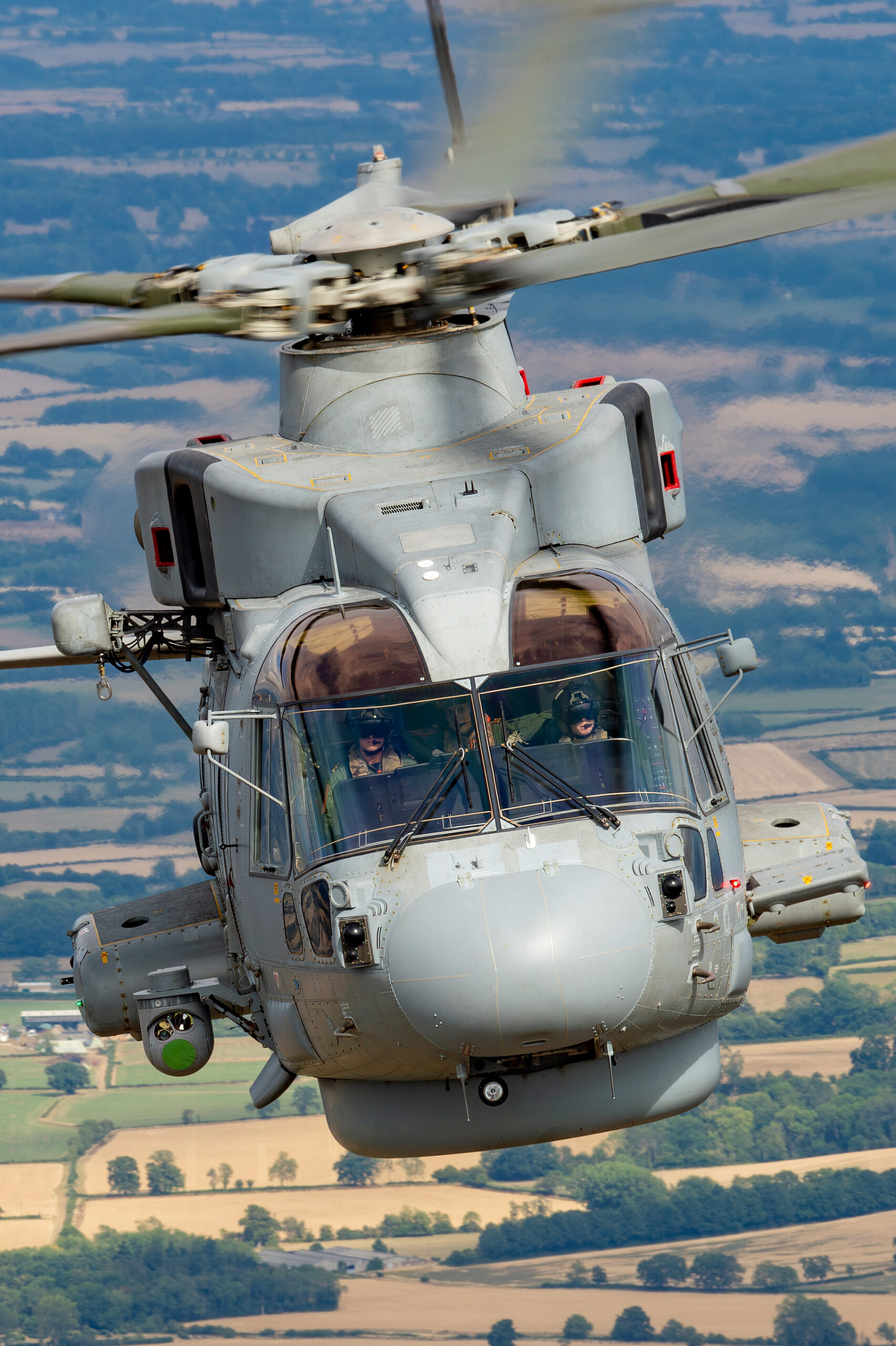
Whichever body you settle on, the commercial question is the same: whether the files meet the standards buyers expect. Our guide to licensing aviation photography sets out the technical minimums.
Frequently asked questions
Is mirrorless better than a DSLR for aviation photography?
For most photographers in 2026, yes. Mirrorless bodies offer aircraft subject detection, blackout-free bursts of 20fps and beyond, pre-capture recording and all current lens development. DSLRs still win on battery life, used prices and optical viewfinder feel, so a good DSLR kit remains a perfectly capable and rational choice on a budget.
Are DSLRs still worth buying for aviation photography in 2026?
On the used market, absolutely. Bodies like the Nikon D850 and D500 or Canon 7D Mark II with a 150-600mm class zoom cost a fraction of a new mirrorless kit and produce publishable aviation work. Buy new, though, and you are paying fresh prices for a system whose development has ended, which is hard to defend.
What is the best mirrorless camera for aviation photography?
The Nikon Z8 with the Z 180-600mm zoom is the strongest value combination: a 45.7MP stacked sensor, aircraft detection, 20fps raw bursts and an internal-zoom telephoto. At the top end the Nikon Z9, Sony A1 II and A9 III and Canon R5 Mark II or R1 all track aircraft superbly; the differences between them are smaller than the differences between the photographers using them.
Do electronic viewfinders make panning aircraft harder?
On modern stacked-sensor bodies, no; a blackout-free EVF is actually easier to pan with than an optical finder interrupted by mirror blackout. On older or budget mirrorless bodies with slow sensor readout, EVF lag and stutter during bursts can really hinder panning, and a DSLR’s optical finder is better than a bad EVF.
How bad is mirrorless battery life at an airshow?
Plan for roughly 1,000 to 3,000 frames per battery in real display-day use, far more than the CIPA ratings of 340 to 750 shots suggest, because burst shooting is efficient. The drain comes from hours of standing with the camera raised and tracking without firing. Three charged batteries cover a full airshow day with margin.
Can I use my DSLR lenses on a mirrorless camera?
Yes. Canon’s EF-EOS R adapter and Nikon’s FTZ II carry EF and F-mount lenses to the new mounts with full autofocus and stabilisation, and autofocus accuracy often improves because on-sensor focusing eliminates calibration error. Third-party Sigma and Tamron telephotos generally adapt well too, which makes switching bodies without replacing glass entirely practical.
Do I need 120fps burst rates for aircraft?
No. Between 10 and 20fps covers almost every aviation moment, since aircraft move fast but predictably. Extreme rates earn their keep only for split-second events like crossing breaks, touchdown puffs or picking the perfect propeller blur angle from a formation pass, and they multiply your editing workload dramatically.
Does the electronic shutter distort propellers?
It can. Rolling shutter on slower-readout sensors bends propeller blades into curved shapes during fast rotation. Stacked sensors such as those in the Z8, Z9 and A1 II read out fast enough that distortion is rarely visible, and the Sony A9 III’s global shutter eliminates it entirely. On non-stacked bodies, use mechanical shutter for propeller aircraft.
