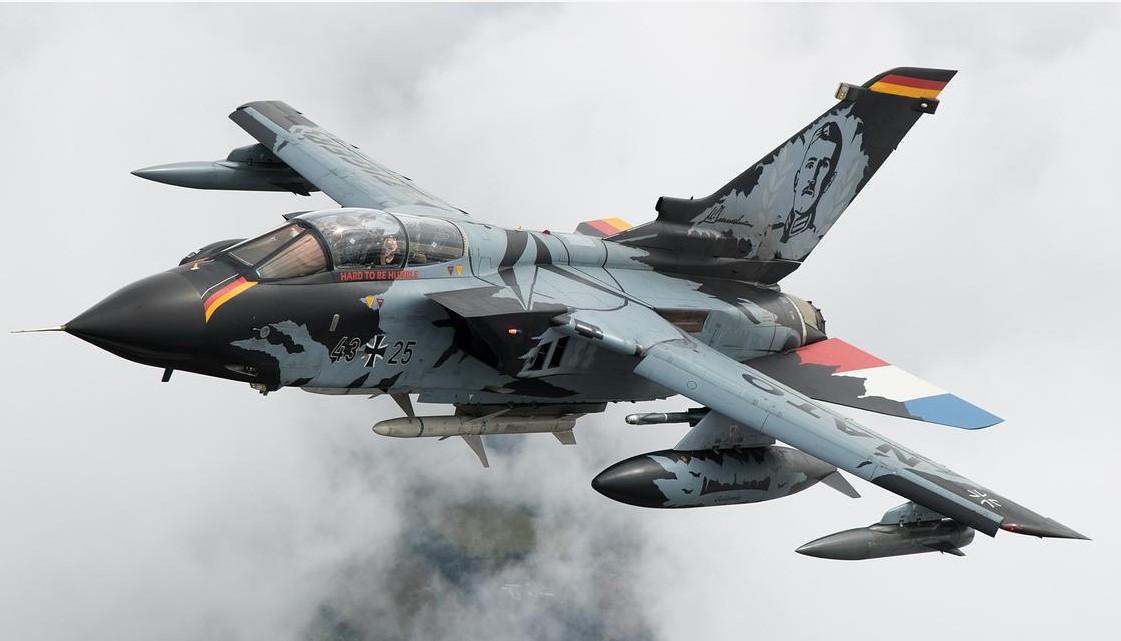
Every military aircraft is covered in information if you know how to read it. The circles and flashes tell you which country it serves. The letters and numbers on the tail or fuselage identify the individual airframe and the unit that flies it. The badges, codes and stencils record its role and its history. For a photographer or spotter, learning to read these markings turns a picture of an aeroplane into a record of a specific aircraft with a story you can trace.
This guide explains how to read the markings and serials on military aircraft: the national insignia that show nationality, the serial systems used by the RAF and the USAF, the squadron and unit codes, the special commemorative schemes that photographers love, and the smaller codes and stencils. It also covers how to photograph markings clearly and how to record and research what you have shot, so that your images become a proper archive rather than a pile of anonymous aeroplanes.
What this guide covers
- Why markings and serials matter
- National insignia and roundels
- Serial numbers: the aircraft’s identity
- How to read RAF serials
- How to read USAF serials and tail codes
- Squadron and unit markings
- Special and commemorative schemes
- Codes, stencils and smaller markings
- Photographing markings well
- Recording and researching what you shoot
- Common confusions and mistakes
- Reading the markings of other air forces
- Frequently asked questions
Why markings and serials matter
It is easy to photograph a military aircraft and think of it only as a type: a fighter, a transport, a jet. But every airframe is an individual with its own identity and history, and the markings it carries are the key to that identity. Learning to read them changes how you see aircraft and what your photographs are worth.
From anonymous to specific
A photograph of an unidentified jet is a nice picture. A photograph where you have read the serial and know it is a specific airframe, with a known unit and history, is a record. The difference matters for spotters building a log, for photographers keywording an archive, and for anyone who wants to license or publish their work, because accurate identification is what makes an image useful beyond decoration. Markings are how you make that leap from anonymous to specific.
A window into history
Markings also tell stories. A commemorative scheme marks an anniversary. A squadron badge connects an aircraft to a unit with its own history. A serial can be traced through an aircraft’s service life, sometimes across decades and several operators. Reading the markings opens a window into all of this, and it makes the hobby far richer than simply collecting shapes in the sky.
Practical value for photographers
There is a practical payoff too. If you photograph the markings clearly, you can identify an aircraft after the event, correct a guess, and file your images accurately. That accuracy is what separates a serious archive from a folder of guesses, and it is a habit worth building from the start. Our guide to plane spotting for beginners covers identifying aircraft in the field, and this guide goes deeper into the markings themselves.
National insignia and roundels
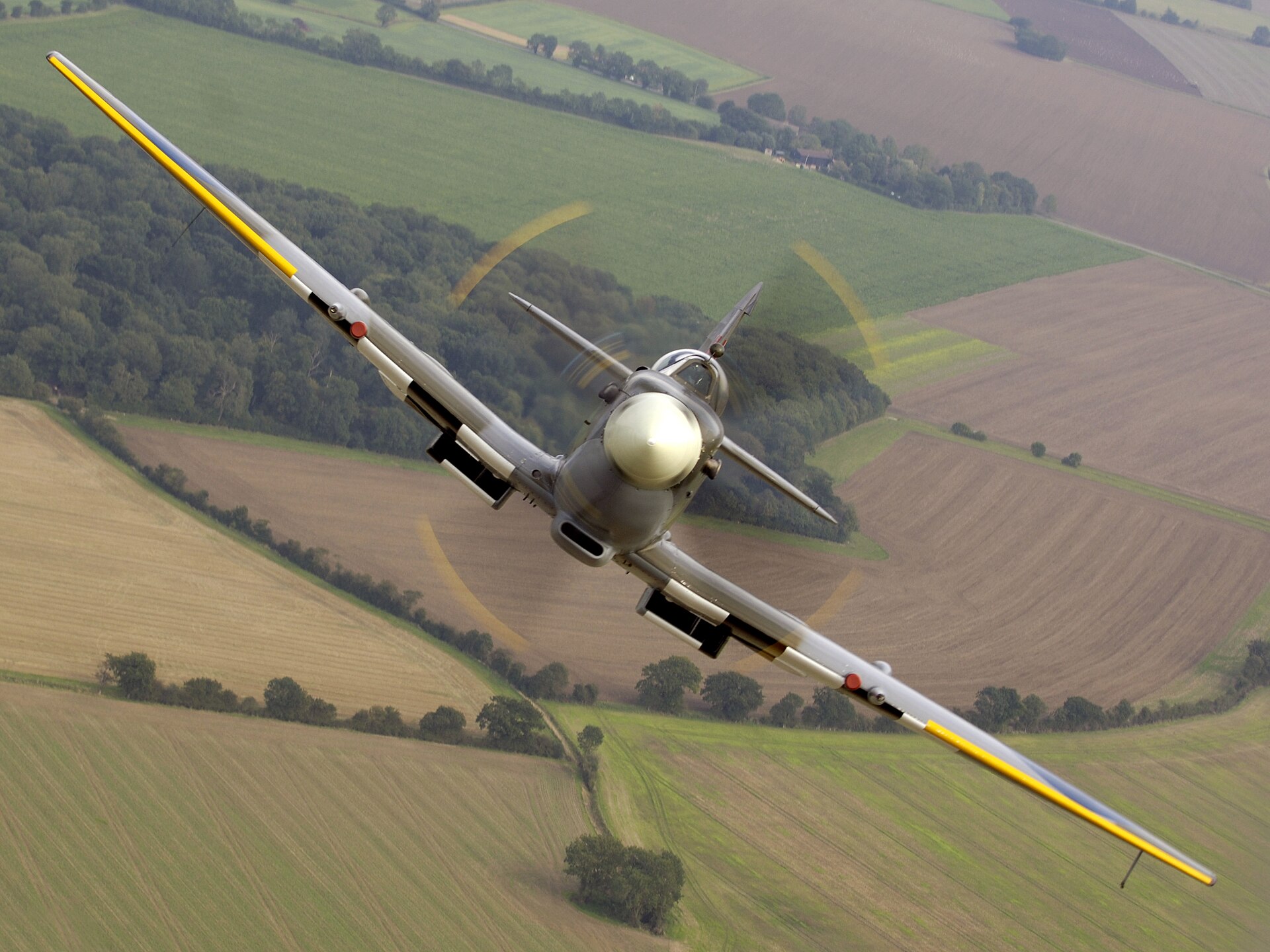
The first thing to read on any military aircraft is its nationality, and that is shown by the national insignia. These are the markings, most famously the roundel, that identify which country’s forces the aircraft serves. They are usually the most prominent markings on the airframe and the quickest way to place an aircraft.
The roundel
Many air forces use a roundel, a set of concentric coloured circles, as their national marking. The Royal Air Force roundel of red, white and blue circles is one of the best known, worn on the wings and fuselage. Different nations use different colour combinations and designs, so once you learn the common ones you can identify an aircraft’s nationality at a glance, even at a distance where you cannot yet read the serial.
Low-visibility markings
On modern combat aircraft, bright national markings would make the aircraft easier to see, so air forces often apply subdued, low-visibility versions. These are typically rendered in shades of grey rather than full colour, blending into the airframe. They are harder to spot and photograph, but they carry the same meaning as the full-colour markings. Learning to pick out a low-visibility roundel or insignia against a grey airframe is a useful skill, and good light and a clear angle help enormously.
Other national markings
National insignia are not only roundels. Fin flashes, a small block of national colours usually on the tail, national flags, and other symbols all serve to show nationality and are worth learning alongside the roundels. Together with the serial, these markings let you establish both which country operates an aircraft and which specific airframe you are looking at.
Serial numbers: the aircraft’s identity
If the national insignia tells you the country, the serial number tells you the individual aircraft. The serial is the single most useful marking to read, because it uniquely identifies that airframe and stays with it, in principle, for its whole service life. Everything else, the unit codes and schemes, can change; the serial is the constant.
What a serial is
A serial number is the unique identifier assigned to an aircraft when it enters military service. No two aircraft in the same system share a serial, so reading it pins down exactly which airframe you are looking at. This is what lets a spotter log a specific aircraft rather than just a type, and what lets a photographer confirm an identification months later from a clear photograph of the number.
Where to find it
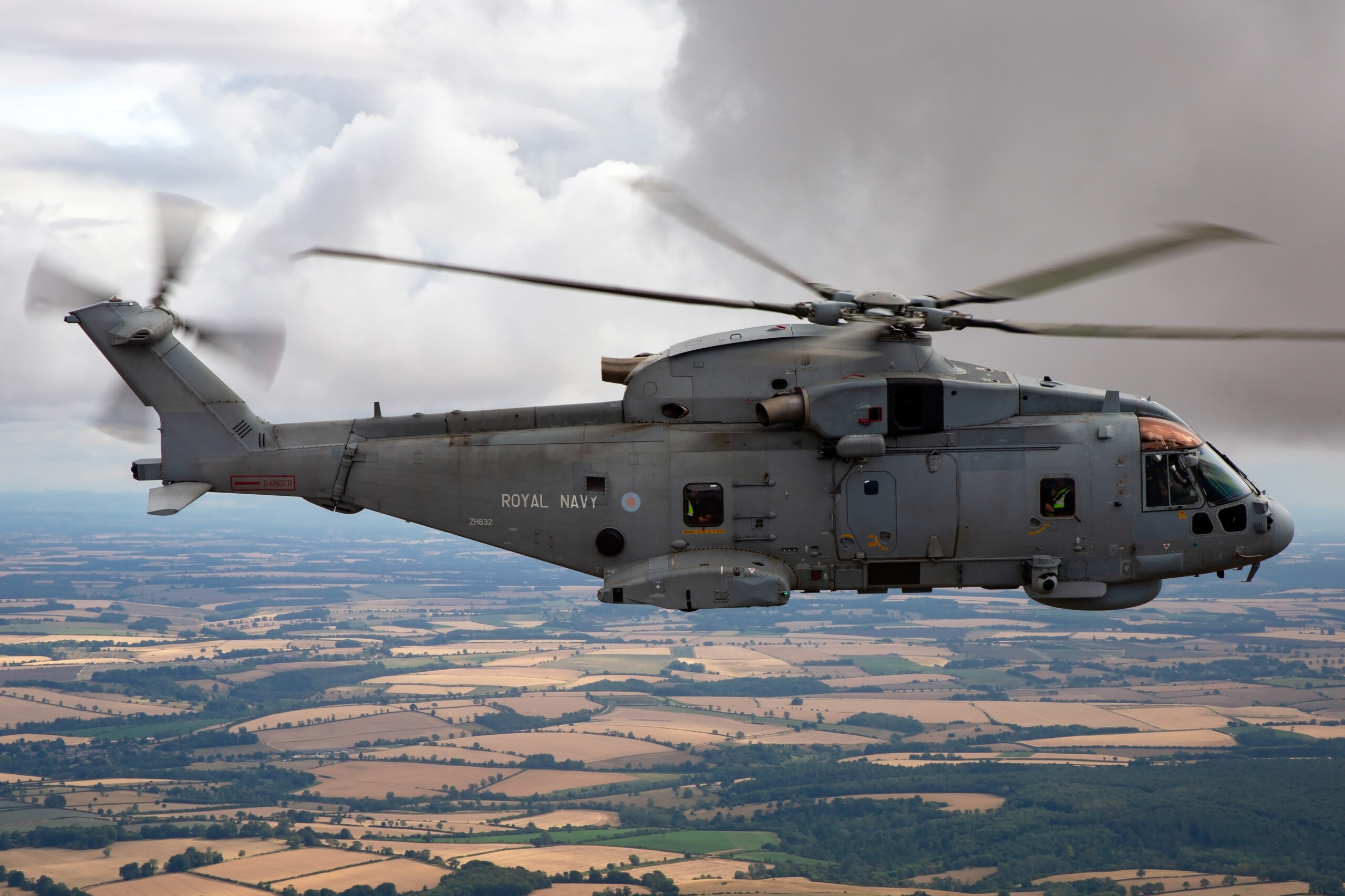
Serials are usually painted on the rear fuselage or the tail, and often repeated in smaller form elsewhere, such as under the wings or on the nose. The size and position vary between air forces and eras, and on low-visibility schemes the serial may be small and subdued, which is why a clear photograph and good light help so much. Knowing roughly where to look for a given air force speeds up reading the number in the field.
Serials versus codes
It is important not to confuse the serial with the unit codes that also appear on many aircraft. The serial is the permanent, unique identity of the airframe. Codes, such as a single letter on the tail or a two-letter base code, are applied by the operating unit and can change when the aircraft moves. We look at codes in detail later; for now, the key point is that the serial is the number to note if you want to identify the specific aircraft. The exact format of a serial depends on the country, and the two systems most photographers meet are the RAF and the USAF, which we take in turn.
How to read RAF serials
The Royal Air Force uses a serial system that is straightforward once you know the pattern, and it has been remarkably stable for many decades, which makes it a good one to learn first.
The modern format
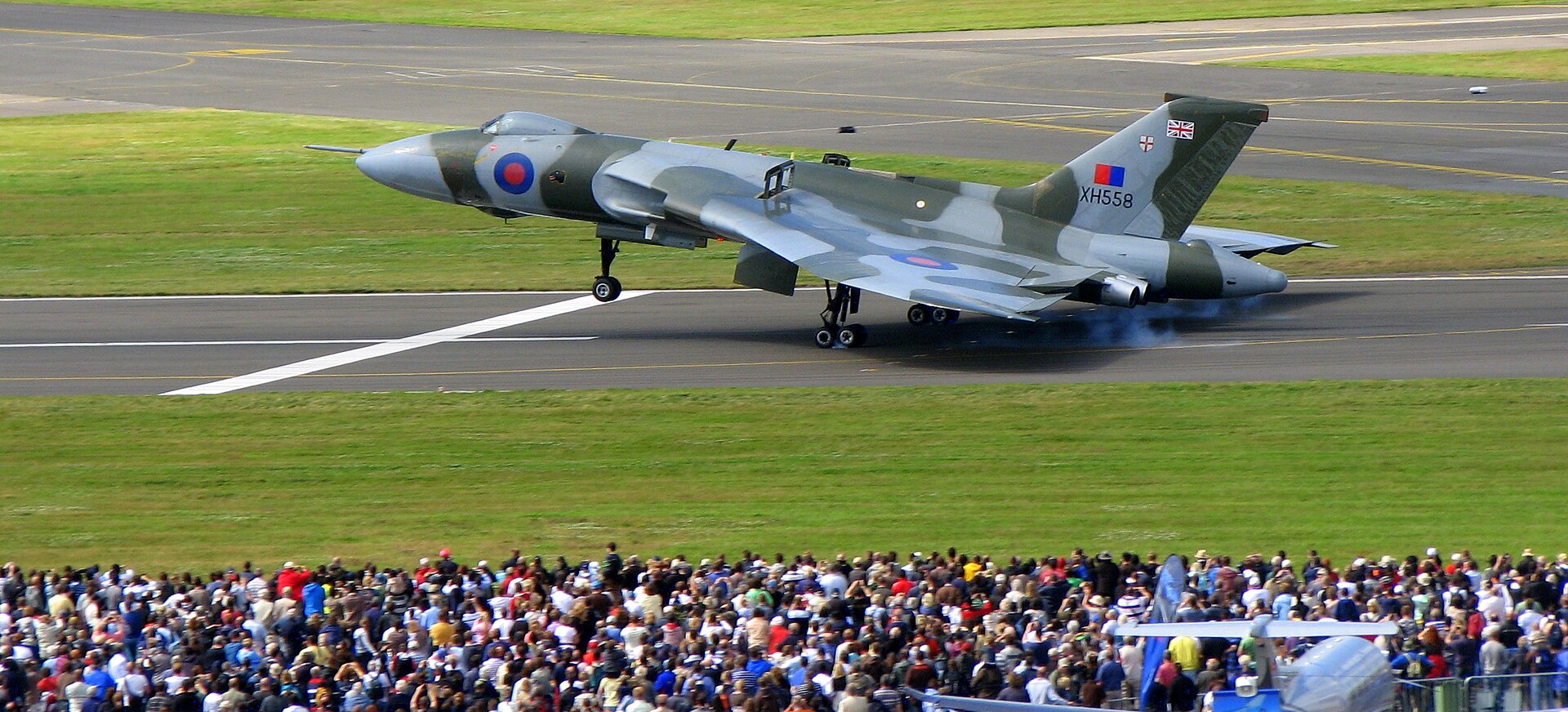
A modern RAF serial takes the form of two letters followed by three digits, for example XS903, which was carried by an English Electric Lightning F.6, or BT308, the prototype Avro Lancaster. The two letters and three numbers together uniquely identify the airframe. When you see this two-letter, three-digit pattern on a British military aircraft, you are looking at its serial.
How the system developed
The current sequence has a long history. Earlier British military aircraft used a single letter followed by four figures, but as that sequence was used up it was decided, around 1940, to restart with a two-letter prefix beginning at AA100. That two-letter sequence has been running ever since, which is why aircraft from the Second World War through to modern types share the same basic format. For most of its life the numeric part ran from 100 to 999, but more recently previously unassigned numbers, including those with 001 to 099, have been brought into use.
Reading one in the field
To read an RAF serial, look to the rear fuselage or tail for the two-letter, three-digit group. Take care not to mistake a single-letter unit code, which some aircraft also carry, for part of the serial. Once you have the full two letters and three digits, you have the unique identity of the aircraft and can look up its history. Many preserved and historic British aircraft, including the warbirds you see at displays, wear these serials, so the system is as useful for historic types as for front-line ones. Our guide to photographing warbirds features many aircraft whose serials tie them to real wartime histories.
How to read USAF serials and tail codes
United States Air Force markings look more complex than RAF serials at first, because several pieces of information are combined on the tail. Once you know what each part means, though, the tail of a USAF aircraft becomes very readable and tells you a lot at a glance.
The modern tail layout
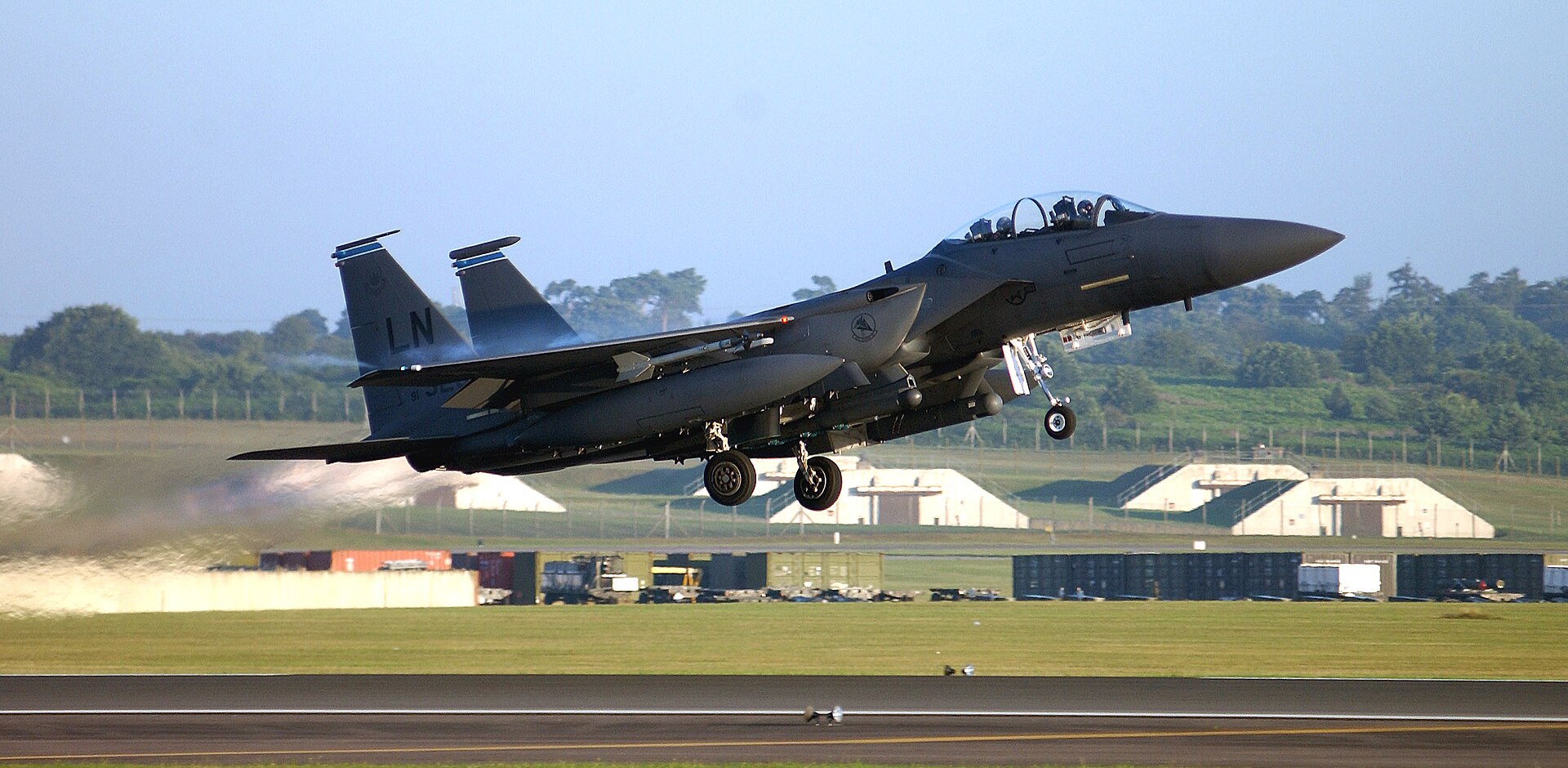
Since 1993 most USAF aircraft carry a tail marking made up of three parts. First, two large letters identify the home base or a historic legacy. Then two smaller digits give the fiscal year in which the aircraft was ordered. Then three larger digits are the last three of the aircraft’s serial number. So a tail reading FF, then a small 92, then 020 breaks down as base code FF, fiscal year 1992, and serial ending 020.
What each part tells you
The two-letter code identifies the unit or base and is often a memorable abbreviation, such as FF standing for the 1st Fighter Wing at Langley or WP standing for the Wolf Pack, the 8th Fighter Wing. The fiscal-year digits tell you roughly how old the airframe is, since they mark the year it was ordered. The final digits, combined with the fiscal year, give you enough to identify the specific aircraft. Reading all three lets you say not just what the aircraft is, but which unit flies it and when it was ordered.
The Air Mobility Command exception
Not all USAF aircraft follow this layout. Air Mobility Command aircraft, the transports and tankers, do not use the two-letter base code. Instead they typically show the base name within the tail flash and a five-digit number with all the digits the same size. So if you see a large USAF transport without the two big letters, you are looking at this different scheme, and the number is read as a block rather than split into base, year and serial.
Putting it together
With a little practice, the USAF tail becomes a quick read: letters for the unit, small digits for the year, large digits for the serial. It packs more information into the tail than the RAF system, which keeps the serial and the unit code separate. Both systems, once learned, let you identify the specific aircraft and its operator, which is exactly what you want for an accurate log or archive.
| System | Format | Example | How to read it |
|---|---|---|---|
| RAF | Two letters + three digits | XS903 | Unique airframe identity, on tail or rear fuselage |
| USAF (since 1993) | Two letters, two small digits, three large digits | FF 92 020 | Base or legacy code, fiscal year ordered, last three of serial |
| USAF Air Mobility Command | Base name in tail flash + five equal digits | Base name + 50020 | No two-letter code; number read as a block |
Squadron and unit markings
Beyond the national insignia and the serial, most military aircraft carry markings that show which unit operates them. These squadron and unit markings are among the most colourful and interesting to read, and they connect an aircraft to a community with its own identity and history.
Squadron badges and emblems
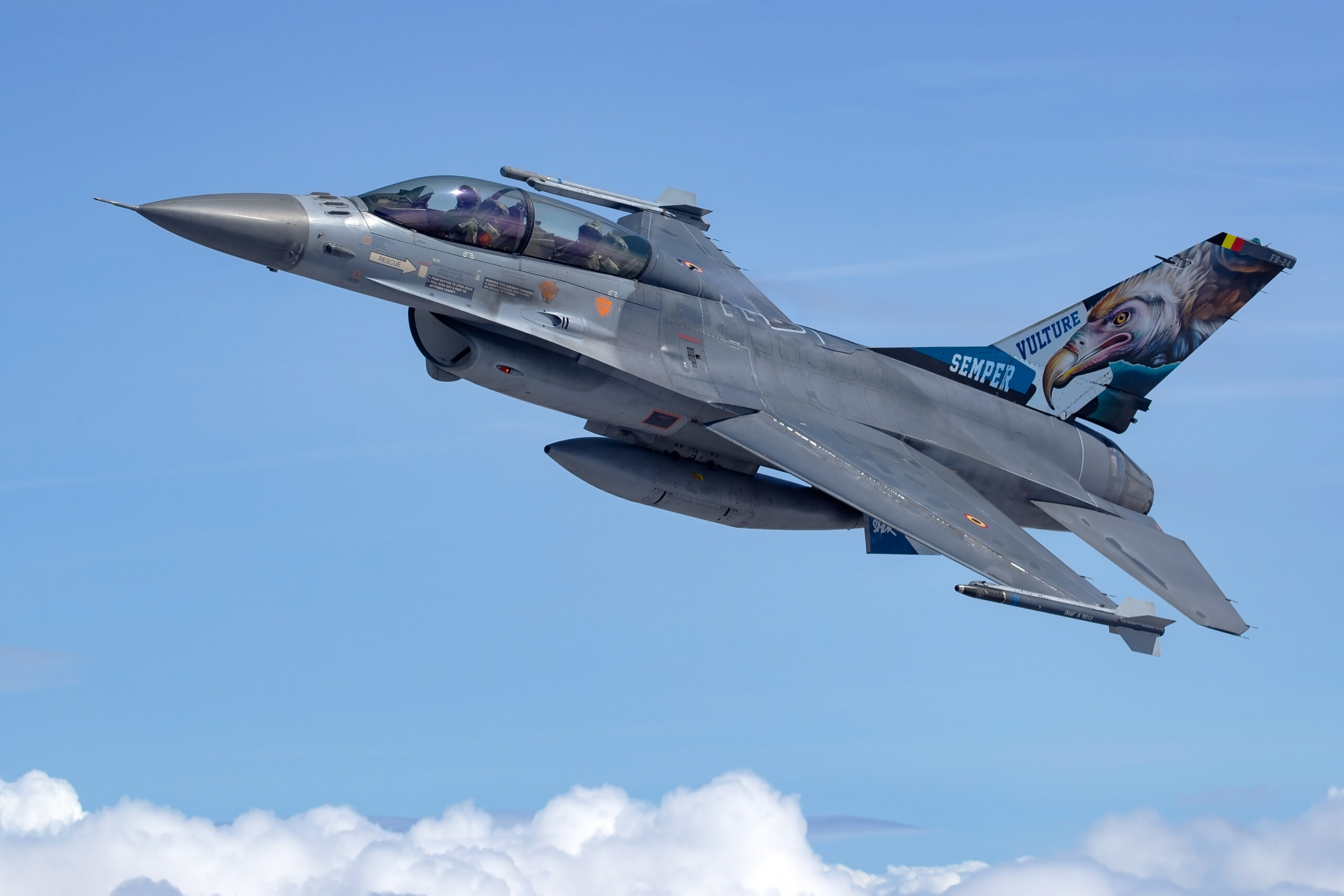
Squadrons often carry a badge or emblem, sometimes on the tail, sometimes on the nose or fuselage. These can be heraldic crests, animals, or symbols with meaning to the unit, and they are a quick way to identify the operating squadron. Many have long histories, and learning to recognise them adds depth to your spotting and gives your photographs context. A squadron badge photographed clearly is a rewarding detail shot in its own right.
Unit and base codes
Aircraft also carry codes that identify the unit or base. In the RAF tradition these have often been letters, sometimes a single code letter identifying the individual aircraft within a squadron, historically alongside a squadron code. In the USAF system the two-letter tail code identifies the base or wing, as we saw. These codes are applied by the operator and can change when an aircraft transfers between units, which is exactly why they should not be confused with the permanent serial.
Colours and tail bands
Units often mark their aircraft with distinctive colours, tail bands, or coloured fin tips that identify a squadron at a glance, sometimes tied to the unit’s heritage. These markings are especially useful for telling apart aircraft of the same type from different units, and they make for striking photographs. On low-visibility schemes these colourful markings may be toned down, but on display aircraft and commemorative machines they are often bold and photogenic.
Special and commemorative schemes
Among the most sought-after subjects for aviation photographers are aircraft in special schemes: eye-catching paint jobs applied to mark an occasion or represent a unit. They are visually spectacular, often unique, and usually short-lived, which makes photographing them a small event in itself.
Why special schemes exist
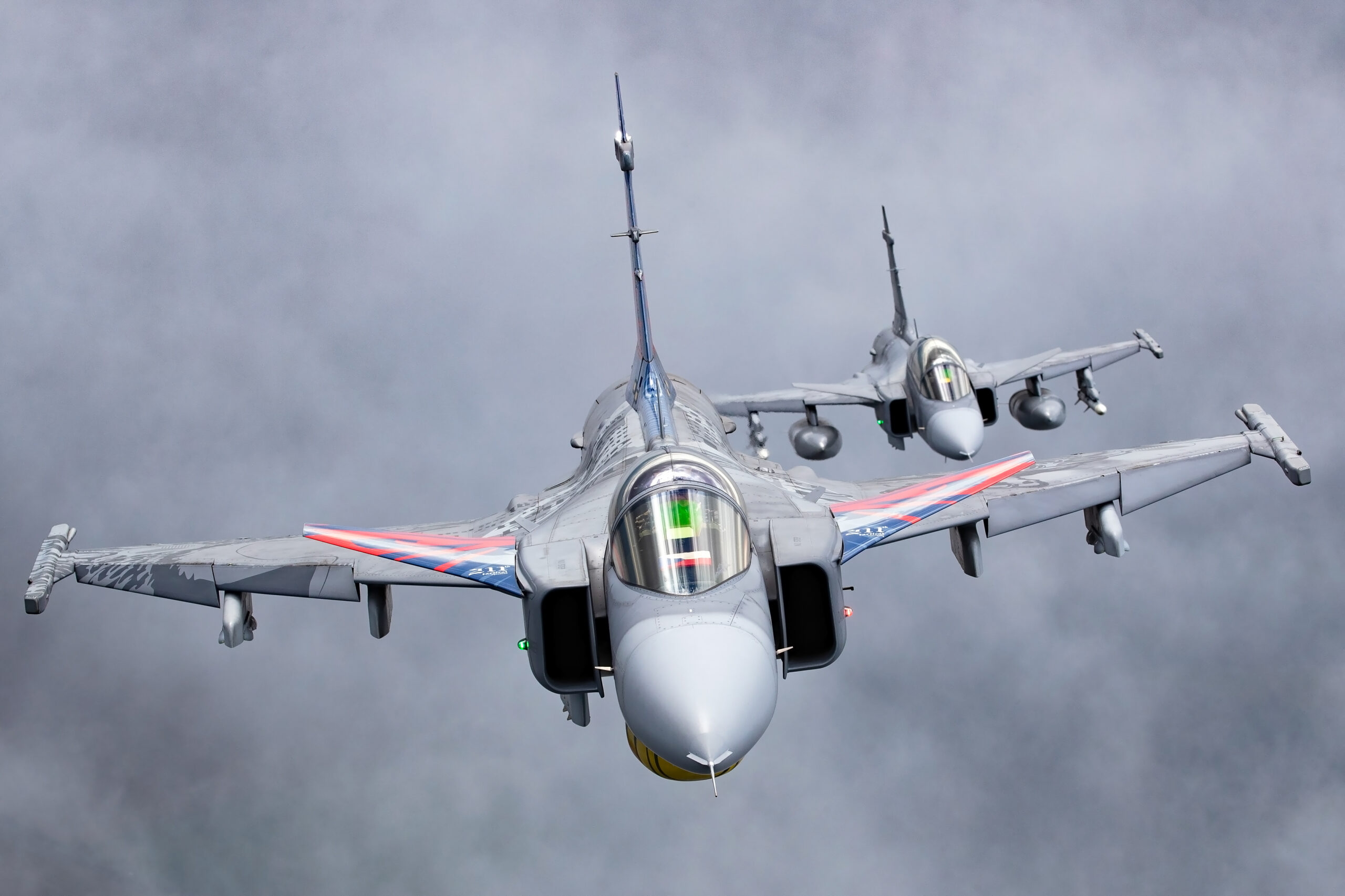
Air forces apply special schemes for many reasons: to mark an anniversary of a squadron or an aircraft type, to commemorate a historical event or a person, to represent a nation or unit at an event or competition, or simply to celebrate a retirement. They range from a single decorated tail to a whole aircraft repainted in an elaborate commemorative design. Because they are tied to specific occasions, they often appear for a limited time before the aircraft returns to standard markings.
Why photographers love them
For photographers, special schemes are a gift. They turn a familiar type into something unique and colourful, they draw the eye, and they are often the star attraction at an airshow. Because they are temporary, there is an incentive to photograph them while you can, and a well-shot special scheme can be one of the standout images of a season. When you see one, it is worth working hard to get clean, well-lit shots that show the scheme clearly.
Recording the details
Special schemes usually still carry the aircraft’s serial, often worked into or alongside the design, so you can still identify the specific airframe. Photograph both the scheme and the serial, and note what the scheme commemorates if you can find out, because that context is part of what makes the image valuable. Anniversary schemes in particular reward a little research into what they represent.
Codes, stencils and smaller markings
Beyond the big, obvious markings, military aircraft are covered in smaller codes and stencils that reward a closer look. These details are easy to overlook, but they add information and make excellent close-up photographs.
Individual aircraft letters
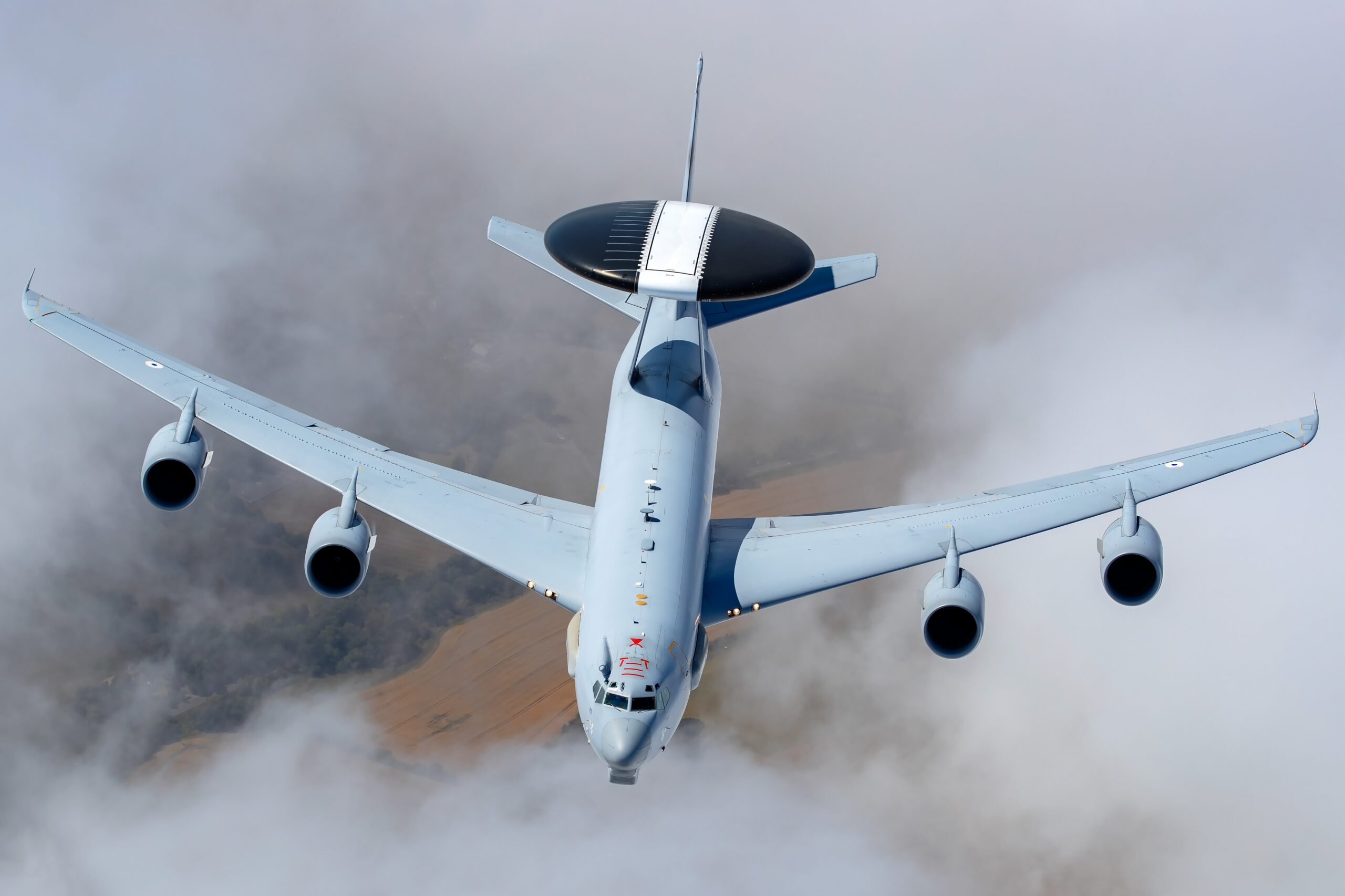
Within a squadron, aircraft are often given an individual identifying letter or number, displayed on the tail or nose, so that the unit can refer to a specific aircraft without using the full serial. This is separate from the serial and from the unit code, and it can change. It is the marking a squadron uses day to day, and it often appears large and boldly, which is why beginners sometimes mistake it for the serial.
Nose art and names
Some aircraft, particularly warbirds and aircraft with a link to tradition, carry nose art or names. These range from painted artwork to a name honouring a person or place. Nose art has a long history, especially on wartime aircraft, and it is one of the most characterful things to photograph on an aircraft. On preserved warbirds it often recreates historical markings, tying the aircraft to a real machine and crew.
Stencils and technical markings
Look closely and an aircraft is covered in stencilled technical markings: warnings, servicing points, walkway lines, rescue arrows showing crews where to cut in an emergency, and countless small instructions. These are functional rather than decorative, but they add authenticity and detail to close-up photographs and are part of the character of a working aircraft. A tight detail shot of stencilling around an intake or a canopy can be a strong image in a set.
Putting the details together
Reading all these layers, national insignia, serial, unit code, individual letter, badge, scheme and stencils, gives you a complete picture of an aircraft: its nationality, its identity, its unit, and often its history. That completeness is what makes reading markings so satisfying, and it is why a photographer who documents these details well ends up with an archive that is genuinely informative, not just attractive.
Photographing markings well
Reading markings and photographing them are two sides of the same skill. A clear photograph of an aircraft’s markings both preserves the information and makes a strong image, and a few techniques help you capture them well.
Get the angle right
Markings on the tail and fuselage read best from an angle that shows them square on rather than edge on. For a parked aircraft, move your feet until the serial and codes are clearly presented to the camera. For an aircraft in the air, the topside and banking passes that show the upper surfaces and the side of the fuselage are the ones that reveal the markings, so those are the passes to target if documentation is your aim. A flat, distant side-on shot often makes small markings hard to read.
Light and sharpness
Markings need good light and sharp focus to be legible. Front light that falls on the marked surface, without harsh shadow across it, keeps the details clear. Because you may want to read small serials and stencils, sharpness matters, so use a sensible aperture around f/8 for depth and steady technique or enough shutter speed to avoid blur. On low-visibility grey markings, careful exposure and editing help lift subtle details that would otherwise disappear. Our guide to photographing warbirds and the wider technique guides on the blog cover the shooting side in more depth.
Detail shots
Do not only shoot the whole aircraft. Close-up detail shots of a squadron badge, a serial, nose art, or stencilling around a cockpit are valuable both as records and as images. Static aircraft at airshows are ideal for this, because you can take your time and choose your angle. A set that includes both the whole aircraft and its telling details is far more useful and interesting than record shots alone.
Recording and researching what you shoot
Reading markings in the field is only half the value. The other half is recording what you saw and researching it afterwards, so your sightings and photographs become a lasting, accurate record rather than a fading memory.
Note the serial at the time
The single most useful habit is to record the serial of anything you photograph, either by noting it or by making sure you have a clear shot of it. Serials are easy to misremember and hard to reconstruct later, so capturing them at the time saves a great deal of guesswork. If you photograph the whole aircraft and a clear view of the serial, you have everything you need to identify it accurately later.
Researching an airframe
With a serial in hand, you can look up an aircraft in online serials databases and flight-tracking tools, which record the type, operator and often the service history of individual airframes. This is where reading markings pays off, because you can turn a number into a story: where the aircraft has served, how old it is, and sometimes notable events in its history. Cross-checking the unit codes and any special scheme adds further detail.
Building an accurate archive
For a photographer, the goal is an archive where every image is correctly identified and keyworded with the type, serial, operator, location and date. This is what makes a collection genuinely useful, searchable and, if you wish, licensable. Accurate identification, built on reading the markings, is what separates a professional-quality archive from a folder of unlabelled pictures. You can see the value of a carefully documented body of work in the Piemags aviation galleries, where accurate identification underpins the archive.
Common confusions and mistakes
Reading markings takes practice, and beginners tend to trip over the same few things. Knowing them in advance saves confusion.
Confusing the serial with a code
The most common mistake is mistaking a large individual aircraft letter or a unit code for the serial. Remember that the serial is the unique, permanent identity, usually a specific format such as two letters and three digits for the RAF, while codes are applied by the unit and can change. When in doubt, look for the marking that matches the known serial format.
Misreading the USAF tail
The USAF tail packs several pieces of information together, and beginners sometimes read the fiscal-year digits as part of the serial or ignore the two-letter code. Break it into its three parts, letters, small year digits, large serial digits, and it becomes clear.
Overlooking low-visibility markings
On grey modern combat aircraft, the markings are deliberately subdued and easy to miss. Do not assume an aircraft has no markings just because they are not bold; look carefully, and use good light and a clear angle to pick out the subdued insignia and serial.
Assuming markings never change
Unit codes, individual letters and schemes can all change over an aircraft’s life, so the same airframe can look different at different times. Only the serial is constant, which is why it is the anchor for identification. If a familiar aircraft looks different, check the serial before assuming it is a different machine.
Not recording at the time
Relying on memory for serials and details leads to errors. Note or photograph the serial when you see it, because reconstructing it later from a half-remembered glimpse is unreliable and frustrating.
Reading the markings of other air forces
The RAF and USAF systems are the two you will meet most often at British and international airshows, but they are far from the only ones. At a large event such as an international air tattoo, aircraft arrive from air forces across the world, each with its own conventions, and a little awareness of the wider picture helps you make sense of them.
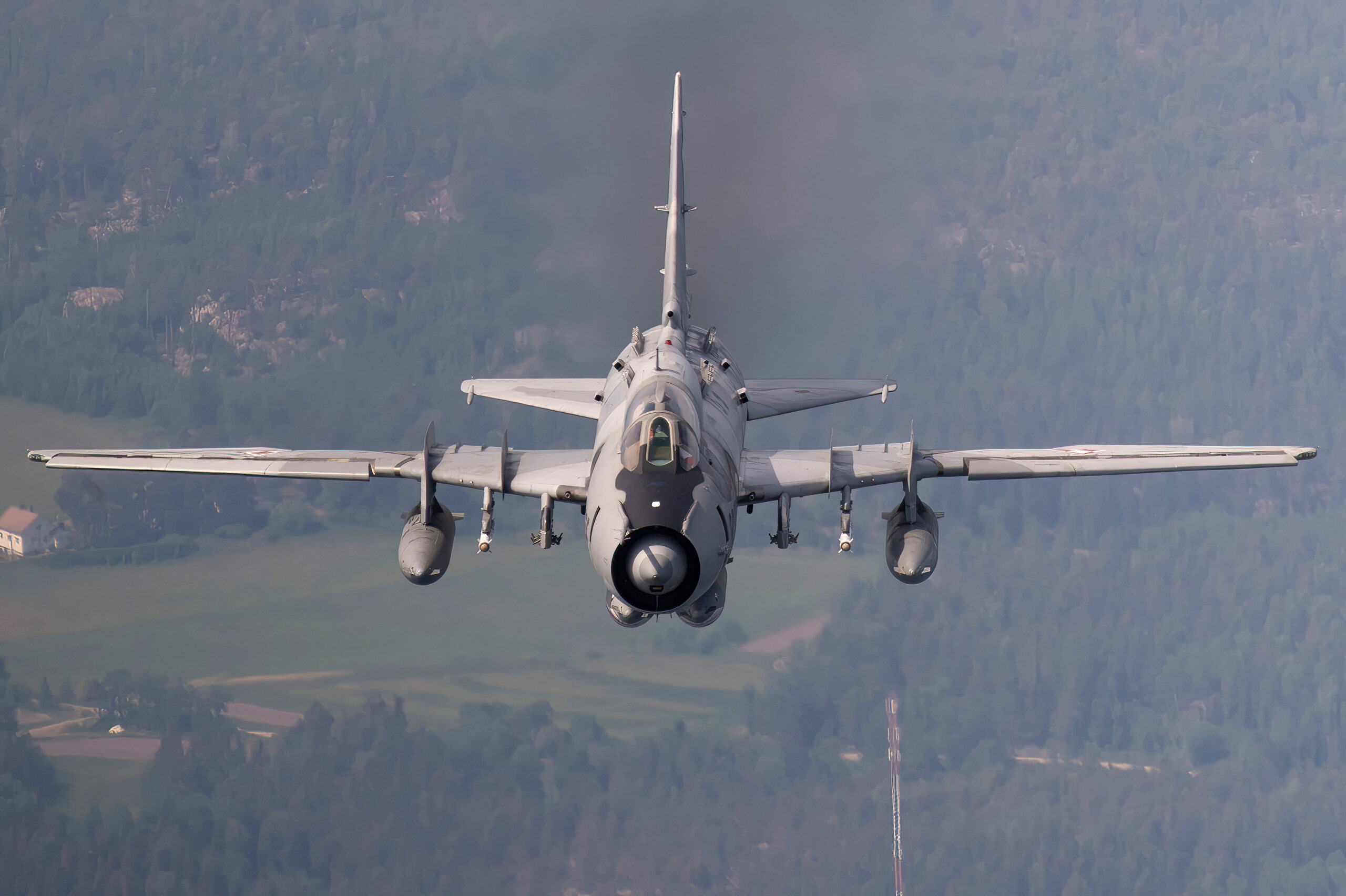
Different systems, same purpose
Every air force needs to identify its aircraft, so they all use some form of national insignia and serial, but the formats vary widely. Some use roundels, some use other national symbols, and serial formats differ in length, in whether they use letters, numbers or both, and in where they are displayed. You do not need to memorise every system. What helps is knowing that the same categories, nationality, individual identity, and unit, are present on almost any military aircraft, even if they look different.
Using national insignia to start
When you meet an unfamiliar aircraft, start with the national insignia to establish the country, then look for the serial in the usual places, the tail and rear fuselage. Once you know the nationality, you can look up that country’s serial conventions if you want to read the number precisely. In practice, photographing the markings clearly and researching them afterwards is often easier than trying to decode an unfamiliar system on the spot.
Why variety is a bonus
For a photographer, the variety of markings at an international event is part of the appeal. Different air forces bring different colours, insignia and schemes, and the range of markings on show is far greater than at a purely national event. Documenting that variety, and researching the systems behind it, deepens your understanding and enriches your archive. Events that gather aircraft from many nations, as covered in our RIAT photography guide, are the best place to see this diversity in one weekend.
Frequently asked questions
How do I read an RAF aircraft serial?
A modern RAF serial is two letters followed by three digits, such as XS903. The current two-letter sequence has been in use since it restarted at AA100 around 1940, which is why wartime and modern aircraft share the same basic format. For most of its life the numeric part ran from 100 to 999, though previously unassigned numbers, including those with 001 to 099, have more recently been brought into use. Look for it on the tail or rear fuselage, and take care not to confuse it with a single-letter unit code.
How do I read a USAF tail number?
Since 1993, most USAF aircraft carry a tail marking of two large letters identifying the home base or a historic legacy, then two smaller digits for the fiscal year the aircraft was ordered, then three larger digits that are the last three of the serial number. So FF, small 92, then 020 reads as base code FF, fiscal year 1992, and serial ending 020. Air Mobility Command aircraft use a different layout without the two-letter code, showing the base name in the tail flash and a five-digit number in one size.
What is the difference between a serial and a squadron code?
The serial is the unique, permanent identity of the individual airframe, assigned when it is built and kept, in principle, for its whole service life. A squadron or unit code is a marking applied by the operating unit, such as a letter or a tail code, that shows which squadron or base the aircraft currently belongs to. Codes can change when an aircraft moves between units, but the serial does not, which is why the serial is the reliable anchor for identifying a specific aircraft.
What are the coloured circles on military aircraft?
They are national insignia, which identify the country the aircraft serves. The RAF roundel of concentric red, white and blue circles is a well-known example, and many air forces use roundels or other national markings in their own colours and designs. Modern combat aircraft often carry subdued, low-visibility versions in shades of grey to reduce their visibility, but these carry the same meaning. The insignia lets you identify an aircraft’s nationality at a glance, even at a distance.
Why do some aircraft have special colourful tail art?
Special schemes are applied to mark anniversaries, commemorate history or a person, represent a unit at events and competitions, or celebrate a retirement. They range from a single decorated tail to a whole aircraft in an elaborate commemorative paint job, and they are usually short-lived. Photographers prize them because they are visually striking and temporary, so an aircraft in a special scheme is well worth photographing clearly while it lasts, along with its serial so you can still identify the airframe.
How do I find out the history of an aircraft from its serial?
Note or photograph the serial clearly, then look it up in an online serials database or a flight-tracking app. These record the type, the operator and often the service history of individual airframes, so a serial can be turned into a detailed picture of where an aircraft has served and how old it is. A clear photograph of the serial is the key, because it lets you confirm exactly which aircraft you saw and research it accurately afterwards.
Where is the serial number located on a military aircraft?
On most military aircraft the full serial is carried on the rear fuselage or the tail fin, often repeated in smaller figures elsewhere. RAF aircraft show a serial such as XS903 on the tail, while USAF aircraft carry a tail number derived from the fiscal year and a sequence number.
What do the two letters on a USAF tail mean?
The two-letter code near the top of a USAF fin is the tail code, which identifies the aircraft’s home wing or base rather than the individual aircraft. Combined with the fin’s colour band it tells you at a glance which unit an aircraft belongs to.
What is a low-visibility roundel and why do modern jets have them?
A low-visibility roundel is a national marking painted in muted greys rather than bright red, white and blue, so it is harder to see at a distance. Modern combat aircraft use them, along with toned-down serials and unit markings, to reduce how easily they can be spotted against sky or ground.
Once you can read the markings, no military aircraft is anonymous again. The insignia gives you the nation, the serial gives you the individual airframe, the codes and badges give you the unit, and the schemes and stencils fill in the character and history. Learn the RAF and USAF systems first, because you will meet them most often, photograph the markings clearly and record the serials as you go, and research what you have shot afterwards. Do that and your photographs stop being pictures of aeroplanes and become an accurate, lasting record of specific aircraft and their stories.
