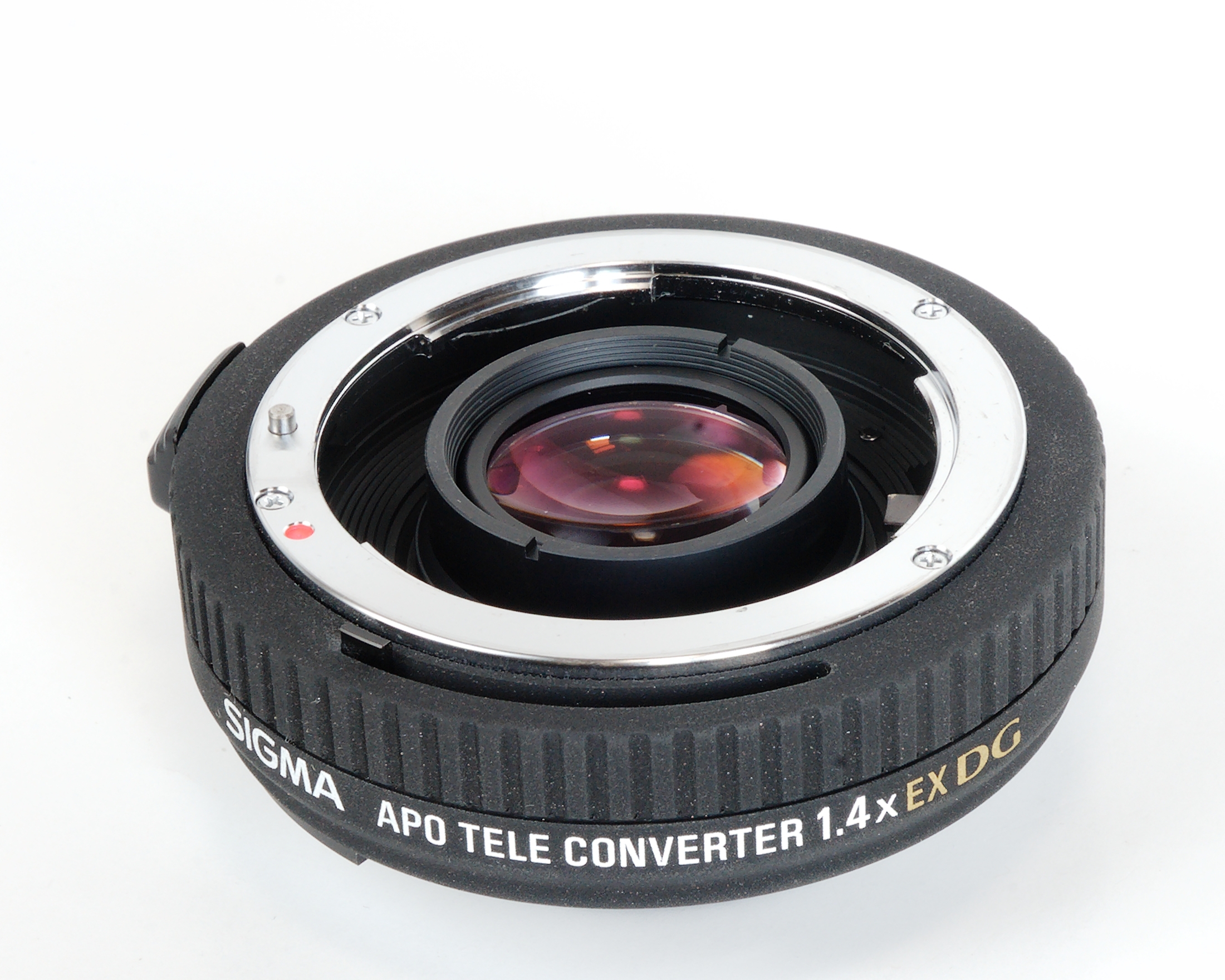
A teleconverter is a small optic that fits between your camera and lens to multiply focal length, typically by 1.4x or 2x, so a teleconverter for aviation photography buys you extra reach on distant aircraft at the cost of one or two stops of light, some autofocus speed and a little sharpness. Whether that trade is worth making depends entirely on the lens you already own and the light you shoot in.
Every aviation photographer eventually hits the same wall. The jet is too far away, the crop is too heavy, and the frame is mostly sky. A longer lens is the obvious answer, but a 600mm f/4 prime costs more than a used car and weighs like a sack of bricks. A teleconverter promises a shortcut: screw a 1.4x behind your existing telephoto and your 400mm becomes a 560mm for a fraction of the price and weight. The promise is real, but so are the compromises, and understanding exactly what you gain and give up is the difference between a converter that earns its place in the bag and one that lives in a drawer.
This guide covers what a teleconverter does to your image and your camera, the real sharpness and autofocus trade-offs, which lenses can actually take one across Canon, Nikon and Sony, when a converter beats a simple crop, the settings that keep results clean, and the specific aviation situations where a converter shines or fails. If you are still choosing glass, read it alongside our guide to the best lenses for aviation photography and the budget telephoto lens guide.
What this guide covers
- What a teleconverter actually does
- The maths of reach and light
- Does a teleconverter really cost sharpness?
- Autofocus with a teleconverter
- Which lenses take a teleconverter
- Teleconverter versus cropping
- Settings for shooting with a teleconverter
- Teleconverters on zooms versus primes
- Aviation scenarios: where converters win and lose
- Common mistakes with teleconverters
- How to get the sharpest results
- Is a teleconverter worth it?
- Frequently asked questions
What a teleconverter actually does
A teleconverter, sometimes called an extender or tele-extender, is a group of lens elements in a short barrel that mounts between the camera body and the main lens. It magnifies the image projected by the lens onto the sensor. A 1.4x converter enlarges the central portion of that image by a factor of 1.4, a 2x doubles it, and a 1.7x sits in between. Because the converter magnifies the picture the lens already forms, it multiplies the focal length by the same factor. A 300mm lens becomes 420mm with a 1.4x, or 600mm with a 2x. A 500mm becomes 700mm or 1000mm respectively.
The catch sits in the physics of how that magnification is achieved. The converter magnifies the image the lens forms, spreading the same light over a larger area, so less of it reaches any given point on the sensor. That loss is fixed and predictable. A 1.4x converter costs one full stop of light, and a 2x costs two full stops. It does not matter which lens you fit the converter to; the light penalty is a property of the converter, not the lens.
Focal length, magnification and framing
Reach is the whole point. If your longest lens leaves aircraft too small in the frame, a converter is one of the few ways to make the subject bigger without walking closer, which at an airfield you usually cannot do. On a full-frame body a 200-600mm zoom with a 1.4x becomes an 840mm at the long end, and with a 2x it reaches 1200mm. On an APS-C body the same combination gives an even tighter field of view because of the crop factor, though it is worth being precise here: the crop does not change the focal length, it changes the angle of view captured by the smaller sensor.
The aperture penalty
The number that trips people up is the effective maximum aperture. Fit a 1.4x to an f/4 lens and it behaves as an f/5.6. Fit a 2x to that same f/4 lens and it becomes an f/8. Put a 1.4x on an f/5.6 zoom and you are at f/8; a 2x takes you to f/11. This is not a marketing quirk. The aperture value describes how much light the system gathers relative to its focal length, and since the converter lengthens the focal length without widening the front element, the ratio rises and the effective aperture narrows. Everything downstream, autofocus, shutter speed, ISO and depth of field, follows from that shift.
The maths of reach and light
It helps to see the trade laid out plainly. The table below shows what common aviation lenses become with a 1.4x and a 2x converter, and what happens to the maximum aperture. The focal lengths are exact; the effective apertures are rounded to the nearest third-stop marking your camera will display.
| Base lens | Bare | With 1.4x | With 2x |
|---|---|---|---|
| 300mm f/2.8 prime | 300mm f/2.8 | 420mm f/4 | 600mm f/5.6 |
| 400mm f/2.8 prime | 400mm f/2.8 | 560mm f/4 | 800mm f/5.6 |
| 500mm f/4 prime | 500mm f/4 | 700mm f/5.6 | 1000mm f/8 |
| 100-400mm f/4.5-5.6 zoom | 400mm f/5.6 | 560mm f/8 | 800mm f/11 |
| 200-600mm f/5.6-6.3 zoom | 600mm f/6.3 | 840mm f/9 | 1200mm f/13 |
| 150-600mm f/5-6.3 zoom | 600mm f/6.3 | 840mm f/9 | 1200mm f/13 |
Read down the last two rows and the problem with pairing a 2x converter with a slow superzoom becomes obvious. An effective aperture of f/13 gathers very little light and pushes you toward high ISO or slow shutter speeds, neither of which helps a moving aircraft. This is why the old rule of thumb still holds: a 2x converter belongs on a fast prime, ideally f/2.8 or f/4, while a 1.4x is the sensible choice for anything f/5.6 or slower. Break that rule and you can still take a photograph, but you are fighting the light the whole time.
Does a teleconverter really cost sharpness?
Yes, but the size of the loss is widely misunderstood. A teleconverter magnifies whatever the lens delivers, including its flaws. If the lens is already soft at the edges or struggling with fine detail, the converter enlarges those weaknesses along with the subject. It also adds its own glass into the light path, and no extra glass is perfectly transparent or perfectly corrected. So a converter can only ever reduce ultimate resolution, never improve it.
The practical picture is more forgiving than that sounds. A good 1.4x converter on a lens it was designed for often costs so little sharpness that you would struggle to see it outside a pixel-level comparison. The 1.4x has fewer and simpler elements, magnifies less, and only costs a stop, so it rarely does real harm. The 2x is a different animal. It doubles the magnification of every optical compromise, costs two stops, and on all but the best fast primes it produces a visible drop in contrast and fine detail. On a slow zoom the 2x is usually a disappointment.
Matched converters matter
Manufacturers design their converters to correct the specific residual aberrations of a family of lenses. A Canon extender is optically matched to Canon’s white super-telephotos; a Nikon Z converter is tuned for Nikon’s compatible Z lenses. Use the maker’s own converter on a lens it is built for and you get the best case. Mix a third-party converter with a lens it was never profiled against and results become a lottery, sometimes fine, sometimes poor, with autofocus that may not communicate correctly. This matters more than any single specification.
Diffraction and effective aperture
There is a second, quieter sharpness cost. As the effective aperture narrows, diffraction begins to soften the whole frame. By f/11 on a full-frame sensor, and earlier on a dense APS-C sensor, diffraction is measurably blurring fine detail. A 2x converter that takes you to f/11 or f/13 therefore hits sharpness twice: once through its own optics and again through diffraction at the small working aperture. This is a big part of why a 2x on a slow zoom disappoints. You cannot open up to escape the diffraction because the converter has already set your widest aperture at a small value.
Autofocus with a teleconverter
Autofocus is where teleconverters cause the most grief in aviation photography, because we are usually tracking a fast, erratic subject and every millisecond of focus lag shows up as a soft frame. The converter hurts autofocus in two linked ways. It cuts the light reaching the focus sensors, and it magnifies the subject so any focus error is larger on the sensor.
The old f/8 barrier
On older DSLRs the limiting factor was a hard rule: many bodies would only autofocus with a maximum effective aperture of f/5.6 or wider, and a handful of professional bodies extended that to f/8 with selected centre points. Fit a converter that pushed the combination past f/8 and autofocus simply stopped, leaving you to focus by hand. That is why so much DSLR-era advice warns against 2x converters on f/5.6 zooms.
What mirrorless changed
Mirrorless bodies focus using the main imaging sensor, and the current generation of professional and enthusiast cameras from Canon, Nikon and Sony can autofocus at effective apertures as small as f/22, at least in good light. That has quietly rewritten the rules. A 200-600mm zoom at f/9 with a 1.4x, or even a slow combination reaching f/11, will drive the autofocus on a modern body where a DSLR would have refused. The important qualifier is light. As the effective aperture narrows, focus becomes slower and less certain, and in dull conditions it can hunt. Bright sky helps, low sun and heavy overcast do not. For a deeper treatment of tracking settings, see our airshow autofocus guide.
Focus speed, not just focus ability
Being able to focus is not the same as focusing fast enough. A 2x converter noticeably slows autofocus acquisition and tracking even on bodies that will happily focus at f/8 or f/11. For a slow-moving airliner on approach that hardly matters. For a fast jet cracking into a topside pass it matters a great deal, and a converter that lags can cost you the whole pass. This is the single biggest reason many aviation photographers keep a 1.4x for action and reserve the 2x for static or slow subjects.
Which lenses take a teleconverter
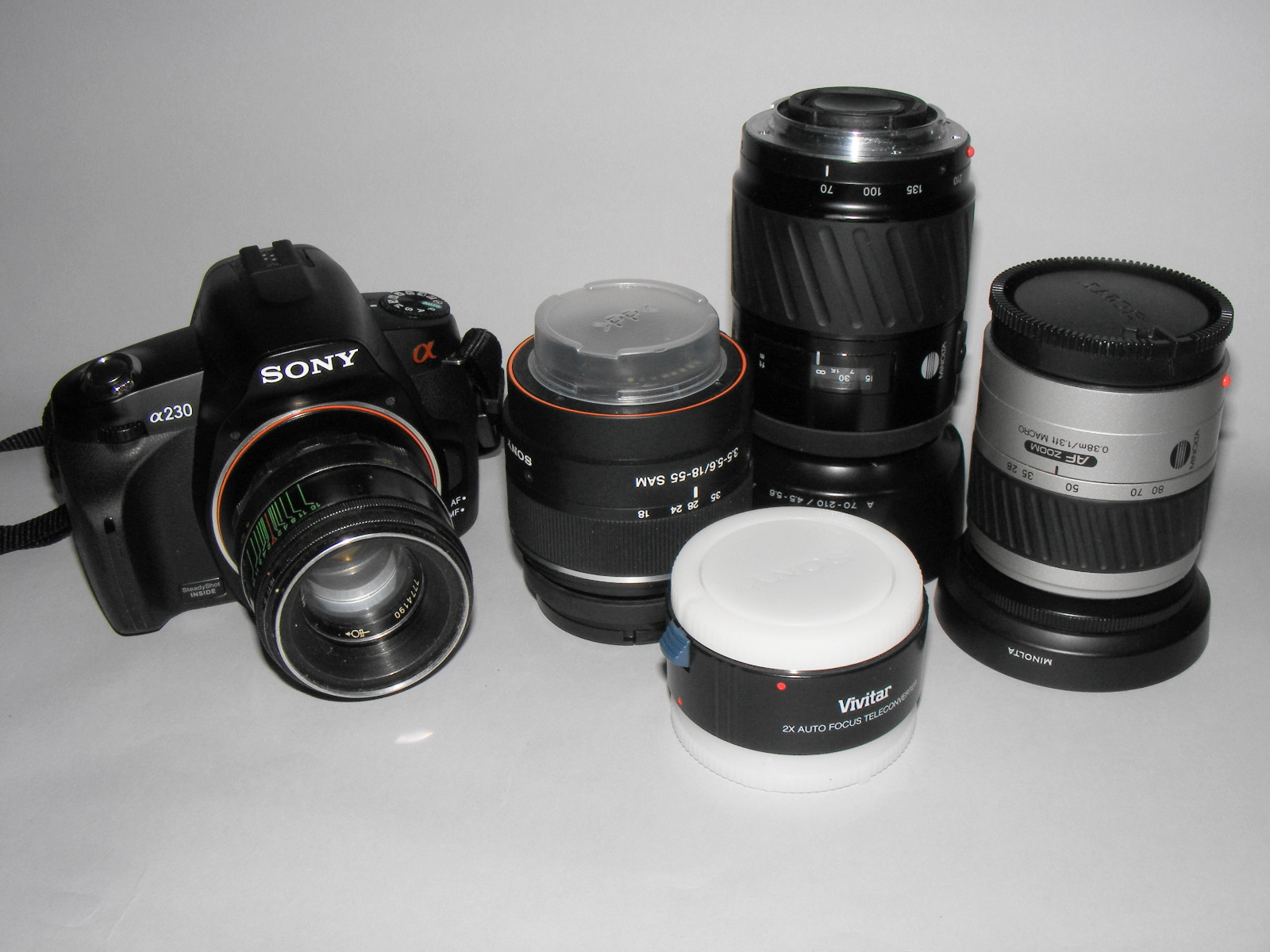
This is the part people skip and then regret. You cannot fit a teleconverter to any lens you like. Rear converters have a protruding front element that has to sit inside a recess in the back of the lens, so the lens must be physically designed to accept one. Most standard zooms and wide lenses simply have no room, and their rear elements would collide with the converter glass. As a rule, only telephoto primes and a subset of telephoto zooms are compatible, and each manufacturer publishes a specific list.
Canon RF
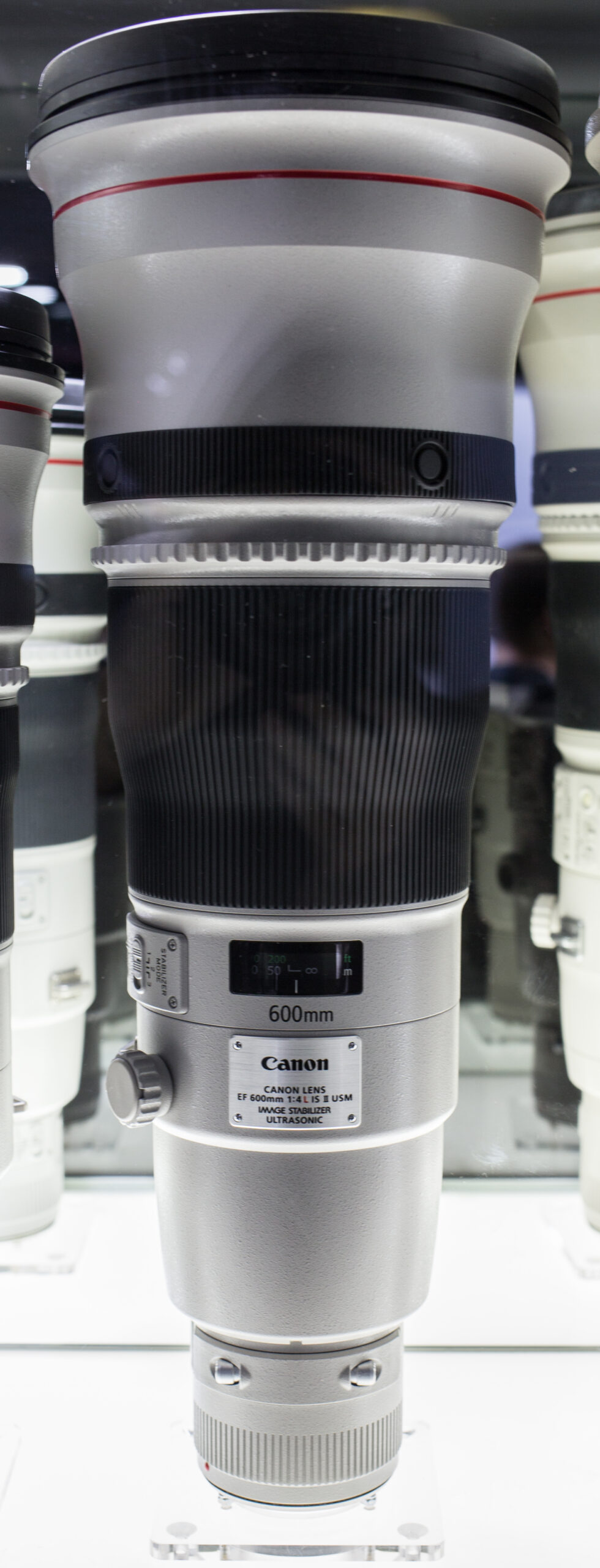
Canon makes the Extender RF 1.4x and Extender RF 2x for the RF mount. They are compatible with a defined set of RF telephotos including the RF 100-500mm f/4.5-7.1L IS USM, the RF 100-400mm f/5.6-8 IS USM, the RF 200-800mm f/6.3-9 IS USM, and the big white primes such as the RF 400mm f/2.8L, RF 600mm f/4L and RF 800mm f/5.6L. There is an important quirk on the RF 100-500mm: the extenders can only be fitted when the zoom is set within roughly the 300 to 500mm part of its range, so with a 1.4x the lens works as a 420-700mm rather than across the whole zoom. Notably, the original RF 70-200mm f/2.8L does not accept a converter, though the newer RF 70-200mm F2.8 L IS USM Z does.
Nikon Z
Nikon offers the Z Teleconverter TC-1.4x and TC-2.0x. Their compatible list is short and telephoto-only: the NIKKOR Z 100-400mm f/4.5-5.6 VR S, the Z 180-600mm f/5.6-6.3 VR, the Z 70-200mm f/2.8 VR S, and the super-telephoto primes, the Z 400mm f/2.8 TC VR S, Z 400mm f/4.5 VR S, Z 600mm f/4 TC VR S and Z 800mm f/6.3 VR S. Nikon’s Z converters cannot be used through the FTZ adapter with older F-mount glass, and Nikon says vibration reduction degradation is minimised, rather than eliminated, with a converter fitted.
Sony E
Sony’s SEL14TC 1.4x and SEL20TC 2x converters work only with a specific group of Sony G and G Master telephotos: the FE 70-200mm f/2.8 GM OSS and its Mark II, the FE 100-400mm f/4.5-5.6 GM OSS, the FE 200-600mm f/5.6-6.3 G OSS, the FE 400-800mm f/6.3-8 G OSS, and the FE 300mm f/2.8 GM, FE 400mm f/2.8 GM and FE 600mm f/4 GM primes. A point that catches many Sony shooters out is that third-party lenses cannot use the Sony converters, and Sony’s own converters cannot be mounted on third-party glass.
Sigma, Tamron and the L-mount
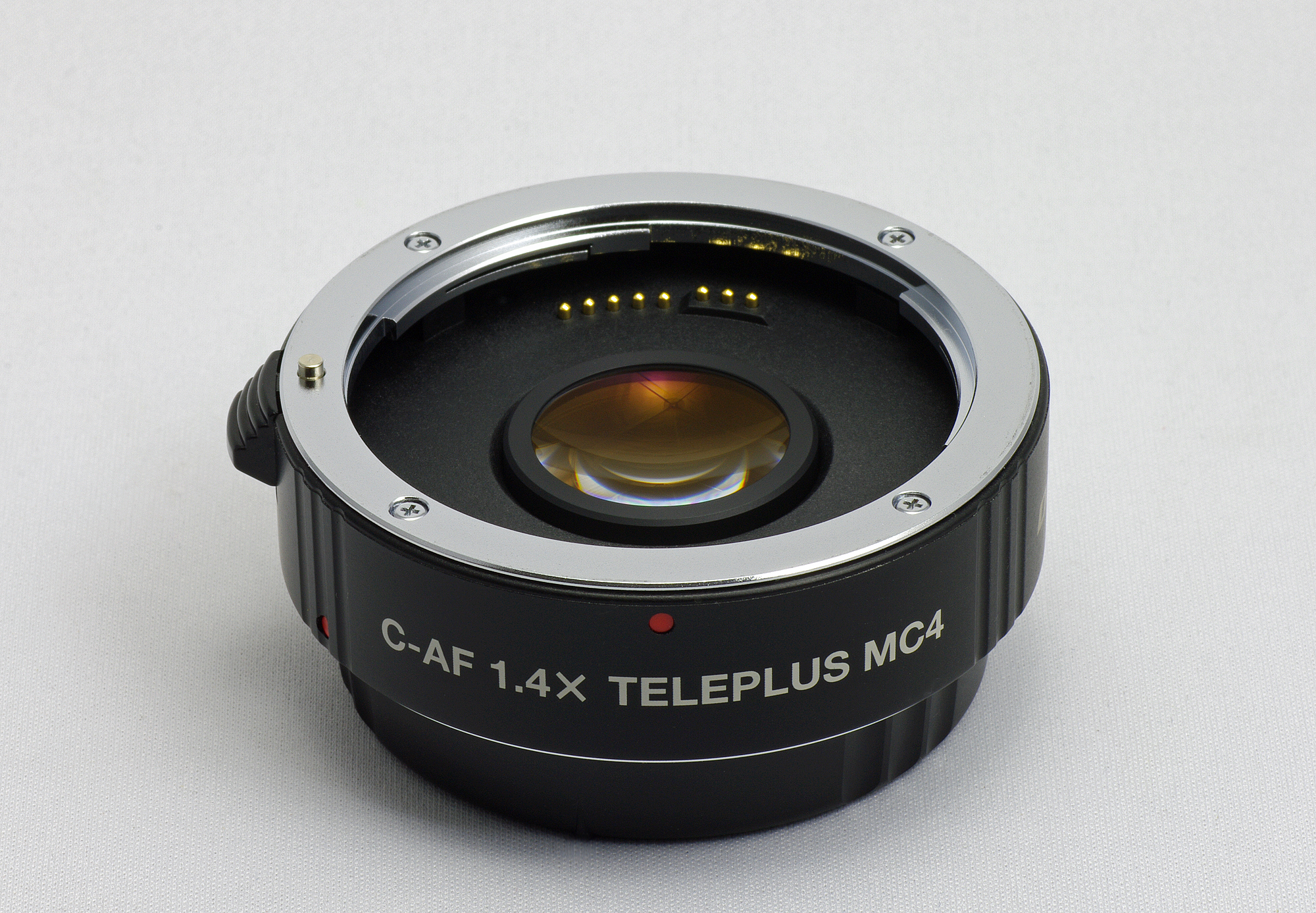
Sigma makes the TC-1411 1.4x and TC-2011 2x converters, but for the L-mount only, and only for a defined set of Sigma L-mount telephotos. Sigma has been clear that it did not release these converters for Sony E-mount because its licensing arrangement with Sony does not cover teleconverters, so a Sony-mount Sigma 150-600mm cannot use a matched Sigma converter. In the DSLR era Sigma sold the TC-1401 and TC-2001 for Canon EF and Nikon F, which did pair with the Sports version of the 150-600mm, and Tamron offered its own 1.4x and 2x converters for its DSLR telephotos. Third-party universal converters from makers such as Kenko fit a wide range of mounts, but with no guarantee of autofocus communication or image quality, so treat them as a gamble rather than a plan.
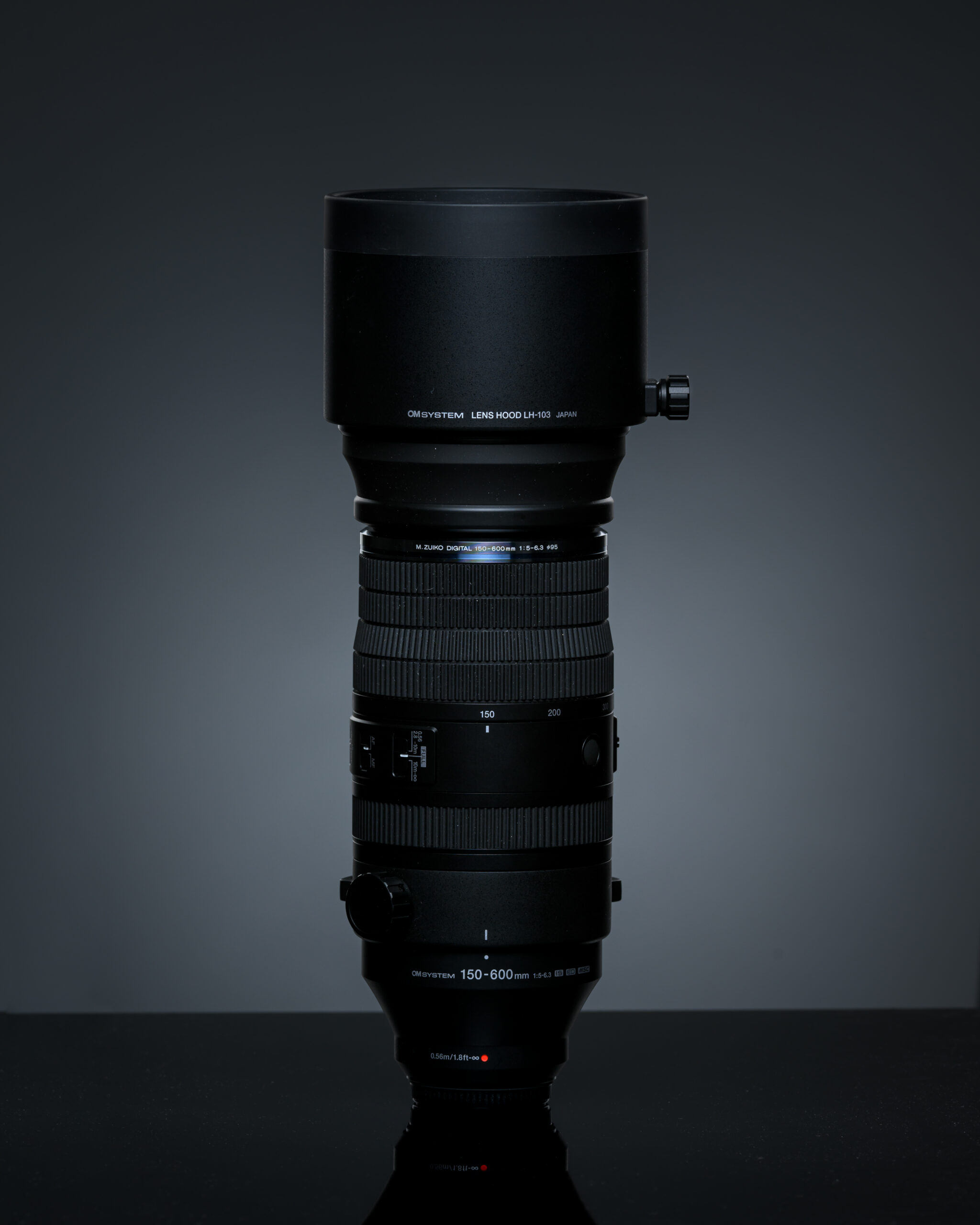
A note on superzooms
If your reach comes from a 150-600mm or 200-600mm superzoom, check the compatibility list before you buy anything. On mirrorless, the first-party 200-600mm and 180-600mm zooms generally do accept the maker’s 1.4x, giving a really useful 840mm. The slower f/6.3 maximum aperture means you are at f/9 with the converter, so this works best in good light and on a body with capable autofocus.
Teleconverter versus cropping
The question every aviation photographer asks is whether a converter beats simply cropping the bare lens in post. It is a fair challenge, because a modern high-resolution sensor holds a lot of detail and cropping is free. The honest answer is that it depends on how much light you have and how good the converter is.
The case for cropping
Cropping keeps your lens at its widest, brightest aperture, so autofocus stays fast and you avoid the diffraction and optical penalty of the converter. On a 45 or 60 megapixel body, a moderate crop still leaves plenty of pixels for web use and reasonable prints. If the light is poor, if you need every scrap of autofocus speed for a fast pass, or if your converter is a mediocre third-party unit, cropping the native image is often the better result.
The case for the converter
A converter puts more real detail on the sensor before you press the shutter. A 1.4x on a sharp lens really resolves more of the aircraft than the same lens cropped to the same framing, because you are magnifying with glass rather than throwing away pixels. It also keeps the full pixel count on the subject, which matters if you sell or license images and buyers want large files. For distant subjects that fill only a small part of the frame, a good 1.4x usually wins over a heavy crop of the bare lens.
A simple decision rule
If you would need to crop the bare lens by more than roughly 1.4x to get your framing, and the light supports the narrower aperture, a matched 1.4x converter is usually the sharper choice. If the crop you need is mild, or the light is failing, leave the converter off and crop. The 2x rarely beats cropping unless it is on a fast prime with light to spare. When you are recovering fine detail from any distant shot, our guide to sharpening long-lens aviation photos covers the editing side.
Settings for shooting with a teleconverter
A converter changes your working numbers, so your habits have to change with it. The single biggest mistake is treating the combination as if it were the bare lens.
Shutter speed
Longer focal length magnifies camera shake as well as the subject. The old guideline of a shutter speed at least equal to one over the focal length was written for static subjects, and it climbs sharply with a converter fitted. If your 500mm suggested 1/500s handheld, your 700mm effective focal length wants 1/750s or faster on full frame, before stabilisation, just to fight shake, before you even account for the aircraft’s movement. For jets, keep to the usual fast-action range and do not let the converter tempt you into slower speeds to save light. For propeller aircraft you still want deliberate blur in the disc, so the shutter speed logic there follows the subject, not the converter, and our fast jets guide sets out the tracking technique in detail.
Aperture
With a converter your maximum aperture is already narrow, so in most cases you shoot wide open and let the converter set the value. There is little to gain from stopping down further, and diffraction will punish you if you do. The one exception is when you have light to spare and want a touch more depth of field on a large subject at close range, where stopping down a third to two-thirds of a stop can lift edge sharpness slightly.
ISO
The lost stops have to come from somewhere, and that somewhere is usually ISO. Expect to raise ISO by one stop with a 1.4x and two stops with a 2x to hold the same shutter speed. Modern sensors handle higher ISO cleanly, and a slightly noisier sharp frame beats a clean blurred one. Auto ISO with a sensible ceiling and a minimum shutter speed is a practical way to manage this while you concentrate on tracking.
Stabilisation and support
Image stabilisation still works with a converter, and it is more valuable than ever at the longer focal length. For handheld work, good long-lens technique matters more than any gadget; a monopod takes the static weight and steadies the longer effective focal length without locking you out of panning. Switch stabilisation to the panning-aware mode if your lens offers one, so it does not fight your horizontal movement.
Teleconverters on zooms versus primes
The lens under the converter decides almost everything about the result. Fast telephoto primes and slow telephoto zooms respond very differently, and knowing which you own tells you what to expect.
Fast primes: the ideal partner
A 300mm f/2.8, 400mm f/2.8 or 500mm f/4 is the natural home for a converter. These lenses are optically superb, and they start with so much light that even a 2x leaves you at f/5.6 or f/8, workable apertures for autofocus. A 400mm f/2.8 with a 1.4x becomes a 560mm f/4 that is almost indistinguishable from the bare lens, and with a 2x an 800mm f/5.6 that remains really useful. This is why professional sports and wildlife shooters carry converters as a matter of course; on a fast prime they are close to free reach.
Slow zooms: proceed with care
The 100-400mm, 150-600mm and 200-600mm zooms that most enthusiasts actually own are a harder case. They are already f/5.6 to f/6.3 at the long end, so a 1.4x takes them to f/8 or f/9 and a 2x to f/11 or f/13. The 1.4x on a good modern zoom, in decent light, on a capable mirrorless body, can be a useful tool, giving 840mm from a 600mm zoom. The 2x on these lenses is rarely worth it: the aperture is too narrow, autofocus slows badly, and diffraction plus the converter’s own softness usually leave you no better off than a crop of the bare lens.
The teleconverter you already carry
There is a hidden converter in your bag: the crop sensor. Putting a full-frame telephoto on an APS-C body gives roughly a 1.5x or 1.6x tighter field of view with no light loss and no extra glass. It is not the same as a converter, because it does not add pixels to the subject, but for reach on a budget it often beats a mediocre 2x. Many aviation photographers run a crop-sensor body precisely for this reason and keep converters for their full-frame kit.
Aviation scenarios: where converters win and lose
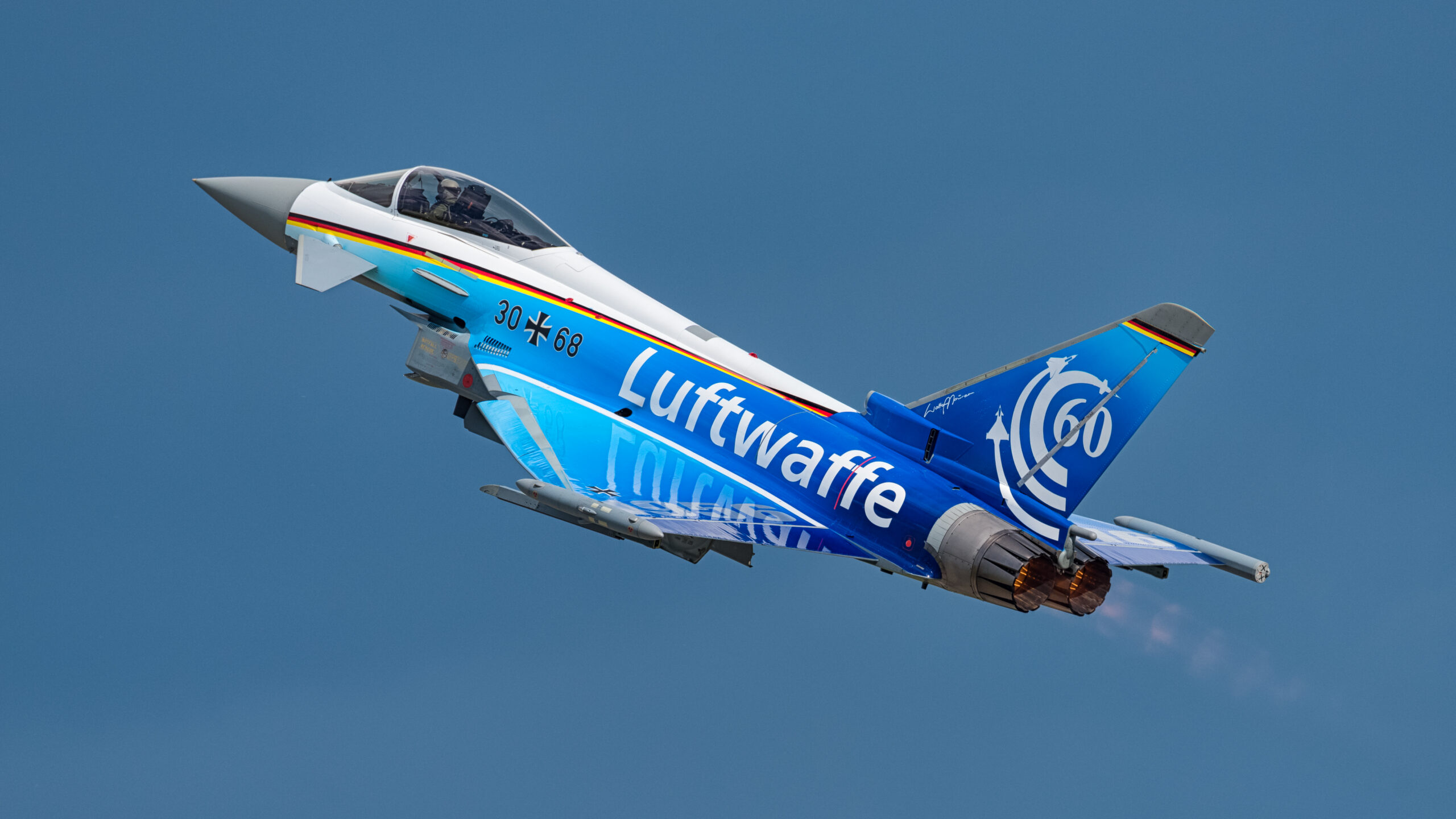
General advice only goes so far. Here is how converters behave across the situations aviation photographers actually meet.
Fast jets and display teams
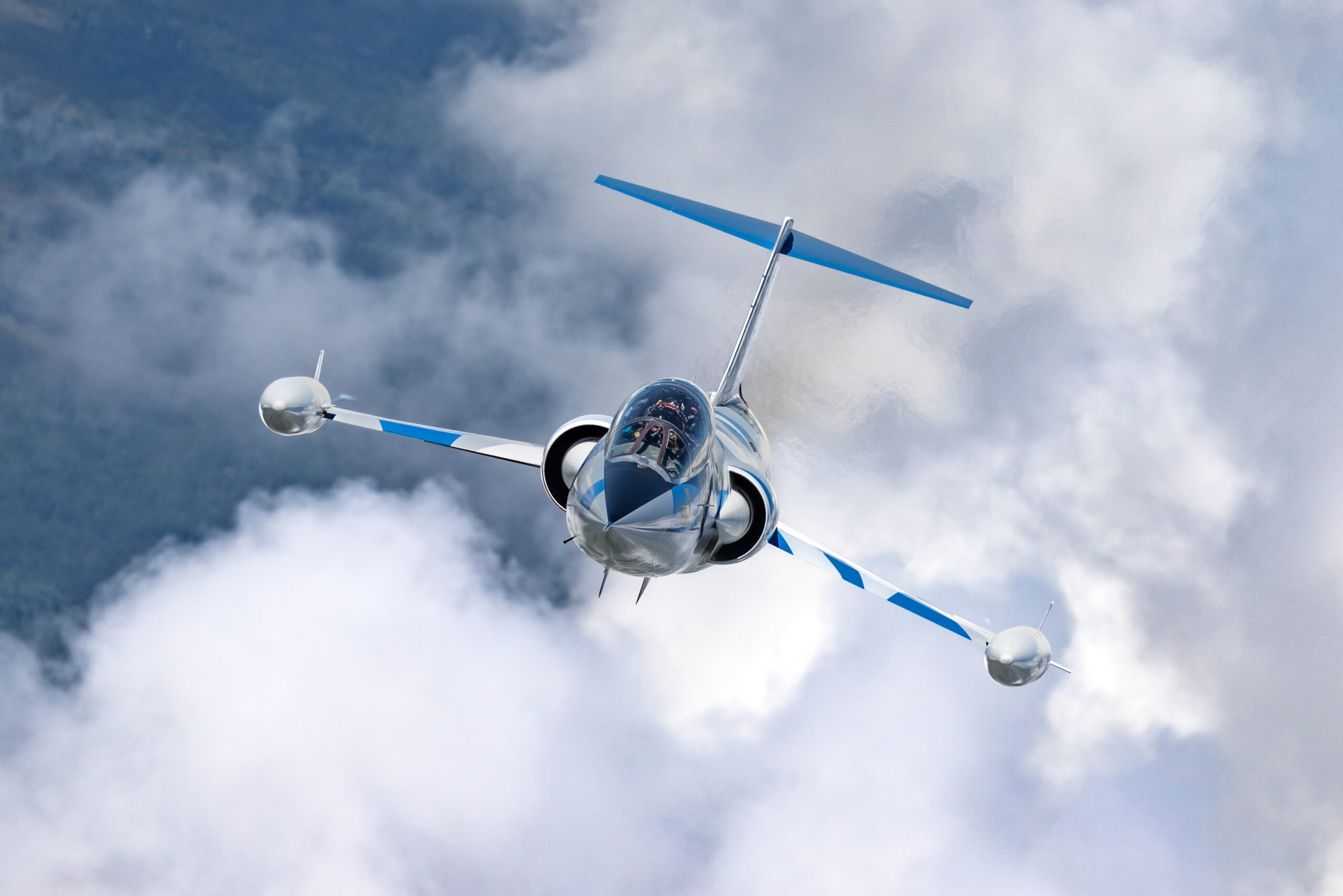
For topside passes and fast display work, a 1.4x on a fast prime is a joy and a 1.4x on a good zoom is workable in bright light. The 2x is usually a mistake here because the autofocus lag costs you the decisive frame. If the light is strong and the jet is far out, a 1.4x buys reach without wrecking tracking. If the display comes in close, take the converter off, because you will be scrambling to keep the whole aircraft in frame.
Distant airliners and spotting
Airliners on a straight, predictable approach are the friendliest subject for a converter, even a 2x on a fast prime. The aircraft moves steadily, autofocus has time to settle, and the extra reach turns a distant speck into a filled frame. This is the classic case where a converter earns its keep, especially at airports where fences and boundaries keep you far from the action.
Warbirds and propellers
Piston aircraft need a slow shutter speed to blur the propeller disc, which sits awkwardly with the converter’s light loss because you are not trying to shoot fast. In bright conditions this is fine; the slow shutter and narrow aperture coexist happily. In dull weather the converter can force ISO up while you are already at a slow shutter for the prop, so weigh whether the reach is worth it. A 1.4x is the safe choice for warbirds.
Formation and multi-ship
Formations are large subjects that often fill the frame at moderate focal lengths, so a converter can leave you unable to fit the whole group in. Converters suit single distant aircraft, not tight multi-ship passes overhead. Read the display and be ready to pull the converter for the big set-piece formations.
Static and museum aircraft
On the ground there is no tracking pressure, so a 2x on a tripod can pull out distant detail, tail codes, nose art and engine intakes, that the bare lens cannot reach. This is where the 2x is most comfortably at home, because slow autofocus and narrow aperture do not hurt a stationary subject in good light.
Common mistakes with teleconverters
Most disappointing converter results come from a handful of avoidable errors rather than from the converter itself.
Fitting a 2x to a slow zoom
This is the classic error. A 2x on an f/6.3 superzoom gives f/13, sluggish autofocus and soft frames. If you own a slow zoom and want more reach, buy the 1.4x, not the 2x, and use it only in good light.
Ignoring the shutter speed jump
People fit a converter, keep their old shutter speed and then blame the converter for soft images that are really down to camera shake and subject movement at the longer focal length. Raise the shutter speed to match the new reach.
Expecting autofocus miracles in poor light
A converter that focuses fine on a bright afternoon may hunt hopelessly under heavy cloud or at dusk. The narrower effective aperture starves the autofocus of light. Plan converter use around the conditions, not just the subject.
Using a mismatched third-party converter
A universal converter on a lens it was never designed for can give soft corners, failed autofocus communication and inconsistent exposure. If you can, use the maker’s own converter on a lens from its compatible list.
Leaving it on all day
A converter is a tool for specific moments, not a permanent fixture. Photographers who leave it mounted miss close passes they cannot frame and lose autofocus speed they did not need to sacrifice. Fit it when the subject is far, take it off when it comes close.
Forgetting to clean the extra surfaces
A converter adds two more glass surfaces and two more lens mounts to keep clean. Dust trapped between converter and lens sits close to the light path and can show up in images. Check and clean the contacts and elements when you fit it.
How to get the sharpest results
You can claw back much of the theoretical loss with good technique. None of this is complicated, but it is the difference between a converter that satisfies and one that frustrates.
Start with a sharp lens
A converter cannot add detail the lens did not capture. If your telephoto is only average, a converter magnifies its weaknesses. The sharper the base lens, the better the converted result, which is why fast primes reward converters and cheap zooms punish them.
Nail focus, then support the lens
At the longer effective focal length, focus errors and shake are magnified. Use single-point or subject-detection autofocus locked to the aircraft, keep the shutter speed high, and support the lens on a monopod or with disciplined handholding. A sharp file starts in the field, not in the edit.
Shoot in the best light you have
Converters love light. The narrow effective aperture wants bright, contrasty conditions for both exposure and autofocus. Save the converter for the clear passes and take it off when the cloud rolls in.
Sharpen intelligently in post
A little output sharpening tuned for the long lens recovers apparent detail without turning noise into mush. Combined with careful noise reduction it makes a converted frame look close to a native one. Our sharpening workflow walks through the settings that suit long-lens aviation files.
Is a teleconverter worth it?
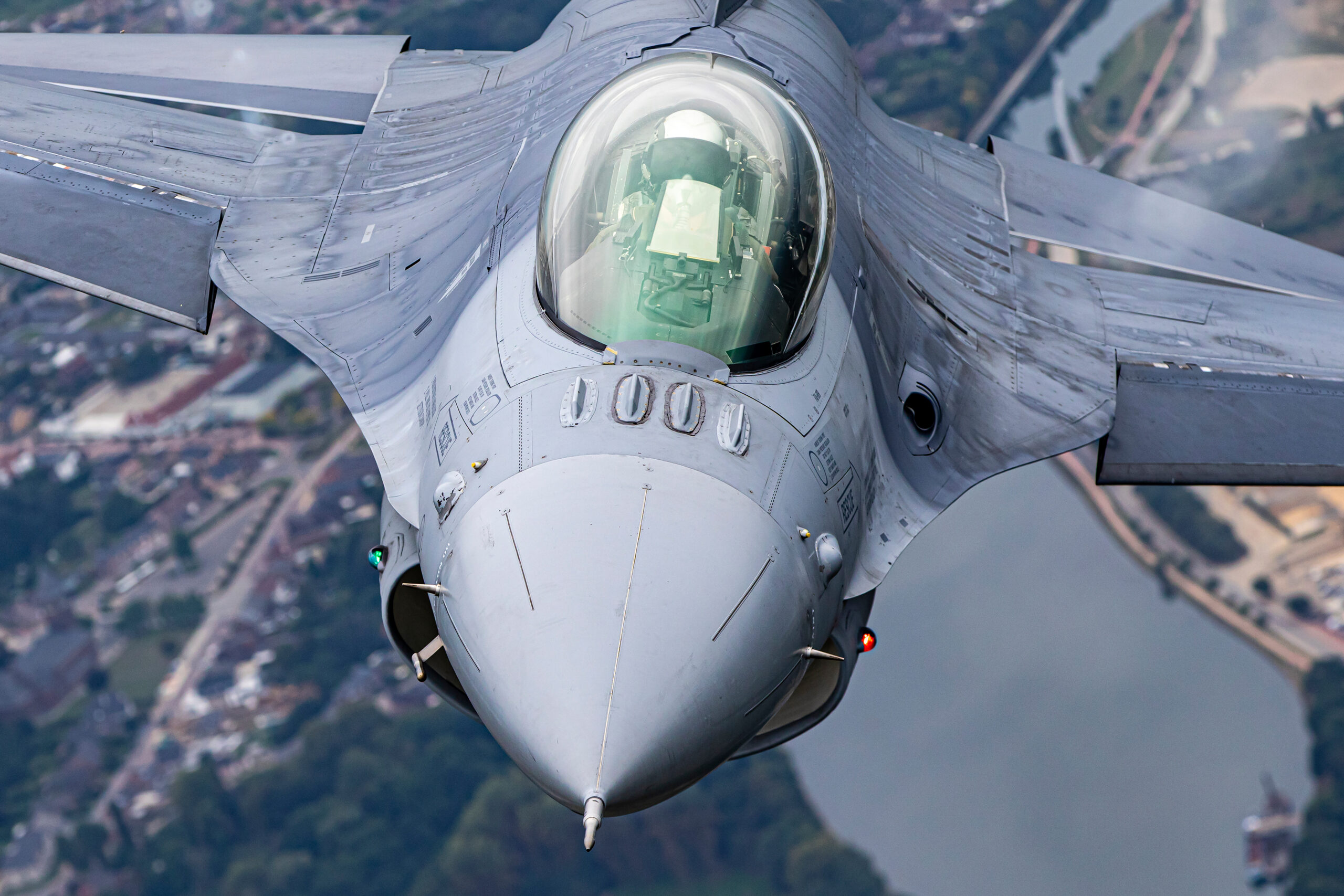
For most aviation photographers the answer is a qualified yes, with a strong lean toward the 1.4x. A quality 1.4x converter is one of the best value accessories you can buy: it costs a fraction of a longer lens, weighs almost nothing, slips into a jacket pocket, and on a decent telephoto it delivers real extra reach with only a modest penalty. If you regularly find aircraft too small in the frame and the light where you shoot is usually good, a 1.4x will pay for itself.
The 2x is a specialist. On a fast prime it opens up focal lengths that are otherwise very expensive to reach, and on a tripod for static subjects it is really useful. On a slow zoom, in changeable weather, for fast action, it will mostly disappoint. Buy a 2x with clear eyes about where it works.
Before spending anything, be honest about your base lens and your typical light. A converter multiplies what you already have, good and bad. If your telephoto is sharp and your skies are often bright, a converter is money well spent. If your lens is soft or your weather is grey, put the money toward a better lens instead, and use the guidance in our lens guide and budget telephoto guide to choose. You can see how reach and light play out in real frames across the Piemags aviation galleries, and if you want to use images commercially, the licensing page sets out the options.
A worked example: 600mm zoom plus a 1.4x
Take the common setup of a 200-600mm f/5.6-6.3 zoom on a full-frame mirrorless body at a summer airshow. Bare, at 600mm f/6.3, a distant jet holding station out on the display line fills perhaps a third of the frame. Fit the 1.4x and you are at 840mm f/9. The jet now fills roughly half the frame, a real improvement that would otherwise need a heavy crop. In bright sun at ISO 640 you can still run 1/1600s, fast enough for the pass, and the modern body tracks the aircraft without complaint at f/9. The frames come back sharp and the extra reach is obvious.
Now move the same setup to a grey, showery afternoon. To hold 1/1600s at f/9 you are suddenly at ISO 5000 or higher, the autofocus is slower to lock because there is less light, and the softness of the converter is no longer hidden by crisp contrast. In these conditions many photographers pull the converter, shoot the bare lens at 600mm f/6.3, drop to ISO 2000 and crop in the edit. Same kit, opposite decisions, and the deciding factor is light, not the aircraft. That is the whole teleconverter question in a single afternoon.
Frequently asked questions
Does a teleconverter reduce image quality?
Yes, but the amount varies. A good 1.4x converter on a lens it was designed for costs so little sharpness that it is hard to see outside a pixel-level comparison. A 2x costs more, roughly doubling the magnification of every optical flaw and losing two stops of light, so it noticeably softens results on all but the best fast primes. The converter can only reduce ultimate resolution, never improve it.
What is the difference between a 1.4x and a 2x teleconverter?
A 1.4x multiplies focal length by 1.4 and costs one stop of light, so an f/4 lens becomes an f/5.6. A 2x doubles the focal length and costs two stops, turning that f/4 into an f/8. The 1.4x is the safer all-round choice; the 2x gives more reach but with a bigger hit to light, autofocus speed and sharpness.
Will autofocus still work with a teleconverter?
On modern mirrorless bodies from Canon, Nikon and Sony, yes, because they can autofocus at effective apertures as small as f/22 in good light. Autofocus becomes slower and less certain as the aperture narrows, and it can hunt in poor light. Older DSLRs were stricter, often refusing to autofocus past an effective f/8.
Can I put a teleconverter on any lens?
No. The lens must be physically designed to accept one, because the converter’s front element sits inside a recess in the back of the lens. In practice only telephoto primes and certain telephoto zooms are compatible, and each manufacturer publishes a specific list. Most standard and wide lenses cannot take a converter at all.
Is a teleconverter better than cropping the photo afterwards?
It depends on light and lens quality. A good 1.4x on a sharp lens puts more real detail on the sensor than cropping the bare lens to the same framing, so it usually wins for distant subjects in good light. If the light is poor, if you need maximum autofocus speed, or if the converter is a mediocre third-party unit, cropping the native file can be the better result.
What is the best teleconverter for aviation photography?
For most people a quality 1.4x from the camera maker, used on a compatible telephoto, is the best value. It adds meaningful reach with only a modest penalty and keeps autofocus usable. A 2x is worth having only if you shoot fast primes or static subjects on a tripod, where its drawbacks matter less.
Does a teleconverter change the shutter speed I should use?
Yes. The longer effective focal length magnifies camera shake, so you need a faster shutter speed than the bare lens required, and you also have to raise ISO to make up the lost stops. A combination that behaved well at 1/500s on the bare lens may want 1/750s or faster once a converter lengthens the reach.
Can I use a third-party teleconverter on my lens?
You can try, but results are unpredictable. Universal converters from makers such as Kenko fit many mounts but were not profiled for your specific lens, so autofocus communication, corner sharpness and exposure can all suffer. Where possible, use the camera maker’s own converter on a lens from its compatible list.
How much light does a teleconverter cost you?
A 1.4x converter costs one stop and a 2x costs two stops. So an f/5.6 lens becomes an effective f/8 with a 1.4x and f/11 with a 2x. That is the single biggest practical consideration in aviation work, because it pushes you towards higher ISO exactly when you are also using a fast shutter speed.
Will autofocus still work with a teleconverter fitted?
On most modern bodies yes, but it can slow down or become less reliable as the effective aperture narrows. Many current mirrorless cameras autofocus at f/22 in good light, whereas older DSLRs often struggled past f/8. Check your body specification, because this is the most common reason a converter disappoints in the field.
Is a teleconverter better than cropping the image?
Usually yes, if the light allows it. A converter puts real magnified detail on the sensor, whereas cropping simply throws pixels away. But in poor light the extra stops lost to the converter can force a noisier file, and a clean crop from a bright, sharp frame can beat a dim converted one. Judge it by the conditions on the day.
Can you use a teleconverter with any lens?
No. Converters are designed for specific mounts and many will only fit a limited list of lenses, usually telephoto primes and higher-end zooms, because the front element protrudes into the host lens. Fitting a converter to an unsupported lens can physically damage the rear element, so always check the maker compatibility chart before buying.
