The buildings at Duxford and the crowd line in front of them run parallel to the runway, which sits on 058 degrees true, so you spend the day looking out along about 148. That one bearing decides everything: the sun closes to dead ahead in the late morning, swings right through the afternoon, and by the middle of the afternoon has gone round far enough to light the aircraft instead of blinding you. Which means the close-access window in the morning falls in the worst light of the day, and the best light arrives at the moment most people leave to beat the traffic.
What is on this page
- The one fact that decides every photograph you take here
- What is left of the 2026 season
- Two runways, and where you actually stand
- The light, and why it is the way it is
- The light in one table
- The best light of the day, and when to be standing there
- What you need on the front of the camera
- The focal lengths in one table
- What actually flies from Duxford
- The only airworthy B-17 in Europe
- The Flightline Walk, and the noon problem
- Grandstand, Gold, and whether they are worth it
- Inside, and what the architecture tells you
- Hangar 1, AirSpace, and the walkways
- The glass wall that faces the sun
- The three original hangars
- The hall that is not there any more
- What is being rebuilt, and when
- Selling what you shoot here
- How to ask, and the gap in the published routes
- Tripods, flash and drones, and what is not published
- Getting there, and parking
- Hours and tickets
- When to go, and what to do before you leave the house
- Questions people ask
The one fact that decides every photograph you take here
The museum buildings at Duxford stand in a line along the north side of the site, the crowd line runs along in front of them, and both of them are parallel to the runway. The runway lies on 058 degrees true. So when you stand on that barrier with your back to the hangars you are not looking due south at all. You are looking out along about 148 degrees, which is south-south-east, and those thirty-odd degrees decide every frame you take on the display line.
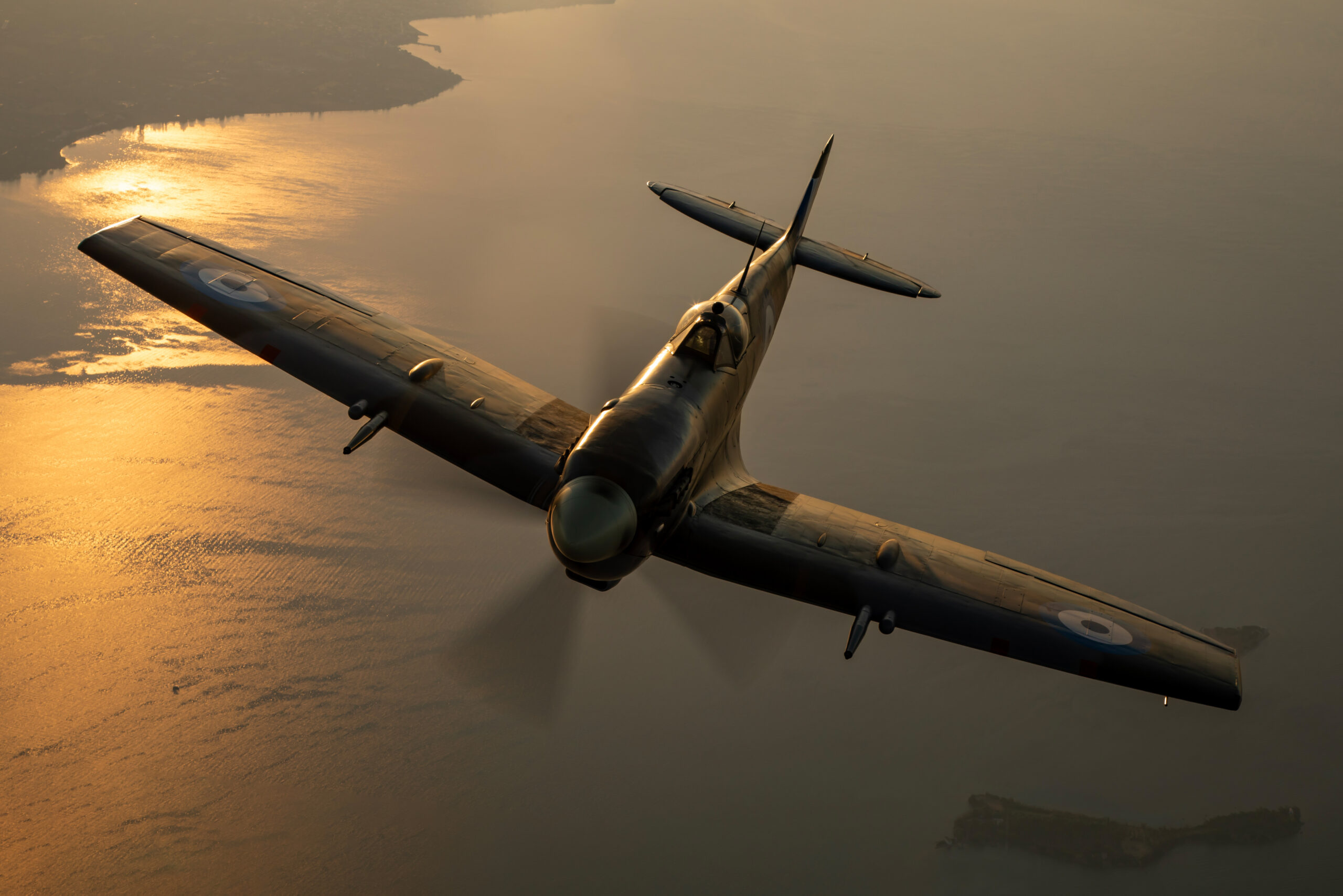
Here is what they decide. The sun comes up away to your left, beyond the eastern end of the line, and travels across your view from left to right through the day. Late in the morning it closes on the display line and sits almost dead ahead, high up, and that is the worst light Duxford gives you. Then it keeps going. Through the afternoon it swings out to your right, over the western end of the airfield, and the aircraft in front of you stop being shapes against a bright sky and start being lit. By the end of the afternoon the sun has gone round far enough to be behind the crowd line and pointing at the aeroplanes for you.
Most people get this backwards, and the reason is the programme rather than the sky. The part of a Duxford show day when you have close access to the aircraft is the morning, on the Flightline Walk, and the gates on that shut at around noon. The part of the day with the best light is the last couple of hours, when the aircraft are a few hundred metres away over the runway. Access and light sit at opposite ends of the day and the day only runs one way, so you plan for both or you get neither.
What is left of the 2026 season
Two public events remain. The Battle of Britain Air Show runs on Saturday 12 and Sunday 13 September 2026, with the site open from 8am to 7pm. IWM does not publish the flying times in advance, and at recent Battle of Britain shows the display has filled the afternoon and run for about four hours. Adult tickets are £49.50 and children of 15 and under go free with a paying adult. The Grandstand is a £25 add-on and children need their own. The Gold Experience is £130. There are no tickets on the gate, so it is advance booking or nothing.
The Flying Finale follows on Saturday 3 October 2026, 10am to 6pm, at £41.50 for an adult and £20.75 for a child of 5 to 15. Parking is on site and needs no advance booking, and there are no shuttle buses for this one, which is a real difference from September if you were planning to arrive by train.
Everything else in the 2026 season has been and gone: the VE Day and D-Day Flying Days in May and June, the Summer Air Show on 4 and 5 July, The Americans on 24 July, and the Flying Evening on 22 August. If you were hoping to catch a Duxford Flying Evening in 2026, you have missed it by days.
Ordinary museum admission moves twice this autumn, in opposite directions. Through the summer an adult ticket was £25.00 under a government-funded offer that ran to 1 September. From 2 September it is £28.60, or £31.50 with the voluntary donation. From 1 October it comes down again to £26.80, or £29.50 with the donation, with children of 5 to 15 at £13.40 and concessions at £24.10. Those are the published figures as at 27 August 2026.
One booking decision sits underneath all of that. The Red Arrows are on the flying list for the Saturday only, not for both days. If they are the reason you are going, the Saturday is the day you need.
Two runways, and where you actually stand
Duxford has two runways and most guides only mention one. The hard runway is 06R/24L, asphalt, with 1,199 metres declared usable for take-off and landing and a physical strip of 1,448 metres. The 1,503 metres quoted in plenty of places comes from a third-party chart rather than from the aeronautical record. There are displaced thresholds at both 24 ends. The grass runway is 06L/24R, 880 metres by 25 metres, and it sits 150 metres north of the paved one, which puts it between the hard runway and you. The two cannot be used at the same time for landing or take-off.
The 06 and 24 designations are magnetic, and they are the reason so many descriptions of this airfield round the axis off to 060 and 240. The published true bearing is more precise than that and it is the number the light depends on: 058.02 one way and 238.04 the other, running west-south-west to east-north-east.
Now stack it outward from your feet, because this is what you are looking through. First the crowd line, along the northern edge of the airfield in front of the hangars. Then the display aircraft, parked on the grass north of the grass runway, with the Flightline Walk running along that parked line. Then the grass runway. Then 150 metres of nothing. Then the hard runway. The display line runs along that axis, out ahead of you, a few hundred metres away. Duxford does not publish the crowd-to-display-line distance, so treat the lens question as something you settle on the day rather than in the car.
That 150 metres matters more than it sounds. An aircraft on the grass is a good deal closer than the same aircraft on the hard runway. Watch which surface one is set up for and you will know which lens you want before it is on short finals.
One more thing worth carrying in your head. The circuit is right-hand for 06 and left-hand for 24, and circuits are normally flown to the south, the far side of the runways from the crowd. Aircraft that have just gone past you come back round behind the display line rather than over your head.
The light, and why it is the way it is
A crowd line on 148 degrees is a crowd line the sun crosses rather than sits on. It rises well to the left of the display line, closes on it through the morning, passes in front of you late in the morning, and then spends the whole afternoon opening out to your right until it has gone past the ends of the line altogether and is behind you. That single sweep is the whole story of a Duxford flying day.
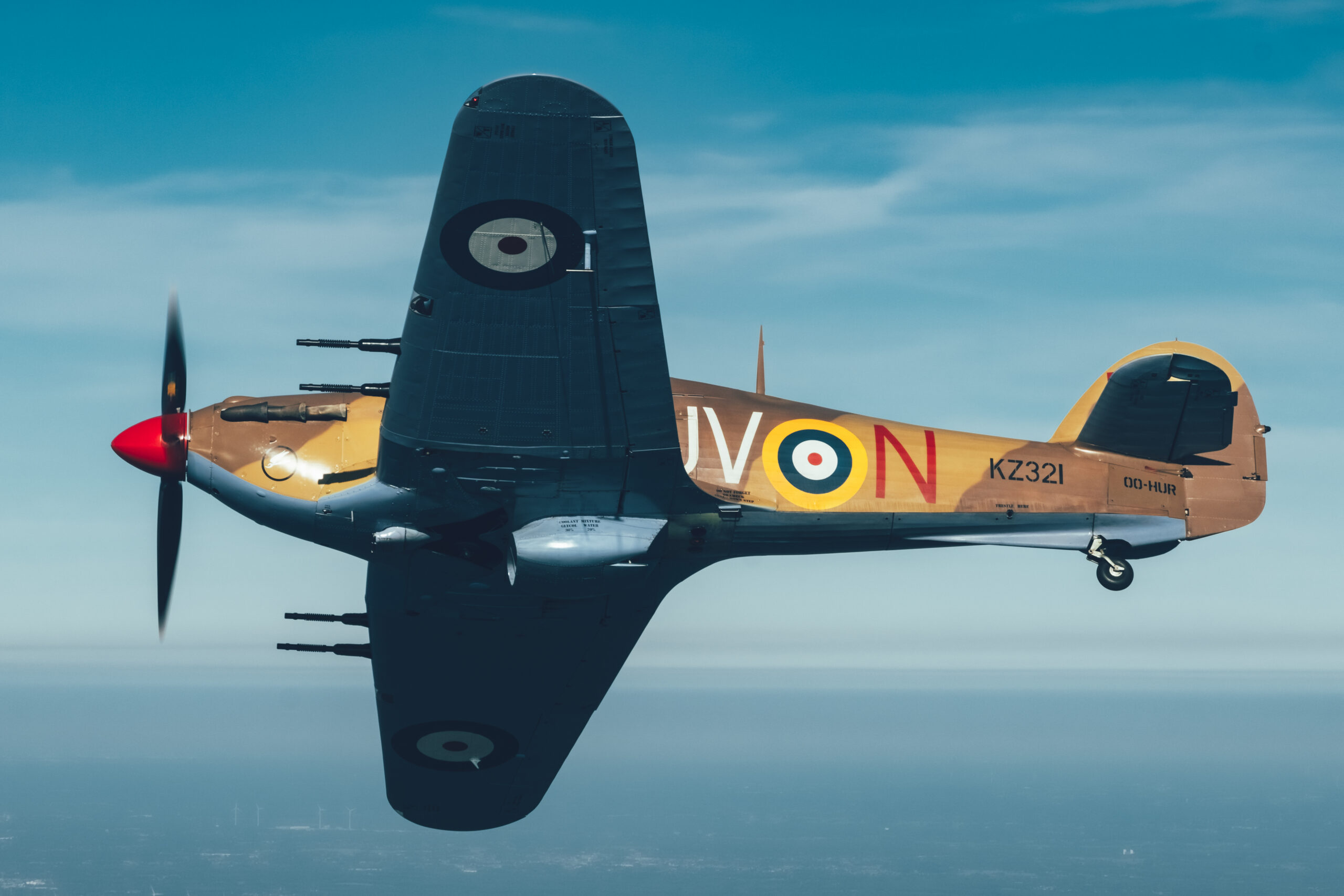
On 12 September 2026 the sun is within thirty degrees of dead ahead from 09:25 until 12:45. It is dead ahead at 11:16, thirty-eight degrees up, and that is the hour to keep the camera pointed at parked aeroplanes rather than flying ones. From 16:15 it has passed behind the crowd line. On 3 October the same pattern arrives earlier and lower: within thirty degrees from 08:55 until 12:40, dead ahead at 10:58 at twenty-nine degrees, usable side light from about 14:25, and behind the crowd line from 16:30. These figures were computed for this guide from the aerodrome reference point in IWM’s own airfield manual.
Set those windows against the programme and the day inverts the way most people expect it to run. Flying at the Battle of Britain show fills the afternoon. By the time it starts the worst of it is already over, the sun has begun its long swing out to the right, and every hour of the display is better lit than the hour before it. Nothing at Duxford asks you to shoot through the sun for four hours. It asks you to get through the late morning.
Which is when the difficult light and the good access coincide. The Flightline Walk closes at around noon, so the close-up work happens in exactly the hours when the sun is on or near the nose of everything you point at. That is not a reason to skip it. A fighter on a bright hazy sky, seen from the wrong side, becomes a shape rather than a paint scheme, and a shape is a picture if you meant it. Our guide to backlighting and silhouettes is the one to read before you go, and at Duxford it belongs to the morning specifically.
The light in one table
Battle of Britain Air Show, Saturday 12 September 2026. Azimuth and elevation in degrees, times in British Summer Time, and the last column is where the sun sits if you are standing on the crowd line looking out along the display line.
| Time BST | Azimuth | Elevation | Where it is from the crowd line |
|---|---|---|---|
| 09:00 | 112.9 | 21.9 | 35 degrees to your left |
| 10:00 | 127.0 | 29.8 | 21 degrees to your left |
| 11:00 | 143.2 | 36.3 | dead ahead |
| 12:00 | 161.5 | 40.6 | 14 degrees to your right, still into it |
| 13:00 | 181.4 | 42.0 | 33 degrees to your right |
| 14:00 | 201.2 | 40.1 | 53 degrees to your right |
| 15:00 | 219.2 | 35.5 | 71 degrees to your right |
| 16:00 | 235.0 | 28.7 | 87 degrees to your right |
| 17:00 | 248.8 | 20.6 | 101 degrees, behind the line |
| 18:00 | 261.4 | 11.7 | 113 degrees, behind the line |
Read it as a story about one day. At nine the sun is low and round to the east, thirty-five degrees off the line, and that is honest side light on anything parked with its nose the right way. By eleven it has climbed to thirty-six degrees and closed to nothing, and for the next hour or so you are working into it. At one o’clock, when the flying starts, it is at its highest but already a third of a right angle round to your right, and it never comes back. By three it is seventy-one degrees off the line, by four eighty-seven, and at five it has gone past the end of the crowd line and is lighting the display from behind you. The bottom of that table is the reason to stay.
The best light of the day, and when to be standing there
The last two hours of any Duxford flying day are the best light the site gives you, and the reason is in the arithmetic above. The sun has to travel round past the western end of the crowd line before it can light an aeroplane the way you want it lit, and at this airfield it does that in the late afternoon. On 12 September 2026 it is behind the crowd line from about quarter past four. On 3 October it is behind from about half past four, and the side light before that is already good from around twenty-five past two.
Now put that against how a show day actually empties. Flying at the Battle of Britain show fills the afternoon and the programme runs on into the early evening, so its closing part falls inside the good window. The site is open until 7pm and the Flying Finale runs to 6pm. A photographer who packs up at four to beat the queue out of the car park is walking away at the exact moment the airfield starts to look like the pictures other people bring home. The traffic is real. So is the light, and the light is not there for very long.
None of which makes the flagship show a compromise. September is where IWM puts what it calls the largest gathering of Spitfires in the UK for 2026, along with the Big Wing formation and, on the Saturday, the Red Arrows, and that programme ends in the day’s best conditions rather than fighting them. The Flying Evening is the one Duxford event built entirely around low sun, flying its whole card in the window the September show only reaches at the end. The 2026 edition ran on 22 August and has gone, and no 2027 dates have been published, so watch the museum’s calendar rather than assume one. Our guide to the best UK airshows for photography is the place to see how Duxford sits against the rest of the season.
Duxford’s light improves all afternoon, and from about quarter past four on 12 September the sun is behind the crowd line and on the aircraft. Leaving early to beat the traffic costs you the best hour of the day.
What you need on the front of the camera
A Spitfire spans 11.2 metres. A B-17 spans 31.6. They fly the same line, down the same axis, at roughly the same distance from where you are standing, and no single lens frames both of them properly. That is the lens problem at Duxford, and it is better solved before you leave the house than while a Fortress runs out of the frame at both ends.
The complication is that Duxford does not publish the distance from the crowd line to the display line. So the way to plan is not to memorise one focal length but to carry a range and match it to what you see when you get there. You already know the shape of the stack: the parked aircraft, the grass runway, 150 metres of gap, then the hard runway, with the display line along that axis a few hundred metres out. An aeroplane working the near side of that is a different subject from the same aeroplane on the far side, and the lens has to move with it. For fighters, 400mm is where you start and 600mm is what you will wish you had. For bombers and transports, half of that and sometimes less. A 100-400 or a 200-600 covers most of a flying day on its own.
That is half the job. Duxford is also a museum, and the buildings are the other half of the visit. The American Air Museum is a single column-free shell with its entire front elevation glazed and facing the airfield, which is to say facing south, with aircraft hanging in the volume above your head. Hangar 1 has walkways on three sides at height and twelve aircraft suspended, and it is the one place on site where you can shoot down onto a large airframe rather than up at it. Hangars 3, 4 and 5 are original Belfast-truss buildings with timber-trussed roofs rather than modern clear spans. All of that wants something wide and something fast, and it wants it more than it wants reach.
In between the two sits the Flightline Walk, where the aircraft are parked and close enough to touch if touching were allowed. That is standard-zoom territory. Three lenses, three jobs, one day.
The focal lengths in one table
These were computed for this guide. The assumption is the ordinary one: the aircraft’s wingspan laid across the long edge of a full-frame 36mm sensor with about a quarter of the frame left as margin around it. Figures in millimetres, full frame.
| Aircraft (span) | 100m | 150m | 200m | 250m | 300m | 400m | 500m |
|---|---|---|---|---|---|---|---|
| Supermarine Spitfire (11.2m) | 256 | 385 | 513 | 641 | 769 | 1026 | 1282 |
| Hawker Hurricane (12.2m) | 236 | 354 | 473 | 591 | 709 | 945 | 1181 |
| P-51 Mustang (11.3m) | 255 | 383 | 511 | 638 | 766 | 1021 | 1277 |
| DH Dragon Rapide (14.6m) | 197 | 295 | 394 | 492 | 591 | 787 | 984 |
| Douglas C-47 Dakota (29.0m) | 98 | 147 | 196 | 245 | 294 | 392 | 490 |
| B-17 Flying Fortress (31.6m) | 91 | 137 | 182 | 228 | 273 | 364 | 455 |
On APS-C, multiply by 0.67. A 400mm on APS-C frames like a 600mm on full frame, which is the one advantage the smaller sensor hands you here.
Read across the Spitfire row and the problem states itself. At 150 metres it wants about 385mm, so you reach for a 400. At 300 metres it wants about 769mm, and a 600 is as close as most people get, which is why the far side of the display line produces small aeroplanes in big frames. Now read the B-17 row underneath. At 150 metres that same pass wants about 137mm, and at 300 metres about 273mm. Same distance, same line, same afternoon, and a lens you would not have thought to bring out.
What actually flies from Duxford
Duxford does not borrow its aeroplanes for the weekend. It is a working airfield with resident operators who keep warbirds in the air for a living, and most of what you photograph on a show day lives in the hangars you walked past on the way in.
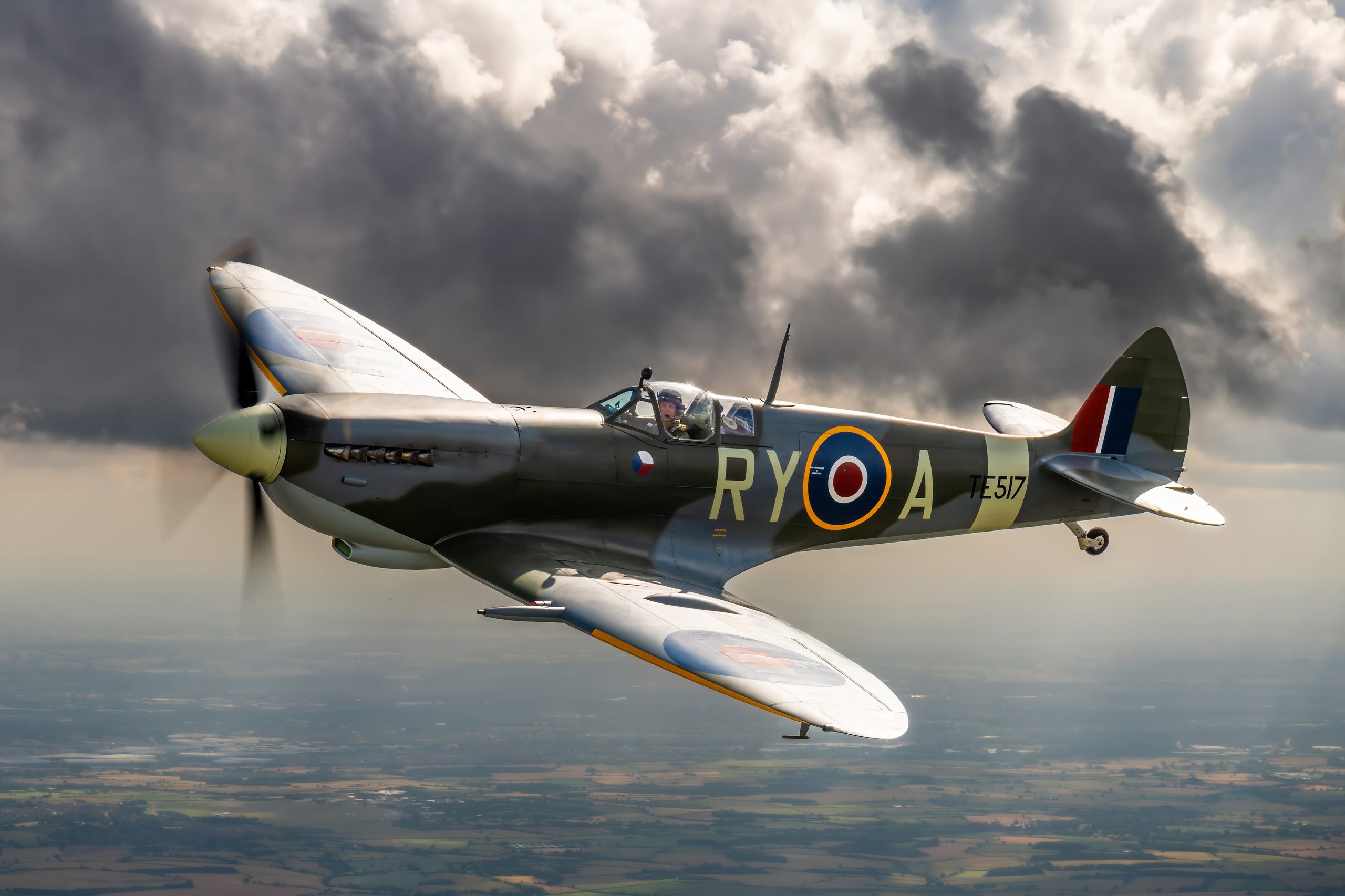
The Aircraft Restoration Company is the principal maintenance and restoration operator on the site, and its list is the best guide to what flies from Duxford. Five Spitfires: N3200, PV202, PL983, PT462 and MH434. Two Hurricanes: R4118 and the Mk IIb BE505, known as Pegs. A Grumman Wildcat, a Hispano Buchón in the Yellow 10 scheme, the Blenheim IF L6739, a Westland Lysander, a Mustang called Tall in the Saddle, a Harvard, a Beaver and a Super Cub. Some are company aircraft and some belong to clients, and not everything the company looks after appears on the list.
The Fighter Collection is still Duxford-based. When IWM opened its maintenance hangar for an evening photography event in March 2026, the aircraft named were the Bearcat, the Wildcat FM2, the P-40F Warhawk, the Hawk 75, the Gladiator II, the Nimrod I and the P-40C. The Old Flying Machine Company and Historic Flying Limited are resident too, the latter as a Spitfire restorer. Hangar 2 is where the airworthy fleet lives, and it is the one building whose contents change from day to day, because the aircraft go out through the doors and come back. Away from the flying side, the Duxford Aviation Society runs the British Airliner Collection, thirteen British-built airliners spanning 1946 to 1985, which the society describes as the largest collection of British-built airliners in the world. You can board them, which makes them a different subject entirely.
For a sense of what a Duxford show puts up, IWM’s flying list for the Battle of Britain Air Show on 12 and 13 September 2026 runs to twelve Spitfires and a Seafire, seven Hurricanes, the Battle of Britain Memorial Flight, Sally B, an Anson, a Swordfish, the Blenheim, a Lysander, three Mustangs, a Bearcat, a P-47D, a Catalina, two Buchóns, a Bréguet Alizé and the Flying Comrades, with the Red Arrows on the Saturday only. That is the list as IWM published it on 26 August 2026, and it moves right up to the day. That is the density the site is known for, and it is why our guide to photographing warbirds in the air keeps coming back to Duxford for examples.
The only airworthy B-17 in Europe
Sally B is the only airworthy B-17 Flying Fortress in Europe. She is based at Duxford, operated by B-17 Preservation, and she is the reason a good many people make the trip at all.
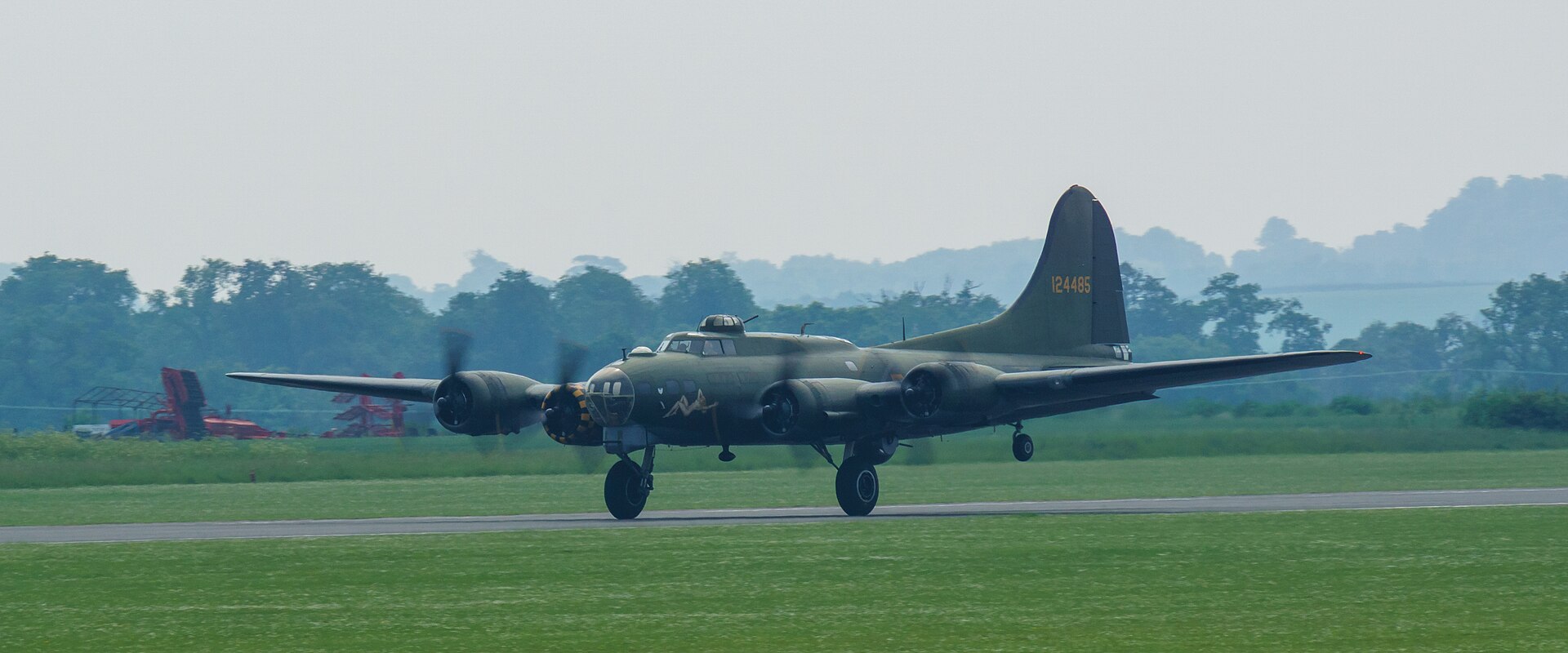
She is also the aeroplane that teaches the lens lesson fastest. Thirty-one and a half metres of span at 150 metres wants about 137mm, and photographers who have spent the morning at 600 on Spitfires lose the outer engines on the first pass. Wind out before she turns in, not after.
Treat her presence as something to check rather than something to count on. Sally B was grounded on 24 May 2023 after wing-spar problems were found on other B-17s, and she was cleared to fly again on 22 June 2023, back in the air the following day. She flew the 2023, 2024 and 2025 seasons and made her first flight of 2026 on 29 May. She is on the Battle of Britain Air Show flying list for September 2026. But an aeroplane that has been grounded once can be grounded again, and airworthiness is a status rather than a permanent fact. If she is the reason you are booking a particular day, read the operator’s programme and the show’s flying list before you book, not after.
The Flightline Walk, and the noon problem
The Flightline Walk is included in every air show ticket and costs nothing extra, which is worth knowing because guides routinely describe it as a premium add-on. It is over half a kilometre of level concrete running along the parked display aircraft, on the airfield side of the crowd line, and those aircraft park on the eastern apron and on the grass north of the grass runway. IWM’s description is the chance to get up close and see the pilots and crew getting ready. In practice that means airframes at a few metres, ground crew working, canopies open and people in flying kit next to aeroplanes they are about to fly.
Then it shuts. The gates stay open until approximately noon, so check the day’s programme for the exact time before you plan your morning around it. Flying starts in the afternoon. The arithmetic is unforgiving: arrive at half past twelve for an afternoon display, as thousands of people sensibly do, and you have missed the only airside access of the day without ever knowing it was there.
The awkward part is what the light is doing while you are on it. At nine in the morning the sun is about 22 degrees up and 35 degrees round to your left. By eleven it has climbed to 36 degrees and moved to dead ahead. By noon it is 41 degrees up and still only 14 degrees off the line. So the Flightline Walk is the close-access window and it falls in the worst light of the day, and it shuts about an hour before the flying starts, which is when the light begins to improve. That is the trade Duxford hands you and it is worth knowing before you plan the morning around it.
The free airside access at Duxford happens in the morning and the gates shut at around noon, an hour before the flying starts. Get there for the Flightline Walk, not for the display, and you will have the best light of the day as well as the closest access.
Grandstand, Gold, and whether they are worth it
Two paid upgrades sit on top of the air show ticket, at the prices they carried on 27 August 2026. The Grandstand is a £25 add-on per person, and children need their own. It is bleacher seating near show centre, between two and four metres above the crowd, and IWM markets it in as many words at photographers looking for the best photo opportunities. The elevation is a real advantage and it is the only elevated crowd-line position IWM sells: it puts you over the heads in front of you and takes the barrier out of the bottom of the frame. There is no wheelchair access and there are steps up. The 10 per cent members’ discount on show admission does not apply to it.
The Gold Experience is £130, the same for an adult and for a child, and as at 28 August 2026 IWM says it has sold out. Saturday Grandstand seating has sold out too, with a limited number of Sunday seats left, and standard parking has gone for the Saturday. It buys a marquee, indoor and outdoor seating, a complimentary programme and VIP parking. Nothing in the description promises a better position on the display line, and it should be read as hospitality rather than as photographic access.
Which is what both amount to. You are buying a seat and a position, and a position is not an angle on the sun. Neither puts you airside during the flying. The only published Duxford equivalent of a photographers’ enclosure is the pair of press pens that come with media accreditation, and accreditation is not something you can buy. IWM also advertises member-only air show areas, but where they sit and what they offer is not published. Between the two, the Grandstand is the one with a photographic argument behind it and the Gold Experience is the one with a chair and a roof.
Book early, because the good ones go first. The Saturday is the Red Arrows day and the Saturday extras go first, so check availability before you settle on a day rather than after.
Inside, and what the architecture tells you
The buildings stand in a line along the north side of the airfield, running east to west, and every one of them faces south onto the flying field. That is the same fact that decides the light on the crowd line, and it does not stop at the doors. Nearest the M11 is Hangar 1, then Hangars 2, 3, 4 and 5 running westwards, then the American Air Museum, and at the far western end the building that used to be the Land Warfare Hall.
IWM publishes nothing about what the light does inside any of them, and it does not need to. The buildings were put up for different jobs in different eras, and a hangar’s structure tells you most of what you want to know before you have walked through the door. A column-free concrete shell with a glazed front wall is one problem. An original Belfast truss hangar with a low timber roof is a second. A working maintenance hangar with the doors open and aircraft coming and going is a third. Read the building and you have read the picture. Our guide to photographing aircraft in museums and hangars covers the general case, and this is the Duxford one.
Hangar 1, AirSpace, and the walkways
Hangar 1 is the big modern shed at the eastern end, the first building you reach and the one closest to the motorway. The museum’s venue hire arm puts its floor at around 12,000 square metres. There are over 30 aircraft in it and twelve of them are hanging from the roof, among them Concorde 101, the Vulcan, the Victor, a Short Sunderland, TSR-2, a Sea Harrier FA.2 and a Lancaster.
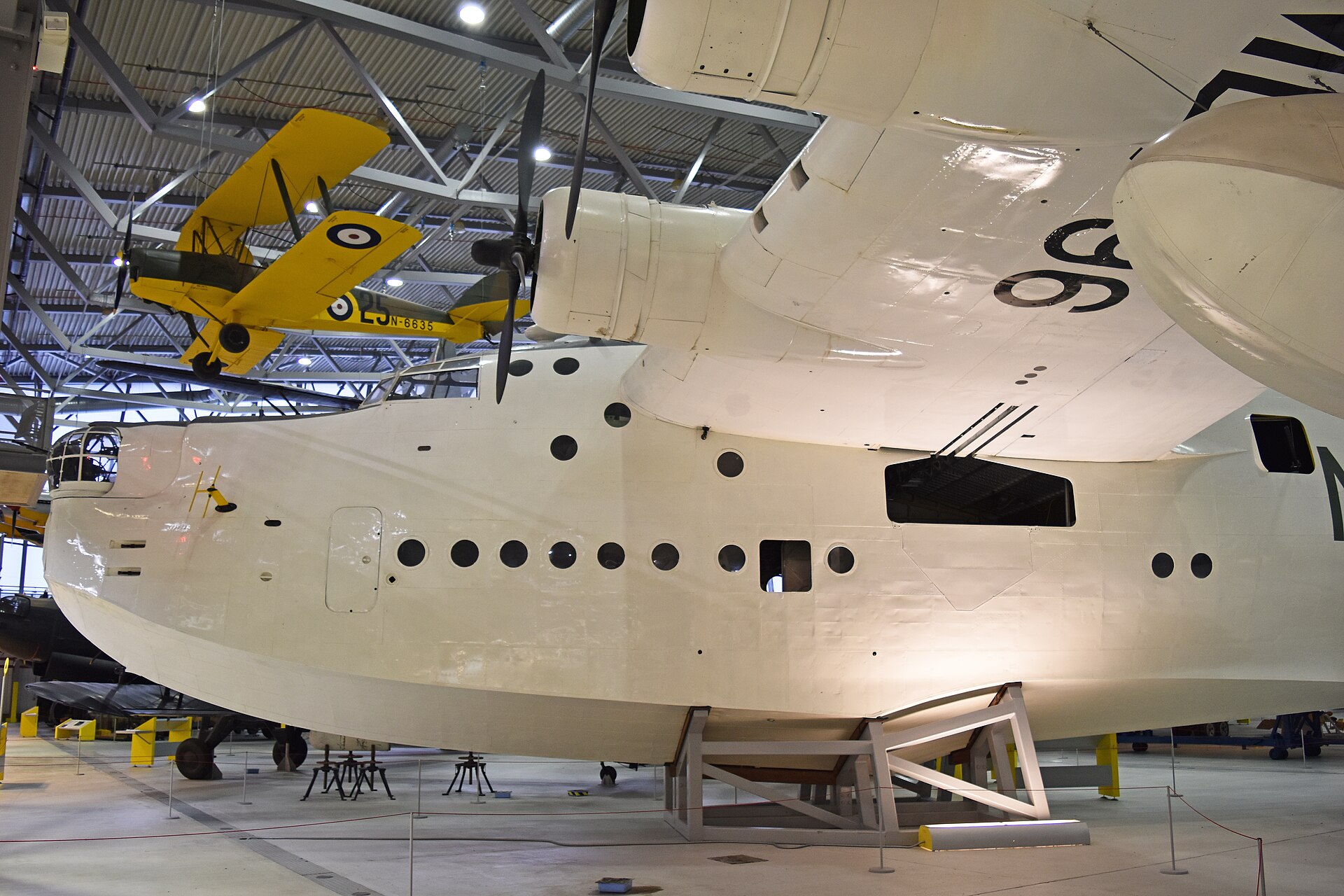
Then there are the walkways, and this is the most useful sentence in this part of the guide. Stairs and walkways run around three sides of the building at height, and that makes Hangar 1 one of only two places at Duxford where you can get above a large airframe and photograph down onto it. Everywhere else on the site you are on a concrete floor looking up at a wing root, which is the angle every other visitor has already taken. From the walkway you get the plan form, the top of the fuselage, the shape of a delta wing as a shape rather than as a thin line, and a background that is roof and floor rather than barriers, panels and the backs of people’s heads. Work each aircraft twice, once from the floor and once from above, and compare them afterwards. The floor version is the record shot. The other one is the picture.
Two things to fit around. Concorde 101 is open from 10:30am to 3pm, hosted by the Duxford Aviation Society, which is a shorter day than the museum’s, so do not leave it until the afternoon has gone. And Airborne Assault, the Parachute Regiment and airborne forces museum, is in the same building and included in your admission, which catches people out because nothing outside suggests there is a second museum in there.
The caveat is the layout. As at 27 August 2026 Hangar 1 is arranged temporarily while IWM works towards a dedicated Cold War and contemporary conflict space, which the museum describes as around five years away. What is parked where in that building is the least stable thing in this guide.
The glass wall that faces the sun
The American Air Museum is a Foster and Partners building, engineered with Ove Arup and put up between 1995 and 1997, and Historic England listed it Grade II* on 7 September 2020. It is a single curved concrete shell, 90 metres wide, 18.5 metres high and 100 metres deep, 6,000 tonnes of it, assembled from 924 precast sections. There are no internal columns anywhere in the volume, which is the reason the aircraft can hang.
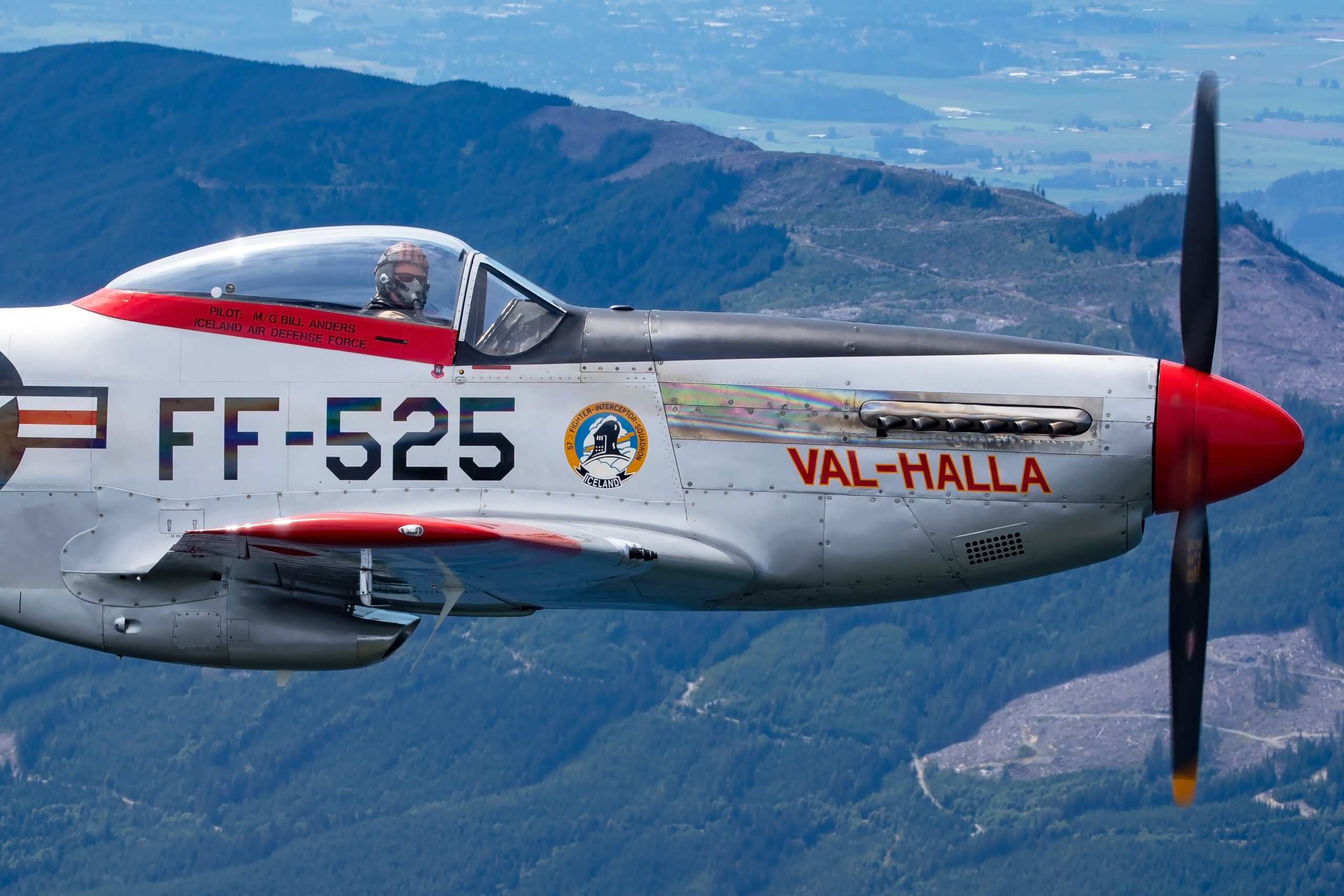
Here is the part that matters when you walk in. The entire front elevation of the building is glass, and it faces south-east across the airfield. Visitors come in at the narrow north-east end, onto a mezzanine. So you enter above the floor with the glass ahead of you, and everything in front of you sits between you and a full height south-facing window. You are walking into the light, with aircraft suspended in it. Any meter reading the whole scene will read that wall and hand you dark aeroplanes against a white rectangle. Meter off the airframe instead and let the glass go, because a blown window and a properly exposed B-52 is the right trade and the reverse is not a picture at all. Then turn round. Working back towards the entrance puts the glass behind you and every aircraft in the building changes character. It is the same room and two different jobs, and the walk between them takes a minute.
There are around twenty American aircraft in the shell, the B-52 filling the floor, the SR-71, a B-17 and an A-10 overhead. IWM describes it as the biggest collection of American military aircraft on public display outside the United States. At the back sits Counting the Cost, a memorial with 7,031 aircraft etched into glass, which is a subject in its own right and a difficult one, because it is glass in a building made of light.
The American Air Museum’s front wall is full height glass facing south and you enter from behind it, so every aircraft inside is backlit on the way in and front lit on the way back. Meter for the aeroplane, not for the room, and walk the building in both directions.
The three original hangars
Hangars 3, 4 and 5 are the original Belfast truss hangars, and all three are listed Grade II*, among the more than thirty listed buildings on the site. The truss is a bowed timber lattice, and what it gives you is a low roof with visible structure in it rather than the high clear span of the sheds at either end of the museum. That changes the frame more than it sounds. The ceiling is in your picture whether you want it there or not once you put a wide lens on, so decide early whether the roof is part of the photograph or something to keep out of it. In these buildings the architecture is the history, and a picture that includes the timber says where it was taken.
Hangar 3 is Working Airfield, and it holds the maritime and naval side of the collection, with Coastal Motor Boat 4 of 1916 and a de Havilland Sea Vixen among the exhibits. Hangar 4 is the Battle of Britain hangar, and it holds Duxford’s own operational story as an RAF station, running from the First World War through to the Cold War with the Battle of Britain material at its centre.
Hangar 5, the westernmost of the three, is Conservation in Action, and it is the one to plan a day around. Live conservation work on large objects goes on there from 10am to 3pm Monday to Friday, which means the same building is a workshop with people in it on a weekday and a static display of the same objects at the weekend. On a weekday you get conservators working under task lighting, hands on metal, tools out and panels off. Nothing else at Duxford offers that. As at 27 August 2026 the projects include Avro Shackleton MR3 XF708, which is IWM’s major conservation job, along with a Crusader II, a Staghound, a Heinkel He 162 A-1, a Jagdpanther, and Valiant and Victor cockpits, plus an engine display with archive photography and film alongside it.
Hangar 2 belongs with these rather than with the museum buildings, because it is not a museum building. It is the Flying Aircraft hangar, a double T2 structure, and it holds the airworthy fleet of the resident operators along with servicing and restoration you can see going on. The contents change daily and aircraft come and go through the doors, so nothing you photograph there is a fixture. Treat it as a different proposition from a static display, which is to say photograph what is in front of you on the day rather than arriving with a list.
The hall that is not there any more
The Land Warfare Hall, at the western end of the site past the American Air Museum, is permanently closed. IWM’s stated reason is that the building can no longer meet the environmental conditions its collections need. Over 80 per cent of what was in it stays within IWM and most of it is expected to reappear in new exhibitions.
That is worth saying plainly, once, because guides written for photographers still list it as a Duxford highlight and still send people to the west end to find it. If your itinerary includes it, your itinerary was written before the closure. Spend the time at that end of the site in the American Air Museum instead.
What is being rebuilt, and when
Duxford is in the middle of a long redevelopment and three dates are published. Hangar 1 is on a temporary layout now, while a dedicated Cold War and contemporary conflict space is worked towards. Hangars 3 and 4 are to become new Second World War exhibitions in 2028. A new conservation and storage facility called The Lab is due for completion in 2029.
Take the obvious conclusion from that. Everything in this part of the guide describes what was in which building on 27 August 2026, and much of it has a stated end date. The Belfast trusses will still be there in 2028 and the American Air Museum is a listed building, so the architecture in this section is the part that lasts. What is parked underneath it is not.
So check the museum’s own visitor map before you set out, and check it again on the day. It names every building and it will tell you whether the hangar you were counting on is open, closed or full of a different collection. The airfield outside does not move and the buildings still face south. Only the contents change, and at Duxford they change often.
Selling what you shoot here
IWM’s flying season terms put it in a single line: “Commercial filming and photography are not allowed without our permission.” What makes it unusual is that it does not leave the word commercial to do the work alone. IWM names examples, and they are modern ones: filming and photography for monetised YouTube channels, and live streaming. The general ticket terms carry a shorter version for the museum as a whole: commercial filming is not permitted without prior permission from IWM.
Here is the part photographers get wrong. You own the copyright in your own photograph. Nobody at Duxford takes it off you and nothing in the terms attempts to. You can still be in breach, because the restriction has nothing to do with who owns the picture. It is about what you agreed to when you bought the ticket. Copyright is one question, the terms you accepted to get in are another, and only the second is a contract.
Two people can take the same frame of the same Spitfire from the same square metre of grass, and what separates them is what they do with it afterwards. Somebody photographing for themselves is not who this is aimed at. The line is drawn at intent and use, not at equipment, and nothing in it turns on whether you carry a 600mm lens or a phone. What matters is what happens to the file afterwards. A stock library, a magazine licence, a print sale, a monetised channel: all of that is on the far side of the line, and permission is meant to come before the invoice.
Plenty of venues write their terms this way. Duxford is clearer than most about it. Our guide to selling prints of your aviation photography covers the wider position on airshow terms.
You keep the copyright in your own Duxford photograph and you can still breach the terms you accepted when you bought the ticket. It is a contract question, not a copyright one, and it turns on what you do with the picture rather than on what you shot it with.
How to ask, and the gap in the published routes
IWM publishes two routes, split on length and purpose. The Press Office route covers work under two hours that relates directly to a current campaign. Complete IWM’s filming request form, send it to press@iwm.org.uk, and expect the office to want seven days’ notice, with exceptions case by case. Anything longer than two hours, or outside an existing partnership, goes to the commercial filming route at filming@iwm.org.uk: documentaries, feature films, commercial shoots. Fees apply and no rate card is published.
Both routes carry the same two requirements. IWM wants a signed copy of its filming contract and a copy of your public liability insurance. Expect to be asked for both, and expect to be steered towards quiet hours, because the advice is that filming happens outside public opening, Monday to Friday before 10am or after 6pm.
There is a third route, and it is the one most photographers should look at first. IWM runs media accreditation for the air shows, and applications for 12 and 13 September 2026 are open. It is photographer-facing in as many words: asked whether a photographer can apply, IWM answers yes, provided you can show proof of assignment from a bona fide media outlet or recent proof of publication. Applications go to press@iwm.org.uk with a published sample of your own work covering a similar event, a commissioning email carrying your editor’s signature or a letterheaded commissioning letter, and audience reach figures. IWM undertakes to answer at least two weeks before the event. Accreditation buys a media centre, early unrestricted access to the Flightline Walk ahead of the public, escorted, and access to two press pens.
Two limits on it are published and both matter. IWM will not accredit uncommissioned freelancers, in those words, so a commission has to exist before you apply. And photographs taken on accreditation are for newsgathering only: IWM’s own answer to whether you can sell them is no, and that licensing them to a publisher needs an agreement with IWM’s Media Licensing team. So the real gap is narrower than it looks, and it is a specific one. There is no published route for an uncommissioned photographer who wants to shoot a Duxford frame for a stock library, and no rate card for it.
Which leaves one course. Write to the Press Office or the commercial filming address, say what you intend to shoot and what you intend to do with it, and ask, well before the day. Do not predict the answer, because nobody outside IWM can tell you what it will be or what it will cost, and this guide will not guess either.
Tripods, flash and drones, and what is not published
The drone position is the settled part, and it is broader than most. IWM’s terms say you cannot use drones or other unmanned aerial vehicles for any reason at or near IWM Duxford, and the advice page adds that you cannot fly one anywhere in the airfield’s airspace. Note the phrasing: this is not a within-the-fence rule. It also sits on a licensed aerodrome, and on display days under a temporary restricted area of 2.2 nautical miles radius from the surface to 4,500 feet. A drone near Duxford on a show day is an airspace matter before it is a museum one.
Height of a different kind is settled too. Ladders and stepladders are prohibited items at air shows. IWM does not name stools in its published list either way, so if you intend to bring something to stand on, ask before you travel. Bags are searched on the way in, and the list runs wider than photographers expect, taking in laser pens, scooters and bicycles, balloons, barbecues and drones. Folding chairs, blankets and windbreaks are fine.
Then there is what is not published, and saying so is more use than filling the gap. IWM publishes no tripod rule for Duxford and no monopod rule, in either direction, indoors or out. It publishes no flash rule. It publishes no photography restriction specific to any named building. Other guides state all three confidently and contradict each other doing it. They are guessing, and another museum’s habits are no evidence about this one.
So ask at the admissions desk on the day, or by email before you travel, and take the answer you are given there. It costs a sentence. Remember too that IWM reserves the right to close public areas at short notice, which on a working airfield in mid-redevelopment is a live possibility.
Getting there, and parking
Duxford sits at Junction 10 of the M11, about eight miles south of Cambridge, with the A505 running through the site. Postcode CB22 4QR. From central London it is under 50 miles, roughly 40 minutes from Junction 27 of the M25. On an ordinary day that is the whole story, and parking is free.
A show day is a different exercise. Parking needs a permit booked with the ticket, motorbikes excepted, and it sells out: Saturday 12 September 2026 permits had gone by 27 August 2026, with limited Sunday ones left. The price was £5 on 27 August 2026 and is worth checking before you book. IWM’s advice for the day is blunt and it is right. Do not follow your satnav on the approach, because the temporary traffic management will not be in it.
By rail the nearest station is Whittlesford Parkway, and from there it is the 7A bus, Monday to Saturday only, or a taxi. On Sundays IWM publishes the 132 from Cambridge instead. Royston and Cambridge both have taxi ranks. IWM publishes no walking route from Whittlesford Parkway and points visitors at the bus or a cab, so do not turn up assuming you can walk it with a bag of lenses. Check that before you rely on it, or budget for the taxi.
For the Battle of Britain show there are free shuttles every 30 minutes from Cambridge station and Trumpington Park and Ride, inbound 8:30am to 1:30pm and outbound 3:30pm to 6:30pm, half an hour from Cambridge and twenty minutes from Trumpington. The Flying Finale on 3 October 2026 runs without shuttle buses. Parking that day is on site and needs no advance booking, but if September taught you to arrive by train, October will not work the same way.
Hours and tickets
The museum opens 10am to 6pm daily, last entry 5pm, closed on 24, 25 and 26 December. On Battle of Britain days the gates open at 8am and the site runs to 7pm.
Admission on an ordinary day changes twice in the space of a month, and both changes land around this guide. Through the summer to 1 September 2026 a UK Government funded offer put the adult price from £25.00. On 2 September it went to £28.60, or £31.50 with the donation. Then on 1 October it comes down again, to the winter prices below, which run to 31 March 2027.
| Ticket | Standard | With donation |
|---|---|---|
| Adult | £26.80 | £29.50 |
| Child 5 to 15 | £13.40 | £14.75 |
| Concession, 65+, student or disabled | £24.10 | £26.55 |
| Under 5 | Free | Free |
So the sequence runs up and then down, which catches people out in both directions. Anyone quoting “about £25 for Duxford” is quoting a summer number that expired on 1 September 2026, and a visitor in September pays £28.60 rather than £25. A visitor in October pays £26.80, which is less than September and more than the summer offer. Prices checked 27 August 2026. There is also a £3 benefits ticket for UK residents on Universal Credit, Pension Credit and certain other benefits, booked online in advance.
Flying day tickets are separate and roughly double: £49.50 adult at the Battle of Britain Air Show, £41.50 at the Flying Finale, advance only, none on the gate. Membership costs £60 a year for one adult, £99 joint, £78 for a one-adult family and £126 for two, and what it buys is worth being precise about. Free entry to Duxford on ordinary days, and to Churchill War Rooms and HMS Belfast. Free entry to the three 2026 Flying Days. But 10 per cent off standard admission is all it gets you at the Summer Air Show, the Battle of Britain show, a Flying Evening or the Finale, and it does not touch the Grandstand add-on. It does not get you into an air show free.
When to go, and what to do before you leave the house
Put the three parts of this guide together and a day builds itself. The sun is in front of you from the moment the gates open, so the morning is not only the access window, it is the best light of the day. On a show day that means the Flightline Walk first, because those gates shut at around noon and the flying does not start until the afternoon. On an ordinary day it means a weekday, because Hangar 5 has conservators at work from 10am to 3pm Monday to Friday and at the weekend the same room is the same objects with nobody in it.
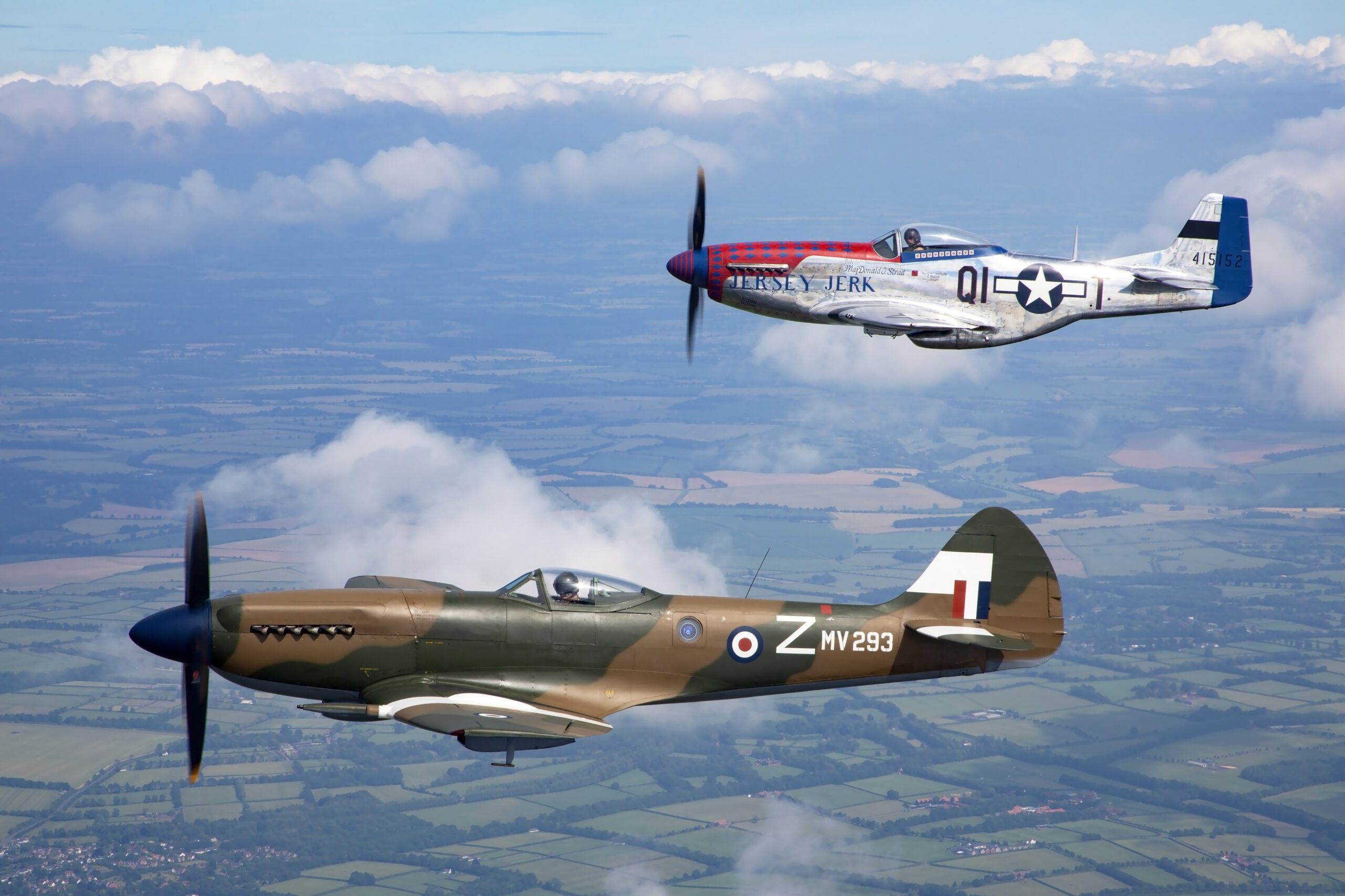
So: arrive early, walk the flightline while the sun is still round to the east, then take the middle of the day indoors while it is high and head-on outside. Hangar 1 for the walkways, the American Air Museum in both directions, the Belfast truss hangars for the buildings themselves. Come back out for the display, accept that its first hour is the hardest, and stay for the last, when the sun has swung west and the airfield starts to look the way people remember it.
Four things before you leave the house. Check the day’s programme, because the Flightline Walk closing time and the display start are the hinges the day turns on. Check the museum’s visitor map, because the hangars are being rebuilt around their contents and what was in a building in 2025 may not be there now. Check whether Sally B is flying if she is the reason you are going, since airworthiness is a status, not a fixture. And ask about tripods at the admissions desk, because nobody has published the answer and the person on the desk has it.
For anyone who wants the photograph without the drive, our own aviation photographs are catalogued in the Piemags aviation archive, and the terms for reproducing one are set out on the licences page.
Questions people ask
Which way does the light fall at Duxford?
Across your view, left to right. The buildings and the crowd line run parallel to the runway, which sits on 058 degrees true, so you look out along about 148, which is south-south-east rather than due south. The sun comes up away to your left, closes to dead ahead in the late morning, and swings right through the afternoon until it passes behind the crowd line and starts lighting the aircraft for you. The awkward part of the day is the late morning, not the afternoon.
What is the worst time of day to photograph a Duxford display?
The late morning, which is the opposite of what most people expect. On 12 September 2026 the sun sits within thirty degrees of dead ahead from 09:25 until 12:45 and is exactly on the line at 11:16, about 38 degrees up. On 3 October 2026 the window runs 08:55 to 12:40, dead ahead at 10:58 and about 29 degrees up. Flying starts around one o’clock at the flagship show, by which time the sun has already moved off the line, and the light improves for the rest of the afternoon. These were computed for this guide from the airfield reference point in IWM’s own airfield manual.
Is a Flying Evening better for photographers than the Battle of Britain Air Show?
Not for the reason usually given. The end of any Duxford flying day is its best light: on 12 September 2026 the sun passes behind the crowd line at about 16:15, and on 3 October at about 16:30, which means front-lit aircraft rather than silhouettes. The flagship show’s own afternoon ends in that light. The mistake is leaving early to beat the traffic, because that means leaving at exactly the moment the light comes good.
What focal length do I need at Duxford?
It depends on the aircraft as much as the distance, and the crowd-to-display-line distance is not published, so match the table to what you can see rather than to a number. Putting the span across the long edge of a full-frame 36mm sensor with about a quarter margin, a Spitfire at 150m wants about 385mm and at 300m about 769mm. A B-17 at the same two distances wants about 137mm and 273mm. On APS-C multiply by 0.67, so a 400mm on APS-C frames like a 600mm on full frame. In practice that means a 400 as a starting point for fighters and something much shorter for the bombers.
How many runways does Duxford have?
Two, and most guides mention one. The hard runway is 06R/24L, asphalt, with 1,199 metres declared usable against a physical strip of 1,448 metres, and displaced thresholds at both 24 ends. Its published true bearing is 058.02/238.04. The grass runway is 06L/24R, whose own bearing is 058.02/238.03, 880 metres by 25 metres, and it sits 150 metres north of the paved one, which puts it between the hard runway and you.
Can I sell photographs I take at Duxford?
Not without asking. IWM’s flying season terms say commercial filming and photography are not allowed without their permission, and they name monetised YouTube channels and live streaming as examples. This is a contract question rather than a copyright one: you keep the copyright in your own photograph and you can still be in breach of the terms you accepted when you bought the ticket. Somebody photographing for themselves is not the target. Somebody uploading to a stock library or selling a print is.
How do I get permission to photograph commercially at Duxford?
Three routes are published, all through IWM. Media accreditation is the one most photographers want: applications for the 12 and 13 September 2026 air show are open, IWM says in terms that a photographer may apply, and it asks for proof of assignment from a bona fide media outlet or recent proof of publication. It will not accredit uncommissioned freelancers, and photographs taken on accreditation are for newsgathering only, with any sale or licence needing an agreement with IWM’s Media Licensing team. The other two are the Press Office for short campaign-related work with seven days’ notice and Commercial Filming for anything longer, both requiring a signed IWM filming contract and public liability insurance. What is genuinely not published is a route for an uncommissioned photographer shooting for stock, and no rate card exists for it.
Can I take a tripod or use flash at Duxford?
IWM does not publish a rule on either, indoors or outdoors, so ask at the admissions desk on the day rather than assume. What is published is that ladders and stepladders are prohibited items at air shows, and bags are searched on the way in. Flying a drone near Duxford on a show day is an airspace matter before it is a museum one.
What is still on at Duxford in 2026?
Two public events. The Battle of Britain Air Show on 12 and 13 September 2026, site open 8am to 7pm, with IWM not publishing the flying times in advance, adult tickets £49.50 and children of 15 and under free with a paying adult, Grandstand £25 and Gold Experience £130, with no tickets on the gate. The Red Arrows are on the Saturday only. Then the Flying Finale on Saturday 3 October 2026, 10am to 6pm, £41.50 adult and £20.75 for a child of 5 to 15, with no shuttle buses. Everything else, including the Flying Evening on 22 August, has already gone. Prices as at 27 August 2026.
Is the Land Warfare Hall still open?
No. It is permanently closed, and IWM’s stated reason is that the building can no longer meet the environmental conditions required to keep its collections safe. Over 80 per cent of what was in it stays within IWM and will mostly reappear in new exhibitions. Guides online still send photographers to it.
Which hangar is best for photography?
AirSpace, Hangar 1, if you want an angle nobody else has. It runs to around 12,000 square metres with over 30 aircraft in it, twelve hanging from the roof, and stairs and walkways run around three sides at height, which makes it one of only two places on the site where you can photograph down onto a large airframe. The other is the American Air Museum, where you come in at the narrow north-east end onto a mezzanine that overlooks the B-52, with the entire front elevation glazed and facing south-east across the airfield.
Is Sally B still flying?
Yes. She was grounded on 24 May 2023 after wing-spar problems were found on other B-17s, cleared to fly again on 22 June 2023 and back in the air the following day, and she flew the 2023, 2024 and 2025 seasons. Her first flight of 2026 was on 29 May. She is the only airworthy B-17 in Europe, and airworthiness is a status rather than a permanent fact, so check the flying list before building a trip around her.
Sources and further reading
- Imperial War Museums, IWM Duxford visitor information, opening hours, admission and what is on. iwm.org.uk
- Imperial War Museums, Duxford flying season and air show terms and conditions, including the restriction on commercial filming and photography. iwm.org.uk
- Imperial War Museums, filming and photography enquiries, the press and commercial filming routes. iwm.org.uk
- Imperial War Museums, Battle of Britain Air Show 2026. iwm.org.uk
- Imperial War Museums, the Land Warfare hall closure and the reason given for it. iwm.org.uk
- Historic England, listing entry for the American Air Museum, Grade II* listed December 2020. historicengland.org.uk
- SkyVector, aerodrome data for Duxford including runway dimensions and surface. skyvector.com
- NATS UK, UK Aeronautical Information Publication, Duxford aerodrome entry. nats-uk.ead-it.com
- The Aircraft Restoration Company, the resident operator at Duxford. aircraftrestorationcompany.com
- B-17 Preservation, Sally B, her operating history and current status. sallyb.org.uk
- South Cambridgeshire District Council, planning material describing the museum buildings and their orientation to the airfield. scambs.moderngov.co.uk
- Duxford Aviation Society, the civil airliner collection and Concorde 101. britairliners.org
