Selling aviation prints is a business rather than a hobby with a payment button, and two things cost photographers money: pricing from what feels comfortable to ask rather than from the lab invoice, and assuming that a print made to order is exempt from the customer’s right to send it back. This guide covers the routes to market and what each one takes, how to price a print from cost upwards, what a limited edition has to say to mean anything, and where the law actually sits on returns, VAT and what you may sell.
What is on this page
- What this guide covers
- The four routes, and what each one takes
- The question that separates them
- Pricing without guessing
- Open editions, limited editions, and what makes a limit real
- The fourteen days, and the exemption that probably does not apply to you
- When a print arrives damaged, late, or not as described
- VAT, the trading allowance, and when a hobby becomes a trade
- Getting it there in one piece, and what changed at the border
- What you may actually sell
- A sensible order to do this in
- The mistakes that cost money
- Questions people ask
What this guide covers
This is the business side of selling prints of your aviation photography. Where you sell, what each route takes out of the price, who counts as the seller when something goes wrong, and what you are entitled to sell at all. That last question has more edges in aviation than in most subjects, because the aircraft belongs to somebody and the ticket that got you through the gate may have said something about it.
It does not cover the making. Paper stocks, colour management, soft proofing and choosing a lab on the quality of its output are worth a guide of their own, and this is not that guide. Where a lab or a platform is named here, it is named for its commercial structure and nothing else.
Nor does it cover licensing, which is a different business with different economics. For that, see the guide to licensing your aviation photography for stock from the seller’s side, or the buyer’s guide to aviation image licensing for what the person paying is deciding.
Two things cost photographers real money here. The first is pricing badly, usually by costing the print and forgetting everything around it. The second is misunderstanding what you owe a customer who wants to send a print back, which is where a comfortable margin quietly turns into a loss.
If you are still working out which of your images deserve printing at all, our guide to building a portfolio that sells covers which pictures work on a wall. This one covers the business of selling them. Everything below is general information, current at August 2026; rates and rules move, and your own position is yours to check with somebody qualified.
The four routes, and what each one takes
There are a great many print platforms and only four real shapes. You can run your own shop front with a lab behind it. You can put a shop front in front of a white-label fulfiller. You can hand the whole thing to a print-on-demand marketplace. Or you can order from a UK professional lab, finish the print yourself and post it. The differences that matter are who sets the price, what comes out of it, and who ends up holding the customer’s email address.
The first shape is where most working photographers end up. PhotoDeck sells websites to photographers with a print catalogue built in, and its e-commerce tiers start at £19 a month, with a fourteen-day trial that does not ask for a card. It takes no commission on sales at all, which among the storefront options here it shares only with Squarespace’s Core plan and above. The customer pays through your own Stripe or PayPal account, the money lands in full, and the lab invoices you afterwards. PhotoDeck publishes integrations with WHCC in the United States, WhiteWall in Germany and One Vision Imaging in Coventry, and any lab willing to open a free lab account and take orders by email can be added. A live store built this way offers one image as a bordered print, a metallic print, a giclee, a canvas wrap or a framed piece, in sizes from 5×3.5 inches up to 45×30.
The same shape can be built on a general website platform. Squarespace’s UK plans run £12, £17, £29 and £79 a month on annual billing, and the 2 per cent store transaction fee on the entry plan disappears above it, so £17 a month buys a shop that takes nothing per sale. Shopify Basic is $29 a month on annual billing, with no Shopify transaction fee if you use Shopify Payments and 2 per cent if you bring your own gateway. Card processing sits on top in both cases, and these figures are as at August 2026.
The second shape puts the printing, packing and posting with a white-label fulfiller while you keep the shop front. Prodigi charges no commission and requires no subscription: you take the full payment at the point of sale and are invoiced separately for manufacturing, shipping and VAT where it applies. Its smooth art paper starts from £2.24 before tax and shipping. An optional Prodigi Pro subscription discounts product prices, and neither its price nor the size of the discount is published outside a logged-in account, so treat any figure you read for it with suspicion. Gelato works the same way, with a free tier and an optional Gelato+ at $19.99 a month on annual billing for discounts of up to 33 per cent on products. Point101 in the UK publishes something the others do not, a price list for the finishing itself: hand embossing or numbering at £3.00, signing before despatch at £3.00, a delivery note at 25p and order processing from £2.50, all including VAT. That is what it costs to have somebody else sign and number your edition. WhiteWall will send parcels in neutral packaging so the buyer never learns who printed it.
The third shape is the print-on-demand marketplace, and it is the one where you stop being a shopkeeper. Fine Art America sets a base price for each product and you add a markup on top; whatever you set as the markup is exactly what you earn, and its premium membership costs $30 a year. Redbubble looks similar and is not. You set a markup percentage over a base price, defaulting to 10 per cent, and then an account-tier platform fee comes off your monthly earnings. Redbubble’s Standard tier levies the highest headline platform fee of any platform examined here, 50 per cent of monthly earnings, capped at £150 per payment period; Premium is 20 per cent and Pro is nothing. A markup above 20 per cent triggers a further excess markup fee. A tenth of a base price, halved, is a thin slice of a cheap product, and Redbubble is a merchandise play rather than a fine-print one.
Society6 has gone further. On 18 March 2025 it removed the artist’s ability to set a markup at all, the only platform examined here to have done so, and it now pays a fixed markup on the base price it sets: 10 per cent on art prints, framed art prints, recessed framed prints, posters, wall tapestries and pillows, and 5 per cent on everything else. A separate 5 per cent of the net sale applies to trade, wholesale and marketplace orders. So a print seller is on the higher of the two rates, but on a base price somebody else sets. Every comparison article still telling you to set your own markup on Society6 has been wrong since March 2025, which is a fair warning about how quickly this material goes stale. Displate, which prints metal posters, also sets its own prices, and pays out at a $50 minimum.
The fourth shape is the oldest and least fashionable. You order from a UK professional lab at retail, sign the print, sleeve it, box it and take it to the post office. It scales badly, and it is the only route where you touch the object. theprintspace is the only UK professional lab examined here that publishes a complete size-by-size price list, in both VAT-exclusive and VAT-inclusive form, without requiring an account: A3 giclee at £13.11 before VAT and £15.73 with it, A2 at £25.32 and £30.38, 20×24 inches at £32.68 and £39.22, with C-type prints cheaper at every size: £19.96 before VAT for an A2, £23.95 with it. Loxley Colour, DS Colour Labs and One Vision Imaging are trade-oriented and gate their pricing behind an account, so the comparison you want is one you have to open an account to see.
| Route | Who fulfils | Who sets the price | What it costs you | Who owns the customer |
|---|---|---|---|---|
| Your own storefront, lab behind it | A lab you choose: WHCC, WhiteWall, One Vision Imaging, or any lab that opens a free lab account | You, including any margin you take on shipping | PhotoDeck e-commerce from £19/month, 0% commission. Or Squarespace Core £17/month annual, 0% store fee; Shopify Basic £25/month, or £19/month on annual billing, UK pricing checked August 2026. Payment processing on top | You |
| White-label fulfilment behind your shop front | Prodigi, Gelato, WhiteWall or Point101 | You. You take full payment; the fulfiller invoices you afterwards | Prodigi: no commission, no subscription, wholesale plus shipping plus VAT; art paper from £2.24 ex tax. Gelato+ optional at $19.99/month annual. Point101 finishing add-ons, signing before despatch £3.00 inc VAT | You |
| Print-on-demand marketplace | The platform’s contracted manufacturers | Fine Art America sets the base, you add the markup. Redbubble: you set a markup percentage. Society6 and Displate set the price outright | Fine Art America premium $30/year, its margin sits inside the base price. Redbubble Standard tier 50% of monthly earnings, capped £150 per payment period. Society6 pays a fixed 10% of the base price on an art print. Displate pays out at a $50 minimum | The platform |
| Hand-finished through a UK pro lab | The lab prints; you sign, pack and post | You | Retail print cost: theprintspace A2 giclee £25.32 ex VAT, £30.38 inc VAT. Packaging and postage on top | You |
One detail that catches British sellers and appears in none of the comparison articles: the currency your store quotes in is a decision, not a default to be lived with. Platforms of this kind let you set prices in your own currency, and a store left on whatever it arrived with will quote dollars to a domestic audience. A buyer in Lincolnshire who wants a print of a Lancaster should not have to open a converter to find out what it costs. The same thought applies to your payout currency, because listing in one currency and being paid in another attracts a conversion charge: on Etsy that is 2.5 per cent, as at August 2026. Set the display currency before you set anything else.
The question that separates them
Comparisons of these routes almost always stop at the commission rate, because that is the part which fits in a table. It is also the part that matters least once a print arrives with a corner crushed. What actually separates the four routes is who is the seller, and it separates them because of one provision of the Consumer Rights Act 2015.
The Act puts the risk in the goods on the trader until they come into the consumer’s physical possession, or that of somebody the consumer has identified. The only exception is where the consumer arranged their own carrier, which practically never happens with prints. So the print bent in transit is not a question about couriers, or about who packed it, or whose name is on the box. It is a question about who the seller is.
On a print-on-demand marketplace the platform is the seller and carries it. Fine Art America is explicit about the shape of that: a buyer can return an order to Fine Art America within 30 days of the order date and it issues a full refund for the entire purchase price as soon as the item arrives back. It is their return window, their refund and their reprint. You lose the sale. You do not lose the print, the postage and an afternoon. That, and not the commission table, is what you are buying when you accept 5 per cent on an unframed art print or a 50 per cent platform fee.
Sell the same image through your own shop front with a white-label fulfiller behind it and the answer inverts completely. You are the seller. The customer’s contract is with you, and the print is at your risk until it reaches their hands, even though you never touched it and could not have prevented anything that happened to it. Prodigi’s own position splits along exactly the line the law draws. It will reprint or refund an order that arrives damaged, on receipt of photographs of the item and its packaging, and anything that goes wrong through Prodigi’s error is handled at Prodigi’s expense. A customer who simply changes their mind is a different matter, and that refund is at your expense. Manufacturing faults and transit damage sit with the fulfiller. The consumer’s statutory cancellation right sits with you, and that is the half every guide leaves out.
The storefront route carries the same answer with a wrinkle worth knowing about. PhotoDeck describes its own role as forwarding orders for fulfilment on your behalf, and the lab bills you rather than the customer. Its help text sensibly suggests that a customer with a problem contacts the lab directly, because the lab holds the file and the printer. That is an operational convenience and nothing more. In law your customer’s contract is with you, and a lab that declines to reprint has not made the problem go away. Etsy sits in the same place for the same reason: it looks like a marketplace and behaves like one, and you are still the seller of your own goods on it.
Work that through the four routes and the ranking changes. A marketplace taking a large share of a small price is also absorbing every crushed corner, every lost parcel and every buyer who decided the frame was the wrong colour. Your own storefront, taking nothing per sale, hands all of that to you. That is not an argument against running your own shop, which remains the only way to own the customer. It is an argument for pricing as though a proportion of every batch will come back.
The route that looks cheapest on commission is not the cheapest route if it hands you liability you have not priced for. Decide who is the seller before you compare the percentages, because that answer decides who pays for the print that arrives bent.
Pricing without guessing
Most photographers arrive at a print price by finding someone else’s price and knocking a bit off it. That is not pricing, it is flinching, and it is how you end up working for the lab. The alternative takes an afternoon with a calculator and holds up for years, because it starts from what the print costs you to put in a buyer’s hands and only then asks what you want to earn.

The stack, in the order you pay it
Total everything before you think about margin. The print is the lab invoice. Then the mount, backing board, sleeve, tube or stiffener, whichever your format needs. Then packaging that survives the post, which is not the same thing as packaging. Then postage. Then the payment processor’s percentage, which is charged on the whole transaction including the postage you collected. Then the platform’s take, whether that is a commission on the sale or a monthly fee you have to spread across however many orders you shipped that month. Then the time an order costs you, from the email that asks whether the aircraft is a Mk IX to the walk to the post office.
Two of those have no published price and never will. Nobody publishes what a tube and a stiffener cost, because it depends on your format and your supplier, so price your own and put the figure in the stack. Nobody publishes a benchmark for a photographer’s time either. Leave the line in and fill it yourself rather than pretending it is zero.
One A2, costed from the lab invoice to the shelf
theprintspace is the only UK professional lab that publishes a complete size by size price list without an account, so its figures are the ones a reader can check. As at August 2026 an A2 giclée is £25.32 before VAT and £30.38 with it. Royal Mail’s small parcel rate to 2kg, in force since 7 April 2026, is £4.25 second class, and retail postage carries no VAT. theprintspace’s own recommendation, published in March 2024, is a profit margin of 40 to 80 per cent. It does not say what that percentage is a percentage of, and the two readings are far apart: taken as a markup on production cost, which is how the worked example below uses it, an A2 lands around fifty to sixty pounds, while taken as a margin on the selling price it lands nearer sixty to a hundred and seventy. Decide which you mean before you use anybody’s recommended band. Note where that advice comes from: a lab does well when you sell at a healthy margin and keep ordering, so read the band as an interested party’s view rather than a neutral one.
| Line | Amount | Where the figure comes from |
|---|---|---|
| A2 giclée print | £30.38 | theprintspace published list including VAT, August 2026 |
| Tube or board, sleeve, tape, label | your own figure | no published price exists; price it yourself |
| Postage, small parcel to 2kg, second class | £4.25 | Royal Mail rates in force from 7 April 2026, no VAT |
| Cost you can price from published figures | £34.63 | the print and the postage |
| Shelf price at 40 per cent on production cost | £48.48 | bottom of theprintspace’s recommended band |
| Shelf price at 80 per cent | £62.33 | top of the same band |
| Etsy transaction fee, 6.5 per cent of £62.33 | £4.05 | charged on item price plus postage plus gift wrap |
| Etsy payment processing, UK bank account | £2.69 | 4 per cent plus £0.20 |
| VAT on those fees, if you are not VAT registered | £1.35 | Etsy adds 20 per cent to its own fees |
| Left after the lab, the post and the platform | £19.61 | before packaging, listing fees and your time |
Run the same arithmetic at the bottom of the band and the print sells for £48.48 and leaves you £7.50. The work is identical. The packing is identical. The trip to the post office is identical. The difference between the two ends of one lab’s own recommended margin band is £12.11 an order, and the only thing that changed was the number on the listing.
The costs that are not the print
Photographers cost the print and forget the rest, and the rest is where the money goes. Etsy’s listing fee is $0.20 and renews every four months whether the print sold or not, so a catalogue of two hundred images carries a standing charge before anyone buys anything. Offsite Ads take 15 per cent on top, and once a shop passes $10,000 in annual sales that becomes mandatory and permanent at 12 per cent. Etsy’s transaction fee is charged on the postage as well as on the item, which is the part people miss, and its own fees carry VAT on top. The worked example above runs the whole stack through on a real number.
A monthly platform fee behaves differently and has to be spread. PhotoDeck’s Standard plan is £19 a month with no commission on sales; Squarespace Core is £17 a month on annual billing with no store transaction fee. Ten orders in a month turns that £17 into £1.70 an order. Two orders turns it into £8.50, which is more than the postage. Divide by the orders you actually shipped, not the orders you hoped for.
One more decision that quietly costs money: the currency your store quotes. A store left on its platform’s default will quote dollars to a British buyer looking at a British photographer’s British aircraft. That is a setting, not a fact of life.
Where the published prices sit
Two aviation print prices are published in a form anyone can check, and two prices are not a market survey. The RAF Museum Shop sells Philip E. West’s Spitfire Patrol at £195 for a 28 by 20 inch print, which is aviation art rather than photography, and the product page does not state an edition size or whether the print is signed. ArtPhotoLimited’s UK aviation photography category runs from £89 to £551, with most standard prints between £89 and £134 and the top figure framed. Both checked in August 2026.
Those are the ends of a range, not a typical price, and there is no published price list from a named working UK aviation photographer to fill the space between them. Which leaves you with the cost stack, and that is the better instrument anyway. A price built from your own costs and your own position survives a conversation with a buyer. A price copied from a stranger’s website cannot be defended, because you do not know what it was built from.
Underpricing does not buy sales. The £48.48 print and the £62.33 print take the same afternoon to fulfil, and the cheaper one has to sell more than twice as often to earn the same money. What a low price does reliably is set the ceiling for everything you sell afterwards, because the buyer who paid £48 for an A2 will notice when the next one is £90.
A licence and a print come off the same frame
The same image can earn twice, and the two products have almost nothing in common economically. A print is a physical object with a lab invoice, a courier, a cancellation right and a margin measured in pounds. A licence is a permission with no unit cost at all, where the second sale costs you what the tenth costs you, which is nothing. Some storefronts put both buttons on the same image page for exactly this reason. Price them separately and never let one anchor the other: read our guide to licensing your work for stock for how the other half works.
Open editions, limited editions, and what makes a limit real
An open edition is a print. You sell as many as people want to buy, for as long as you want to sell them, and the buyer gets a good object at a fair price with no promise attached. A limited edition is a print plus a promise: this image, at this size, will exist in this many copies and no more, and the promise is what the buyer is paying the difference for. Nothing published quantifies that difference, so treat any figure you are given for it as somebody’s guess.
What the edition statement has to say
An edition is credible when it can be tested, and most cannot. The size has to be stated publicly and in advance, as a number, before anyone buys. “Limited edition” on its own is a marketing word: ArtPhotoLimited asserts that every image in every collection is a limited edition and publishes no edition sizes anywhere, which tells a buyer precisely nothing.
The statement then has to answer three more questions. Does the number cover the image across every size, or does each size carry its own edition? Both philosophies exist in the market and they give very different answers, so silence on the point is not neutral. Do artist’s proofs sit inside the number or outside it, and how many are there? The convention caps proofs at about 10 per cent of the edition, and proofs that were once held back now routinely reach the market, so an undisclosed proof run silently inflates the edition the buyer thought they were joining. And what happens when it sells out? Say so in advance, in writing, and then do that.
On size, editions of five to fifteen prints sit at the collectible end and fifty to a hundred are accessible and correspondingly less scarce. There is one hard number in official UK material, and it is worth borrowing: HMRC’s definition of a photographic work of art requires a signed and numbered photograph limited to 30 copies, printed by the artist or under the artist’s supervision. That is a customs valuation rule and not a rule about what may be called a limited edition, but an edition of 30 or fewer is defensible against a standard nobody can argue with.
The promise that gets broken quietly
A photographer who sells out an edition of 25 at A2 and then issues the same image at A1 has broken the promise in substance, whatever the wording allowed. The buyer bought scarcity of the picture, not scarcity of a paper size, and they will read the new listing as exactly what it is. If you intend to edition by size, say so on the first listing, in the certificate, and in the same words every time. Deciding after the fact that your wording permitted it is the manoeuvre that ends a reputation in a small community, and aviation photography is a small community.
There is no UK law requiring a certificate and none requiring any particular edition practice. There is a law against misleading people, and describing an unlimited run as a limited edition is misleading whether or not a certificate was ever issued.
Signing, numbering and what the certificate says
Number in the conventional form, 3/25, in pencil, and sign consistently. If the lab despatches on your behalf you can buy the operation as a service: Point101 publishes hand embossing or numbering at £3.00, signing before despatch at £3.00, a delivery note at £0.25 or £0.50 in Etsy format, a stored insert at £1.00, multiple inserts at £2.00 and order processing from £2.50, all including VAT as at August 2026. That is the only published UK price for signing and numbering as a fulfilment service, and it belongs in the cost stack above rather than being absorbed as goodwill.
A certificate is worth issuing because it carries the facts the buyer cannot reconstruct later.
| The certificate should carry | Why it matters later |
|---|---|
| Your full name and signature | Ties the print to a person, not a shop |
| Title, creation date and print date | Separates when the frame was shot from when this copy was made |
| Edition number and total edition size, as 1/25 | The promise, in the form it can be checked in |
| Dimensions | Settles whether the edition was by image or by size |
| Medium, paper and printing process | Lets a future owner match a reprint or a replacement |
| A unique serial number | Distinguishes this certificate from a copy of it |
| A statement of authenticity and a copyright declaration | States what was sold and what was not |
| Issuer contact details | Someone has to be reachable in twenty years |
Holographic seals, serialised codes and registration services such as Verisart and Artory sit on top of that if you want them. None of it substitutes for the discipline underneath: a stated number, an honest count of proofs, and a policy you can recite the same way in August as you did in January.
An edition limit is a promise to a buyer, not a marketing device, and it is only worth what your willingness to keep it is worth. State the number, count the proofs, say what happens when it sells out, and then never quietly revisit it.
The fourteen days, and the exemption that probably does not apply to you
Sell a print to a consumer at a distance, which means online, by email, by telephone or by post, and the Consumer Contracts (Information, Cancellation and Additional Charges) Regulations 2013 give your buyer fourteen days to change their mind. Regulation 29 puts it about as plainly as legislation manages: the consumer may cancel without giving any reason, and without incurring any liability. Regulation 30 starts the clock on delivery, not on the order. Nothing need be wrong with the print.
The mechanics matter as much as the right. Regulation 34 gives you fourteen days to refund once the goods come back, and lets you deduct for diminished value where the customer handled the print beyond what is needed to inspect it. That is a narrower allowance than most sellers assume. Regulation 35 decides who pays the return postage, and it turns on disclosure: the consumer bears it only if you told them so in advance. Fail to tell the buyer about the cancellation right at all and the fourteen days can extend by up to twelve months, which turns a missing paragraph on a terms page into a year of open-ended returns.
Now the exemption every photographer reaches for. Regulation 28(1)(b) takes the cancellation right away for the supply of goods that are made to the consumer’s specifications or are clearly personalised. Prints are printed when they are ordered. The inference looks obvious, and print-shop returns policies across the internet have drawn it.
The guidance says otherwise, and it is the guidance a Trading Standards officer would reach for. Business Companion, the service backed by the Chartered Trading Standards Institute, gives the exemption’s examples as a made-to-measure suit or pair of curtains, or a gift with the recipient’s name engraved on it. It then draws the line explicitly. The exemption does not apply to items made to a customer’s specification simply by combining stock items, and its examples are a computer put together from stocked parts and a car ordered from a fixed menu. Behind that sits the definition in the Consumer Rights Directive, from which regulation 28 was transposed: non-prefabricated goods made on the basis of an individual choice of or decision by the consumer. And behind that sits a principle of construction. An exception to a protective right is read narrowly.
A print ordered by choosing an image from your gallery, a size from your list and a paper from your two or three options is, on that reading, a fixed menu of stock items. That the machine only runs when the order arrives is a fact about your production line, not about the buyer’s involvement in the specification.
What would be likely to fall inside the exemption looks different in kind: a print made from an image the customer supplied, a print carrying their name or an aircraft registration or a squadron or a dedication, a size measured to a frame they already own. Individual specification, rather than selection from a menu.
Where that leaves you needs saying carefully, because the answer is not a clean one. The guidance points strongly towards catalogue-ordered prints sitting inside the fourteen-day right. A print personalised in fact, to that buyer, is likely to sit outside it. No UK court has decided the question on facts like these, so nobody can tell you how a judge would rule on your particular product. The safe working assumption, and the one to build a business on, is that the right applies.
One case gets dragged into this argument and should be sent back. In Möbel Kraft, Case C-529/19, decided on 21 October 2020, the Court of Justice held that where goods are made to the consumer’s specifications the trader may rely on the exclusion from the outset, whether or not production has started. That answers when the exclusion bites. It does not answer whether your product is inside it, which is the only question anyone selling prints has. Where the case is cited in print guides, it is cited for a proposition it does not contain.
So write the returns policy that assumes the right applies, and put the number in your pricing. Tell the buyer about the fourteen days and about who pays the return postage, before they pay rather than in an email afterwards. If you sell personalised work alongside catalogue work, say which is which in your terms. A returned print costs you the print, the postage both ways and the packaging. That is a cost you can carry at a planned percentage of orders, or absorb by surprise.
Treat the fourteen-day cancellation right as applying to every catalogue print you sell at a distance, because the guidance points that way and no court has said otherwise. Disclose it properly, and price a return provision in rather than arguing about it later.
When a print arrives damaged, late, or not as described
The Consumer Rights Act 2015 governs the goods themselves. What you sell must be of satisfactory quality, meaning the quality a reasonable person in the buyer’s position would think satisfactory, judged against the description, the price and any public claims you have made. It must be fit for any particular purpose the consumer made known to you. And it must be as described, where the description takes in the information you were obliged to give under the Consumer Contracts Regulations. That last point catches lateness. A dispatch time on your product page is not a marketing flourish. It is information you were required to give, and it becomes part of what you promised.
When something is wrong, the buyer has a short-term right to reject for a full refund, running for thirty days from the day after delivery. After that the remedies tier: first a free repair or replacement, unless that is impossible or disproportionate, then a price reduction or a final rejection if the replacement fails or causes significant inconvenience. A fault appearing in the first six months is assumed to have been there at delivery, and it is for you to prove otherwise. The right to a remedy runs for six years in England, Wales and Northern Ireland, and five in Scotland.
Then there is section 29, which decides the transit argument. The goods stay at the trader’s risk until they reach the consumer’s physical possession, or that of somebody the consumer has named. The exception is where the consumer arranged their own carrier, which with prints is rare. Part one of this guide works through who the trader is on each route. The obligation itself does not move: whoever is the seller carries the crushed corner, and no arrangement with a lab changes what the buyer is entitled to.
Practically, that turns into record keeping. Keep the order, the specification, the dispatch date and the tracking, because a claim you cannot evidence is a claim you pay for yourself. Keep a copy of the terms in the form the buyer saw them, since a dispute about disclosure is a dispute about what your page said on the day. A lab handling a transit claim will want photographs of the damaged print and of the packaging it arrived in, so ask the customer for both in your first reply rather than your third. The packaging photograph is the one people forget and the one that decides the claim, because it shows how the print was protected when it left.
VAT, the trading allowance, and when a hobby becomes a trade
The UK VAT registration threshold is £90,000 of taxable turnover, a level that took effect on 1 April 2024 after seven years frozen at £85,000. The deregistration threshold is £88,000. Guides still quoting £85,000, including a VAT page written for artists, are more than two years out of date. Above the threshold you register, and the rate on a photographic print sold in the UK is the standard rate of 20 per cent.
There is no reduced rate and no zero rate on a domestic print sale, whatever the artist forums say. The 5 per cent figure that circulates is real, but it is an import valuation mechanism rather than a selling rate. Works of art brought into the country are valued at a reduced figure, and the standard 20 per cent applied to that reduced figure comes out at an effective 5 per cent. The photographic qualification is narrow: a signed and numbered photograph in an edition limited to thirty copies, taken by the artist and printed by the artist or under their supervision. None of it lets a UK photographer charge 5 per cent on a sale to a UK customer. A photographer who does is under-declaring, and the shortfall is theirs.
At the other end sits the trading allowance, which exempts up to £1,000 a year of self-employment and casual income. Earn more than that from prints and you register for Self Assessment by 5 October following the end of the tax year. Partial relief lets you deduct the £1,000 instead of your actual expenses, which is worth doing while your costs are small. The claim that you can now earn £3,000 tax-free is wrong twice over. The £3,000 figure is a Self Assessment reporting threshold, announced in March 2025 and due within this parliament or by the end of 2029, so it is not in force. It would not raise the trading allowance either, which stays at £1,000. Tax is still due between the two figures. What would change is the form the reporting takes.
Whether your print income is a trade at all is decided by the badges of trade, the nine factors HMRC sets out in its Business Income Manual at BIM20205. They are not a test to be passed but an overall impression to be formed, and no single badge is conclusive.
| Badge | What HMRC is looking at |
|---|---|
| Profit-seeking motive | An intention to make a profit supports trading, but by itself is not conclusive |
| The number of transactions | Systematic and repeated transactions support a trade |
| The nature of the asset | What the thing is, and whether it is the sort of asset held for trading |
| Similar trading transactions or interests | Transactions similar to those of an existing trade may themselves be trading |
| Changes to the asset | What was done to the asset to make it saleable |
| The way the sale was carried out | Whether it was conducted the way a trading sale would be |
| The source of finance | How the activity was funded |
| Interval between purchase and sale | How long the asset was held |
| Method of acquisition | An asset acquired by inheritance or gift is less likely to be the subject of trade |
For a photographer the ones with teeth are the first, the second, the fourth and the sixth. A shop front, a published price list, repeat sales and an existing photographic trade all point the same way. What that means for you is a question for your accountant, not for a blog post.
Making Tax Digital for Income Tax is live and almost no print guide mentions it. Sole traders with qualifying income over £50,000 for 2024/25 were mandated from 6 April 2026, which means quarterly digital reporting instead of one return a year. The threshold drops to £30,000 of 2025/26 income from 6 April 2027, and to £20,000 of 2026/27 income from 6 April 2028. Print income counts towards qualifying income, so prints can push a photographer over a threshold their day rate alone would not have reached.
Finally, the question that comes up whenever anyone signs and numbers a print: does Artist’s Resale Right apply? Not to your own sales. The confusion is reasonable. Photographs are squarely in scope as a category under the Artist’s Resale Right Regulations 2006, and limited-edition copies made by or under the authority of the artist qualify, so a signed and numbered print is exactly the kind of object the right can attach to. What defeats it is the word resale. The right bites on a transaction after the first transfer of ownership by the artist, and your sale of your own print is that first transfer. It also bites only where an art market professional is involved, so a private sale without a dealer or auction house falls outside it anyway. Where it may matter one day is when a print of yours is resold through a dealer at £1,000 or more, the threshold since 1 April 2024,, and the royalty is then payable to you. It is a right in the work rather than in the paper, which is why it tangles with the rights that do follow your images; our guide to copyright and protecting your work covers those.
All of this is general information, current at the end of August 2026, and law and rates move. The VAT threshold sat still for seven years and then did not. If your print income is large enough to matter, put the question to an accountant or a solicitor who can look at your own position rather than at the general case.
Getting it there in one piece, and what changed at the border
A print can survive the lab, the signing and the sale and still be ruined between your hall and the buyer’s. A tube is the sturdier choice for anything large: it resists a crush and a bend in a way no flat package does, and couriers handle it without thinking. The price is at the other end, because a rolled print wants a day under something heavy before it will sit flat in a frame. Sent flat, between stiffeners in a board-backed mailer, it arrives ready to frame and feels like an object somebody paid for. Most sellers settle on flat for small and medium sizes and rolled above that, and say which on the product page so nobody opens a tube expecting a mount.
| Royal Mail retail rate, in force from 7 April 2026 | Second class | First class |
|---|---|---|
| Large Letter, to 100g | £1.55 | £3.30 |
| Small Parcel, to 2kg | £4.25 | £5.45 |
Those are stamp prices as at August 2026, taken from a reseller’s published table rather than from Royal Mail’s own pages, so confirm them at the counter before you build a price sheet on them.
Then there is the EU, which is where photographers get caught. Import VAT is due on arrival on anything sent from the UK. Either you charge it at checkout and remit it, or your customer is billed by the courier before the parcel is released, and the second is what produces refused deliveries and refunds. The Import One Stop Shop is the mechanism for the first: it covers consignments of €150 or less and lets you collect EU VAT at the point of sale so the parcel clears without a demand at the door. A UK seller with no EU establishment will normally need an EU-established intermediary to use it, and none of them publishes a price, so you will be asking for quotes.
The thing that changed, and that almost every guide on the internet still has wrong, landed on 1 July 2026. The EU’s duty-free treatment of low-value parcels is gone, replaced by a flat €3 customs duty on consignments worth less than €150, approved by the Council of the European Union on 11 February 2026 and running until 1 July 2028 as an interim measure. It is charged on each different category of item in a parcel, identified by tariff sub-heading. It is the declarant who is liable, which for a print you sell and send means you or your importer rather than the buyer. The European Commission published the legal text and its guidance on 8 June 2026 and an explanatory note on 29 June 2026, and the position there is that the seller or importer is responsible for declaring and paying the duty, with consumers paying directly only in rare cases. Price it in at three euros for each tariff sub-heading in the parcel before you quote an EU buyer a delivered price.
The paperwork itself is ordinary. A customs declaration goes on the parcel, CN22 for low-value items and CN23 above that, carrying a commodity code and a declared value, and you decide whether to pay the import charges yourself so the print arrives clean. But shipping internationally is a decision, not an obligation. The tick box in your store settings takes a second and the paperwork behind it does not, and a photographer who has never priced a customs declaration, an intermediary and a €3 duty into the price of a print should think before ticking it.
What you may actually sell
You may sell prints of images you own the copyright in. That is the whole rule, and for most photographers the answer is simple, because the creator of a work is usually its first owner. The complications arrive with the pictures you took for somebody else.
Three traps catch aviation photographers in particular. The first is employment: work made by an employee in the course of their employment belongs to the employer, so a photographer shooting for an operator, an airline, a museum or the Ministry of Defence does not own what they shot on the job. The second is commission, where the default runs your way, because the creator owns the copyright rather than the person who paid for it unless it was agreed otherwise in writing. Air-to-air work is exactly where it is agreed otherwise, since a contract flown to somebody else’s aircraft very often assigns the copyright or licences you for editorial use only. Read it before you print, not after somebody complains. The third trap is a date: before 1 August 1989 the copyright in a commissioned photograph belonged to the commissioner, so a back catalogue from the film era needs checking against that line.
Now the aviation-specific one, and the reason this section exists. Two large UK aviation events restrict the commercial use of images by attendees as a condition of entry. The Royal International Air Tattoo’s ticket terms say that ticket holders “may not commercially exploit any content from RIAT 2027 without prior written consent”. IWM Duxford’s flying season terms say that “commercial filming and photography are not allowed without our permission”, extended expressly to monetised YouTube channels and live streaming.
The framing almost nobody gets right is this. Nobody has taken your copyright: you own the photograph you took, and selling prints of it does not change that. What you would have done by selling them is breach the contract you entered into when you bought the ticket, and the remedy is contractual, which in practice means being refused entry next year rather than being sued. That is why “but I own the copyright” is not an answer. Those two are the sets of terms that were checked, and it would be wrong to tell you that every UK airshow restricts commercial use, because plenty do not. What matters is that this is free to check in advance. Ask for written consent where you need it, because organisers grant it to individual photographers more often than you would expect, and the RIAT clause contemplates exactly that. Accreditation is no shortcut, since it carries its own terms. Reading them belongs in the same preparation as the light and the crowd line, which our guide to planning an airshow photography day covers.
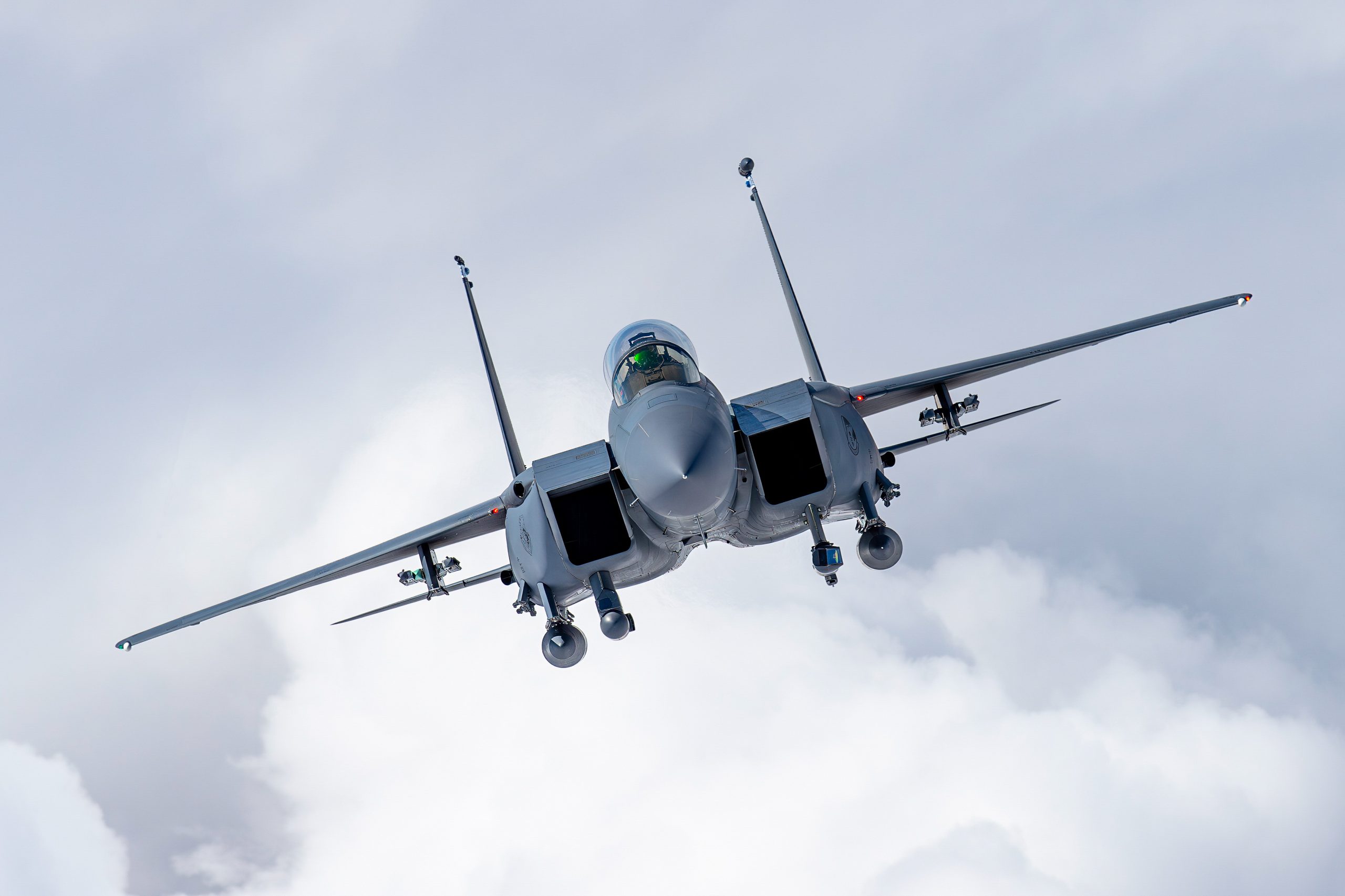
Liveries and trademarks are where the popular fear runs the wrong way round, because photographers assume that a print showing an airline’s registered marks cannot be sold. The main infringement tests in section 10 of the Trade Marks Act 1994, at subsections (1) and (2), require use of a sign in the course of trade in relation to the goods or services the mark is registered for, and selling a photographic print is not use of an airline’s mark in relation to air transport. The mark appears as a feature of the aircraft, not as a badge of origin for the thing you are selling.
There is a second limb and it has to be dealt with rather than skipped, because it is the one that could reach a print. Section 10(3), read with section 10(3A), applies irrespective of whether the goods the sign is used on are similar to those the mark is registered for, where the mark has a reputation in the United Kingdom and the use, without due cause, takes unfair advantage of or is detrimental to its distinctive character or repute. Major airline marks are exactly the class likely to have that reputation. What that limb turns on is unfair advantage and detriment rather than similarity of goods, so a photograph sold as a photograph, described as your own work and not dressed up as anything official, has an ordinary answer to it. The point is that the answer comes from subsection (3), not from pretending subsection (3) is not there.
The risk sits in the marketing rather than in the frame. Branding your product with an operator’s marks, calling a print official, implying an endorsement you do not have, or moving into merchandise categories the mark is registered for are all problems with how you title, tag and advertise it. Describe it as your photograph of an aircraft and the difficulty does not arise. Military insignia, though, are a separate and less settled question. Roundels, squadron badges and serials are not in themselves a restriction on selling a photograph of an aircraft that carries them, but some badges are protected by other means, and the position on RAF or Ministry of Defence heraldry in merchandising is not something to take from a blog post. If your plan is about the badge rather than the aeroplane, take advice.
Owning the copyright and being free to sell the print are two different questions. The second one is usually answered by the terms you accepted at the gate, and reading them costs nothing.
A sensible order to do this in
Starting from nothing, the order matters more than the ambition. Almost every expensive mistake in this guide comes from doing step six before step two.

Pick the frames first. Ten or fifteen images that work as prints, which is a smaller and different set from the ones that work on a screen, and our guide to black and white aviation photography is worth reading first because monochrome forgives a dull sky that colour does not: a jet against a flat white sky can be a fine photograph and a poor print. Then order proofs of two of them, at the size you expect to sell rather than the size you would like to sell, and look at them under the light a buyer’s wall gets. Cost that one size end to end before you set any price, from lab invoice to packing to postage to the platform’s cut, because a price set before that sum has been done is a guess, and it will not survive the first few orders.
Write the returns policy before the first order rather than after the first complaint: it is a short job when nobody is upset and an awful one when somebody is. Decide the currency your store displays, deliberately, because a default left alone will quote dollars to a British buyer looking at a British photographer’s British aircraft. Start on one route rather than four, because four storefronts means four catalogues to keep in step, four sets of fees and four returns policies, all for a volume that would fit on one. And keep every receipt from the first print you order, because the trading allowance question arrives sooner than people expect and reconstructing a year of lab invoices from bank statements is nobody’s idea of a January.
Our own aviation photographs are catalogued in the Piemags aviation archive, and the terms for reproducing one are set out on the licences page.
The mistakes that cost money
Assuming the made-to-order exemption covers you. The guidance points the other way, because choosing an image, a size and a paper from your own catalogue is menu selection rather than personalisation. The cost is refunding a print you have already paid for, posted and cannot resell, and if you never told the buyer about the cancellation right, the window stretches by up to twelve months.
Assuming the print company’s returns policy is your returns policy. Prodigi will reprint or refund a print damaged in transit or spoiled by their error, which is real cover, but a customer who changes their mind is refunded at your expense. White-label fulfilment moves the printing, not the liability, and the cost of learning that is one print paid for twice.
Pricing off a stale comparison article. Society6 removed the artist’s ability to set a markup on 18 March 2025 and pays a fixed 10 per cent of the base price on an art print, and Redbubble’s Standard tier takes 50 per cent of your monthly earnings. Anything still describing either as a set-your-own-markup platform is over a year out of date, and pricing around a share you no longer receive loses money on every sale.
Charging 5 per cent VAT on a domestic sale. That 5 per cent is an import valuation mechanism, and there is no reduced or zero rate of UK VAT on photographic prints sold here by the photographer. Charging it means under-declaring, and the difference comes out of your margin when it is asked for.
Believing the three thousand pound figure. It is a Self Assessment reporting threshold, it is not in force, and it does not touch the £1,000 trading allowance. Tax is still due between the two, and the cost of believing otherwise is missing the 5 October registration deadline on income you thought was exempt.
Assuming a public airshow means you can sell what you like. RIAT and Duxford both say otherwise in their entry terms, and what it costs is not usually a lawsuit. It is your access to the event, which for an aviation photographer is the more expensive of the two.
Questions people ask
Do I have to accept returns on prints made to order?
Assume yes. The Consumer Contracts (Information, Cancellation and Additional Charges) Regulations 2013 give a consumer buying at a distance fourteen days to change their mind, and regulation 30 starts that clock on delivery rather than on the order. Regulation 28(1)(b) takes the right away for goods made to the consumer’s specifications or clearly personalised, and that is the exemption photographers reach for. Business Companion, the service backed by the Chartered Trading Standards Institute, says the exemption does not apply to items made to a customer’s specification simply by combining stock items. A print ordered by choosing an image, a size and a paper from your own lists is a fixed menu of stock items on that reading. No UK court has decided the question on facts like these, so the safe working assumption is that the right applies.
Which route pays the photographer best?
The one where you are the seller, if you can carry what comes with it. On your own storefront with a lab behind it you set the price and keep what the customer pays, less the payment processor and a monthly platform fee rather than a commission. On a print-on-demand marketplace the platform owns the customer and takes its margin inside the base price. The spread is wide: Society6 removed the artist’s ability to set a markup on 18 March 2025 and pays a fixed 10 per cent of the base price on an art print, while Redbubble’s Standard tier takes 50 per cent of your monthly earnings, capped at £150 per payment period. Fine Art America sets a base price and you keep whatever markup you add on top, with premium membership at $30 a year.
Who is responsible if a print arrives damaged?
Whoever is the seller. Under section 29 of the Consumer Rights Act 2015 goods stay at the trader’s risk until they reach the consumer’s physical possession, or that of somebody the consumer has named, unless the consumer arranged their own carrier. On a marketplace the platform is the seller and carries it. With white-label fulfilment you are the seller and carry it, even though you never touched the print. Prodigi splits it clearly: they reprint or refund transit damage and anything caused by their error, but a change-of-mind refund is at your expense.
How much should I charge for an aviation print?
Price from cost and position rather than from anxiety, and start with the arithmetic. Take the lab’s price for the size, add the mount or frame, the packaging, the postage, the payment processor’s percentage and the monthly platform fee spread across the orders you actually expect, and only then set a margin. There is no published price list from a working UK aviation photographer to benchmark against. Two published market points exist: the RAF Museum Shop sells Philip E. West’s Spitfire Patrol at £195 for a 28 by 20 inch print, which is aviation art rather than photography, and ArtPhotoLimited’s UK aviation photography category runs from £89 to £551, with most standard prints between £89 and £134 and the top figure framed. Both checked in August 2026. Two prices are not a market survey.
When do I have to register for VAT?
At £90,000 of taxable turnover, a level that took effect on 1 April 2024 after seven years frozen at £85,000. The deregistration threshold is £88,000. The rate on a photographic print sold in the UK is the standard rate of 20 per cent. There is no reduced rate and no zero rate on a domestic print sale. The 5 per cent figure that circulates is an import valuation mechanism, not a selling rate, and its photographic qualification is narrow: a signed and numbered photograph in an edition limited to thirty copies, printed by the artist or under their supervision.
Is there a three thousand pound tax-free allowance now?
No. The £3,000 figure is a Self Assessment reporting threshold, it is not in force, and it does not touch the £1,000 trading allowance. Tax is still due between the two.
Can I sell prints of photographs I took at an airshow?
Check the ticket terms for that event, because the restriction is contractual rather than a matter of copyright. You keep the copyright in your own photograph and you can still be in breach of the terms you accepted when you bought the ticket. The Royal International Air Tattoo’s ticket terms say that ticket holders may not commercially exploit any content from RIAT 2027 without prior written consent. IWM Duxford’s flying season terms say that commercial filming and photography are not allowed without our permission. Those two were checked. Other events set their own terms and they have to be read individually.
Can I sell prints of aircraft in airline liveries or military markings?
The popular fear is the wrong way round, but the answer has two parts. The main infringement tests in section 10 of the Trade Marks Act 1994, at subsections (1) and (2), require use of a sign in the course of trade in relation to the goods or services the mark is registered for, and a photographic print is not use of an airline’s mark in relation to air transport. Section 10(3), read with section 10(3A), is the limb that can reach further: it applies irrespective of whether the goods are similar, where the mark has a reputation in the United Kingdom and the use without due cause takes unfair advantage of or is detrimental to it. Major airline marks are likely to have that reputation, so the answer comes from that subsection rather than from ignoring it, and it turns on unfair advantage rather than on similarity. The risk sits in how you title, tag and advertise the print rather than in the frame itself. Military insignia and unit badges are a separate question and worth taking advice on.
What makes a limited edition a real limited edition?
A statement specific enough to be a promise. It has to say how large the edition is, whether the limit covers all sizes together or each size separately, whether artist’s proofs sit inside the number or outside it and how many there are, and what happens when it sells out. The convention caps proofs at about 10 per cent of the edition. Silence on any of those points is not neutral, because opposing conventions exist and give very different answers. A photographer who reissues a sold-out edition at a different size has broken the promise in substance even if the wording let them.
Does Artist’s Resale Right apply when I sell my own prints?
No. It is a right on qualifying resales through an art market professional, not on a first sale by the artist, and not on a private sale where no art market professional is involved. The confusion is reasonable, because photographs are in scope as a category and limited-edition copies do qualify, which is why it is worth stating rather than ignoring.
What changed for sending prints to the EU?
The duty-free treatment of low-value parcels went on 1 July 2026, replaced by a flat €3 customs duty on consignments worth less than €150, approved by the Council of the European Union on 11 February 2026. It is charged on each different category of item in a parcel, identified by tariff sub-heading. Liability sits with the declarant, which for a print you sell and send means you or your importer rather than the buyer. The European Commission published the legal text and guidance on 8 June 2026 and an explanatory note on 29 June 2026, and the position there is that the seller or importer declares and pays, with consumers paying directly only in rare cases. Import VAT is due on arrival on anything sent from the UK either way, and the paperwork is a CN22 or CN23 customs declaration carrying a commodity code and a declared value.
Can I sell prints of any photograph I have taken?
Only where you own the copyright. Work made in the course of employment, work shot under a contract that assigns the copyright, and air-to-air work flown under an agreement with terms attached all need checking before anything goes on a shelf. There is also a date: before 1 August 1989 the copyright in a commissioned photograph belonged to the commissioner, so a back catalogue from the film era needs looking at rather than assuming.
Sources and further reading
- The Consumer Contracts (Information, Cancellation and Additional Charges) Regulations 2013, SI 2013/3134, regulations 28 to 35. legislation.gov.uk
- Business Companion, the Chartered Trading Standards Institute backed guidance service, on distance selling and the goods made to specification exemption. businesscompanion.info
- Consumer Rights Act 2015, including section 29 on when goods pass to the consumer at the trader’s risk. legislation.gov.uk
- Case C-529/19, Mobel Kraft, Court of Justice of the European Union, 21 October 2020, on when the made to specification exclusion applies. eur-lex.europa.eu
- HM Revenue and Customs, VAT registration thresholds and the standard rate. gov.uk
- HM Revenue and Customs, tax-free allowances on property and trading income. gov.uk
- HM Revenue and Customs, Business Income Manual, the badges of trade. gov.uk
- HM Revenue and Customs, Making Tax Digital for Income Tax, who must use it and from when. gov.uk
- Intellectual Property Office, Artist’s Resale Right, on qualifying sales and the role of an art market professional. gov.uk
- Trade Marks Act 1994, section 10, on infringement by use in the course of trade in relation to goods or services. legislation.gov.uk
- Council of the European Union, agreement on customs duty for low-value consignments, 11 February 2026. consilium.europa.eu
- PhotoDeck, plans, print fulfilment and lab integrations. photodeck.com
- Prodigi, pricing, order issues and returns. prodigi.com
- Redbubble Help Centre, account tiers, platform fees and markup. help.redbubble.com
- Society6 Help Centre, artist earnings by product type, the change effective 18 March 2025 that removed artist markup control. The article page for that announcement no longer resolves; the figures here were read from it in August 2026. help.society6.com
- Fine Art America, how selling works, the markup model and the returns window. fineartamerica.com
- theprintspace, published fine art and C-type print prices. theprintspace.co.uk
- Point101, white label fulfilment and finishing price list including signing and hand numbering. point101.com
- Royal International Air Tattoo, ticket terms and conditions. airtattoo.com
- Imperial War Museums, Duxford visitor terms on filming and photography. iwm.org.uk
